 Search


- An epic industrial upgrade from electricity to tokens has begun
On the Gobi Desert, wind turbine blades cut through the sky, and groups of server array indicator lights silently flickered in the darkness. An invisible energy revolution is transforming the wind and light of the West into green computing power that drives the global wave of artificial intelligence.
AI giants grab power
The elites in the AI industry have never been as deeply anxious about their electricity bills as they are today.
The fundamental limiting factor for the future development of AI will be electricity. ”The statements of tech leaders such as Musk, Zuckerberg, and Ultraman are not alarmist. Nvidia founder Huang Renxun gave a more specific number: it is expected that by 2027, the annual power consumption of its GPU will be comparable to the demand of the entire France.
There is a sarcastic joke circulating in the industry: nowadays, when it comes to AI, the ultimate competition is not who is smarter in algorithms, but who can "grab" more watts in the power grid.
The cold data confirms the intensity of this competition. According to the data of the National Energy Administration, from January to February 2026, the power consumption growth of China's Internet data service industry will soar to 46.2%, and AI computing power is the core driver. Looking at the world, the International Energy Agency predicts that by 2030, the global data center electricity consumption will double to approximately 945 terawatt hours, with AI being the most critical "power tiger" among them.
Electricity anxiety has moved from behind the scenes discussions in the technology industry to the forefront that determines the life and death of the industry. The implementation of any AI data center (AIDC) project must first go through the cruel "three questions of energy": is there enough electricity? Is the electricity stable or not? Is it electric green or not?
From East Calculation to West Calculation to Computer and Electronic Collaboration
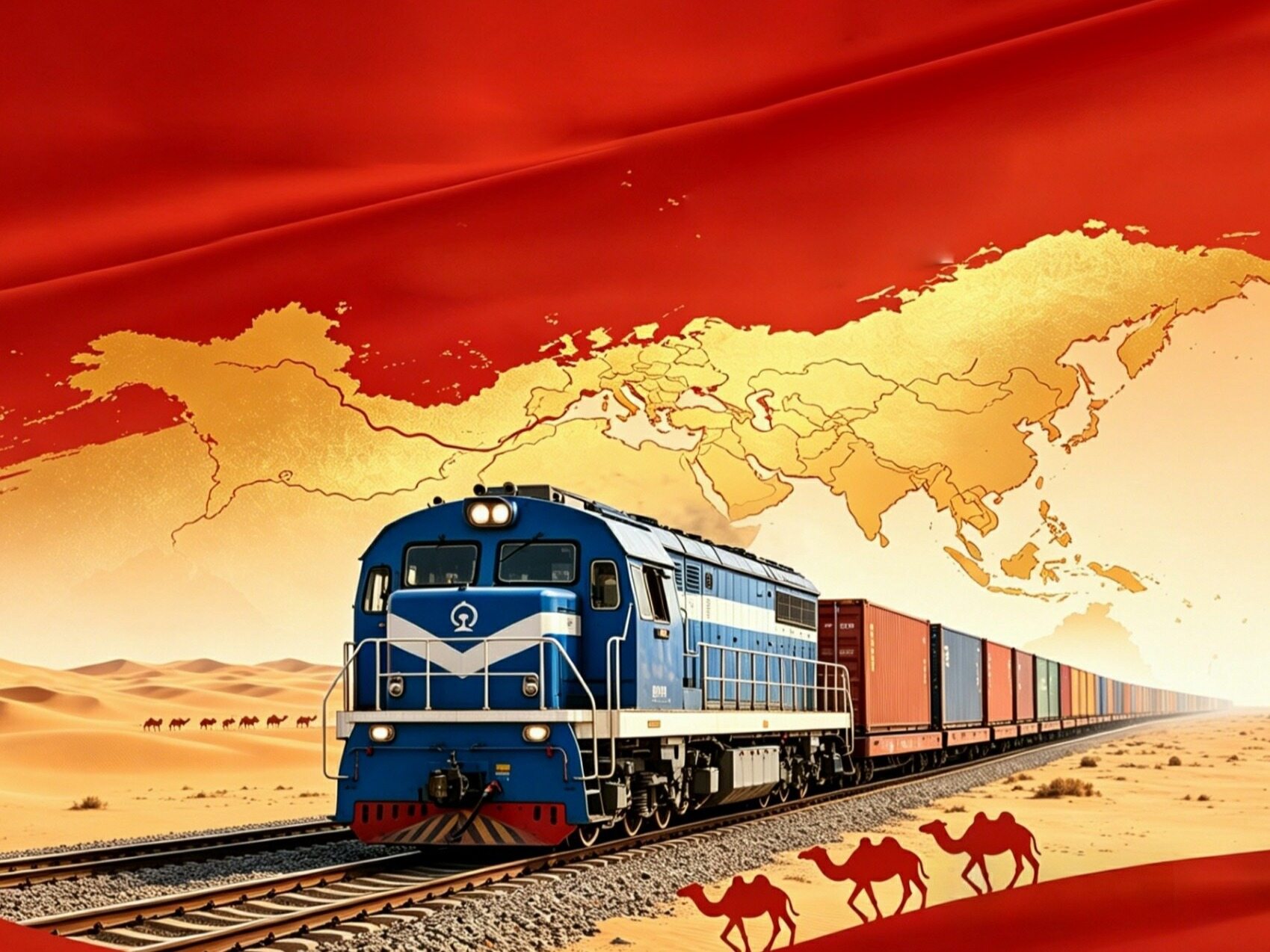
As early as 2021, China had already laid out the national strategy of "counting from the east and computing from the west", planning 8 national computing power hub nodes and 10 national data center clusters in the west. The economic logic of this' first move 'is to redirect the explosive computing power demand in the east to the west, where wind and solar resources are abundant, essentially pursuing better' unit electricity token output efficiency '.
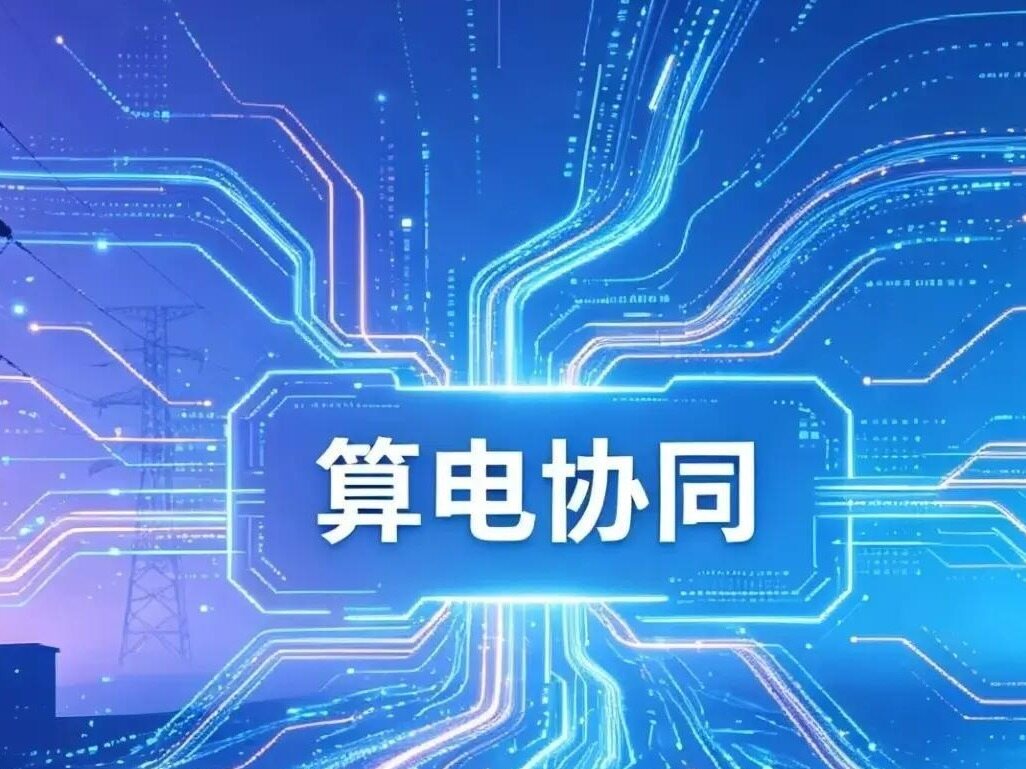
At this year's National People's Congress and Chinese People's Political Consultative Conference, the concept of "computing power collaboration" was first included in the government work report, highlighting the deep binding relationship between computing power and electricity. In fact, before this, China had already carried out pilot projects in Beijing Tianjin Hebei, Yangtze River Delta, Inner Mongolia, Qinghai, Xinjiang and other places, with a clear goal of ensuring that the proportion of green electricity applications in newly built computing facilities reached over 80%.
This means that the "westward movement" of Chinese tech giants is a profound industrial migration: transforming the abundant and cheap green electricity in northwest China into surging computing power, and then encapsulating this computing power into "tokens" (tokens or service units) for global market consumption. The future cost of AI will ultimately converge to energy costs. The marginal cost of energy for a country will directly define the global competitiveness of its AI industry.
Using AI power system to solve the green power problem
However, achieving the goal of 80% green electricity application is a huge challenge. Green energy sources (wind power, photovoltaics) are inherently volatile and intermittent, which creates a sharp contradiction with AIDC's requirement for "extreme stability" in power supply.
The load characteristics of AIDC are fundamentally different from traditional data centers. When a large-scale AI model training starts, hundreds of thousands of GPUs are like a steel army, synchronously entering full load operation in milliseconds, and the next second they may collectively "silence" and experience a sudden drop in power. This kind of "heart rate" violent fluctuation is unbearable for traditional power grids.
In the PJM power grid region of the United States, there have been multiple incidents where the computing power cluster suddenly "disconnected" due to collective response to dispatch signals, almost leading to the collapse of the regional power grid.
Connecting unstable green power directly to the data center is like putting a wild horse on a precision carriage. The way to crack it is to build an intermediate layer - AI power system - that can "tame" green power fluctuations and understand the "temper" of GPUs.
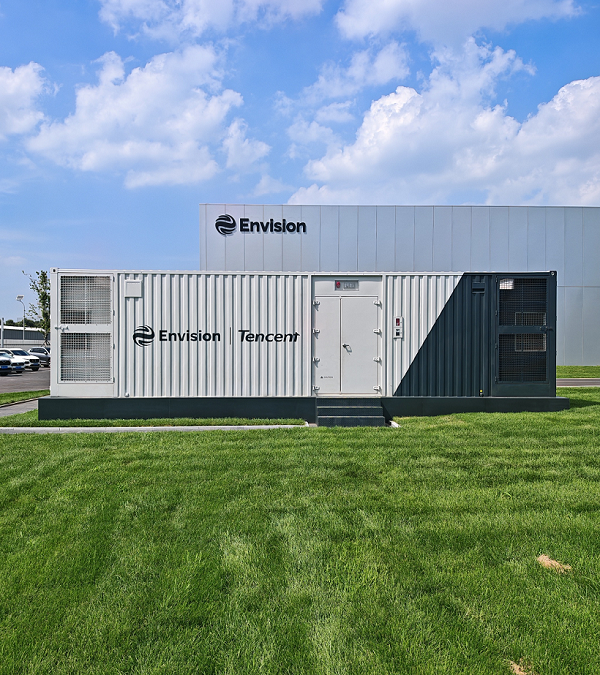
In Chifeng, Inner Mongolia, the world's first data center with 100% direct green power supply has been established. Behind it is the "AI Power System" jointly developed by Tencent and Farview. It is based on the "Yuanjing Tianji" meteorological model for high-precision prediction of wind and solar power output, and then uses the "Yuanjing Tianzhu" energy model to achieve the optimal combination and real-time scheduling of source, grid, load, and storage, achieving millisecond level load smoothing and grid support.
Deep coupling between Watt and Bit
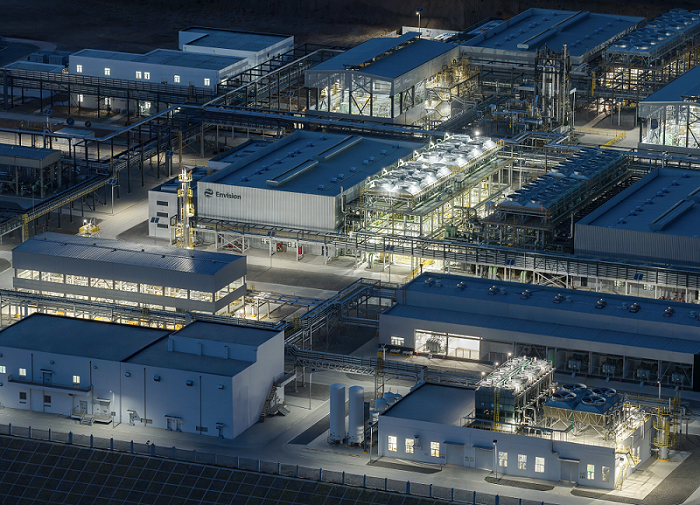
Facing the complex scenario of high load, high fluctuation, and high proportion of green electricity in AIDC, building a strong green energy base is the core. The AI power system of Yuanjing has been validated in multiple complex scenarios such as zero carbon industrial parks and large-scale energy storage. The fully off grid zero carbon hydrogen ammonia project located in Chifeng maintains 100% green power stable operation even under extreme conditions of 16 hours of no wind or light.
In the AIDC scenario, the essence of the AI power system lies in the deep coupling of "watts" and "bits", achieving dynamic balance of "source following load, load following source, and source load interaction".
On the grid side, new energy is directly introduced into the computing power scenario through "wind solar distribution and storage+green power direct connection", transforming passive consumption into active configuration.
On the site side, a grid type energy storage system is used to smooth out the severe fluctuations of computing power load and provide stable voltage and frequency support for the power grid.
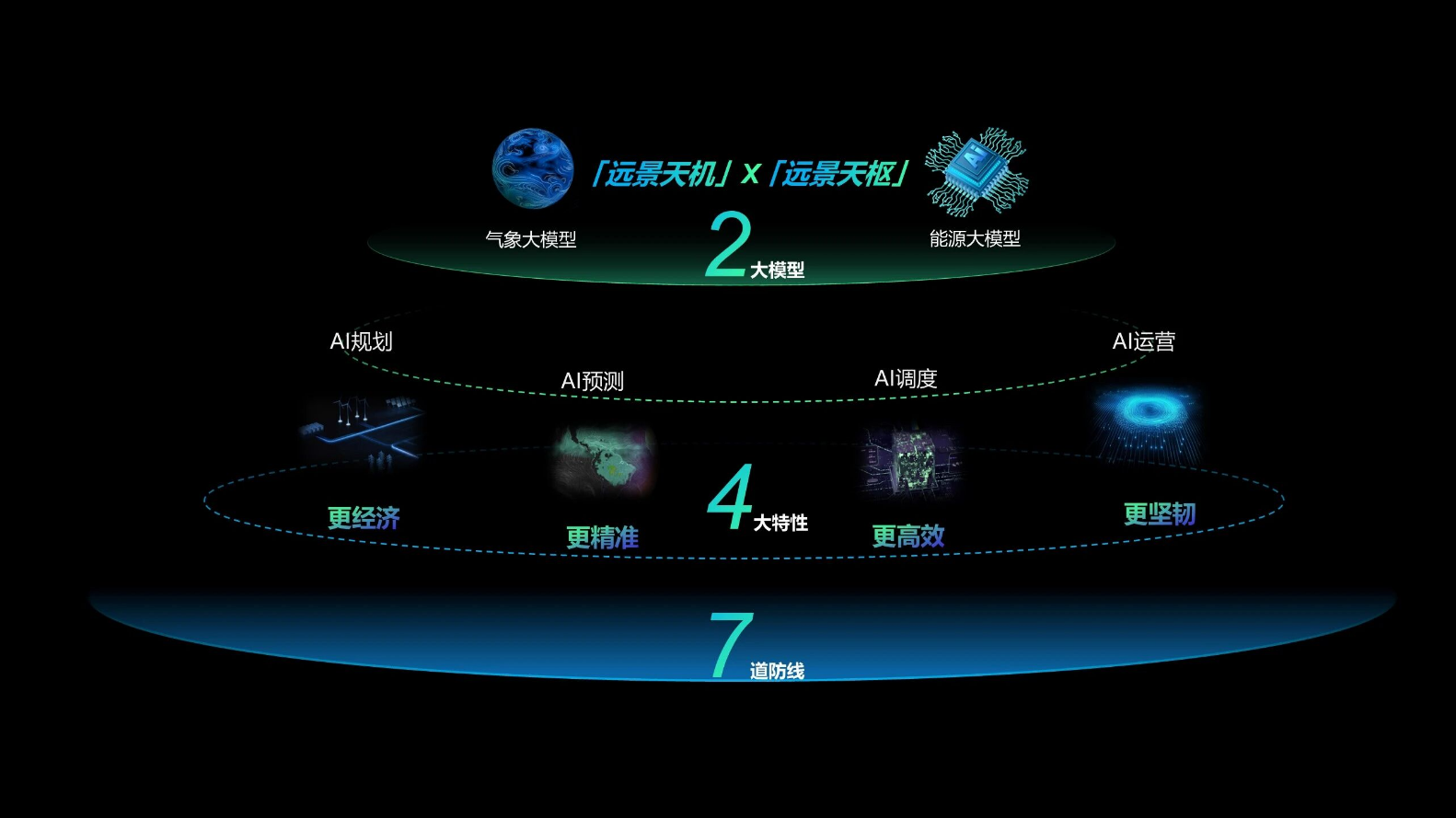
On the load side, replacing traditional uninterruptible power supplies with DC energy storage systems enables the power system to directly cope with GPU millisecond level power surges, upgrading the "backup power system" to a "real-time regulation system".
With the "Yuanjing Tianzhu" energy model, AI ultra short term prediction and real-time regulation are deeply integrated to achieve dynamic balance of source, grid, load and storage in the form of AI intelligent agents, making green power direct connection theoretically feasible and truly moving towards commercial optimization.
In the future, the efficiency of the "token" generated by a unit of electricity will become the core productivity benchmark of the AI era. This profound transformation driven by "computing and electronics collaboration" is reshaping the cost curve and geographical pattern of the global AI industry.
From exporting clothing and household appliances, to the current "new three" (new energy vehicles, lithium batteries, photovoltaic products), and then directly exporting "computing power" itself - the wind in Inner Mongolia, China, and the light in Xinjiang - are being transformed into stable and green global computing power pillars through powerful new power systems and leading AI technology, and are being consumed by the world in the form of "tokens", helping the world enter a new era of AI civilization.Editor/Yang Meiling
Comment



 Praise
 Collect
 Comment

 Share
Share


Write something~