 Search


- In the spring of 2026, as the train from Budapest to Belgrade speeds, the bloodline of the heart of Europe is completely connected
- In the long era of maritime hegemony, are inland countries destined to be poor and marginalized? China is giving a negative answer with the Hungary Serbia railway
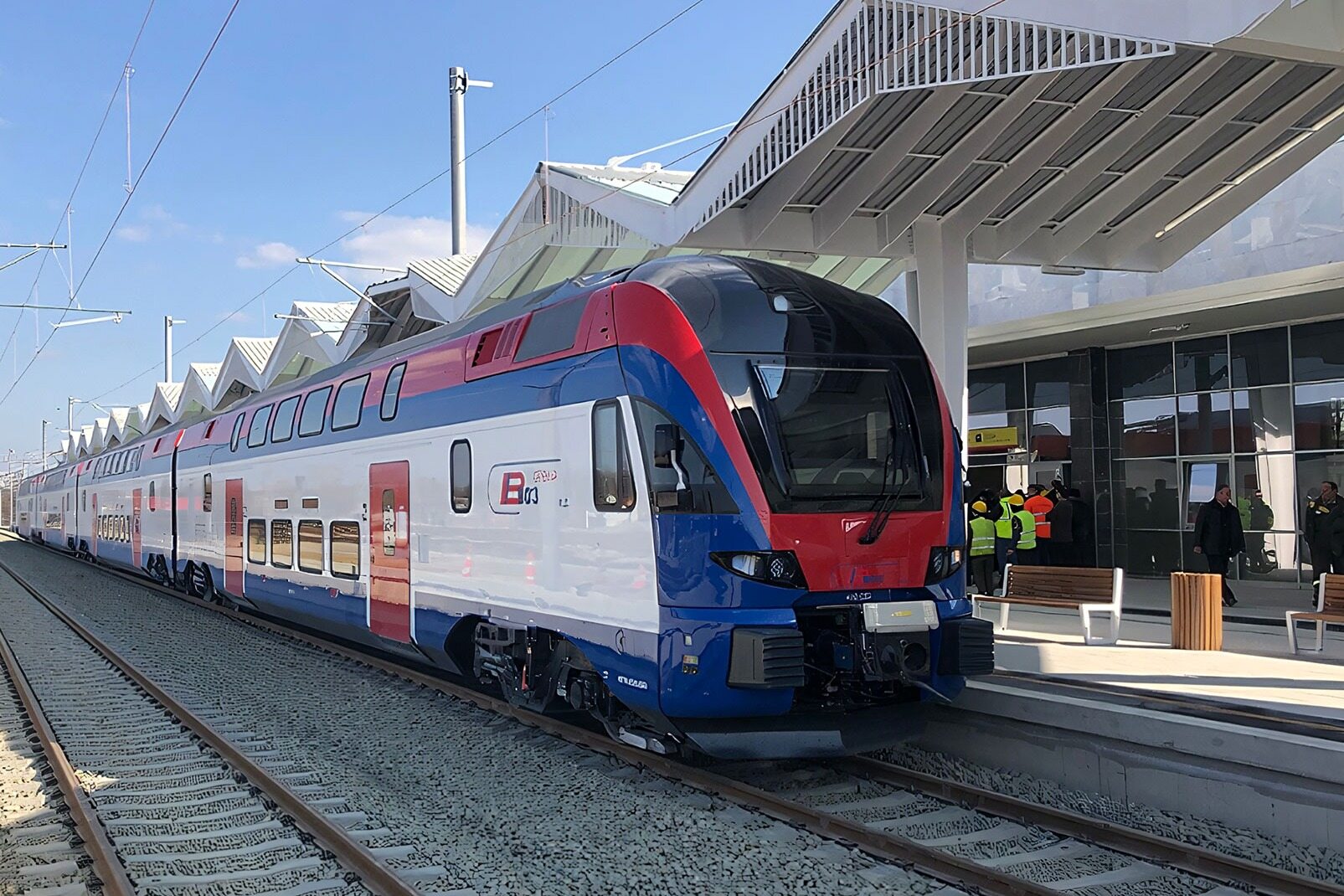
In February 2026, the cold wave in Budapest had not yet subsided, but the platform of Keleti Railway Station was already rolling with heat waves.
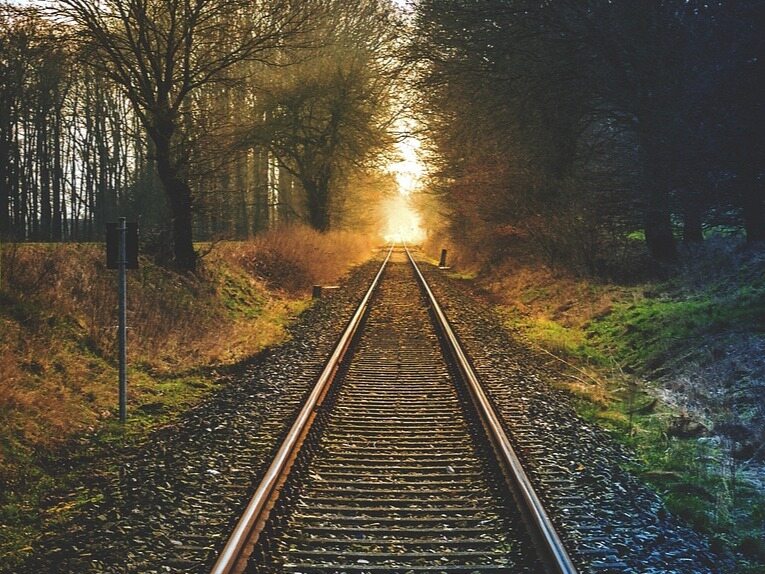
As the streamlined Fuxing intelligent high-speed train pierced through the morning mist of the Danube River and raced towards Belgrade at a speed of 350 kilometers per hour, an old Chinese worker who had been here for eight years touched the cold railway tracks, tears streaming down his face.
This is not just a departure.
If we turn the timeline back to 1999, at the same location, there are echoes of air raid sirens, broken bridges destroyed by NATO bombs, and blood flowing from the entire Balkan Peninsula. At that time, no one believed that the ruins known as the European powder keg by the West could be stitched back together by Eastern engineers a quarter of a century later.
This is not just a railway shortened to a 2-hour and 40 minute drive.
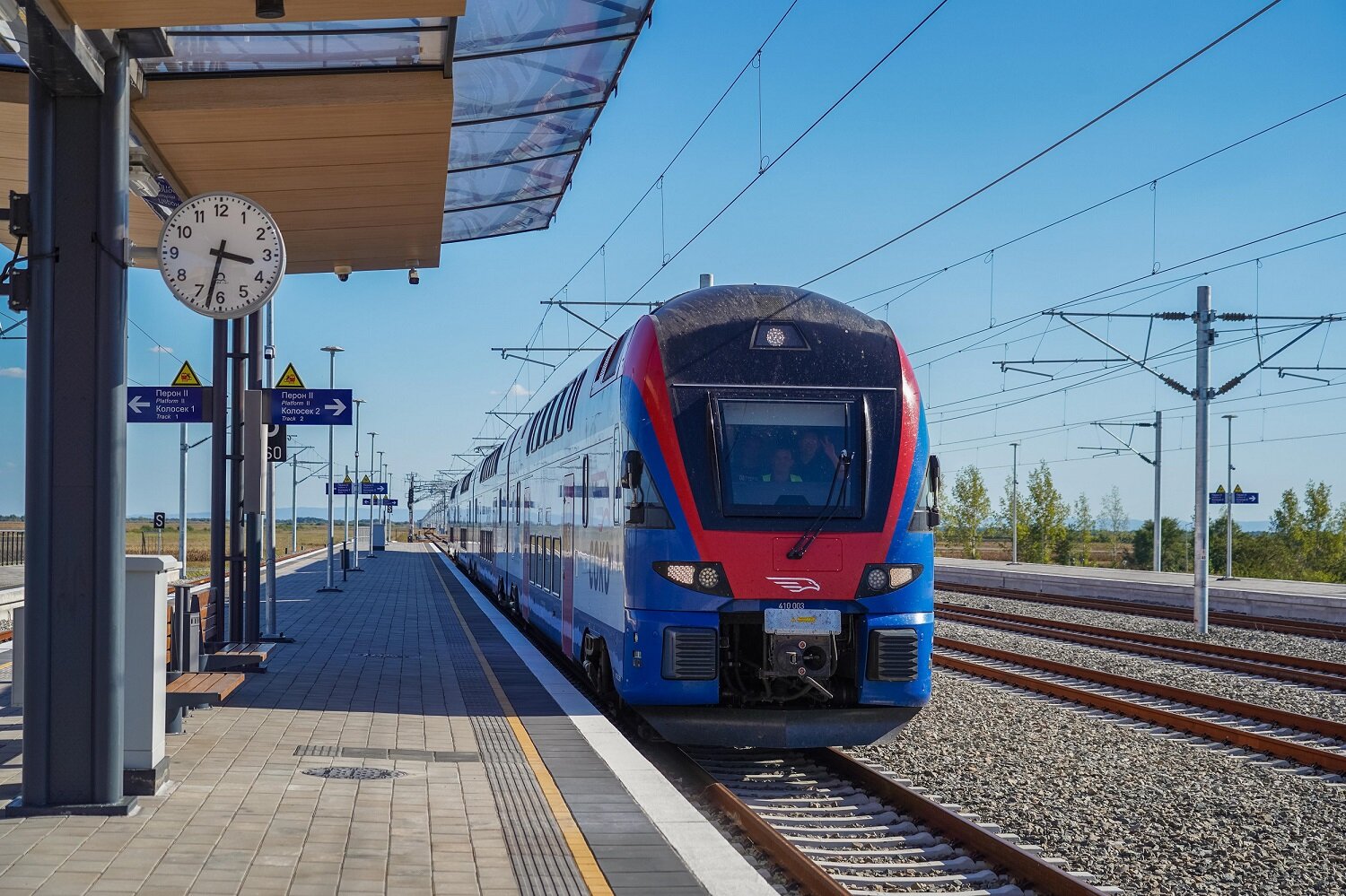
What we need to see clearly is a violent aesthetic about industrial civilization, survival laws, and geopolitics behind these 400 kilometers of steel rails.
Why is it Eastern University instead of Old Europe
Let's first look at a set of despairing comparative data.
Before the renovation of the Hungary Serbia Railway, this so-called European mainline operated old cars with a speed of less than 40 kilometers per hour. It takes 8 hours to travel from Budapest to Belgrade. Due to the settlement of the roadbed, the train had to twist and crawl in the wilderness like a snail.
Why did it rot like this?
Because in the precise ledger of Western capital, the Balkans are considered a peripheral region. The 2020 Regional Development Report of the European Union shows that the return on investment in infrastructure in the region is assessed as extremely low risk but low return. Germans and French are not incapable of repairing roads, but unwilling to do so - they would rather invest their money in elusive financial derivatives than screw a screw on these poor relatives.
Until the Chinese arrived.
By the end of 2025, the Serbian section of the Hungary Serbia Railway will be opened to traffic. The data shows that the engineering efficiency is 3.5 times that of similar projects in Europe. Even more terrifying is cost control - while strictly adhering to EU environmental and labor standards, the Chinese team has reduced the construction cost per kilometer by 18%.
This is not magic, this is the crushing of the industrial system. While European engineers were still debating a few centimeters of roadbed error for three months, a Chinese team had already completed kilometer level track laying overnight using BIM technology and intelligent track laying machines.
This is the Eastern survival philosophy of building roads before becoming rich, which is a dimensional blow to the Western logic of prioritizing capital.
Hand to hand combat in the jungle of rules
Many people think that road construction is civil engineering, but in Europe, this is called legal warfare.
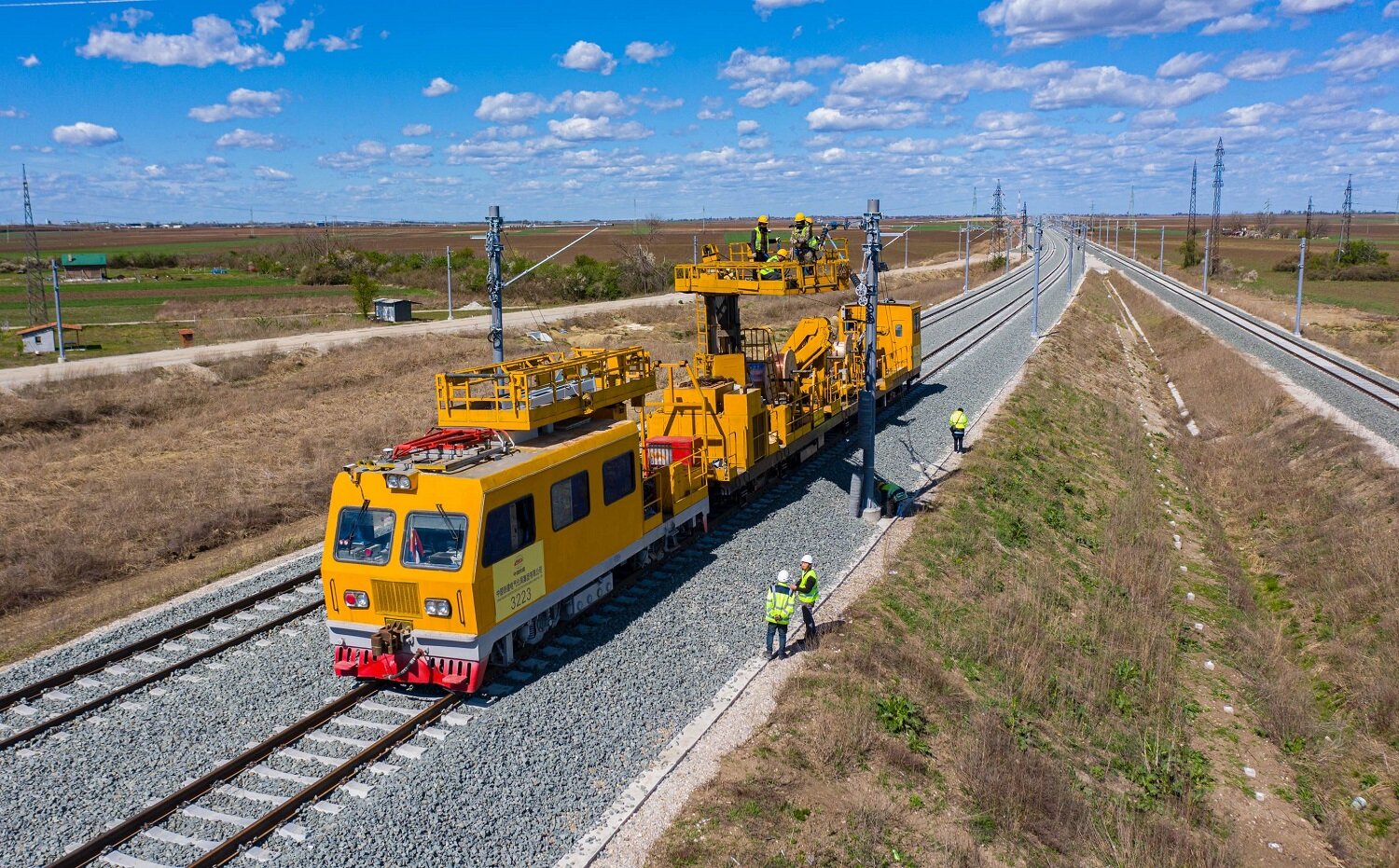
As a member of the European Union, Hungary's railway construction must adhere to the 42000 page "EU Interoperability Technical Specification" TSI. This set of standards is essentially a moat established by the West to protect local industries.
In 2022, the European Commission launched an 11 month investigation into the project on antitrust grounds. They are not worried about the quality of the railway tracks, they cannot accept a modern railway dominated by a major Eastern country, spanning across the heartland of Europe.
Faced with this wall of rules, the Chinese team did not back down, but chose the most clumsy and deadly way: hard work.
In order to prove the reliability of Chinese standards, the research team of China Railway stayed up all night in the laboratory for more than 300 days, comparing more than 6000 Chinese technical standards with European specifications one by one, and generating a 150000 page verification report.
When the first Chinese train that met TSI standards ran at a speed of 385 kilometers per hour during testing, the German supervising engineer who was originally waiting to see a joke fell silent for a full ten minutes.
This battle not only shattered technological biases, but also the Western world's monopoly on the interpretation of rules.
The pacemaker on the geopolitical chessboard
Shift your gaze from land to the ocean, and you will discover deeper ambitions.
Piraeus Port, located at the throat of the Mediterranean Sea, is China's first bridgehead in Europe. In the past, Chinese goods to Greece could only be transported by slow trucks through the Balkans, with high logistics costs and a time loss of up to a week.
The Hungary Serbia Railway is the main artery connecting the ocean and land.
With the full completion of the railway, an efficient China Europe land sea express line has officially closed. Data calculation shows that:
Compared to traditional northbound routes (via Rotterdam/Hamburg), logistics time is reduced by 7 days;
Reduce comprehensive logistics costs by 15%;
Every year, it brings over 5 billion euros in new trade volume to Central and Eastern European countries.
This is the ledger that makes Western conglomerates tremble.
Previously, the logistics lifeline of Europe was in the hands of Western European countries, which were their vaults. Now, Hungary and Serbia have gained some degree of trade autonomy. When the logic of survival changes, the balance beam of geopolitics will inevitably tilt.
The victory of pragmatism, the dusk of the old order
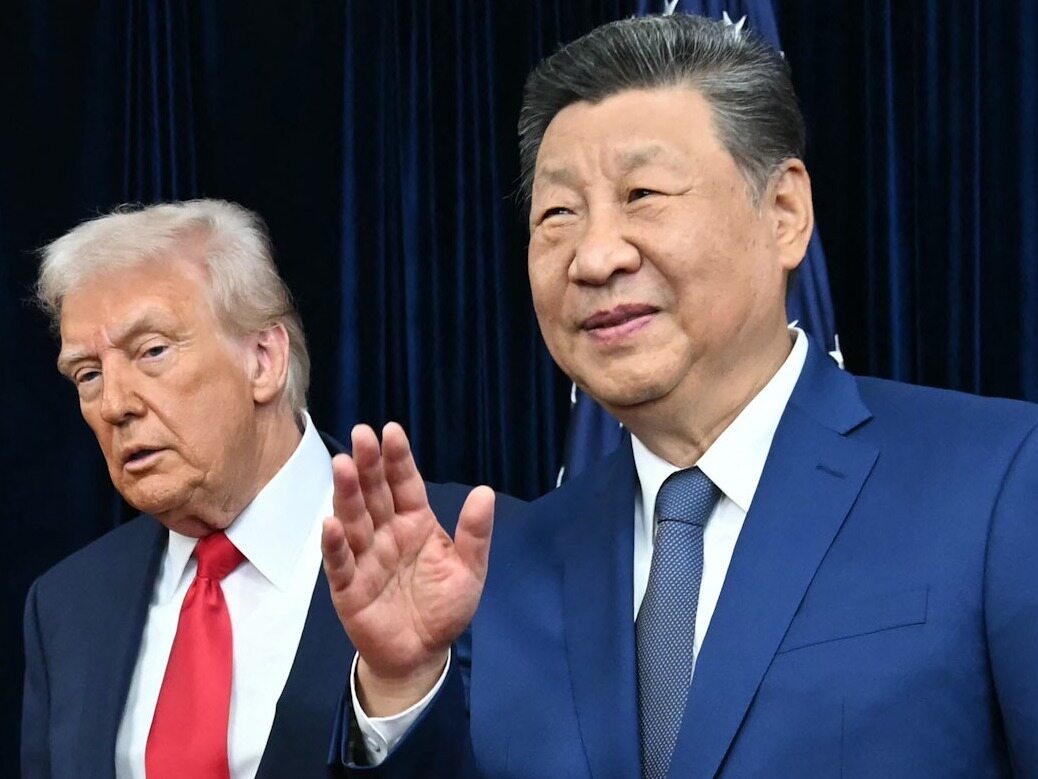
In this game, Wu Qiqi and Orban are two names that cannot be avoided.
Western media called them dictators and outliers. But if viewed from the perspective of national survival, they are extremely calm pragmatists.
For many years, the big cake drawn by the West for them was a promise to enter Europe, but in return, it resulted in factory closures and population loss. And what China has provided is tangible growth - during the construction of the Hungary Serbia railway, 12000 job opportunities were directly created for Serbia, indirectly driving employment for 50000 people.
Wu Qiqi once choked up in front of the camera, saying, "This is the first time we have seen hope." This is not acting, but a true expression of a deeply besieged head of state grasping a lifeline in despair.
When neighboring countries see Hungary and Serbia gaining access to cheap energy and efficient logistics through their integration into the Chinese system, the iron plates of the old order begin to loosen.
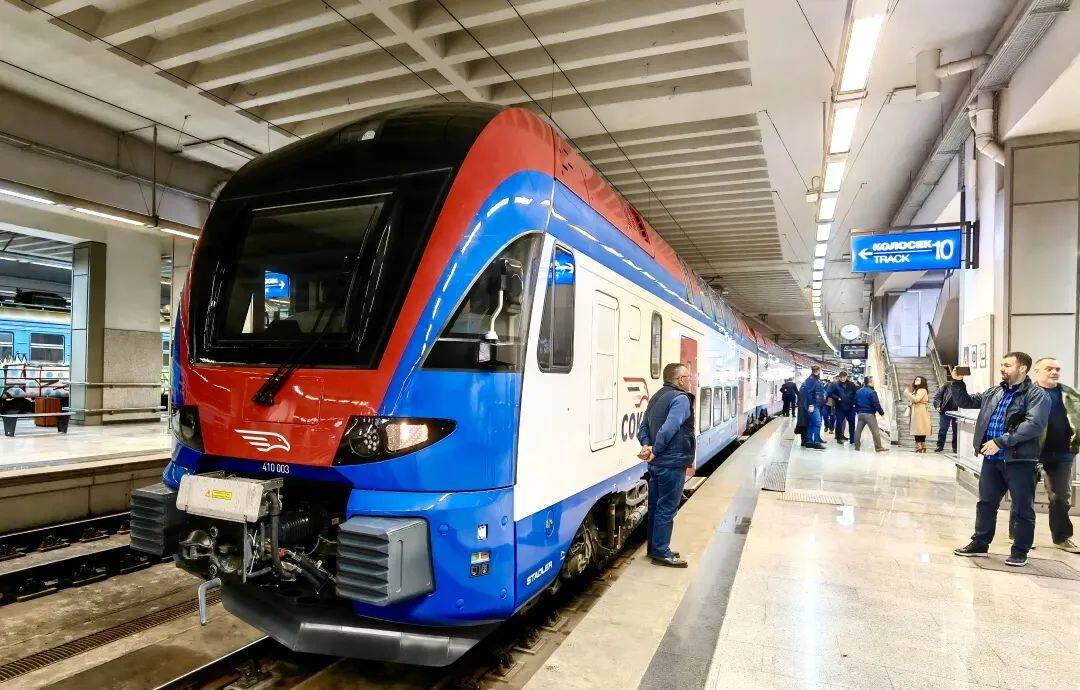
This is the cruel truth of how the world operates: there are no eternal allies, only eternal interests. Compared to the hollow values diplomacy of the West, China's pragmatic diplomacy of "road building+trade" is more lethal.
The Awakening of Lu Quan
When the last rail of the Hungarian Serbian railway is fastened on the banks of the Danube River, what we hear is actually the sound of the fragmentation of the era of maritime hegemony.
For centuries, landlocked countries were destined to be marginalized. But today, with the output of high-speed rail technology, the efficiency of land connectivity is catching up to or even surpassing that of the ocean.
The Hunsei Railway tells the world that as long as transportation costs are low enough, inland resources and populations can also unleash amazing creativity.
This is not only a victory for China's infrastructure, but also a breakthrough of land power civilization in the sea power chain.
The era of being able to harvest other countries at will with a few cumbersome rules is accelerating away. Instead, there is a new era that places greater emphasis on physical connections and prioritizes efficiency.
The wind whistle has sounded and the train has departed.
On the frozen soil of a foreign land, in the jungle of rules, Chinese engineers inject the rarest certainty into this turbulent world with almost clumsy persistence. Keywords: Hungary Serbia Railway, Geopolitical Game
And this is the true confidence for the rise of a great power.Editor/Cheng Liting
Comment




 Praise
 Collect
 Comment

 Share
Share


Write something~