 Search


- Replace gunboat diplomacy with connectivity, and replace zero-sum games with common development.
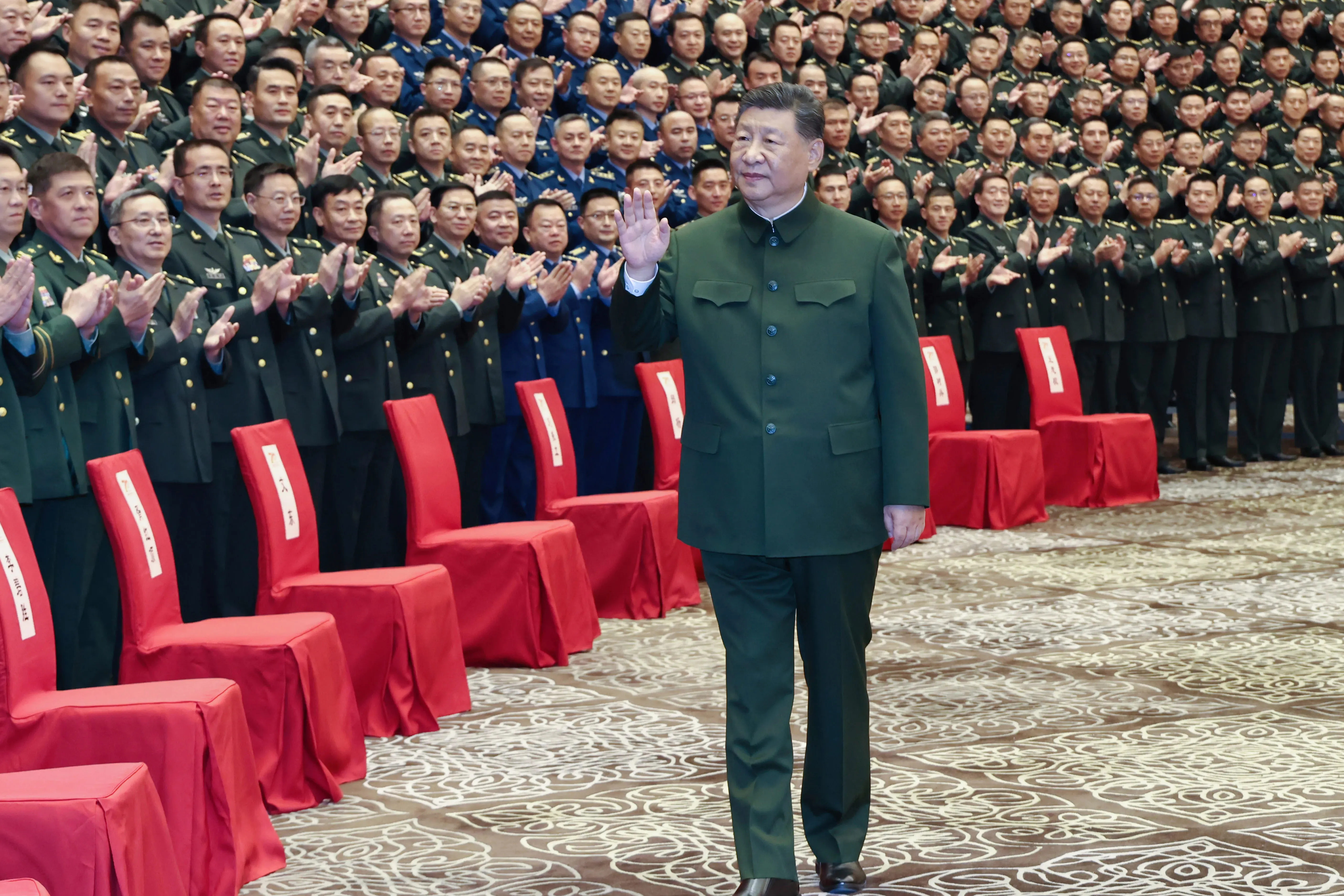
A recurring question in recent years, both domestically and internationally, has been: Has China ever won a war? Some interpret this as weakness, others as restraint. However, when viewed within the grand context of the Belt and Road Initiative, the answer becomes clear: China is not incapable of war, but rather has chosen a path more difficult and greater than war itself—replacing gunboat diplomacy with connectivity and zero-sum games with shared development.

Since 1979, China has not participated in any wars. Meanwhile, the United States launched the Gulf War, the Iraq War, and the Afghanistan War during the same period, militarily intervening in the affairs of other countries more than 100 times.
Does this mean China is afraid to fight? Quite the opposite.
Looking back at Chinese history, from the Shang Dynasty to the present day, nearly 4,000 years have seen over 3,700 wars, averaging one war per year. The history of Chinese civilization is essentially a history of warfare. Throughout this long process of civilization, periods of peace exceeding 30 years have occurred only five times: the reigns of Emperors Wen and Jing of the Western Han Dynasty, the Restoration under Emperor Guangwu of the Eastern Han Dynasty, the Kaiyuan Era of the Tang Dynasty, the reigns of Emperors Ren and Xuan of the Ming Dynasty, and the period since the reform and opening up.

While the United States maintains a $800 billion military budget, 11 aircraft carriers, and a $37 trillion national debt, while maintaining hundreds of military bases globally, China has achieved forty years of peaceful development, becoming the world's largest industrial nation and second-largest economy, with improved living standards and a higher happiness index. This proves that China is not afraid of war, but rather deeply understands its costs. The memories of the War of Resistance Against Japan and the Korean War are etched into the national DNA: a single shell could shatter a family.
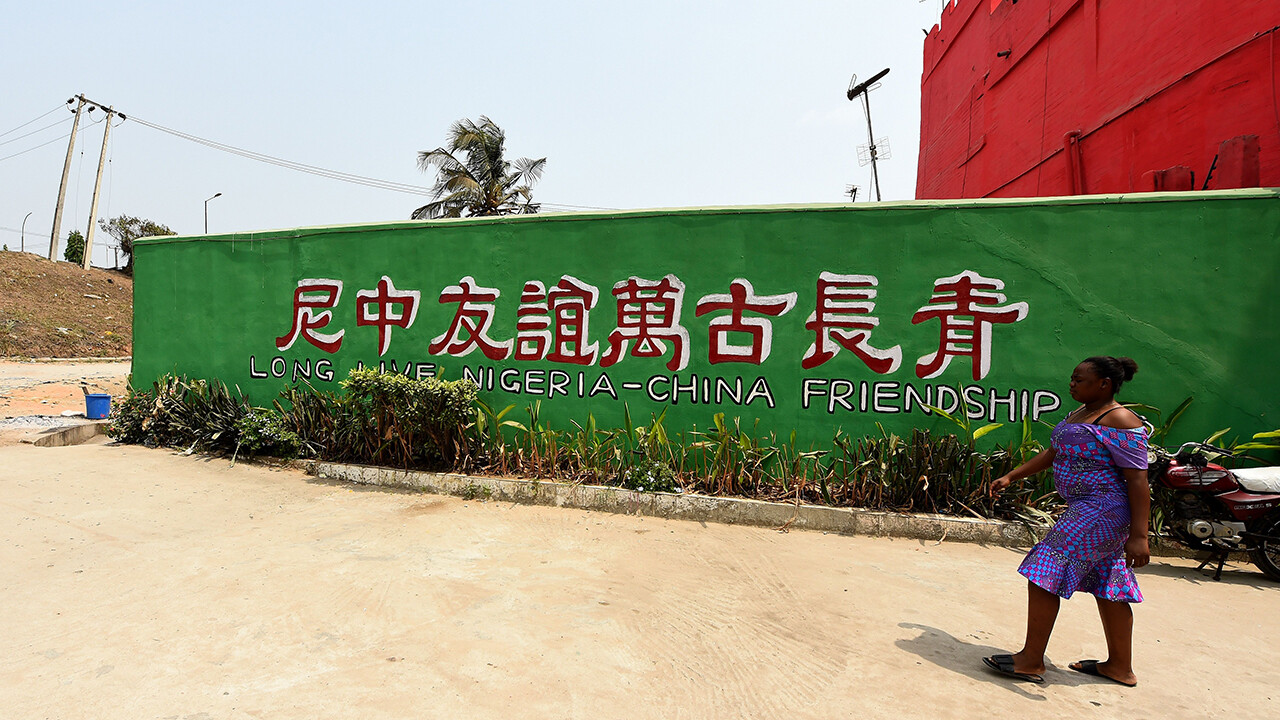
Since its inception in 2013, the Belt and Road Initiative has developed into a comprehensive international cooperation platform encompassing five major areas: policy coordination, infrastructure connectivity, unimpeded trade, financial integration, and people-to-people bonds. China has signed cooperation documents with more than 150 countries and over 30 international organizations.
Over the past decade, in terms of infrastructure connectivity, the China-Europe Railway Express has operated over 110,000 trains, reaching 26 European countries; the China-Laos Railway has helped Laos transform from a landlocked country to a land-linked country; and the Jakarta-Bandung High-Speed Railway has ushered Indonesia into the high-speed rail era.
Economic and trade cooperation has continued to deepen. The trade volume between China and participating countries now accounts for over 51% of China's total foreign trade, and two-way investment has expanded significantly, exceeding US$240 billion from 2021 to the first half of 2025.
Cooperation in green and digital fields has become a new highlight. Exports of wind turbine generators have increased significantly, and the number of partner countries for the "Silk Road E-commerce" initiative has increased to 36. Meanwhile, through "small but beautiful" livelihood projects such as Juncao (a type of grass), hybrid rice, and Luban workshops, the initiative has also achieved widespread benefits for ordinary people in areas such as health, poverty reduction, and cultural exchanges, working with participating countries to improve people's lives.

The Belt and Road Initiative demonstrates that China has the ability to forge a third path—neither passively accepting attacks nor actively conquering, but rising peacefully and achieving win-win results through connectivity. China is not incapable of fighting; rather, it has chosen to replace guns and cannons with roads, and conquest with development. This is a more difficult path, requiring greater strategic patience, but history will ultimately prove it to be the more correct one.Editor/Cao Tianyi
Comment






 Praise
 Collect
 Comment

 Share
Share


Write something~