 Search


- Kazakhstan is accelerating its shift from extensive census to detailed survey
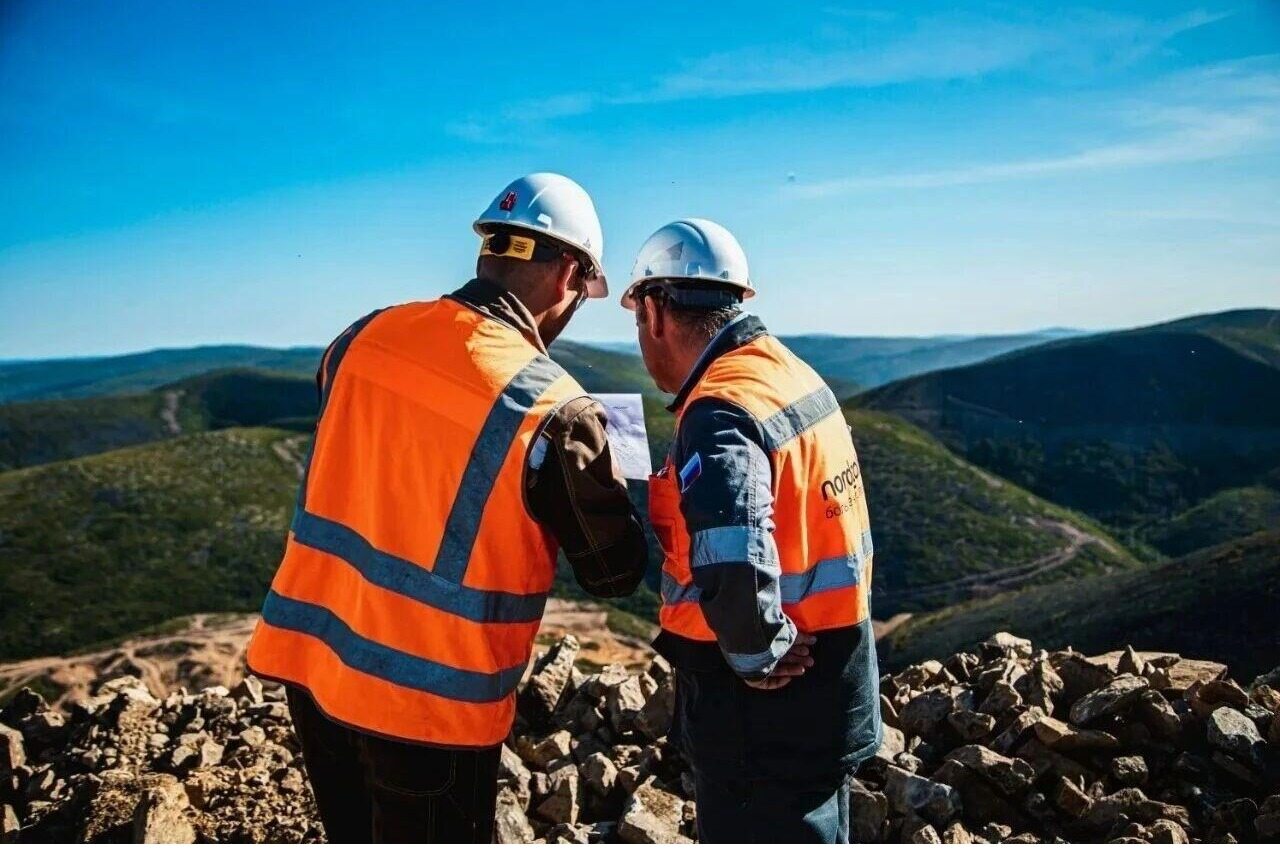
Under the vast grasslands and Gobi Desert of Kazakhstan, an unprecedented underground treasure hunt is quietly unfolding. In March 2026, with the order of the Prime Minister's Office, a special fund of up to 40.7 billion tenge (approximately 500 million US dollars) was allocated from the national reserve fund directly to the field of geological exploration. This is not only the largest geological investment in Kazakhstan in nearly 15 years, but also marks the country's official launch of a "super mining" operation covering 100000 square kilometers, determined to completely awaken the dormant mineral resources underground.
Upgrade navigation system
The core change of Kazakhstan's geological exploration this time is to completely bid farewell to the 1:200000 scale geological map from the Soviet era that has been used for many years. Government officials metaphorically compare this transformation to "upgrading from using a world map to a navigation system" - in the past, only a rough idea could be seen, but now every detail can be clearly viewed.
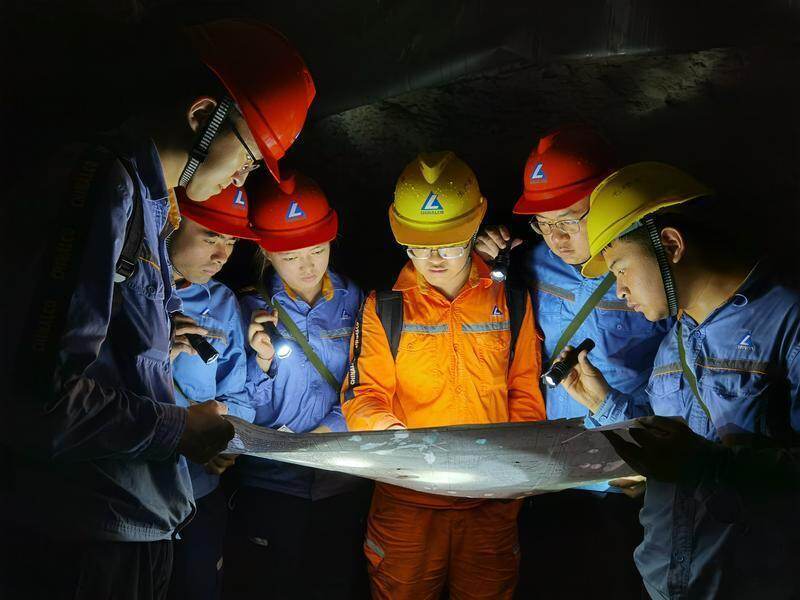
The 20 second-generation 1:50000 scale geological mapping projects (GS2-50) launched this time have increased their accuracy by a full four times compared to previous ones. This means that geological work will move from regional judgment to a new stage of structural and mineralization level identification. The project will focus on studying previously discovered mineralized zones, further estimating and predicting resource quantities through systematic analysis, and providing precise target areas for subsequent mining rights transfer.
In cooperation with the exploration work, Kazakhstan is accelerating the digitization process of geological data. Currently, about 83% of geological raw data has been digitized, and it is expected to achieve a comprehensive transformation by 2026. This measure aims to establish a national digital geological information fund, providing investors with a transparent and reliable data foundation, and reducing exploration uncertainty.
100000 square kilometers carpet scanning
This operation covers an area of up to 100000 square kilometers, equivalent to the area of one Zhejiang province, involving 11 out of 17 states across the country. Most of the key mineralization zones will be included in the new exploration system.
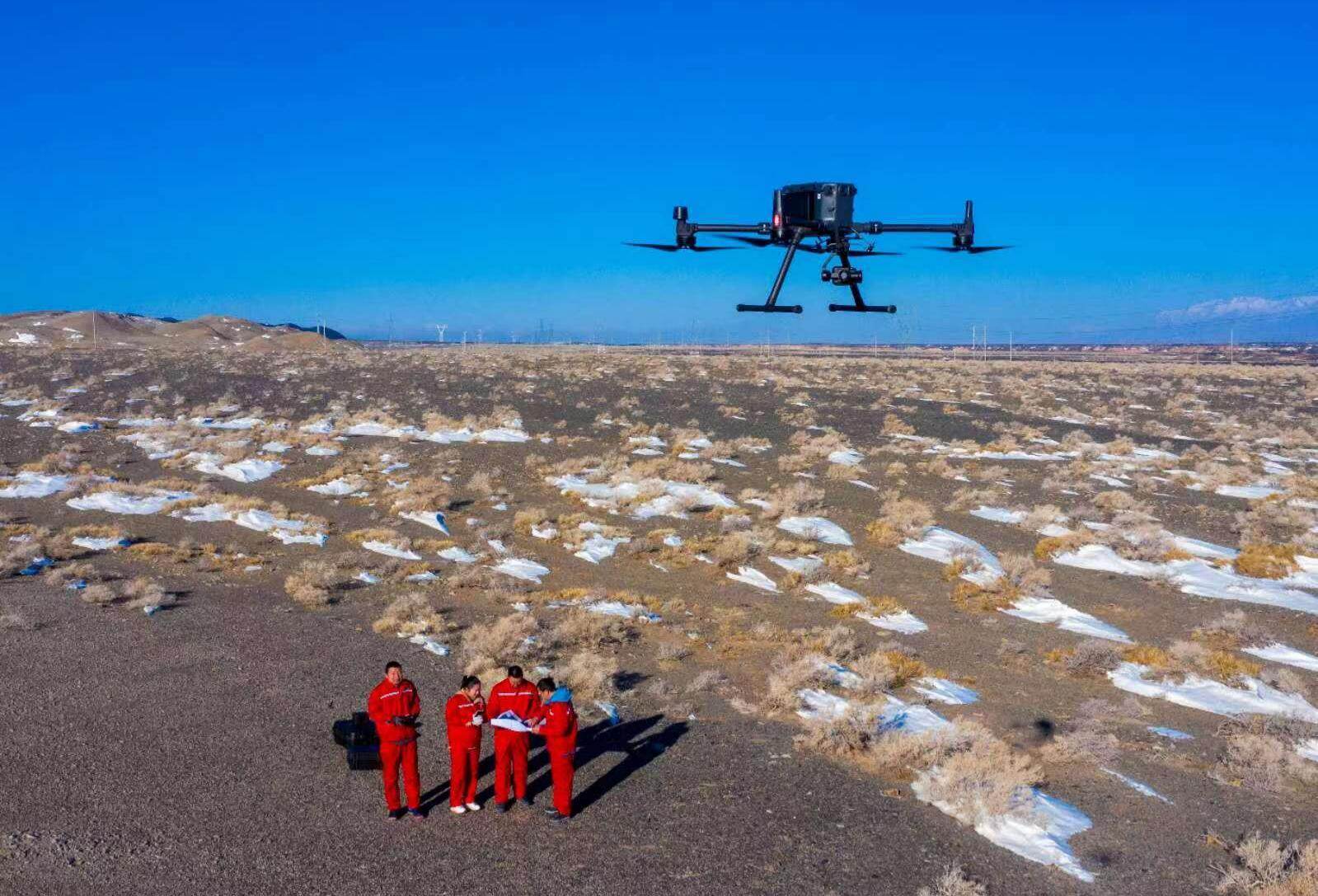
The project will widely apply modern methods such as aerogeophysical surveying, remote sensing technology, geochemical exploration, and deep digital data processing. Technicians are preparing for aviation geophysics and field operations, including geochemical sampling, trench and pit excavation. After the field work is completed, preliminary laboratory analysis will be conducted on the samples to ensure data accuracy.
In addition to solid mineral resources, Kazakhstan also plans to simultaneously promote oil and gas exploration. According to the plan, the country will launch six seismic exploration projects, targeting the Chu Saresu Basin and the North Tolgai Sedimentary Basin. These two basins belong to areas with low research level but high oil and gas potential. The key task in the future is to evaluate their oil and gas resource scale and development prospects.
The strategic ambition behind 240 billion tenge
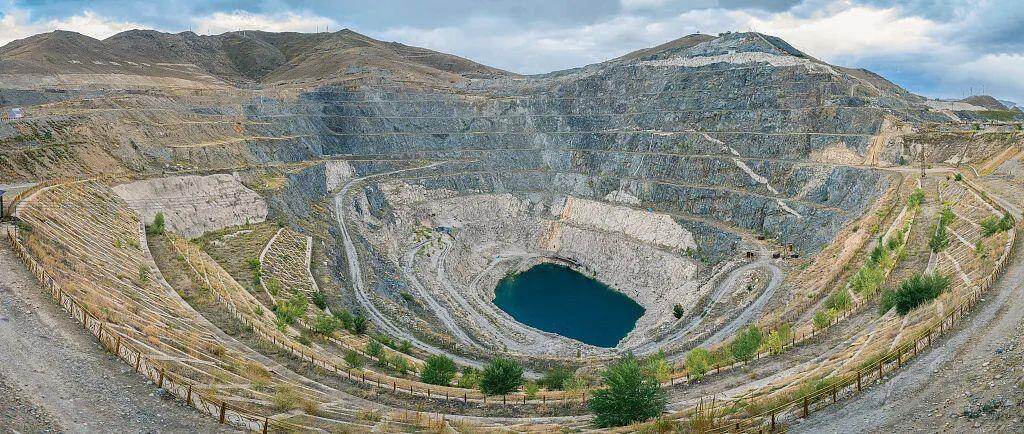
In the next three years, Kazakhstan plans to invest a total of 240 billion tenge (approximately 500 million US dollars) in the field of geological exploration. Behind this huge investment is Kazakhstan's ambition to reshape its position in the global key mineral supply chain.
With the significant decline in existing resource reserves and the lack of active mineral rights holders in some areas, Kazakhstan urgently needs to discover new resource bases through systematic exploration. The focus of this exploration is on areas with potential for copper, gold, lead, zinc, rare and rare earth metals, aiming to provide a new foundation for the continuation of national mineral resource reserves and mining development.
The government of Kazakhstan has clearly stated that the results of this exploration will provide a basis for subsequent mining rights transfer and mining investment. For global mining investors, this means that in the coming years, Central Asia may release more new mining opportunities. With the formation of high-quality geological data, a number of mining projects with industrial development potential are brewing.
According to the plan, all 26 geological projects mentioned above will be completed before 2028. At that time, the level of geological research in Kazakhstan will be greatly improved, and a brand new resource map will be presented to the world.Editor/Yang Meiling
Comment




 Praise
 Collect
 Comment

 Share
Share


Write something~