 Search


- Kyrgyzstan's Ministry of Energy announces plans to build a new 120 MW cogeneration power plant
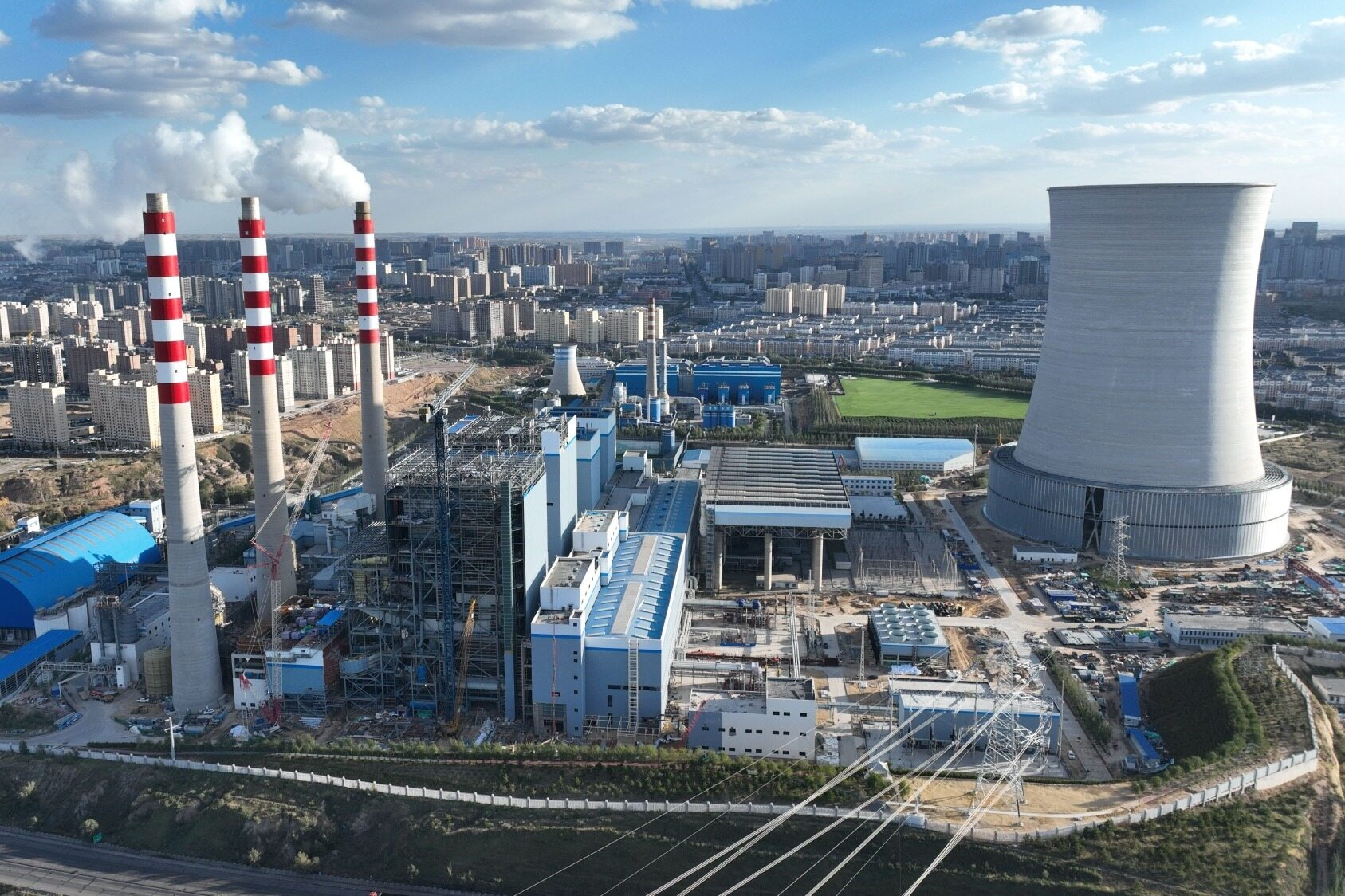
In the early morning of Karakol City, a cold wind swept through the streets on the east bank of Lake Issyk Kul, and residents hurriedly rushed to their work posts wrapped in their jackets. In this city, located nearly 400 kilometers from the capital city of Bishkek, electricity supply has always been a concern for every household. A news released by the Kyrgyzstan Ministry of Energy has caused a stir in this small town - a 120 MW cogeneration plant is about to be built here, completely rewriting the local energy landscape.

New energy landmark by Lake Issyk Kul
Energy Minister Talebek Ibrahim recently visited Karakol city for on-site inspection and finalized the planning scheme for the cogeneration plant. This power plant with a considerable total investment scale will be located in the core area of Issyk Kul, and after completion, it will be connected to the national power grid through the Przewalsk substation. Ibrayev made it clear during the inspection that the new power plant will fully meet the electricity demand of Karakol city, which means that this city, which has long faced power supply pressure, will have stable energy security. As a famous tourist destination in Kyrgyzstan, Issyk Kul attracts a large number of tourists every year, and the improvement of its power infrastructure will inject strong impetus into the local tourism industry and economic development.
A year of comprehensive acceleration in energy construction
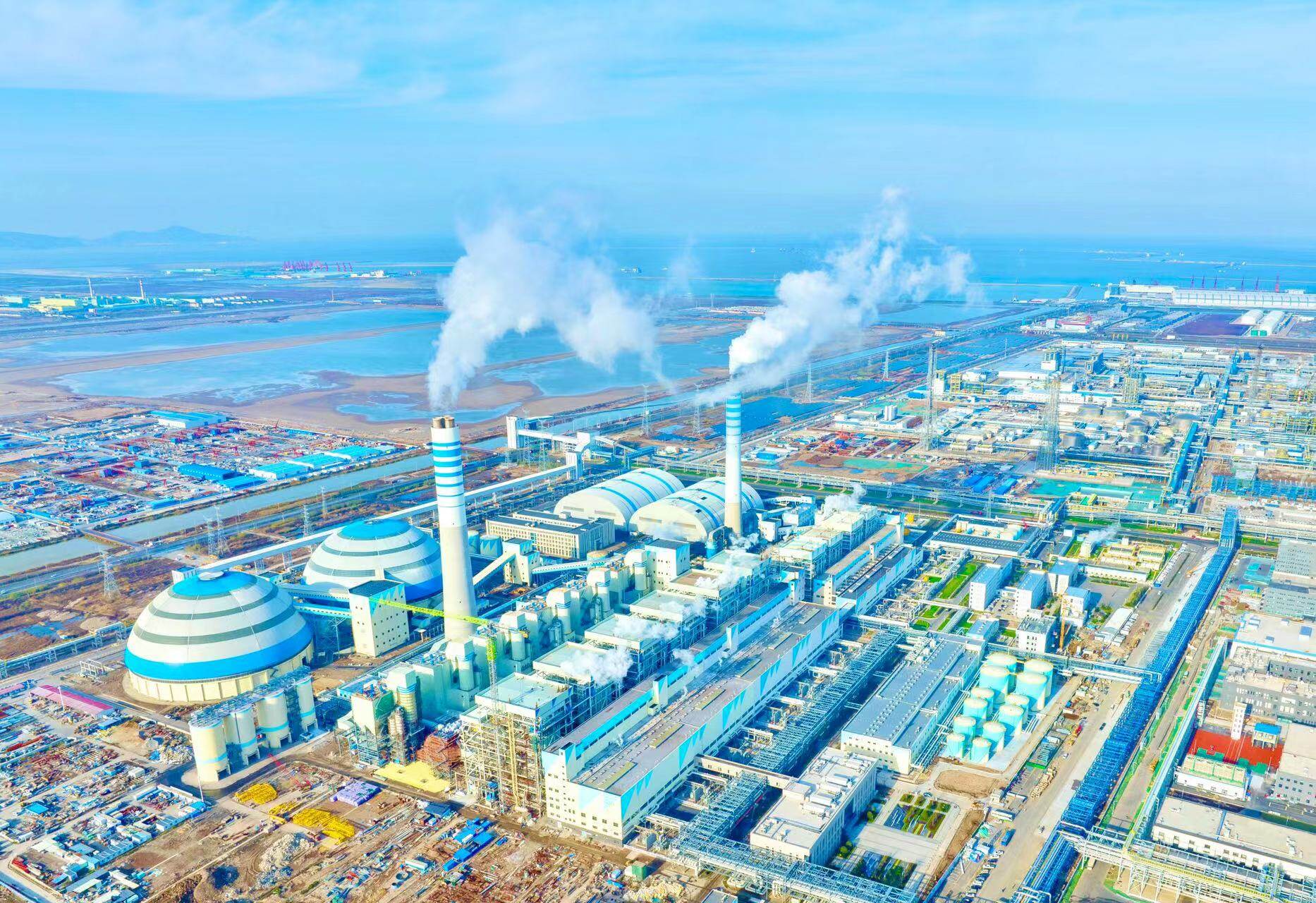
At the beginning of 2026, Kyrgyzstan's energy sector will experience an unprecedented construction boom. Looking back at 2025, the Karakol hydropower station (21 MW) has been successfully completed and put into operation; Multiple wind power projects have been connected to the grid for power generation, with a total planned capacity of 100 MW. The first phase of 50 MW has been connected to the State Grid; The Karakur hydropower station (18 MW) is also scheduled to be completed and put into operation in the first half of 2026. The rapid progress of this series of projects demonstrates Kyrgyzstan's firm determination to solve the problem of power shortage. It is worth noting that Chinese companies represented by Dongfang Electric Group have been deeply involved, providing key equipment support such as generator sets and transformers for related hydropower projects. The total contract amount exceeds 30 million US dollars, becoming a strong witness to China Kyrgyzstan energy cooperation.
The leap from self-sufficiency in electricity to export
Kyrgyzstan is accelerating the construction of energy infrastructure, driven by profound practical reasons. For a long time, this mountainous country has been plagued by power shortages during the peak winter electricity consumption period, and ensuring electricity for people's livelihoods has always been a top priority for the government. Through diversified layouts of hydropower, wind power, and cogeneration, Kyrgyzstan is gradually building a stable and reliable energy supply system. The more profound significance lies in the fact that with the improvement of domestic self-sufficiency in electricity, Kyrgyzstan is expected to achieve electricity exports through the CASA-1000 project, transforming energy advantages into economic benefits. This power corridor connecting Central Asia and South Asia will open up new development space for Kyrgyzstan. Keywords: news and information on infrastructure projects, cogeneration power plants
For Chinese companies, the window of opportunity for the energy market in Kyrgyzstan has opened. The demand for equipment sales, engineering services, technical cooperation and other fields continues to grow, and the key is to deepen local cooperation, familiarize oneself with local policies and regulations, and attach great importance to compliant operations and localized development. With the construction of power stations, the picture of China Kyrgyzstan energy cooperation is slowly unfolding. Editor/Gao Xue
Comment




 Praise
 Collect
 Comment

 Share
Share


Write something~