 Search


- China Kazakhstan agricultural cooperation is upgrading from "point-to-point" to "hub to hub"
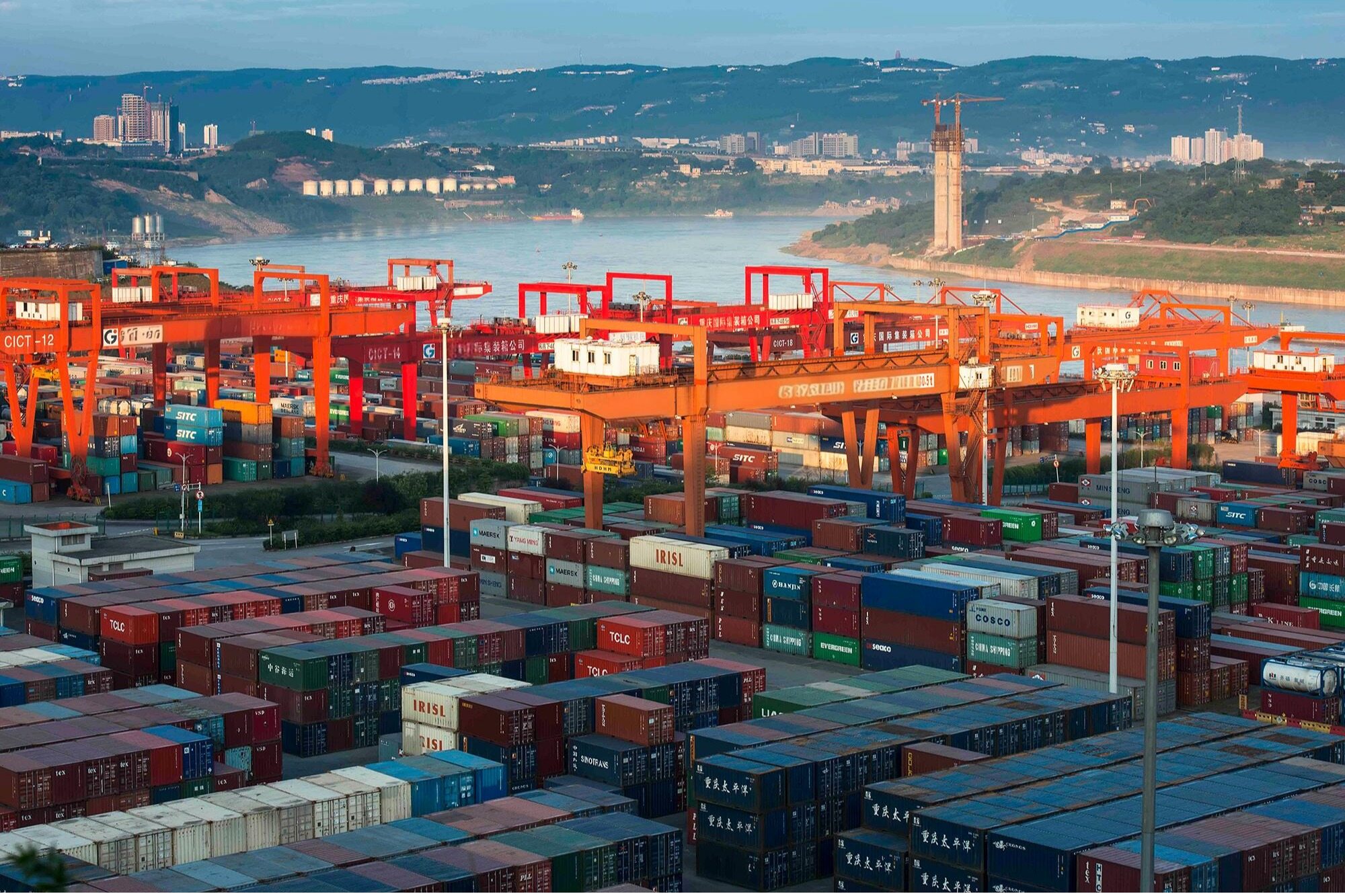
In the vast black land of Akmola, Kazakhstan, the harvested wheat waves are waiting for a more efficient "sea going" channel. On March 6, 2026, a high-level meeting in Astana brought new vitality to this land. The National Railway Company of Kazakhstan (KTZ) and the China SPSI Cloud Management Committee have officially finalized the details of cooperation on agricultural product logistics hubs. A "super hub" covering an area of 40 hectares with an annual throughput of over one million tons is about to be built, becoming a landmark project in China Kazakhstan agricultural and logistics cooperation.
40 hectare hub landing
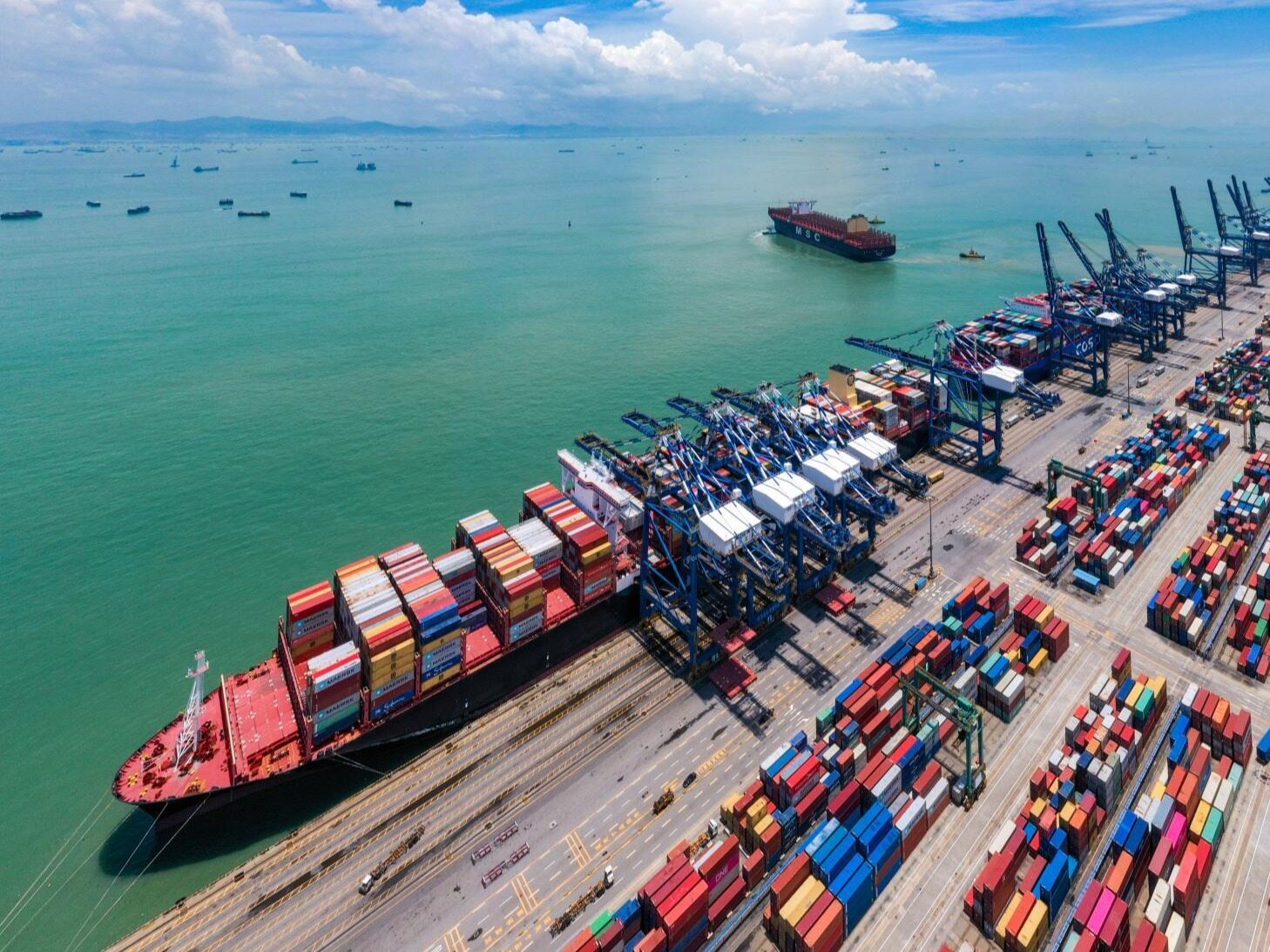
Both parties rely on the strategic cooperation between KTZ subsidiary Kedentrans service and Chinese enterprises to jointly promote this major project. The hub covers an area of 40 hectares and is equipped with integrated facilities for containers, railways, and warehousing. With an annual cargo throughput of over 1 million tons, it will provide agricultural product warehousing, integration, and container train grouping services.
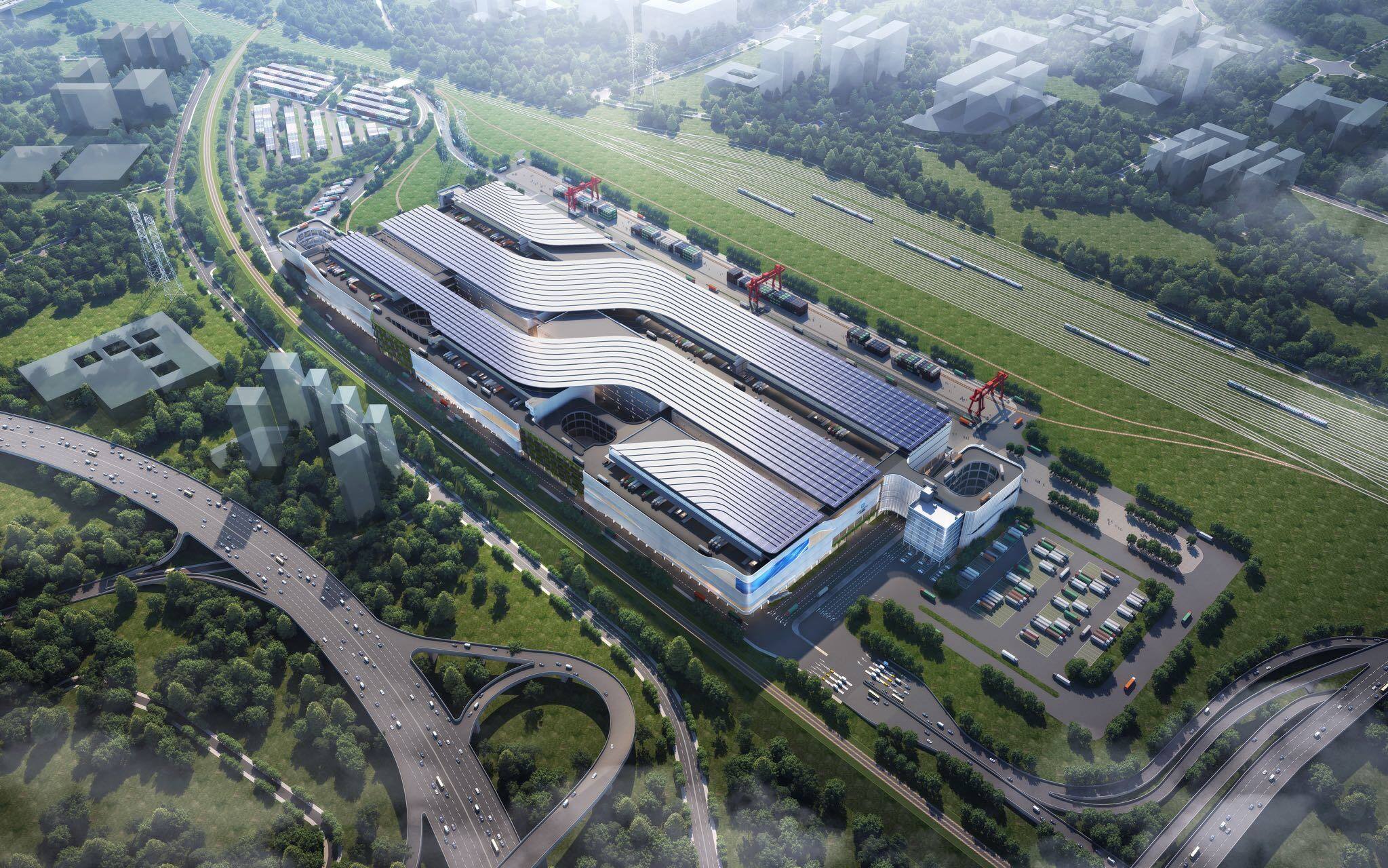
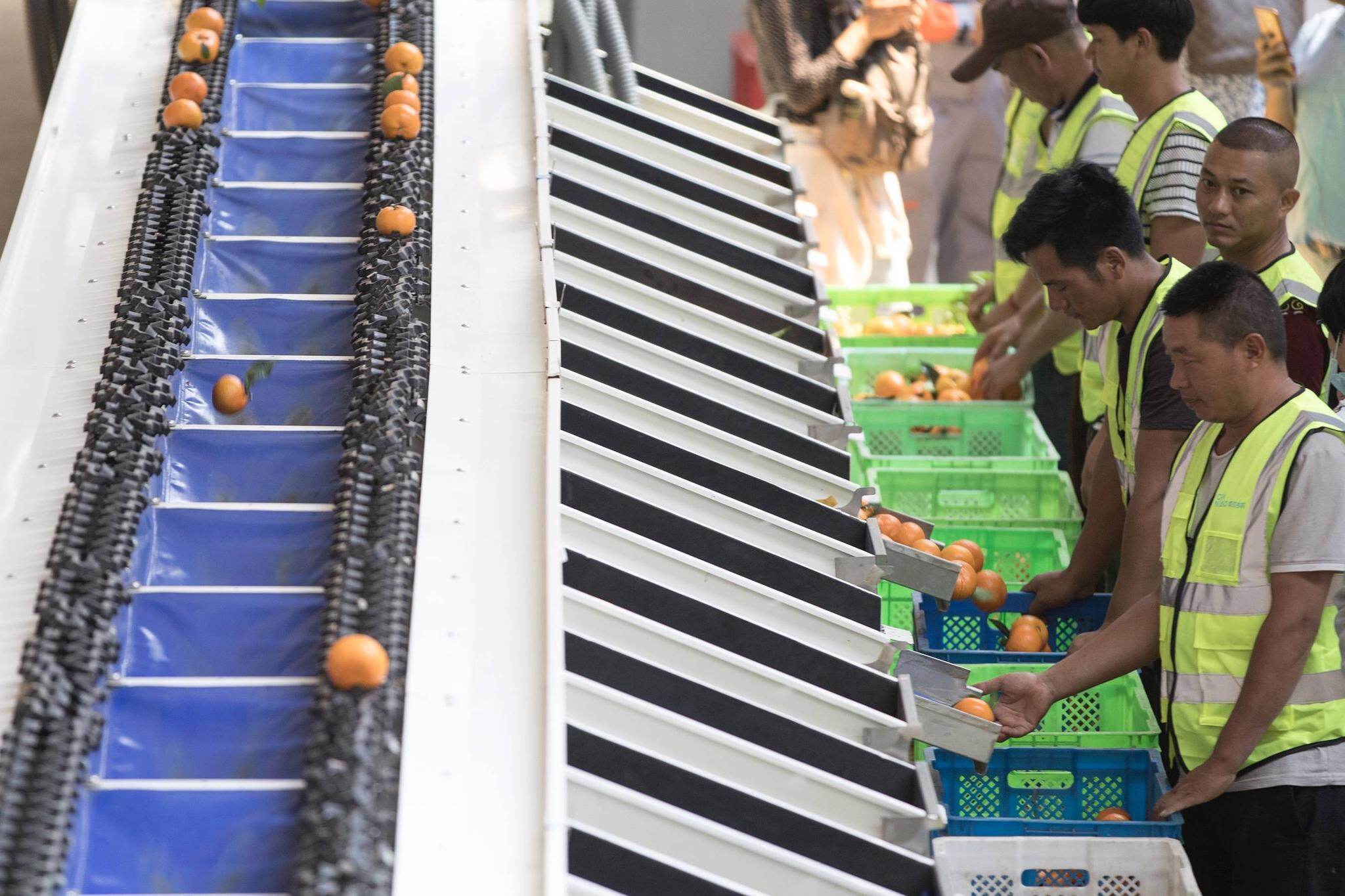
During the project construction period, 500 jobs will be created, and approximately 100 formal jobs will be provided after it is put into operation, which will greatly strengthen the core position of Akmola region as a hub for Kazakhstan's agricultural product exports. At the same time, both sides are also exploring the connection between Sichuan and Chengdu, aiming to expand the logistics channel between China and Kazakhstan in the western region, and enable high-quality agricultural products from Kazakhstan to enter the Chinese western market more smoothly.
Channel upgrade drives agricultural trade quality improvement
Cross border trade of agricultural products in Central Asia continues to grow, but traditional logistics models have pain points such as multiple links, low efficiency, and high cargo damage. China and Kazakhstan have initially achieved rapid customs clearance and direct transportation of agricultural products through the China Europe freight train and cross-border green channel.
The construction of this hub is in line with the urgent needs of both countries to improve cross-border multimodal transportation and stabilize the supply chain of food and agricultural products. By building specialized logistics nodes, it will effectively help upgrade trade channels towards efficiency and diversification, reduce intermediate links, lower transportation costs, and enhance the overall competitiveness of agricultural product trade.
Tiegongji linkage deeply cultivates the western region
KTZ uses the railway network as its backbone and collaborates with the Chinese side to create specialized agricultural product logistics nodes, further improving the cross-border logistics landscape. Chinese companies are using Sichuan and Chengdu as pivot points to build a direct logistics corridor from Kazakhstan to western China.
Both parties aim to build a stable and sustainable cross-border logistics chain through hub construction and resource integration. This not only deepens the economic, trade, and agricultural cooperation between China and Kazakhstan, but also brings Chinese consumers a richer and higher quality selection of Central Asian agricultural products, achieving mutual benefit and win-win results.Editor/Yang Meiling
Comment



 Praise
 Collect
 Comment

 Share
Share


Write something~