 Search


- With the official production of the Simandou iron mine, Guinea is transitioning from a resource rich country to an industrial powerhouse
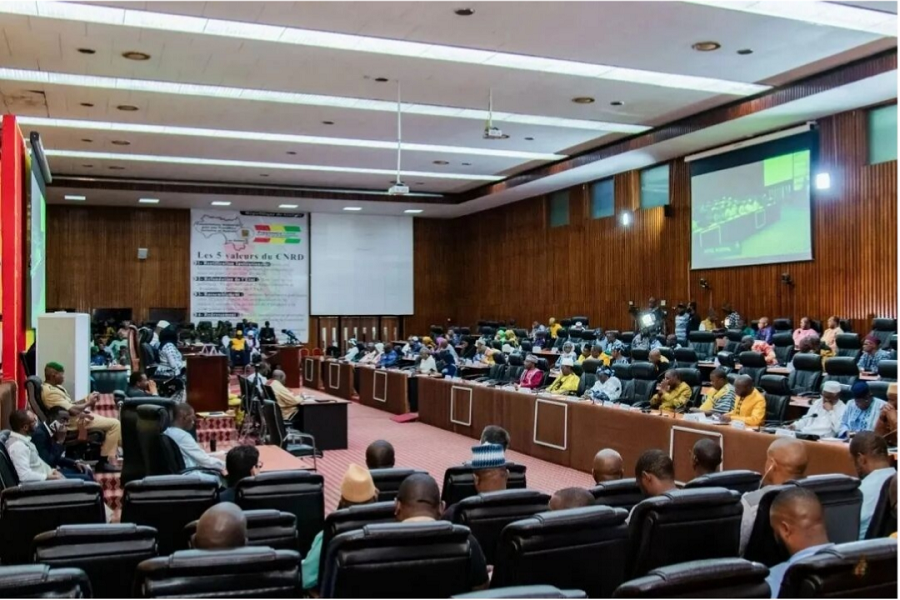
On March 5, 2026, Conakry, the capital of Guinea. In the conference hall of the National Transitional Council (CNT), as the hammer of approval fell, a grand blueprint called "Simandou 2040" was officially endorsed by law. This plan not only carries the expectations of the people of Guinea for the future, but also affects the nerves of the global iron ore market.
15 year blueprint replaces temporary plan
The National Transitional Council of Guinea has officially reviewed and passed two core legal documents: the 2026-2040 Planning Law and the 2026-2030 Planning Law. These two documents have now become the legal basis for the "2040 Simandou Sustainable and Responsible Socio Economic Development Plan", completely replacing the Temporary Reference Plan (PRI) implemented from 2022 to 2025.
The relevant authorities in Guinea have stated that this is an important step in implementing national development policies. The plan is based on an ambitious implementation framework, divided into three main stages: the accelerated promotion period from 2025 to 2030, the diversification period of local processing industries from 2030 to 2035, and the consolidation period of international influence by 2040.

122 projects leverage economic transformation
The "Simandou 2040" plan includes 122 large-scale projects, requiring a total investment of over 200 billion US dollars. This massive funding scale aims to achieve sustainable transformation and diversified development of the national economy, improve people's well-being, and enhance Guinea's competitiveness on the regional and international stage.
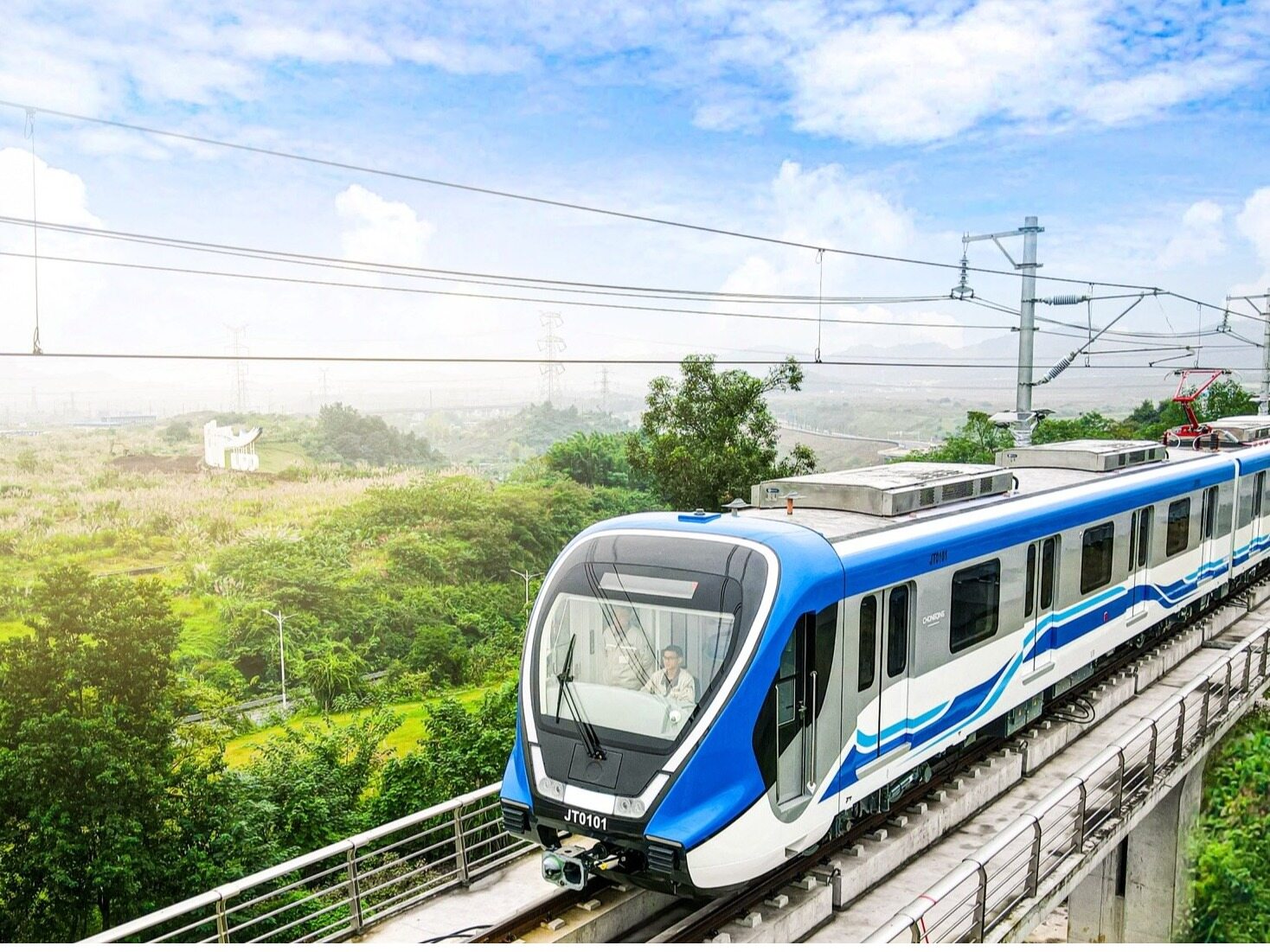
Among them, the first phase (2025-2030) serves as an accelerated promotion period, with a focus on investing in infrastructure, energy, agriculture, education, and tourism industries, with an investment amount exceeding 65 billion US dollars. The successful implementation of this stage will lay a solid foundation for the subsequent industrial upgrading.

Building a modern economic system
The 2040 Simandou Plan revolves around five strategic pillars aimed at guiding the country's economic and social transformation. These five pillars include: agriculture, food industry, and trade; Education and culture; Infrastructure, transportation, and technology; Economics, finance, and insurance; Health and well-being.
Guiba Diakit, Director of the Office of the President of Guinea, said, "With the passage of the 2026-2040 Master Plan Law and the 2026-2030 Plan Law, the 2040 Simandou Plan has been established, and Guinea has taken a decisive step in accelerating its economic and social transformation." He called on all institutions, technological and financial partners, as well as domestic and foreign investors, to jointly support this grand vision.Editor/Yang Meiling
Comment

 Praise
 Collect
 Comment

 Share
Share


Write something~