 Search


- China Africa pragmatic cooperation in infrastructure, energy and other fields, helping Africa cultivate endogenous growth drivers
- The coordinated promotion of digitalization, green energy, and regional integration in Africa unleashes development vitality in multiple fields

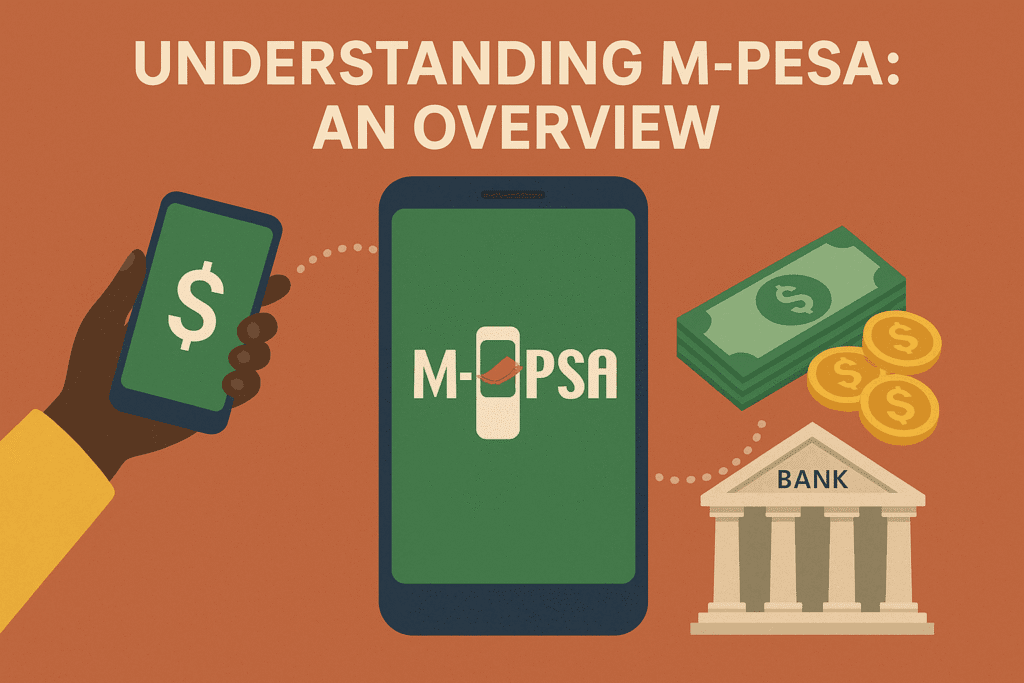
The life of rural Kenyan farmer Kiprono has undergone significant changes due to convenient digital financial services. He can complete transfer, payment and other operations with the help of M-Pesa mobile platform, without having to rush to the bank. This comprehensive digital financial service covering multiple countries with over 51 million users has become a typical representative of the development of digital inclusive finance in Africa, and digital transformation is injecting strong momentum into Africa's economic growth.
The latest report from the IMF analyzes that in the face of rising global economic uncertainty, African countries continue to deepen reforms, promote industrial upgrading and regional integration, and continuously cultivate endogenous growth drivers. The African economy is expected to demonstrate robust resilience by 2025, with growth rates projected to exceed 4% in 2026, surpassing the global average.
The core region with the fastest global economic growth
In recent years, African countries have accounted for half of the top 20 economies in terms of global growth rate. The African Development Bank's "Africa Economic Outlook 2025" points out that by 2026, Africa will still be the region with the highest concentration of high growth economies in the world, and some countries are expected to achieve double-digit economic growth. The report shows that Africa's economic growth rate is expected to be around 4.2% in 2025, and is expected to slightly increase to 4.3% in 2026; The Economist Intelligence Unit predicts that 13 African countries will have a growth rate exceeding 6% by 2026.
The continuous optimization of sovereign debt levels provides support for macroeconomic stability in Africa. The median public debt to GDP ratio of African countries has decreased from 66.3% in 2023 to 65.5% in 2024, and is expected to remain below 65% from 2025 to 2026. The regional average inflation rate will also fall from 13.7% in 2025 to 10.3% in 2026, creating favorable conditions for prudent fiscal and flexible monetary policies.
From a regional perspective, East Africa and West Africa lead the economic growth in Africa. Thanks to increased investment and continuous improvement of agricultural and energy infrastructure, the economic growth rate of East Africa is expected to reach 6.2% in 2026. West Africa is accelerating its economic transformation, with structural reforms, energy development, renewable energy projects, and key mineral investments becoming core growth drivers. The medium - to long-term development momentum is sufficient, and countries such as Senegal, Guinea, Cote d'Ivoire, and Ghana are expected to achieve growth rates exceeding 6% by 2026.
Southern Africa's development is relatively slow, with issues such as power shortages, poor logistics, and structural unemployment constraining its economic potential. South Africa and other countries are facing significant pressure on exports and investment due to high domestic interest rates and the imposition of tariffs by the United States. With the advancement of internal structural adjustments, the economies of Southern Africa are expected to experience a moderate recovery in the second half of 2026, driving regional growth.
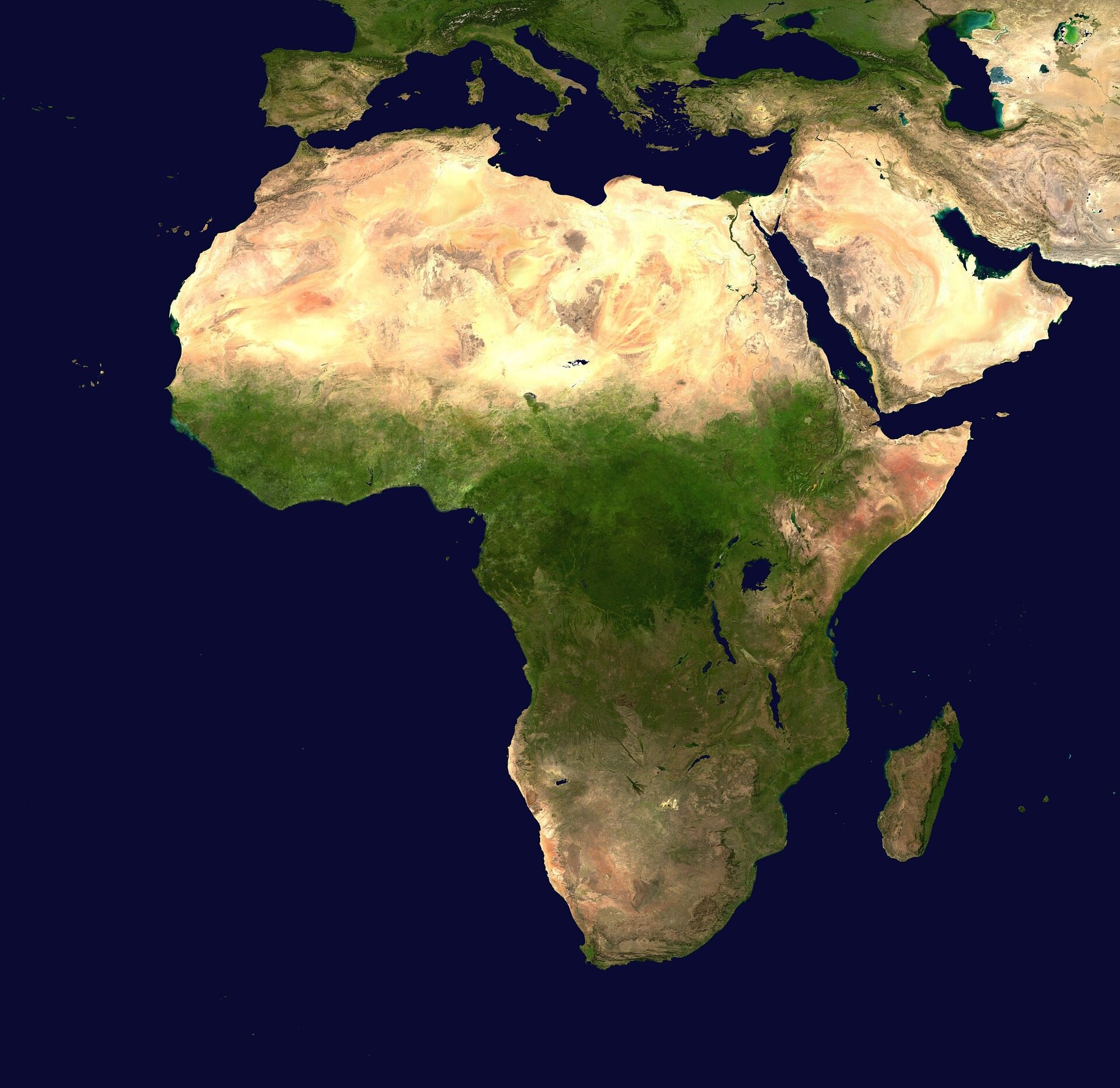
The IMF also reminds that some African countries still face significant growth challenges. Resource based economies such as Angola and Nigeria overly rely on oil and gas exports, making their fiscal and foreign exchange reserves vulnerable to fluctuations in international oil prices; Niger, Mali and other Sahel countries are plagued by geopolitical conflicts, deteriorating investment environments, and significant impacts on people's livelihoods and economic and trade activities.
Collaborative development across multiple fields and industries showcases vitality
African countries are actively tapping into their economic growth potential, with various fields and industries working together in synergy, and development vitality constantly emerging. Former President of the African Development Bank, Akinwumi Adesina, pointed out that the popularization of digital technology, the development of green energy, and regional economic integration are becoming important drivers of economic growth in Africa.
According to data from the Global System for Mobile Communications Association, the number of active mobile payment accounts in sub Saharan Africa has exceeded 800 million, and the coverage of basic financial services continues to expand. The digital transformation is driving the economic development of Africa, and the e-commerce market is growing rapidly. Since 2014, the average annual growth rate of e-commerce users in Africa has been about 18%, far exceeding the global average. By 2025, the user base will be about 518 million, and the market size is expected to reach 84 billion US dollars by 2030. Under the guidance of the African Union's digital transformation strategy, Africa strives to establish a secure and standardized digital single market by 2030, achieving free flow of services, capital and other factors.
To address energy constraints, many African countries are accelerating the layout of green energy projects and transforming resource advantages into development momentum. South Africa launches a renewable energy procurement plan, aiming to attract significant investment and add new photovoltaic and wind power installations by 2030; Ethiopia is actively developing biomass and geothermal energy while developing hydropower and wind power; Morocco has launched a national hydrogen energy strategy, aiming to occupy a certain share of the global green hydrogen market by 2030 and build a green energy export center for Europe.
The process of regional integration in Africa is steadily advancing, and the construction of free trade zones on the African continent has achieved significant results. 48 countries have completed the approval of agreements, and the implementation of tariff reduction and transfer rules is accelerating. The United Nations Economic Commission for Africa predicts that exports and cross-border trade within the African region will significantly increase by 2045. Countries are leveraging their population and unified market advantages to cultivate endogenous growth drivers. At the same time, economic, trade, and investment cooperation between Africa and major economies around the world is steadily advancing, and practical cooperation between China and Africa continues to upgrade. There is vast space for cooperation in areas such as digital economy and green energy, providing strong support for regional economic development.
The scale of China Africa trade has exceeded 300 billion US dollars for the first time
In December 2025, about 1 ton of Benin sweet bread pineapple arrived in Changsha, Hunan Province via cargo flights, marking the official entry of this variety into the Chinese market. Over the past two years, from the signing of admission agreements to the landing of the first batch of orders, it has fully demonstrated the practical effectiveness of China Africa trade facilitation.
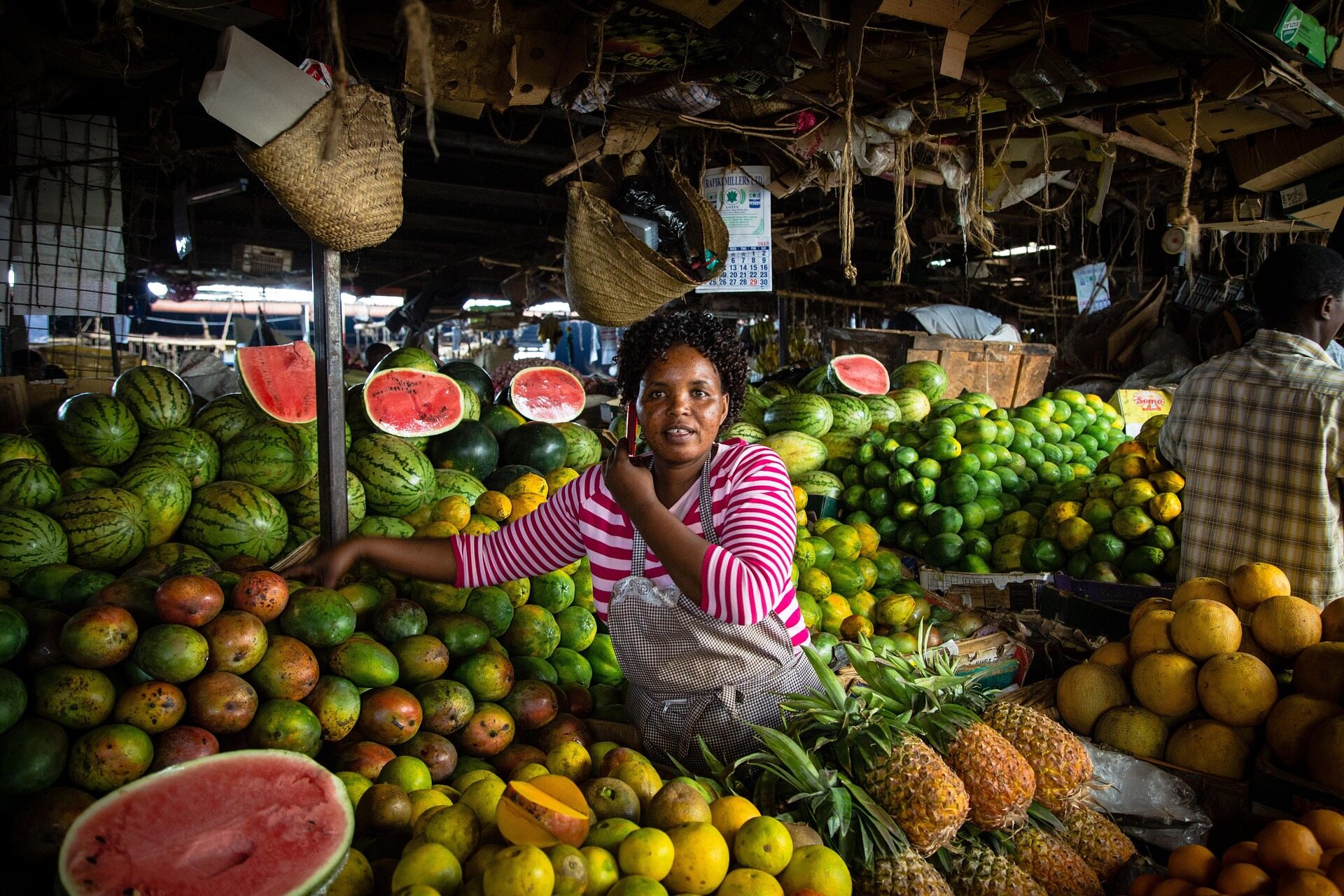
Nowadays, many African specialty agricultural products such as Ugandan coffee, Rwandan chili, South African avocado, and Zambian honey have entered the Chinese market. China has taken convenient measures such as establishing a green channel for the export of African agricultural products to China, shortening the quarantine process, and expanding the scope of tariff reductions. In June 2025, China announced that it will achieve 100% tariff free products for 53 African countries with diplomatic relations through relevant economic and trade agreements. Data shows that from January to November 2025, the trade volume between China and Africa exceeded 300 billion US dollars for the first time. China has been Africa's largest trading partner for 16 consecutive years, and the bilateral trade structure continues to optimize, with strong cooperation momentum.
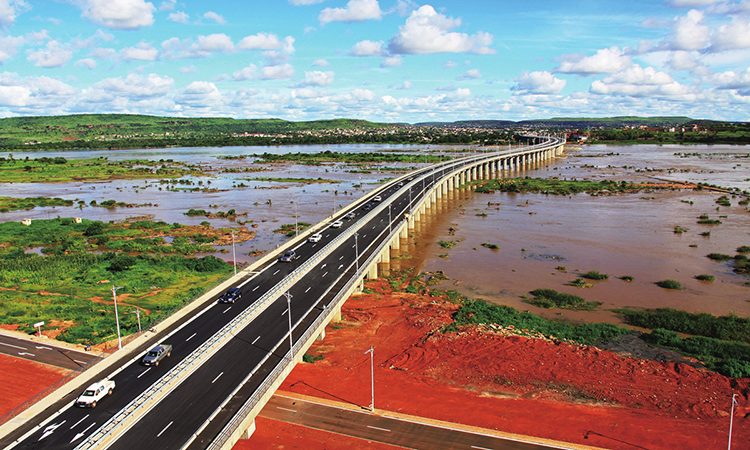
China Africa cooperation continues to deepen in areas such as infrastructure and renewable energy. The completion and opening of the Guinea Bonde Overpass has improved the transportation conditions in Conakry; The activation project of the Tanzania Zambia Railway has been launched, which will assist in the interconnection of railways, highways, and ports in Southeast Africa. The Kekai Hydropower Station in Angola and the Adama Wind Power Project in Ethiopia, which are constructed by Chinese enterprises, effectively alleviate the local electricity shortage. China Africa cooperation is upgrading from engineering construction to operation management, industrial investment, and trade optimization, focusing on practical and localized development, and providing strong support for cultivating endogenous driving forces for the African economy. Keywords: African economy, digital transformation, China Africa cooperation
South African Vice President's Special Economic Advisor, Gadhija Brown, stated that the economic and trade cooperation between Africa and China has a wide coverage and fruitful results, and continues to promote the industrialization and integration process in Africa, injecting strong impetus into the long-term sustainable development of the African economy.Editor/Gong Ziwei
Comment





 Praise
 Collect
 Comment

 Share
Share


Write something~