 Search


- This project will connect the logistics artery of Antwerp Port directly to the Ruhr area of Germany
- Belgium and the Netherlands join forces to restart the Iron Rhine Strategic Corridor and build an efficient railway network connecting North Sea ports with the industrial heart of Germany
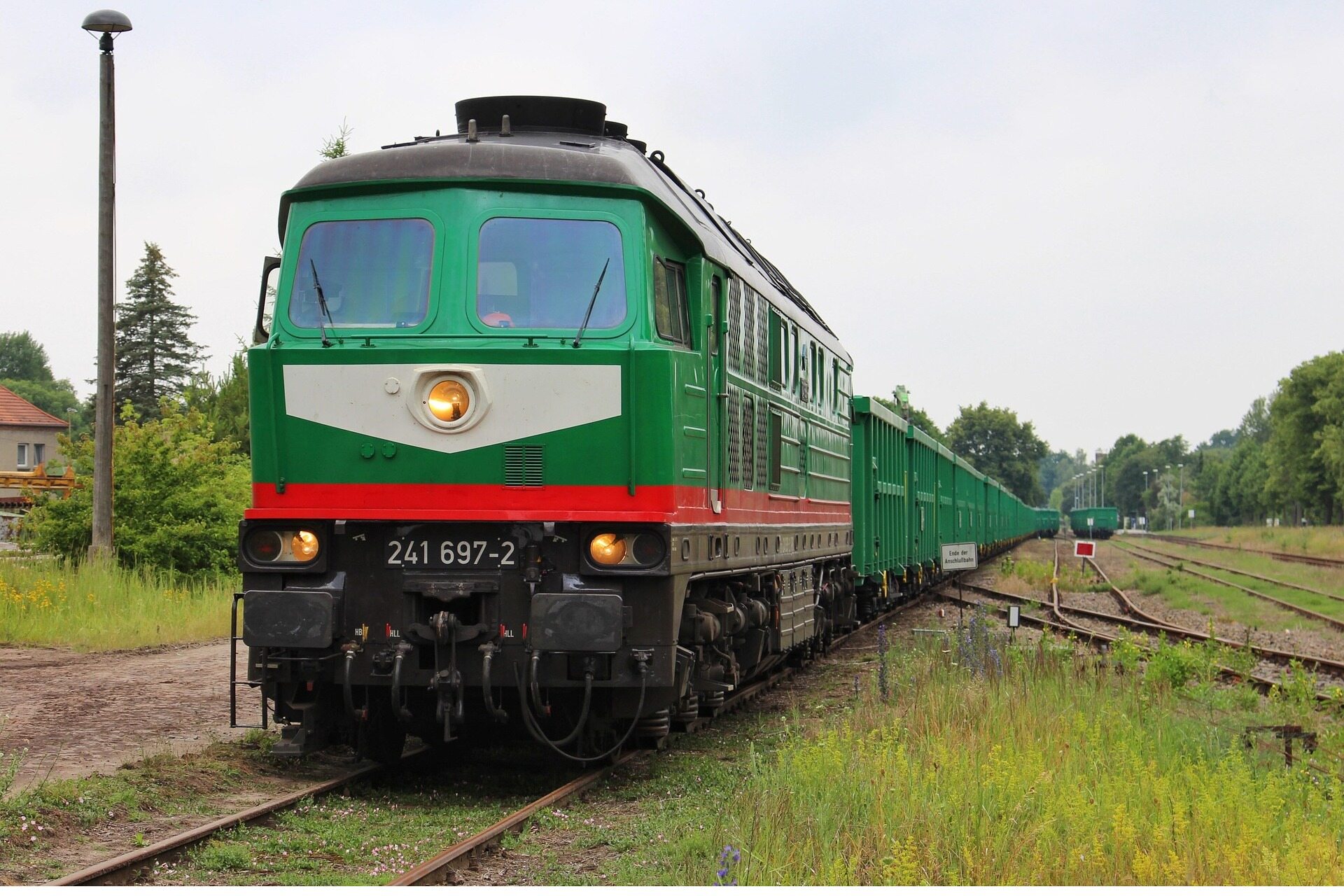
In March 2026, a century old railway alliance between The Hague and Brussels was officially established. Thierry Ardern, Secretary of State for Infrastructure of the Netherlands, and Jean Luc Kluck, Minister of Transport of Belgium, signed a letter of intent in Brussels, announcing that the two countries will restart the "Iron Rhine" freight corridor and comprehensively upgrade the cross-border passenger transport network. This is not only a wake-up call to historical heritage, but also a European logistics restructuring plan with an estimated total investment of over 4.2 billion euros.
Antwerp to Brussels will be shortened to 105 minutes
According to the agreement, the two countries will establish a bilateral working group and hold at least two ministerial level talks each year, with a focus on addressing long-standing differences in track gauge and signal barriers. The cooperation list shows:
The Antwerp Rusendal section will add a third track, with an expected capacity increase of 40% by 2028;
The Amsterdam Brussels route will introduce new Fyra trains, reducing one-way travel time from the current 2 hours and 15 minutes to 1 hour and 45 minutes;
The abandoned Hasselt Maastricht line will initiate feasibility studies and is expected to resume operation before 2030, connecting the dead end road in Limburg province.
3RX New Corridor Avoiding Ecological Red Line
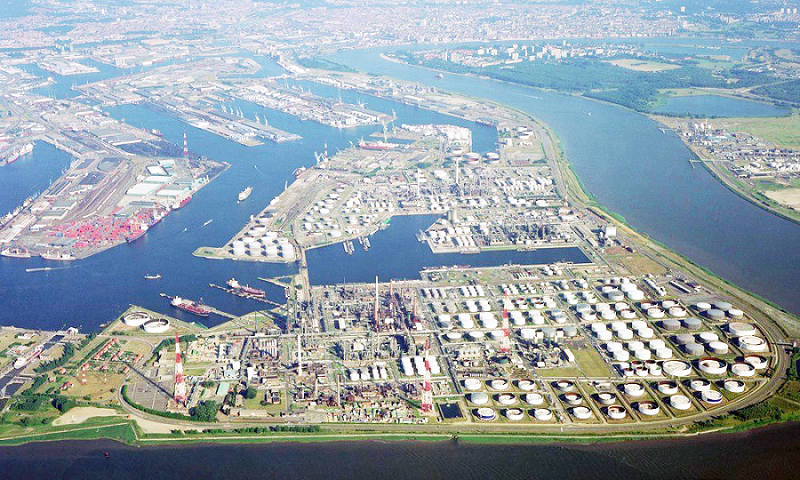
Freight is the core of this cooperation. To alleviate congestion at Antwerp Port (the second largest port in Europe), both sides are pushing for the 3RX Rhine Ruhr railway line. This new corridor will avoid the sensitive Natura 2000 Nature Reserve near Ruhr Mond in the Netherlands and instead cross the Dutch German border through Wenluo, directly connecting to the Ruhr industrial area in Germany. Data shows that after the completion of the route, 650000 heavy trucks can be transferred annually, saving 15% of the collection and distribution costs for Ghent Port in Belgium and Ternes Port in the Netherlands. In addition, the plan to build a new freight dedicated line along the east bank of the Ghent Ternes Canal has also been put on the agenda.
ERTMS Unified Standard
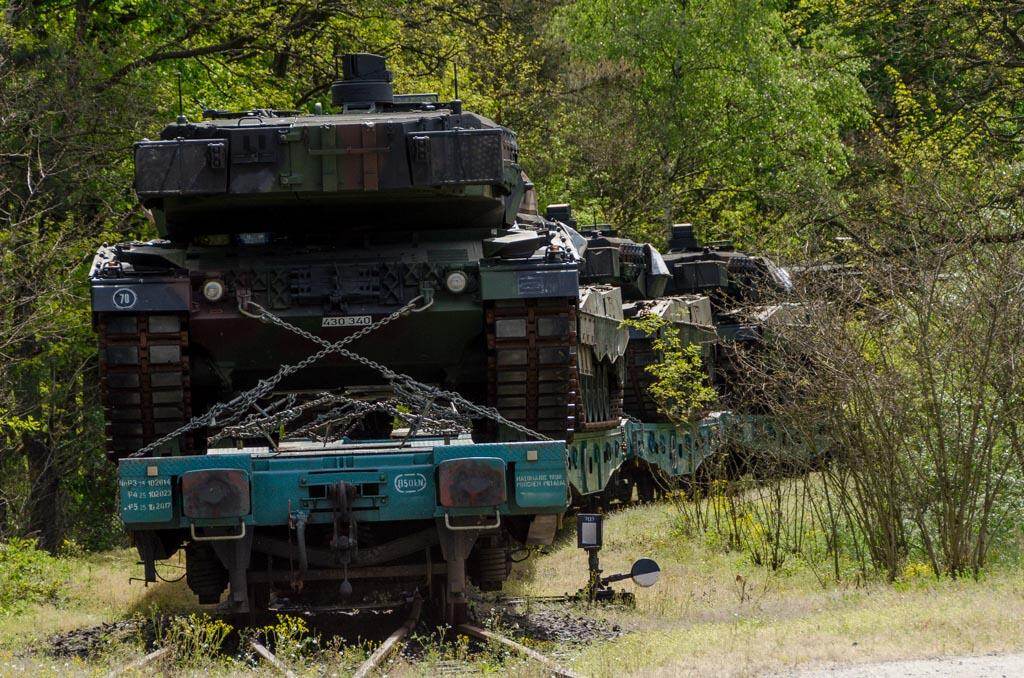
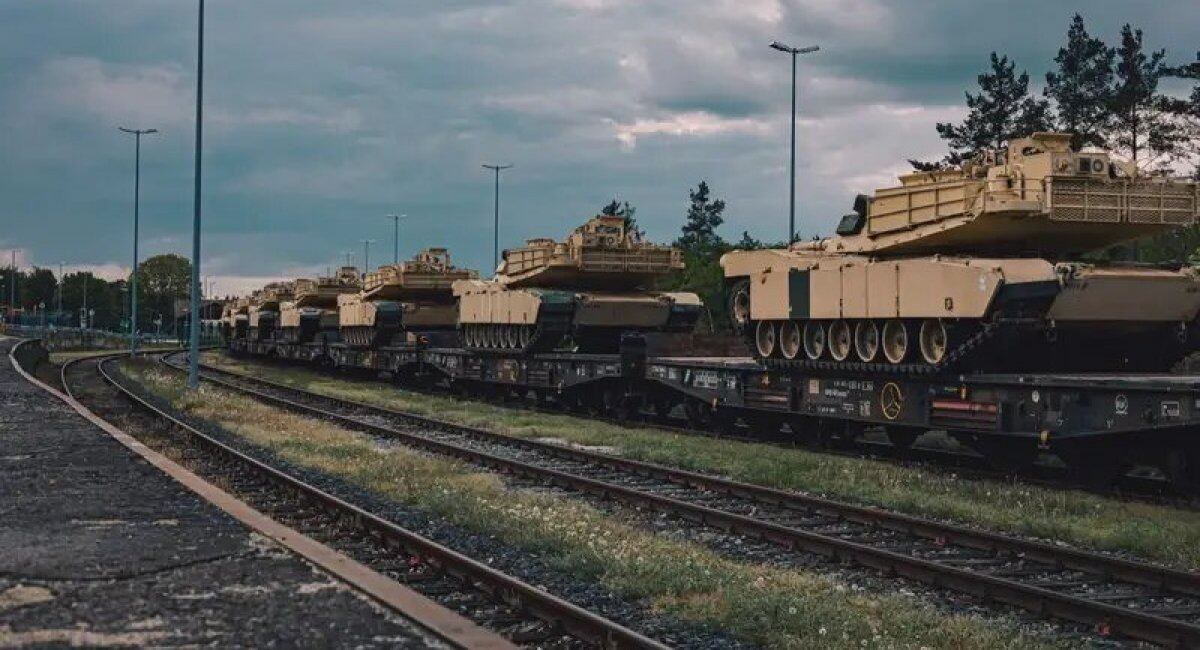
On the technical level, both parties commit to accelerating the deployment and coordination of the ERTMS secondary system, eliminating the bottleneck of cross-border trains having to stop and replace due to different signal systems. At the same time, the agreement also includes a rare provision to enhance military transportation capabilities in response to the strategic delivery needs of NATO's eastern wing. Keywords: international news, infrastructure projects, railway construction
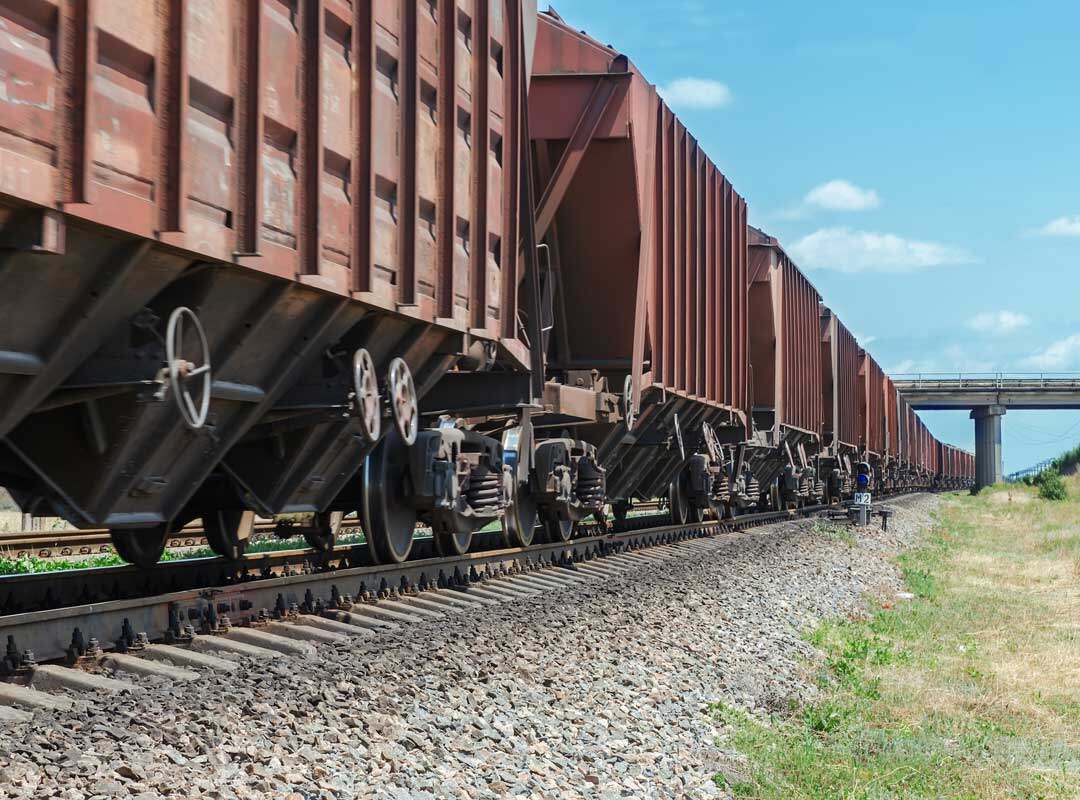
With the advancement of this package plan, a steel road connecting North Sea ports with the industrial heart of Germany is accelerating on the plains of Western Europe.Editor/Cheng Liting
Comment


 Praise
 Collect
 Comment

 Share
Share


Write something~