 Search


- On May 11, 2026, the construction of the Huangbai Railway achieved a double milestone breakthrough
- After completion, it will become the most convenient sea freight channel for Sichuan and Guizhou to go south to the Beibu Gulf
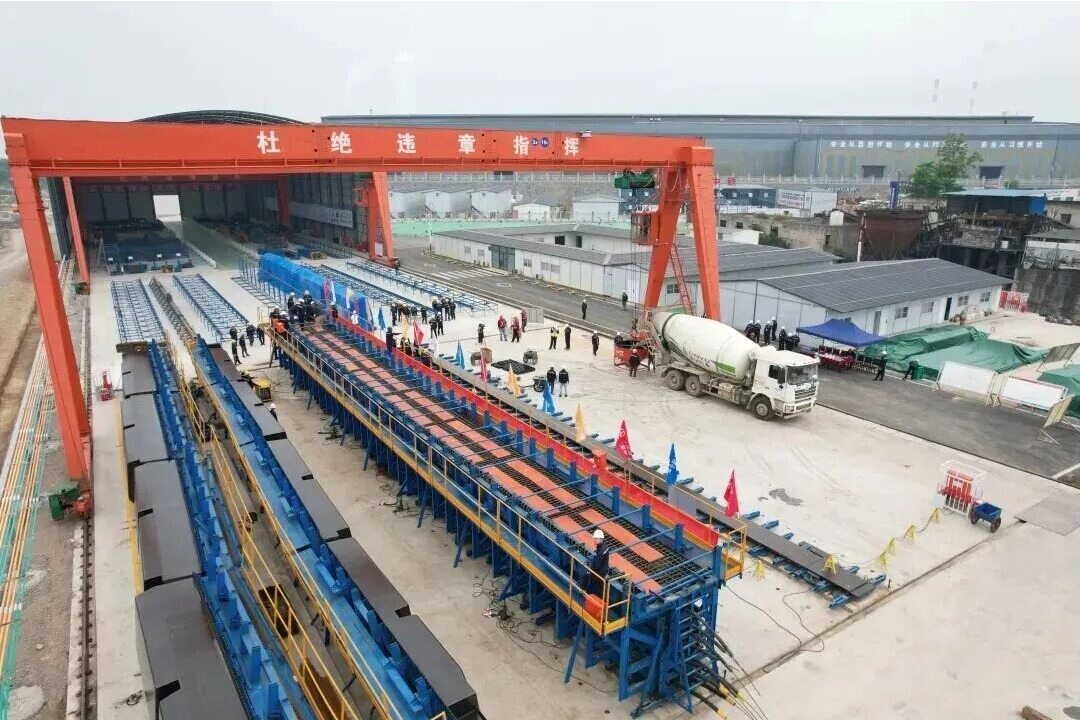
May 11, 2026, is a day of double happiness for railway builders deep in the mountains of Anshun, Guizhou. In the morning's beam making yard, concrete had just been injected into the mold for the first hole T-beam; In the depths of the tunnel in the afternoon, the smoke and dust from the last explosion had not yet dissipated. This' construction 'and' connectivity 'marks the key control project of the Western Land Sea New Corridor - the Huangbai Railway, which has officially entered the final sprint stage.
Double Victory in One Day
At around 12:00 on May 11th, at the Anshun beam making yard in Guizhou, the first 32 meter long prestressed concrete T-beam of the Huangbai Railway was successfully poured as the last bucket of concrete was poured into the mold. This huge beam weighing about 134 tons opened the curtain for the construction of the upper structure of the entire bridge line.
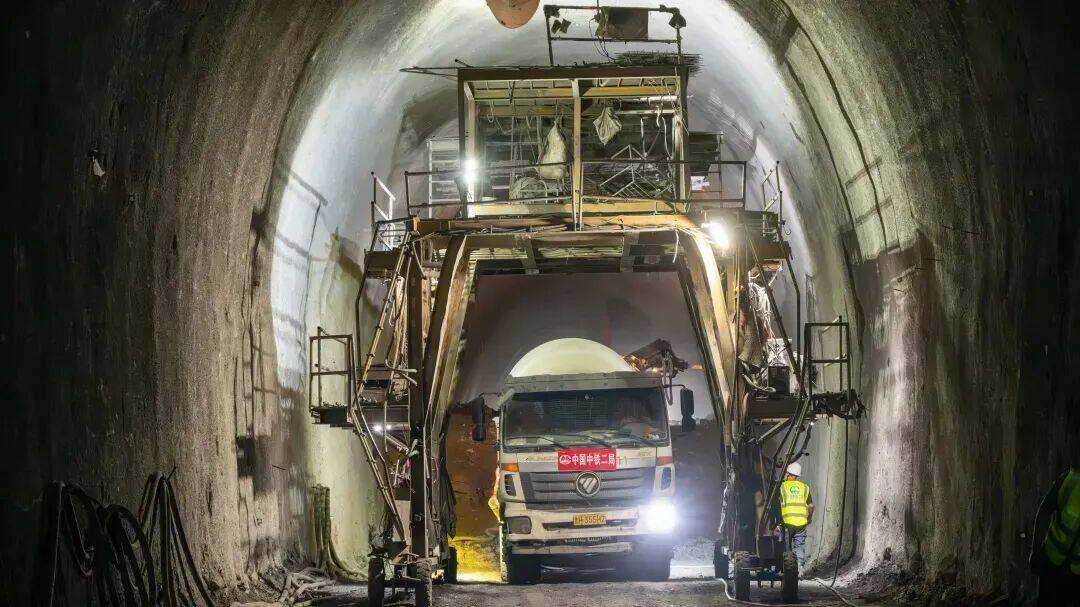
Almost on the same day, around 3:00 pm, a muffled sound came from the Xujiabao Tunnel located in Zhenning Buyi and Miao Autonomous County, Anshun City. With the final blasting completed, the 2546 meter long tunnel was successfully completed. The construction party explained that the tunnel has complex geological conditions and passes through karst development areas and low gas sections, making construction extremely difficult. Its connectivity has opened up key checkpoints for subsequent track laying operations.
The breakthrough of these two nodes on the same day means that nearly half of the projects (roadbed, bridges, tunnels) under the Huangbai Railway Line have been completed, and the construction progress has been pushed to 48%.
Road network puzzle
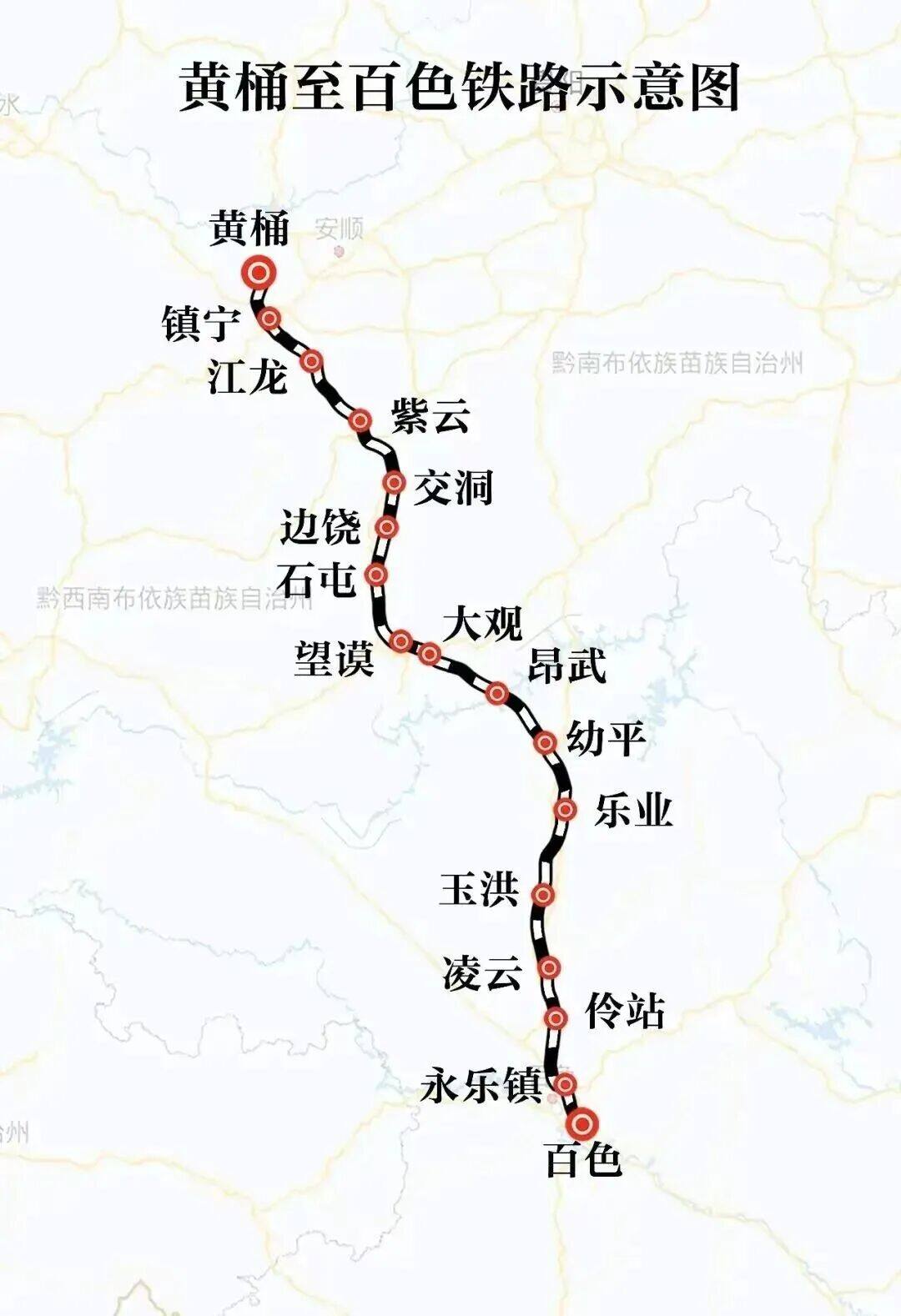
The Huangbai Railway is not an isolated route. It is located in Guizhou and Guangxi, with a total length of about 315 kilometers and a designed speed of 160 kilometers per hour. It is a national first-class single track electrified railway.
From the map, it starts from Huangtong Station on the Shanghai Kunming Railway in the north and connects to Baise Station on the Nankun Railway in the south, like a "connecting pole", linking the two major railway lines in the southwestern hinterland of China. More importantly, it connects with the Longxu section, Xubi section, and Zhihuang section of the Longhuang Railway in the north and extends southward to the mouth of the Beibu Gulf.
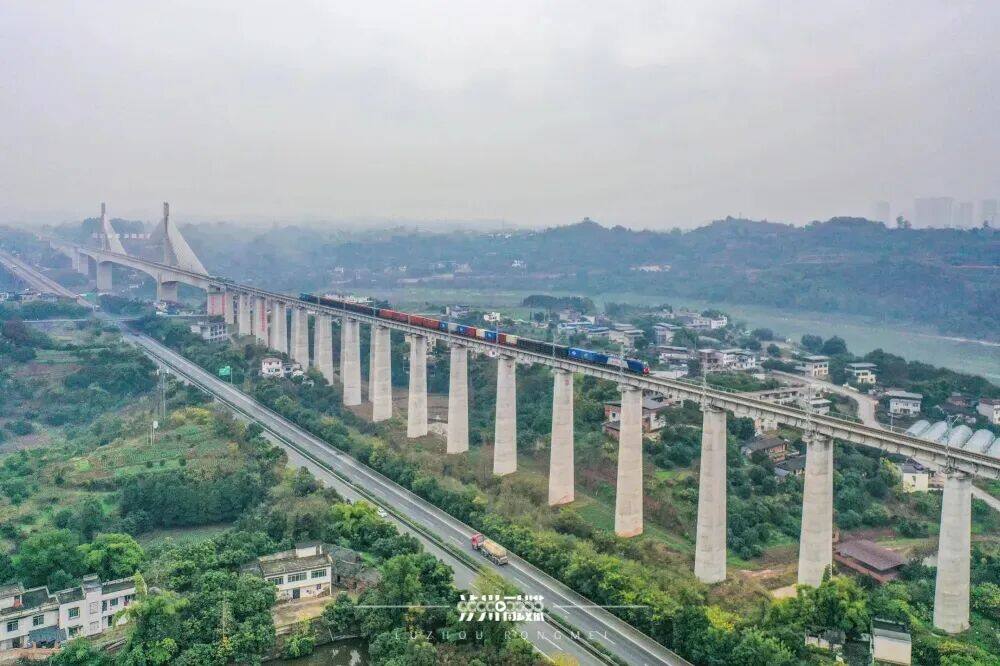
By the end of 2025, the Longlu Xuzhou Railway will be opened and connected to the Xubi Railway, opening up a passage from Luzhou, Sichuan to Bijie, Guizhou. After the completion of the Huangbai Railway, goods departing from Chengdu, Sichuan can travel south through Luzhou, Bijie, and Anshun to reach Baise, Guangxi, and then sail out from the Beibu Gulf. This will shorten the transportation distance by hundreds of kilometers compared to detouring other routes, becoming a truly "shortest sea route".
Sea going artery
This railway not only carries trains, but also represents the development aspirations of the Southwest region.
For inland provinces such as Sichuan and Guizhou, the Huangbai Railway is the "last link" of the Western Land Sea New Corridor. After completion, it will form the main channel for southbound goods in the southwest region, together with the existing Shanghai Kunming and Nankun railways. According to calculations, after the full line is opened, bulk goods such as coal, ore, and agricultural products from the southwest region will be able to be transported to Qinzhou Port and Fangcheng Port at lower logistics costs and faster speeds, and then sent to the world.keywords:Engineering infrastructure,Infrastructure News
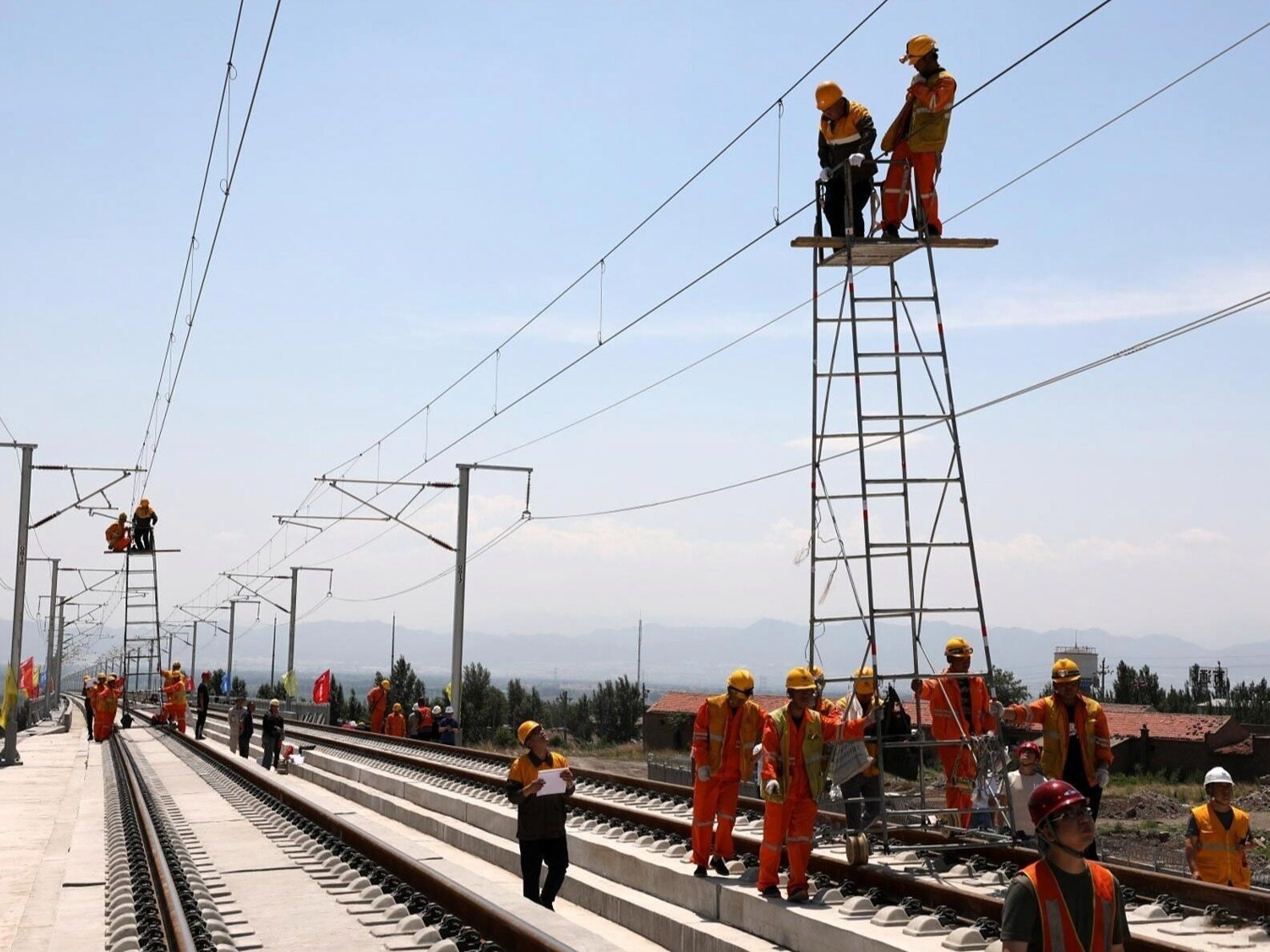
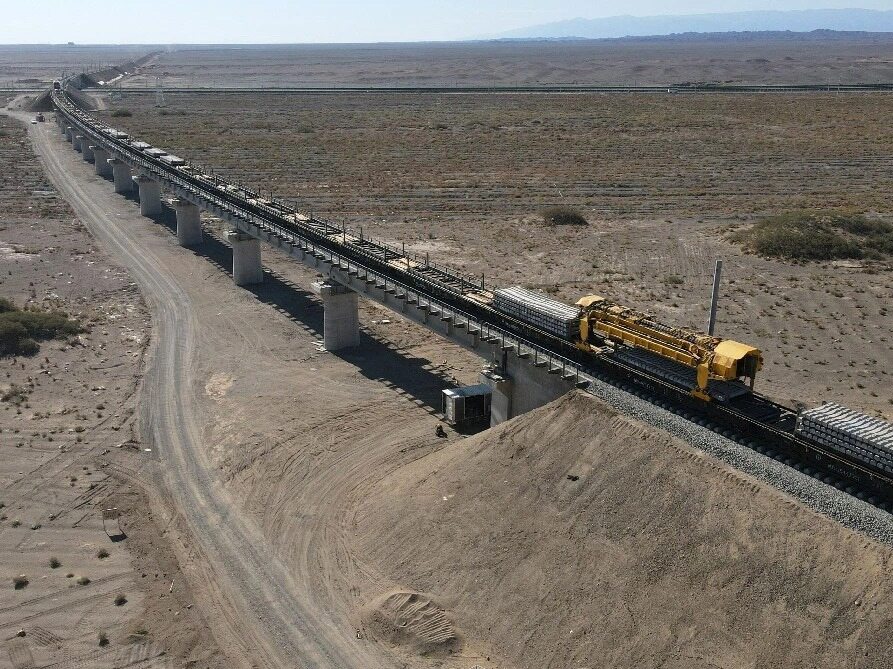
At present, the Huangbai Railway is accelerating the construction of remaining tunnels and bridges, and is expected to be completed and opened to traffic by 2028. At that time, there will be another strong economic link between China's western inland and southern coastal areas.Editor/Yang Meiling
Comment


 Praise
 Collect
 Comment

 Share
Share


Write something~