 Search


- Freight volume far exceeds railway, smart shipping and photovoltaic waterway transform ancient river sections into zero carbon corridors
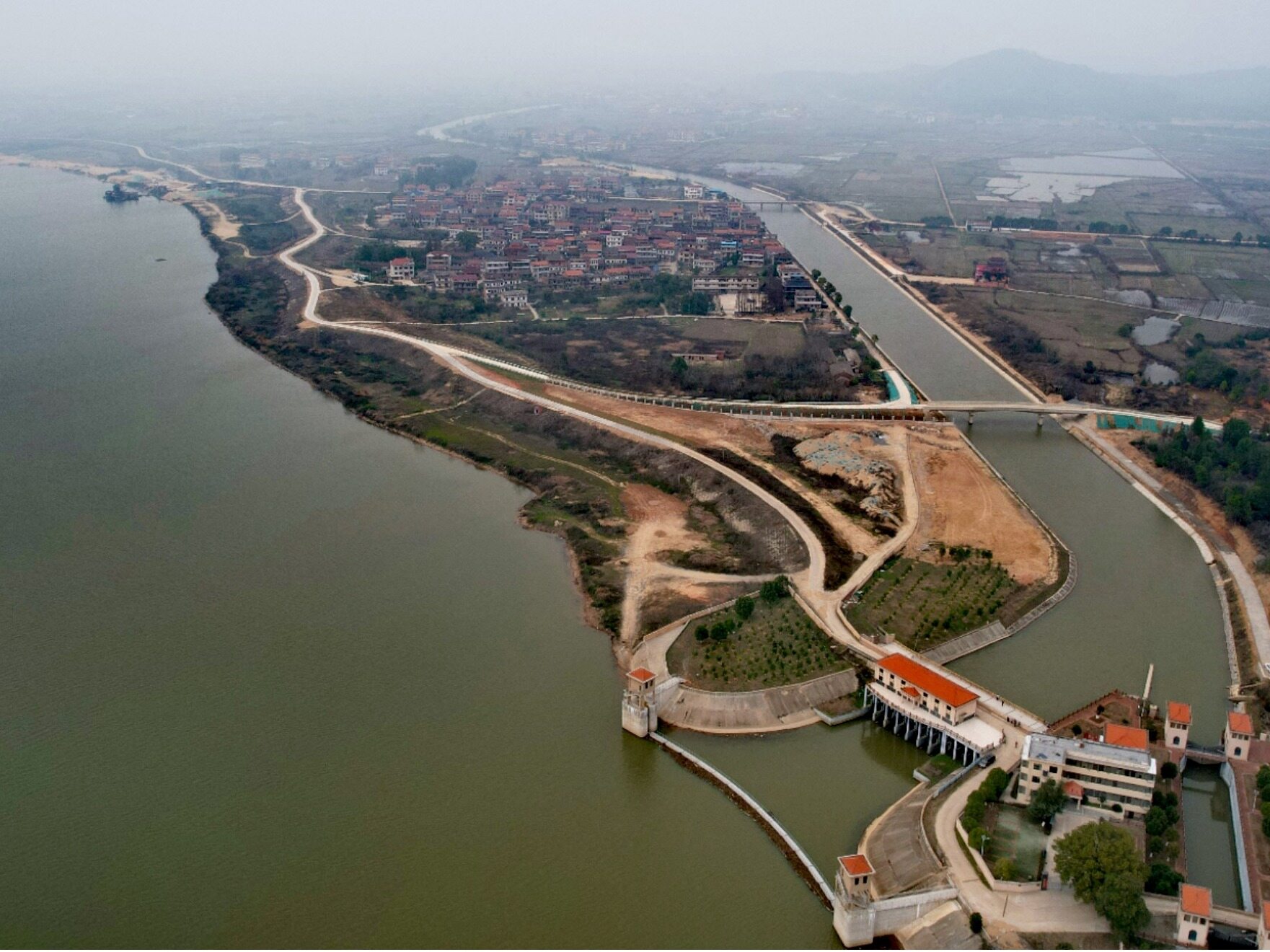
The Grand Canal, a steel giant that has been flowing for thousands of years, is reshaping China's economic geography with astonishing resilience. It is no longer just an ancient grain transportation channel, but a golden waterway and green ecological corridor that runs through the north and south.
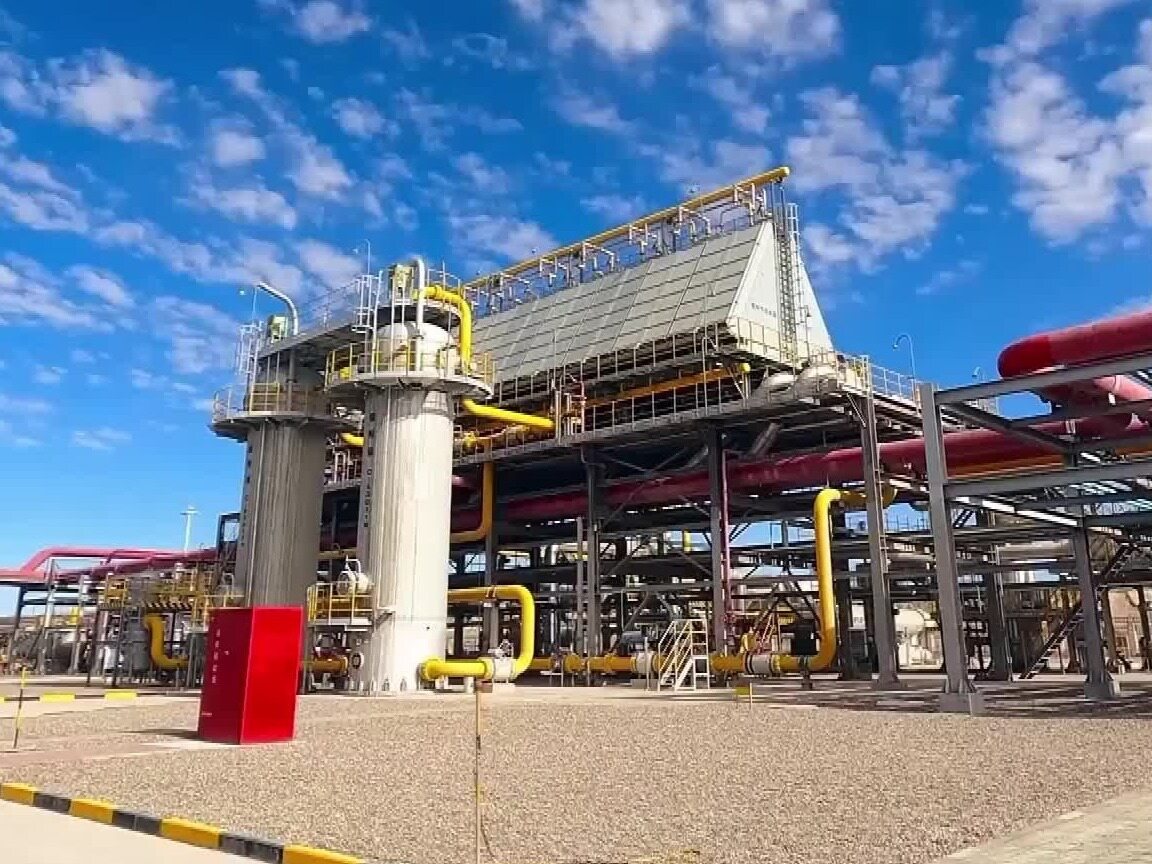
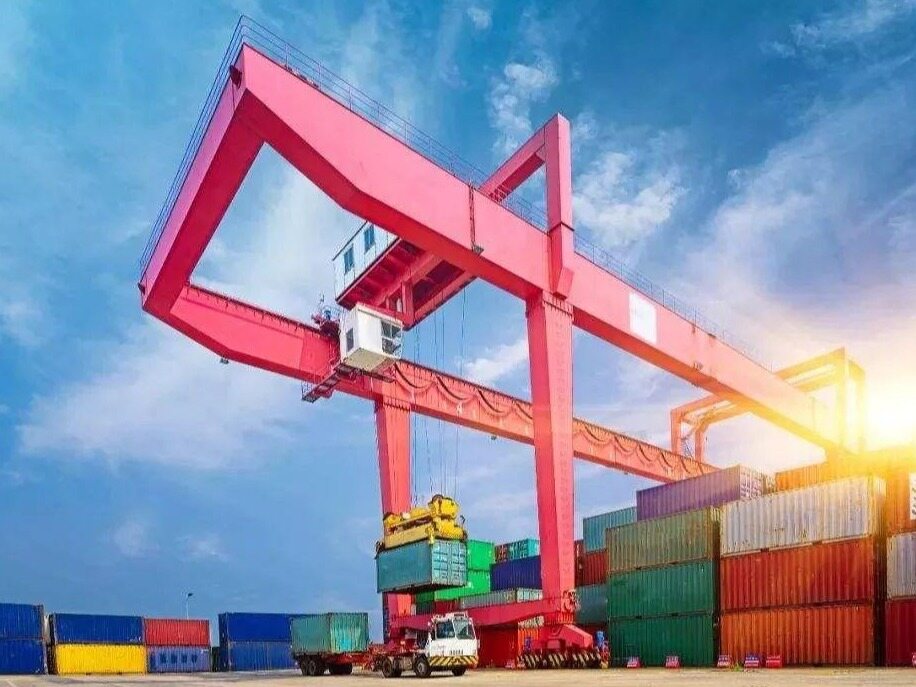
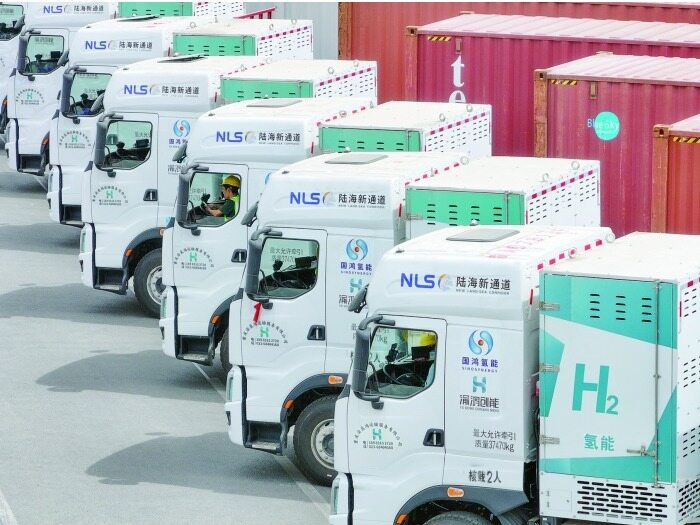
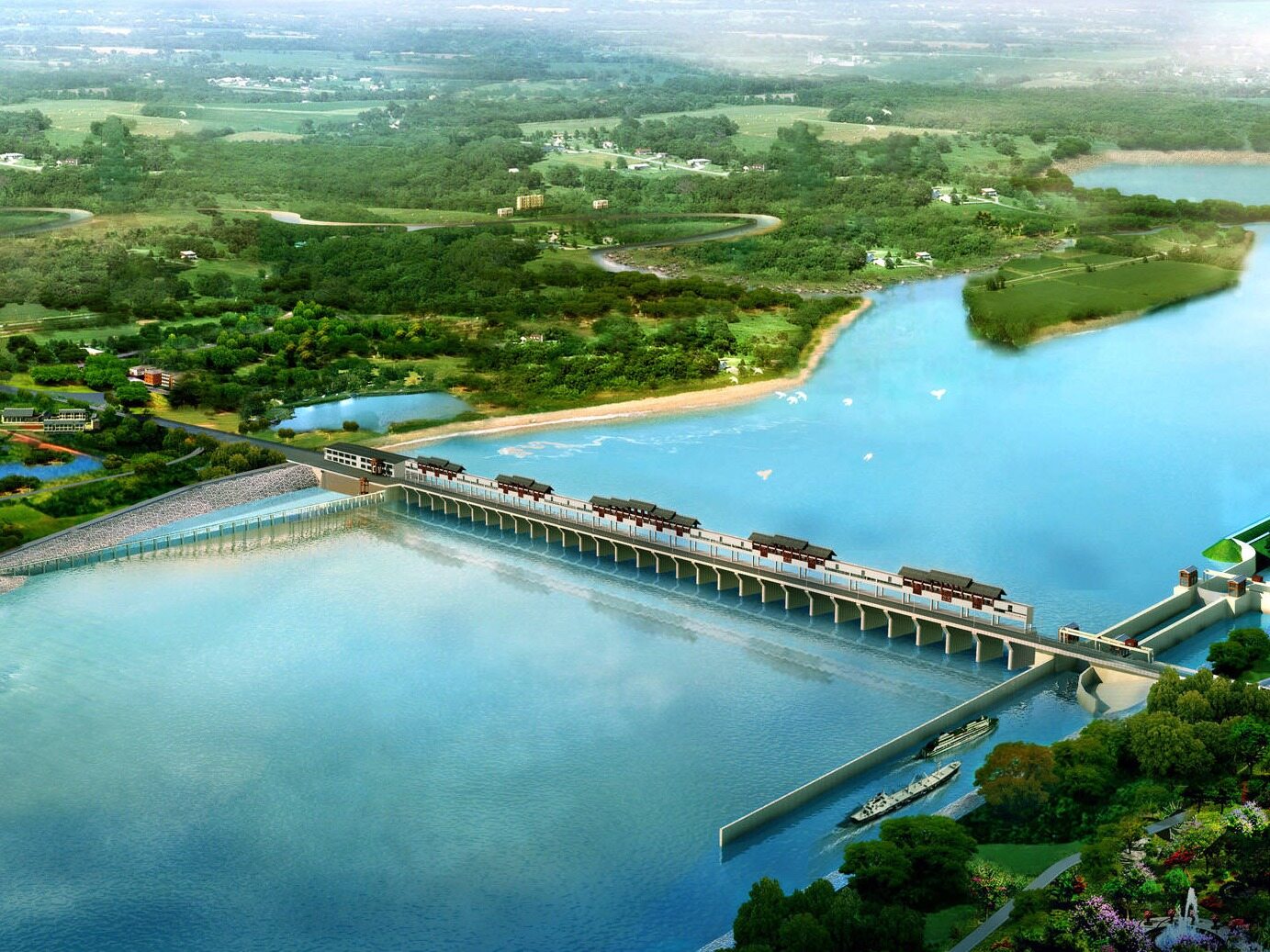
Data shows that its freight volume has far exceeded that of railways, becoming a low-cost transportation artery for coal, building materials, and containers. What is even more remarkable is that the ancient river section is emitting a "green pulse": real-time scheduling of smart shipping systems, replacement of fuel with shore power facilities, and exploration of zero carbon shipping through photovoltaic channels.
From the ancient charm of silk in Suzhou and Hangzhou to the new energy port in Jining, the Grand Canal connects not only the water system, but also the land sea intermodal transport hub of the the Belt and Road.
With the dual support of cultural and economic belts, this living historical heritage is injecting magnificent Chinese wisdom into the high-quality development of inland waterway transportation with the posture of connecting the world with rivers and delivering goods to the world.Editor/Cheng Liting
Comment

 Praise
 Collect
 Comment

 Share
Share


Write something~