 Search


- “We No Longer Trust the US” – Iranian Foreign Minister Turns to China for Help
Tehran/Beijing — As the US-Israeli military operation on its territory enters its fourth week, Iran is signaling a major shift in diplomatic trust: Washington's promises are no longer accepted, but Beijing's may be.
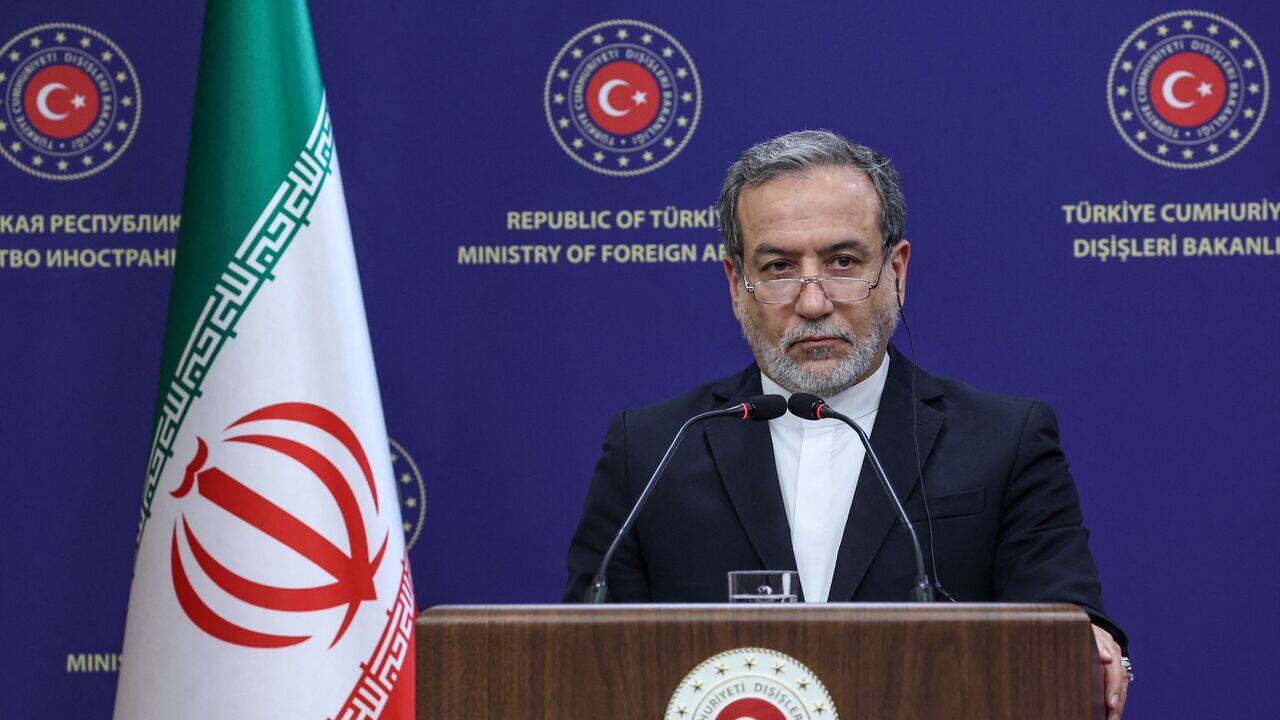
Iranian Foreign Minister Abbas Araqchi warned on Thursday that any further attacks on Iranian infrastructure would be met with a "relentless" response. He added that Tehran's restraint so far was merely out of respect for international calls for de-escalation. However, the deeper meaning of his words has little to do with the White House: the preconditions for peace.
"Araqchi stated, 'Any plan to end this war must address the damage to our civilian infrastructure.'" This implies that reparations are a non-negotiable prerequisite for ceasing hostilities. However, in a pointed interview with Al Jazeera, he made it clear that Tehran does not expect such sincere negotiations from the party that started the war. “The United States started the conflict,” he said. “The United States must compensate Iran for its losses before the war ends.”
However, with trust in Washington at historic lows, Tehran is seeking other guarantors.
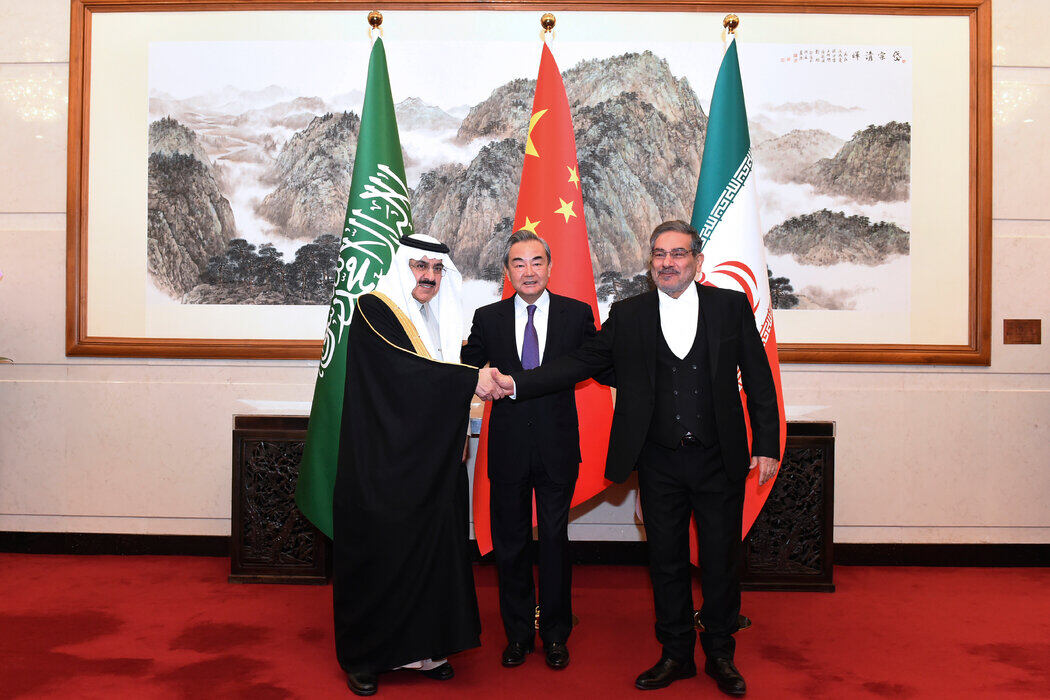
Araghic made it clear that China has the ability to pull the Middle East back from the brink of collapse. He recalled Beijing’s successful mediation of an agreement between Iran and Saudi Arabia in 2023—an agreement that shocked the world and restored diplomatic relations between the two regional adversaries. “We believe that both sides are still abiding by the agreement,” Araghic noted, portraying China as a rare honest mediator in a region rife with geopolitical manipulation.
These remarks highlight a profound restructuring of the Middle East landscape. Just weeks earlier, French President Macron hastily called for a halt to airstrikes—but that came after Iran retaliated against Qatari facilities. Iranian Foreign Minister Araghic publicly condemned Macron’s “regrettable” silence after the initial US-Israeli attacks on Iranian fuel storage and gas facilities, accusing the West of applying standards only when it benefits itself.
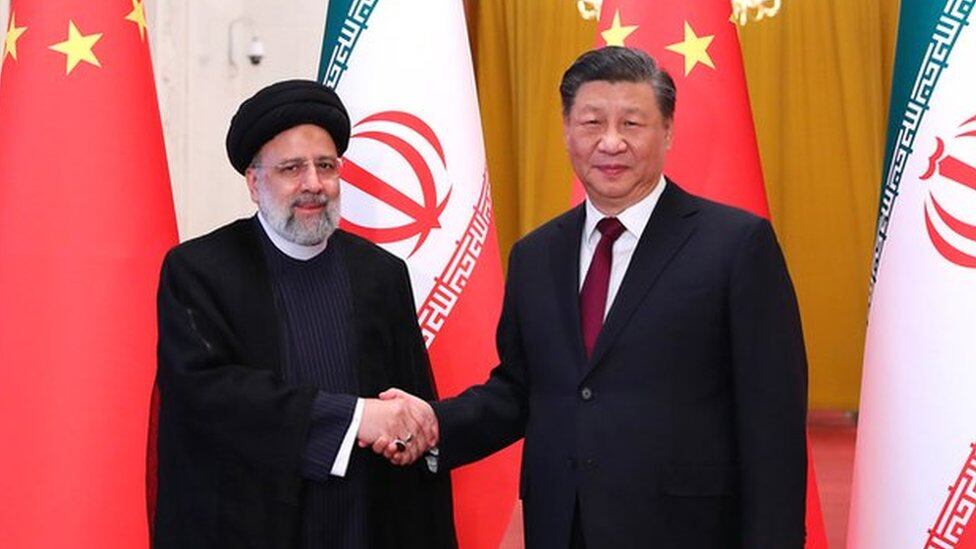
Meanwhile, China has maintained a consistent stance. Earlier this month, Chinese Foreign Minister Wang Yi held an emergency telephone conference with the foreign ministers of Iran, Oman, and France, urging an immediate ceasefire and warning the world that it "must not revert to the law of the jungle." While Western powers are still debating the legitimacy of retaliatory strikes, Beijing is positioning itself as the only superpower willing to engage in unconditional dialogue with all parties.
For Tehran, the message is clear: Washington's credibility has collapsed, and if peace requires a mediator, it can only come from the East—China.Editor/Cao Tianyi
Comment



 Praise
 Collect
 Comment

 Share
Share


Write something~