 Search


- The energy transition in the region will help diversify the economy and promote the achievement of net zero carbon emissions
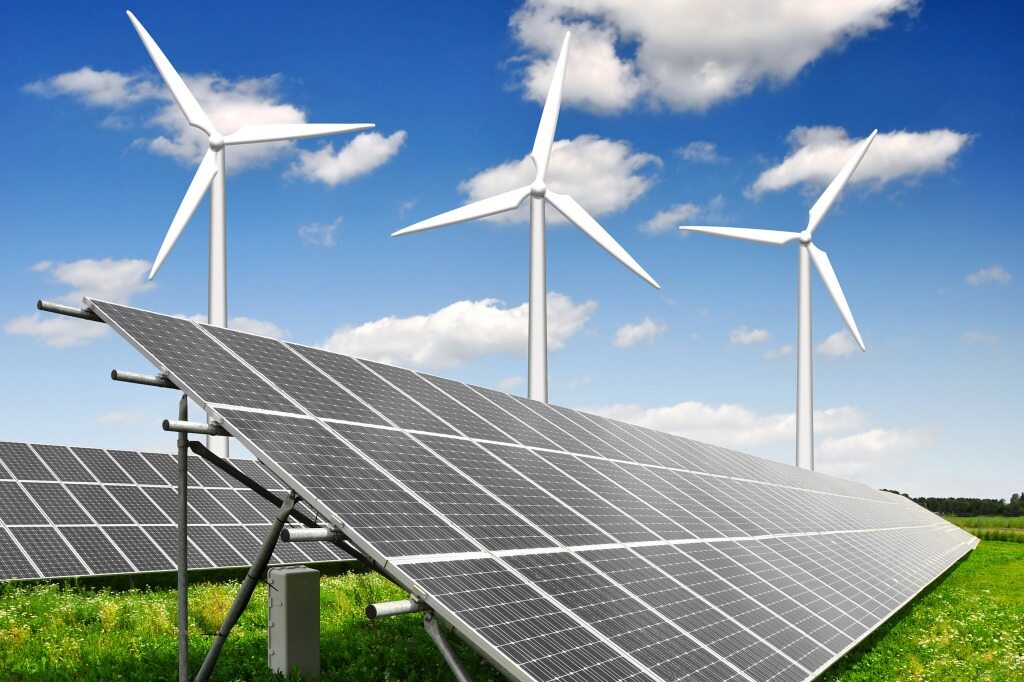
In the desert south of Dubai, UAE, the 77 square kilometer Mohammed bin Rashid Al Maktoum Solar Park is expanding, with rows of photovoltaic panels extending towards the horizon. Not far away, 80% of the world's largest green hydrogen project has been completed at the NEOM construction site in the future city of Saudi Arabia. The Gulf countries, once wealthy by oil, are now investing billions of dollars in solar, wind, nuclear, and hydrogen energy. Behind this energy transition is a longer-term economic calculation than oil - as the world gradually bids farewell to fossil fuels, they will continue their wealth legend with clean electricity.
UAE Sword Fingers to Net Zero Emissions
The UAE government aims to achieve net zero carbon emissions by 2050 and plans to increase the proportion of alternative energy to 30% by 2030. The country already has three of the world's largest solar power plants, and Dubai Solar Park can provide electricity to 800000 households by 2030. Launch the first 104 MW wind power project in 2023 and become the first Arab country to operate a nuclear power plant. Abu Dhabi National Oil Company is developing the largest carbon capture project in the Middle East, capable of capturing 1.5 million tons of carbon annually.
Saudi Arabia invests $40 billion in new energy
The Saudi government invests over $40 billion annually from public investment funds in diversified projects, with the goal of renewable energy accounting for 50% of electricity generation by 2030, with a production capacity of 90 gigawatts and energy storage of approximately 48 gigawatt hours. In 2025, Saudi Arabia's sovereign fund signed an agreement with ACWA Power to develop a 15 gigawatt renewable energy portfolio. The NEOM green hydrogen project, which has invested billions of dollars, has completed about 80% and will become the world's largest renewable energy driven ammonia complex upon completion. Keywords: Middle East News Network, Energy Transition
Gulf countries follow up on energy transition
Qatar has committed to reducing greenhouse gas emissions by 25% by 2030 and plans to install 4 gigawatts of renewable energy capacity on a utility scale. Kuwait has set a goal of meeting 15% of its energy demand with renewable energy by 2030, investing $99 million to build a 10 MW Sidrah 500 solar power plant, with an expected cumulative solar capacity of 2.9 GW by 2030. Gulf countries are combining clean energy expansion with carbon capture technology to reduce carbon emissions while maintaining oil revenue.Editor/Gao Xue
Comment



 Praise
 Collect
 Comment

 Share
Share


Write something~