 Search


- What is Israel trying to tell Russia through this "implied threat"? Its capacity for technological penetration, or its resolve to act?
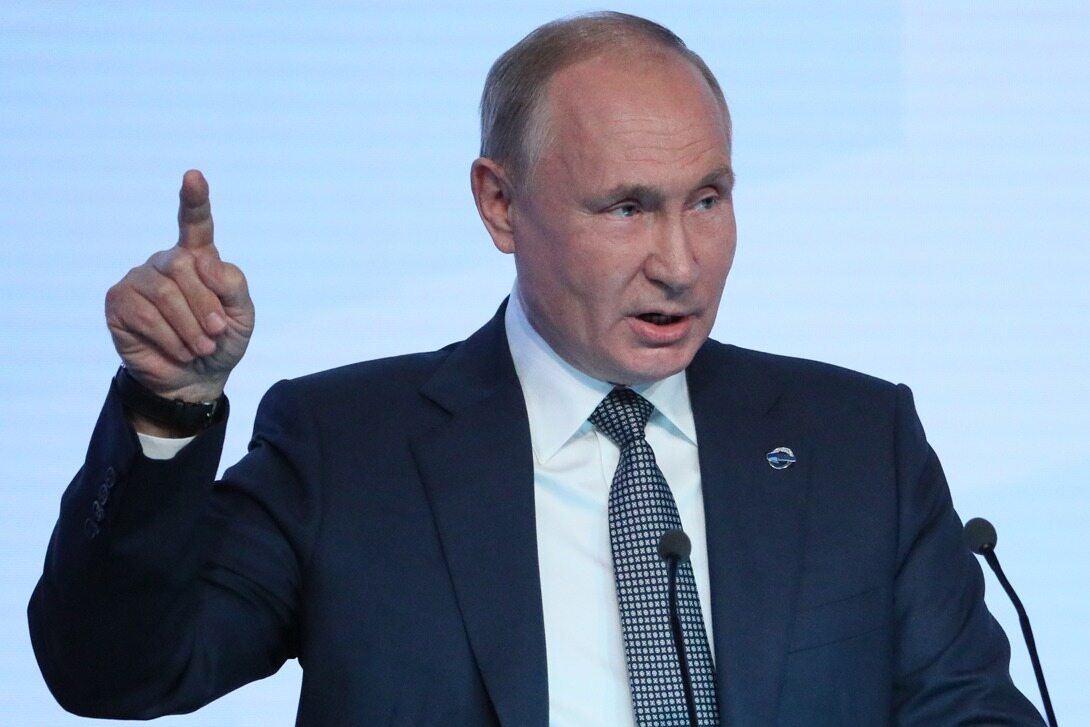
As the conflict in the Middle East continues to escalate, a diplomatic spat—revolving around carefully chosen words and veiled allusions—is brewing between Israel and Russia. During a recent interview with Russia’s RBC Radio, IDF spokesperson Anna Ukolova sent a signal to Moscow using highly cryptic yet unmistakably deterrent language, sparking an uproar in the international community.

According to audio recordings of the interview released by RBC Radio, when asked about Israel’s technological capabilities, Ukolova stated: "The elimination of [Ayatollah] Khamenei has demonstrated to the outside world that our capabilities are extremely formidable. Anyone who attempts to act against us will not be spared." She subsequently added: "I hope that Moscow currently harbors no ill will toward Israel—I am willing to believe that is the case."
These remarks came shortly after Israel carried out a targeted elimination operation against high-ranking Iranian officials and were widely interpreted as an indirect warning directed at Russia. Although Ukolova did not explicitly name Russian President Putin, analysts believe the message she sought to convey was clear—given that she was speaking to Russian media and had deliberately referenced the context of "penetrative surveillance technology": Israel possesses both the technical prowess and the resolve to execute precision strikes abroad; should Russia choose to take sides in the Middle East conflict, the consequences could far exceed Moscow’s expectations.
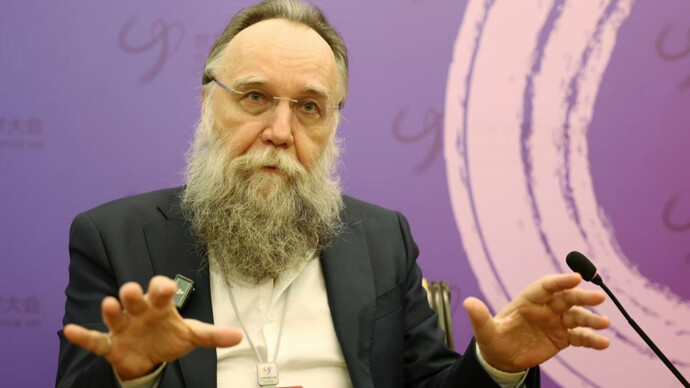
Russian political theorist Alexander Dugin quickly took to social media to interpret these remarks as "Israel threatening to kill Russian officials," going so far as to imply that Putin himself could be among the potential targets. This interpretation spread rapidly across the internet, igniting a massive controversy.
In an attempt to clarify the situation, RBC Radio subsequently released the original audio recording, emphasizing that the spokesperson’s actual words were a conditional expression of "hope"—rather than a direct declaration of war. Ukolova herself also responded, dismissing Dugin’s claims as "fake news." Nevertheless, given the widening divergence in the positions of Russia and Israel regarding Syria and Iran, this incident is widely viewed as the latest indication of a severe erosion of mutual trust between the two nations.
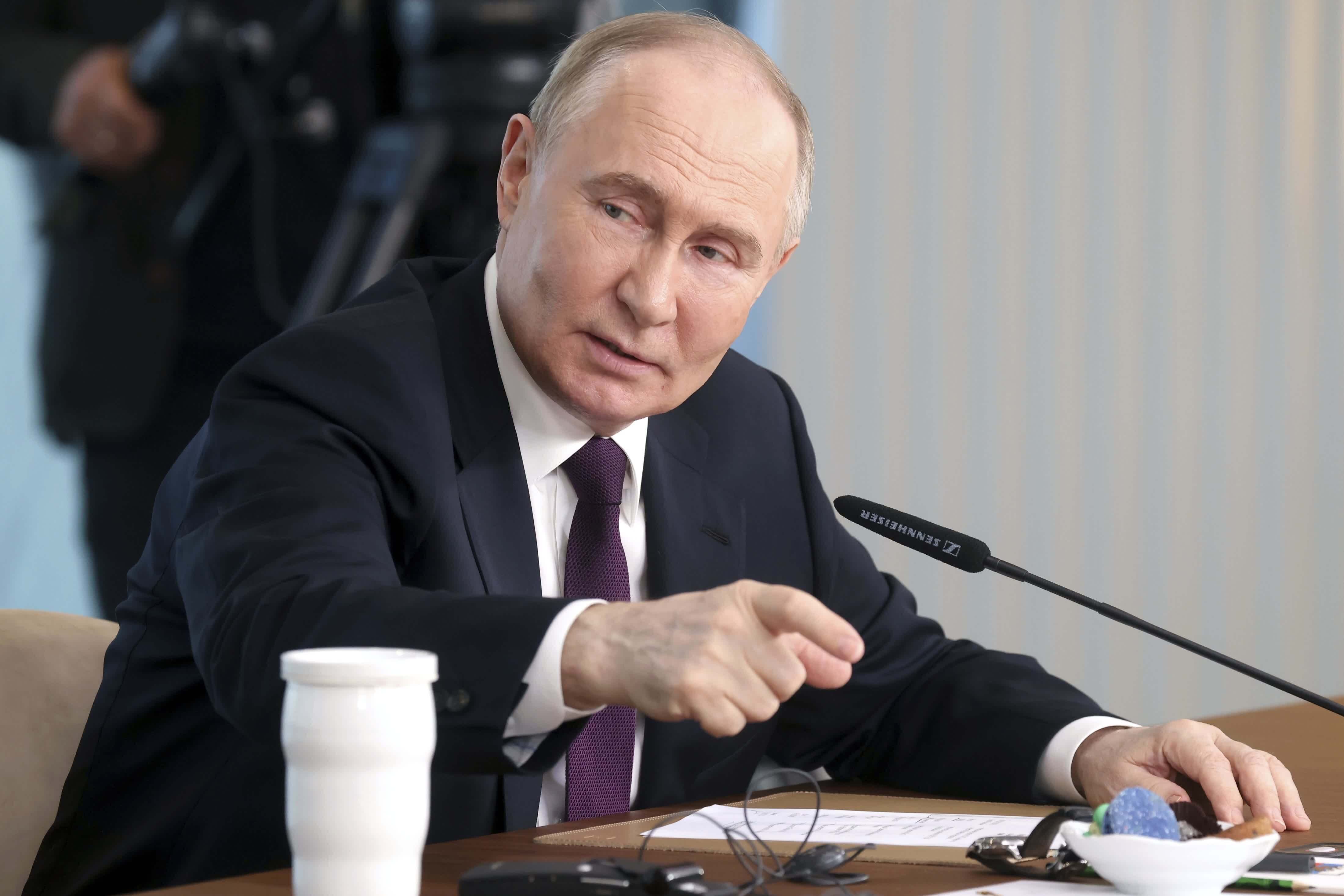
As of press time, the Kremlin has not issued an official comment regarding this incident. Analysts point out that, although both sides have attempted to downplay this verbal spat, it reflects the stark reality of the spillover risks inherent in the current Middle East conflict: when a middle power—long reliant on technological superiority—and a permanent member of the UN Security Council—possessing a nuclear arsenal—engage in mutual probing alongside powder kegs on two separate fronts, the risk of a miscalculation triggered by rhetoric rises sharply.Editor/Cao Tianyi
Comment






 Praise
 Collect
 Comment

 Share
Share


Write something~