 Search


- Slovakia rejects radical new construction plan with unexpected investment return rate
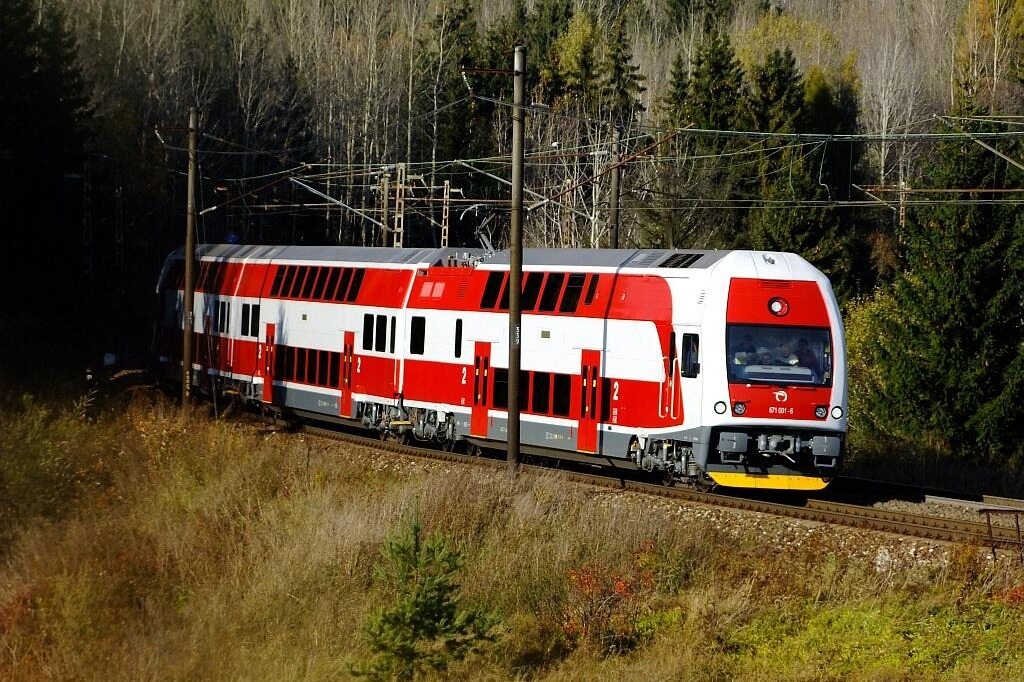
At a critical moment of reassessment of the geopolitical value of the Central European railway network, the Slovak Railway Infrastructure Management Company (Ž SR) recently released a heavyweight feasibility study. As the core puzzle of the VRT V4 cross-border high-speed railway project, this report not only rejects radical new construction plans, but also locks in a "mixed evolution" path that balances reality and the future with an estimated investment of over 3 billion euros. Through rigorous screening of 38 technological variants, Slovakia is attempting to turn Bratislava into a super hub connecting Vienna, Prague, and Budapest, and an infrastructure revolution about speed and efficiency is imminent.
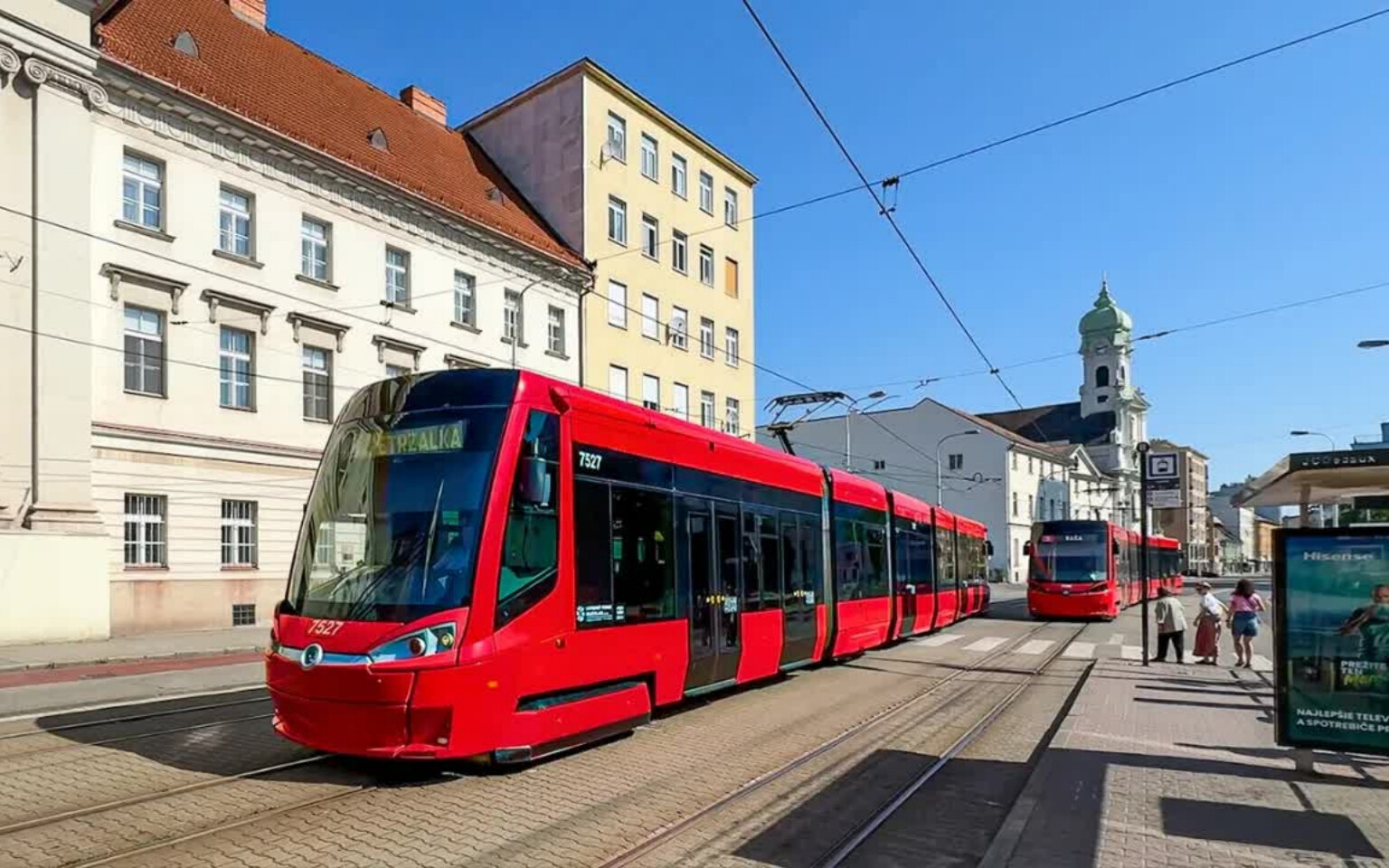
30 out of 7 rigorous screening
This is not a simple route planning, but a complex multidimensional game. After examining the three main directions leading to the Czech Republic, Austria, and Hungary, the research team generated 38 plans involving 30 modular road sections. Although some newly built lines with a design speed of 160-200 kilometers per hour can shorten the construction period, they were ultimately ruthlessly eliminated due to the ecological red lines of the Danube River and the Little Carpathian Mountains, land acquisition difficulties, and dismal cost-benefit ratios. The winning 'balanced solution' chooses to find the optimal solution between modernizing existing facilities and building new key nodes, aiming to avoid environmental minefields while maximizing road network efficiency.
The 'hub surgery' in Bratislava
The core of the plan is to carry out a large-scale restructuring of the capital railway hub. In the town of Stupava, 22 kilometers north of the city center, a brand new Bratislava West station will be built to undertake train formation and maintenance functions, thereby unleashing the capacity of the core area. At the same time, the old central station will undergo modernization and focus on long-distance passenger transportation and long haul freight transportation. This strategy of "passenger and freight separation, hub restructuring" not only solves urban traffic congestion, but also clears obstacles for future high-speed trains to mix into existing road networks.
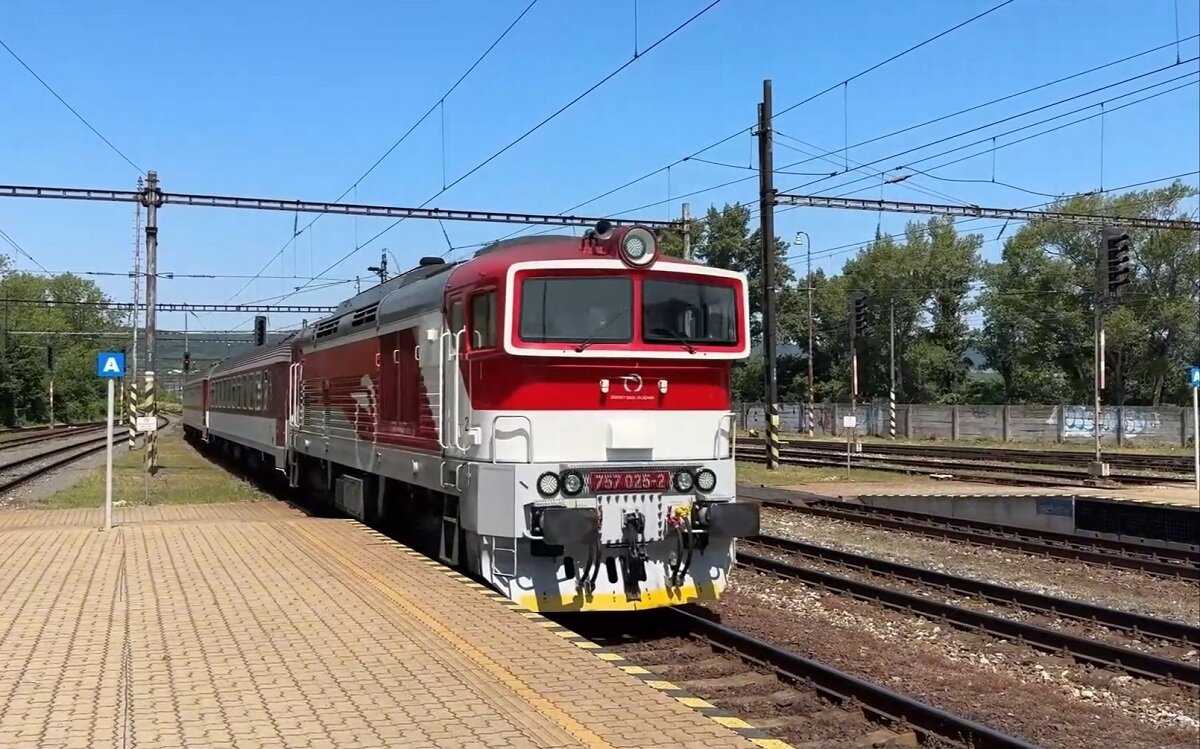
Two-step speed vision
The project construction is divided into two clear battles: the period from 2030 to 2040 is the critical period, with a focus on completing the hub renovation and west station construction, achieving a leap in domestic network efficiency; From 2046 to 2050 is the sprint period, with the opening of a 320 km/h pure high-speed railway line leading to the Czech border and connecting to the Marchegg direction road network in Austria. At that time, departing from Bratislava, there will be a one hour direct journey to Vienna, Prague, and Berlin. Keywords: Slovak high-speed rail, European road construction
This blueprint is not only related to the modernization of transportation in Slovakia, but also a key outcome for the railway integration of the V4 countries in Central Europe. With the inclusion of preferred solutions in urban planning, Slovakia is transforming from a railway network's passageway to the heart of Central Europe, injecting strong geopolitical momentum into regional economic integration.Editor/Cheng Liting
Comment

 Praise
 Collect
 Comment

 Share
Share


Write something~