 Search


- From photovoltaics to venues and then to roads and bridges, China Tanzania cooperation helps upgrade Tanzania's infrastructure
- Chinese enterprises are deeply cultivating the Tanzanian market, steadily advancing projects in energy, transportation, water, and other fields

In March 2026, the cooperation between China and Tanzania in jointly building the the Belt and Road project will continue to be implemented. A number of key projects such as new energy, transportation infrastructure, water and people's livelihood, energy storage, stadiums and gymnasiums will usher in key nodes such as grid connection, signing, winning the bid, and construction acceleration. Chinese engineering technology and standards will continue to help Tanzania modernize infrastructure and improve people's livelihood.
Tanzania's first photovoltaic power station achieves full capacity grid connection
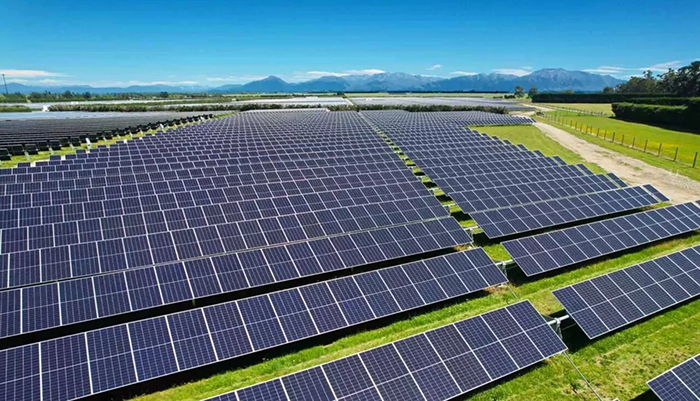
On February 28, 2026, the Sinianga 50 MW photovoltaic project, constructed by China Power Construction, achieved full capacity one-time grid connected power generation, becoming the first large-scale photovoltaic power station in Tanzania's history. The project fills the gap in renewable energy in the local area, with an expected annual power generation to meet the electricity needs of hundreds of thousands of people and help Tanzania's energy structure transition towards a green future.
The signing and implementation of the Sinianga water supply project benefit people's livelihoods
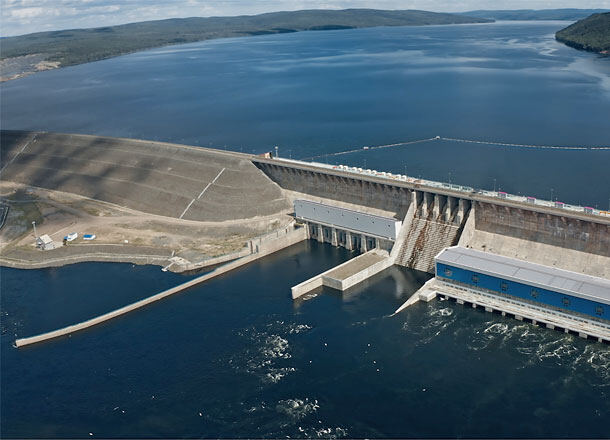
On March 12, 2026, China Civil Engineering Corporation signed a contract with the Sinianga Water Resources Bureau in Tanzania for the Sinianga Water Supply Project. The project will construct and renovate water supply pipelines, pump stations, and water treatment facilities, significantly enhancing the regional water supply guarantee capacity and improving residents' water use conditions. It is another important layout of Chinese enterprises in the field of water management in Tanzania.
Multiple bridge and road projects have been awarded bids for centralized construction
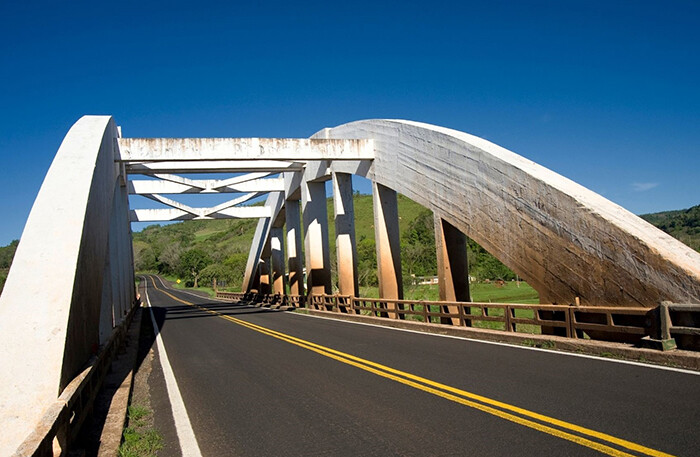
In mid March 2026, Chongqing Foreign Construction Group won the bid for the Lindi Province Bridge and Approach Road Project, constructing a single span concrete beam bridge and supporting approach roads to break through the traffic bottleneck in the southeast. During the same period, Jiangdi Group won the bid for three bridge projects in Dar es Salaam and Lindi provinces of Tanzania, focusing on improving people's transportation and logistics efficiency, with a construction period of 15 months. Enterprises such as China Electric Power Construction and Beijing Construction Engineering are steadily advancing their road and water conservancy projects in Rukwa Province. The Ambassador to Tanzania recently conducted on-site research and affirmed the effectiveness of the project construction.
Arusha Stadium accelerates construction in preparation for the African Cup
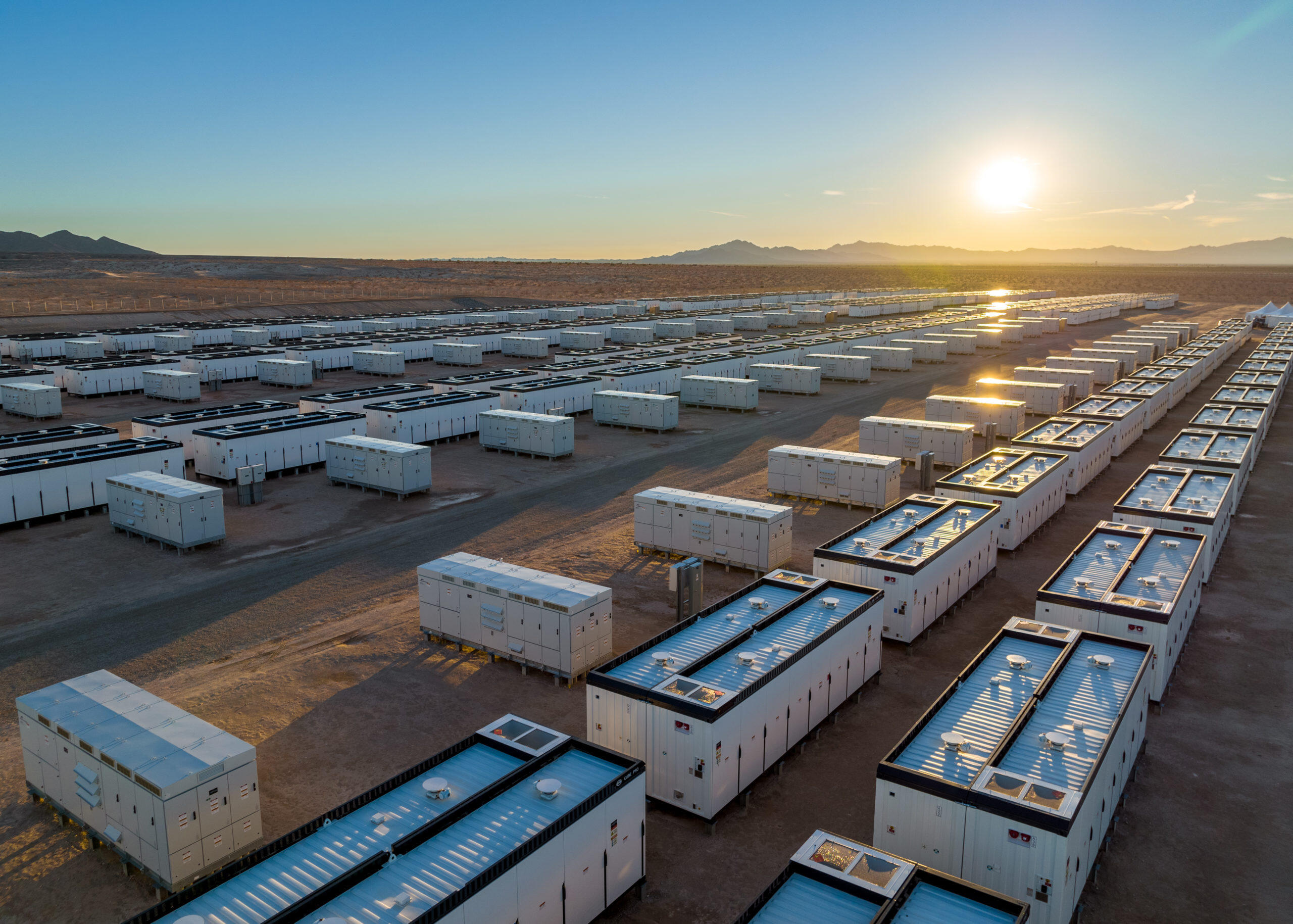
On March 7, 2026, the Ambassador to Tanzania inspected the Arusha Sports Stadium project undertaken by China Railway Construction Engineering Group. The venue can accommodate 32000 people and is the core venue for the 2027 Africa Cup. The construction is currently progressing in an orderly manner and will become an important sports and cultural landmark in East Africa after completion.
The $274 million fuel storage project in Tanzania, constructed with the participation of Chinese enterprises, is progressing smoothly and has completed approximately 41% of the project volume. After completion, the project will improve the oil storage and distribution system, activate the energy logistics hub function in East Africa, and drive local employment and industrial development. At the beginning of the year, the Zanzibar No.1 overpass, constructed by China Civil Engineering, was officially opened to traffic. As the first overpass in the area, it effectively improved the transportation efficiency of the main city, reduced travel and logistics costs, and received high praise from the President of Zanzibar.
Highlights of China Tanzania Engineering Cooperation
More comprehensive fields: covering multiple areas such as photovoltaics, water management, roads and bridges, energy storage, sports venues, etc.
More stable mode: EPC general contracting, parallel implementation of World Bank/government funded projects, ensuring both quality and compliance.
Livelihood is more practical: directly enhancing people's sense of gain through water supply, power supply, transportation and other projects.
Green is more prominent: Photovoltaic power plants lead clean energy cooperation and meet the low-carbon development needs of Africa. Key words: the Belt and Road, infrastructure cooperation, livelihood projects
From the photovoltaic blue ocean of grid connected power generation, to the road and bridge network connecting urban and rural areas, to the water supply and venues that ensure people's livelihoods, Chinese enterprises have fulfilled their commitment to cooperation with Africa through high-quality engineering, continuously injecting momentum into the friendship between China and Tanzania and the development of East Africa.Editor/Gong Ziwei
Comment






 Praise
 Collect
 Comment

 Share
Share


Write something~