 Search


- Algeria's five-year plan will be fully implemented by 2026, promoting its deep transformation from a full industry chain enabler
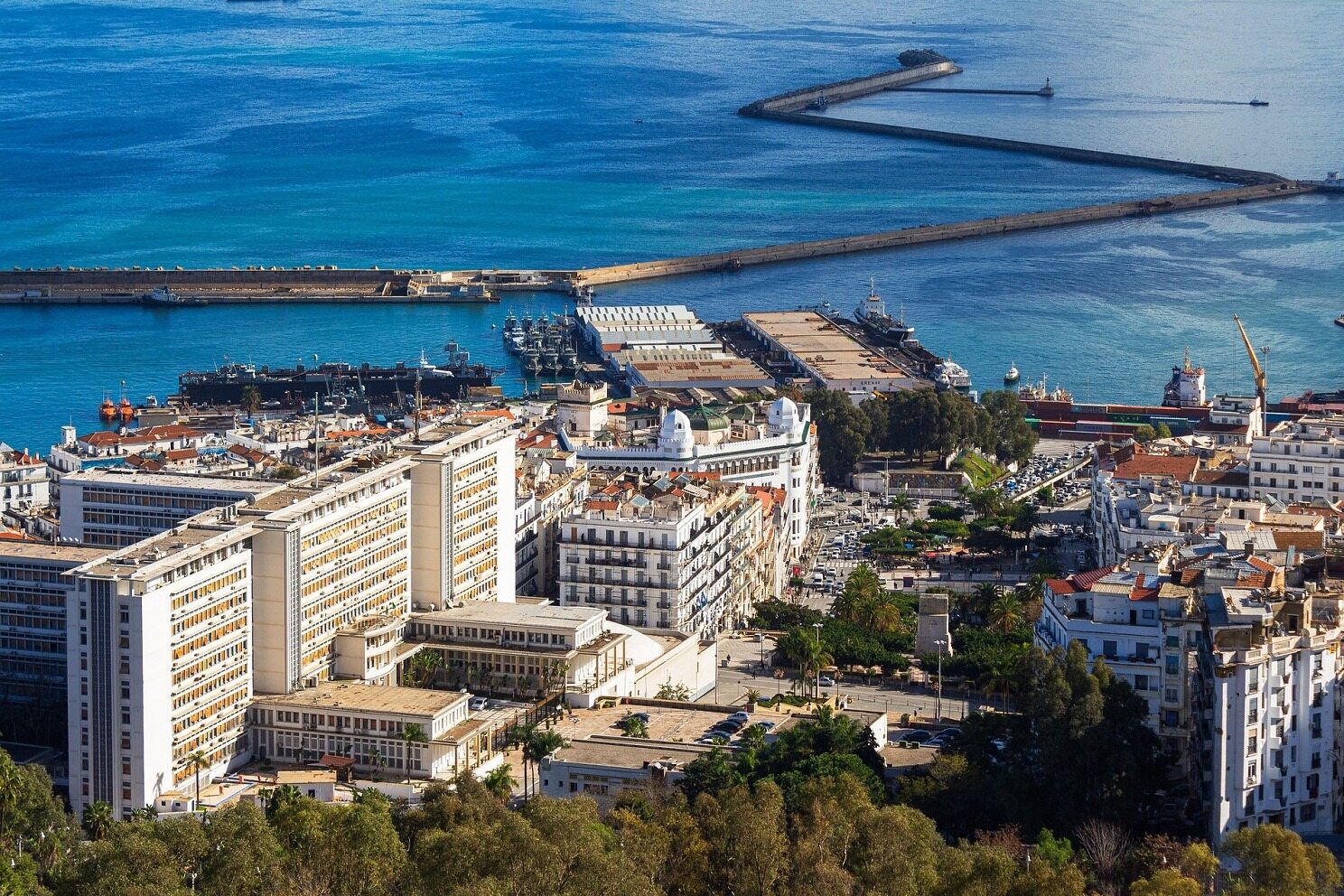
On the southern coast of the Mediterranean, an energy giant is trying to break free from the label of a mere "resource trafficker". In 2026, Algeria will no longer be satisfied with being just a natural gas tank for Europe, but will deliver a heavy blow - a five-year investment blueprint worth up to $60 billion will officially be implemented.
From breaking the ice in the mechanism of oil and gas exploration, to the rapid scaling of photovoltaic power plants, and to the local breakthrough in high-end manufacturing, this North African country is reconstructing its national economic map on the edge of the Sahara Desert with a rare full industry chain thinking. This is not only an experiment in energy transformation, but also a strategic gamble on the right to development for the next thirty years.
Return the right of choice to capital
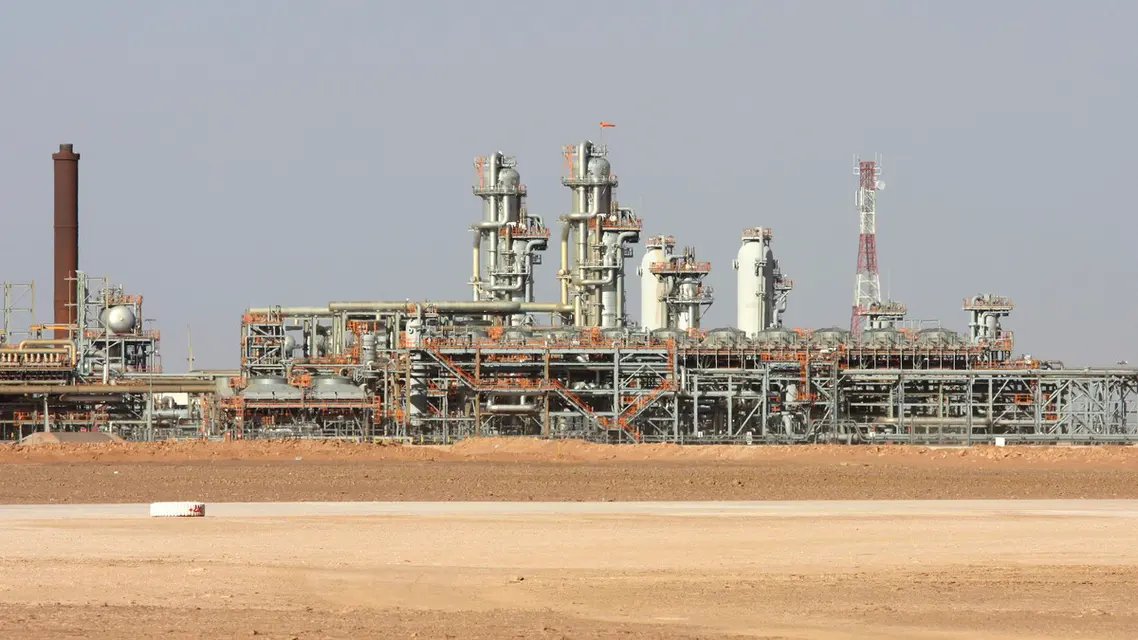
For a long time, the rigid bidding mechanism has been a persistent obstacle to oil and gas exploration in Algeria. In 2026, the country's National Hydrocarbon Resources Development Agency will launch a revolutionary nomination process.
Unlike previous one-way allocation, the government has pre screened 24 high-quality blocks, covering core oil and gas basins such as Yiliji and Belkin, allowing investors to independently claim 6 to 8 blocks for bidding based on their own technical and financial strength.
This measure hits the pain point: the blocks are all close to existing infrastructure, without the need for large-scale construction, and have the advantages of rapid development and quick results. For international oil companies that crave certainty, this is undoubtedly a shot in the arm.
Replacing natural gas with sunlight
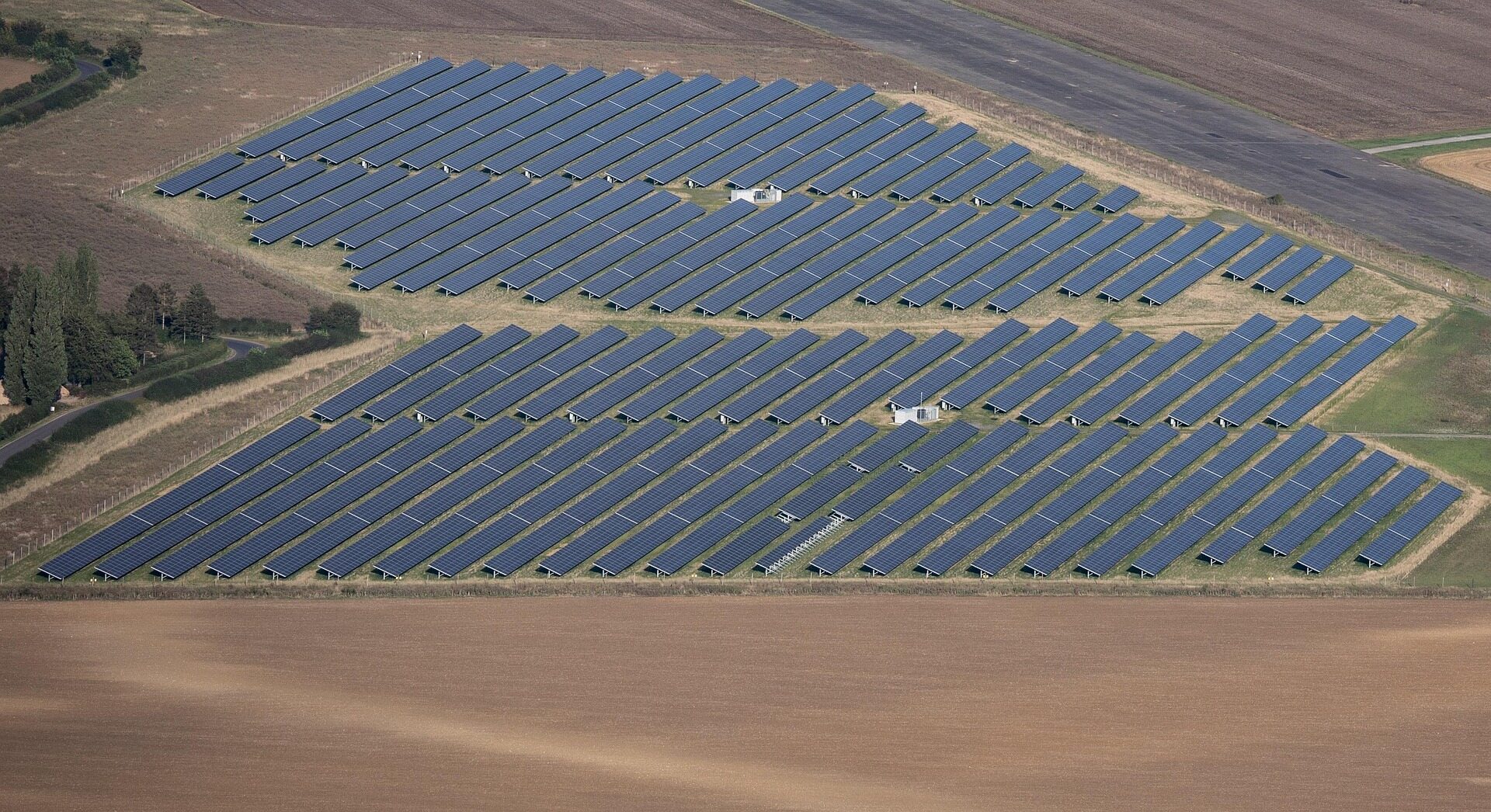
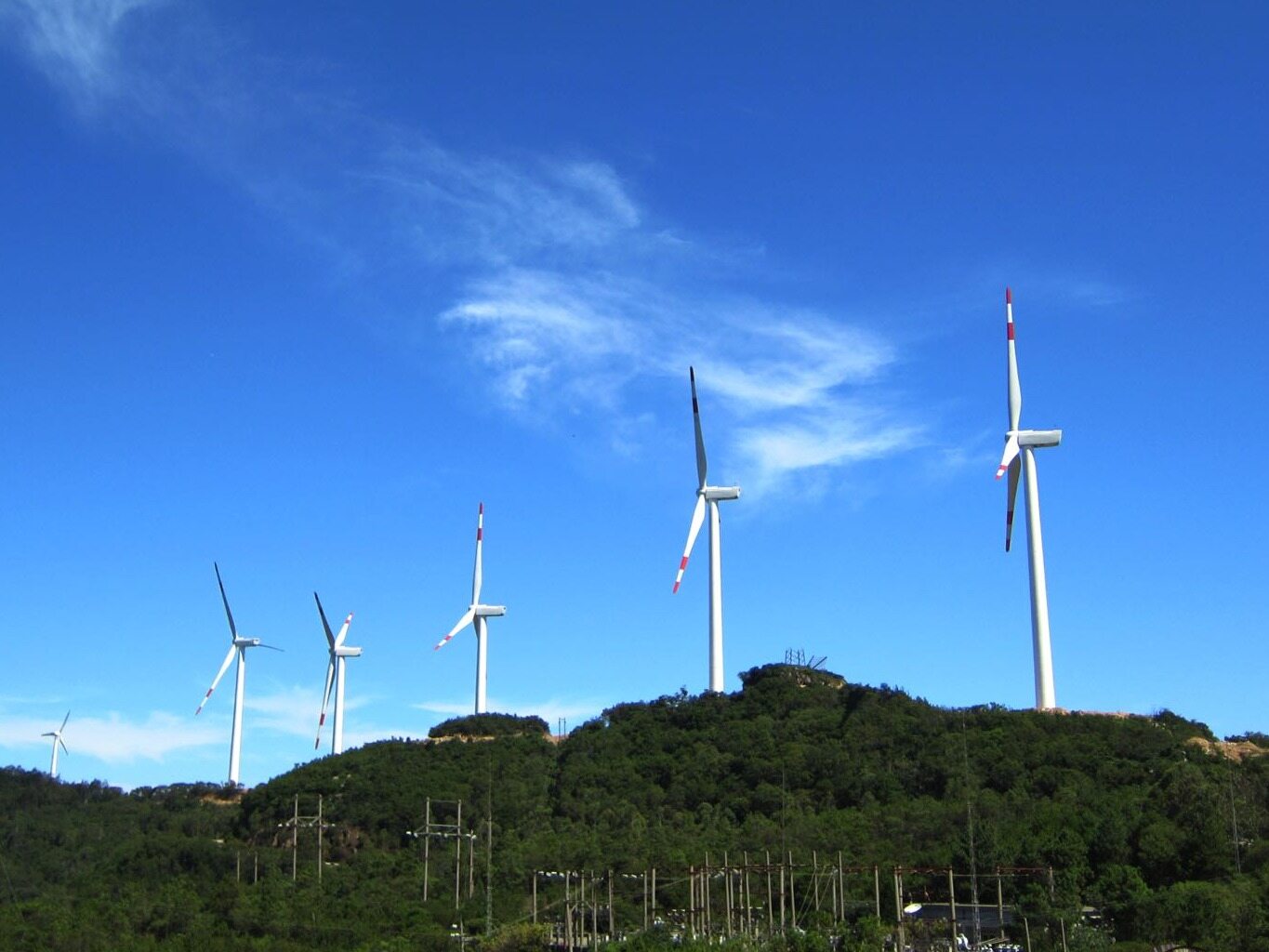
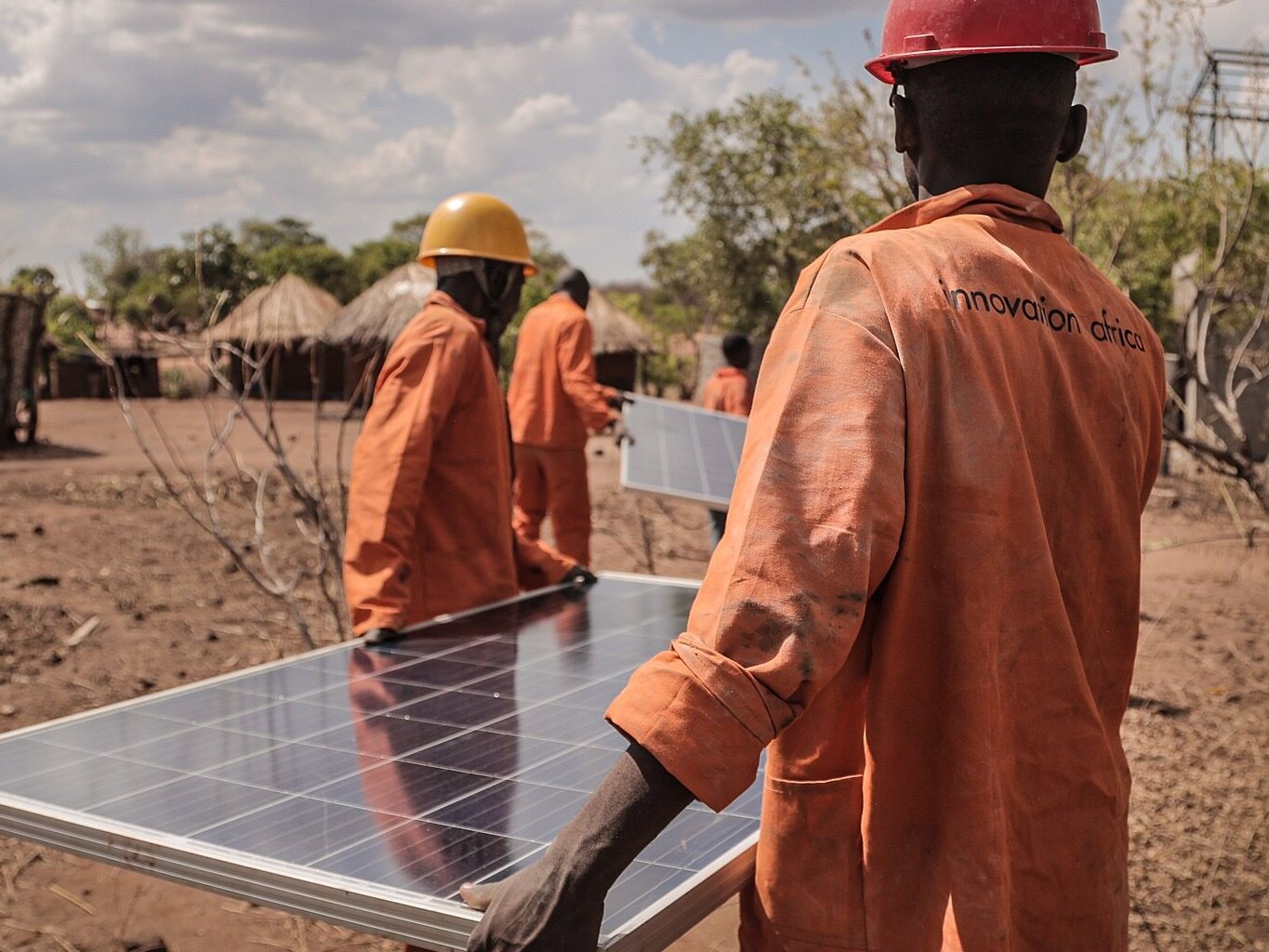
In the field of new energy, Algeria's ambitions are equally naked. 2026 is a tough year for the landing of solar energy, and a wave of photovoltaic construction with a total installed capacity of 3200 megawatts is sweeping across the country. This is not only for environmental protection, but also a shrewd economic account: currently, 95% of the country's electricity relies on natural gas, and domestic natural gas demand will exceed 45 billion cubic meters in 2023. By replacing power generation with photovoltaics, valuable natural gas can be released for export and foreign exchange earnings.
Data shows that key projects, including the 200 megawatt Tengdra power station in the province of Mejail constructed by Chinese companies, will be put into operation in 2026, with an expected annual power generation of 850 million kilowatt hours and a reduction of 550000 tons of carbon dioxide emissions. According to the plan, by 2030, 40% of Algeria's electricity demand will be met by renewable energy sources.
From selling iron to selling machines
A more imaginative layout lies downstream in the industrial chain. Relying on General Electric's technology transfer, the gas turbine manufacturing plant located in Batna Province has mature production capacity.
According to the memorandum signed in May 2025, Algerian made power equipment will be officially exported to the African market from 2026 onwards. This marks that the country is trying to break the curse of only selling resources and not manufacturing, and is opening up a dual output model of resources and manufacturing.
At the same time, the first 4 million ton production line of Gara Djebilet iron mine in Tindouf province (one of the world's largest with a reserve of 3.5 billion tons) will also be put into operation in April 2026, with supporting railways connected at the same time.
75% heavy warehouse oil and gas basic inventory
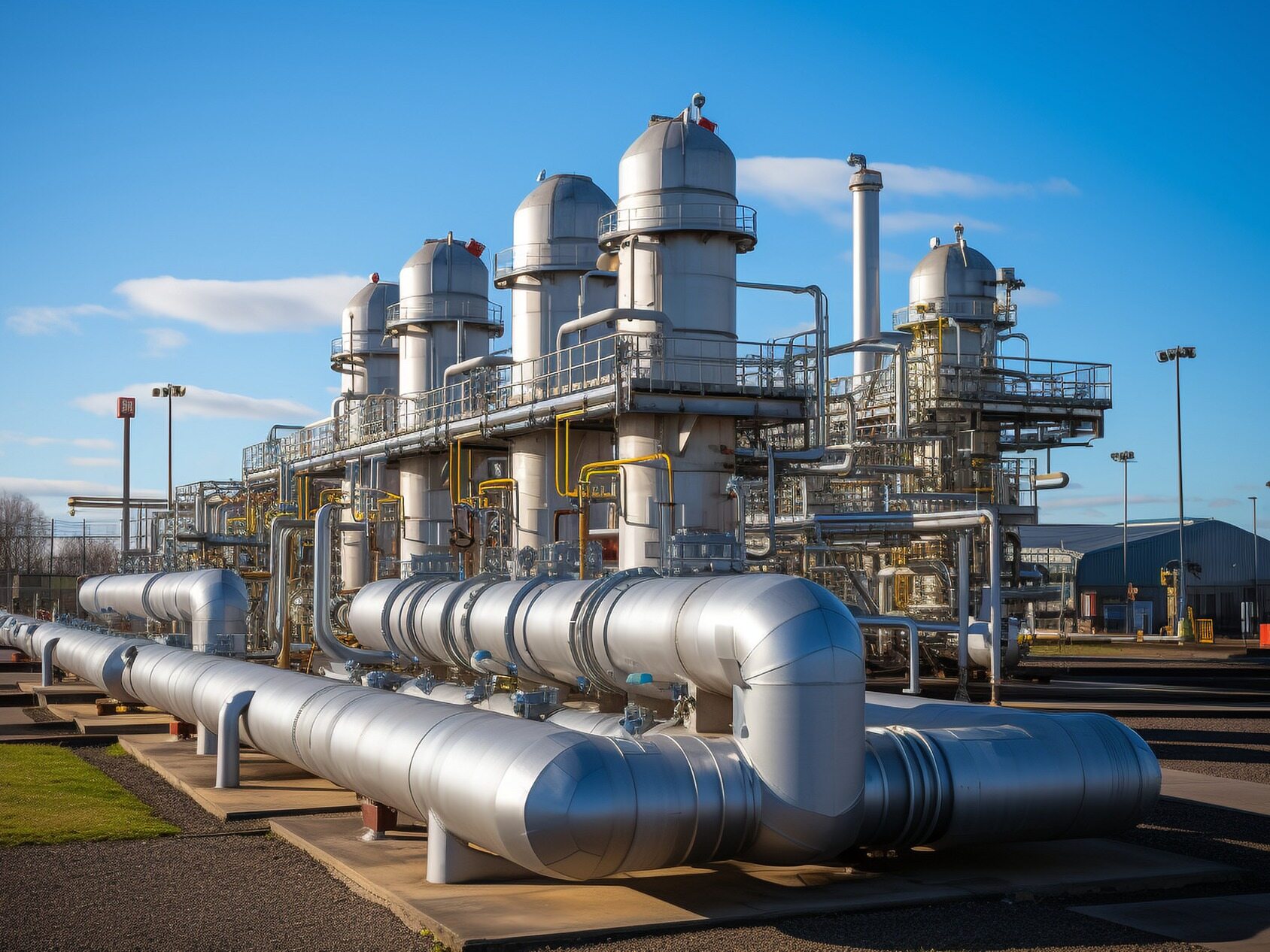
The $60 billion fund allocation reveals a pragmatic side: 75% of the funds will still be heavily invested in oil and gas exploration and production, for the renovation of existing oil wells and the drilling of new wells; 13% invested in refining and chemical industry to enhance added value; The remaining funds will be diverted to new energy and infrastructure. This triangular structure of stabilizing tradition, expanding new energy, and strengthening industry shows that Algeria is unwilling to cut off its arms in the transformation, but is trying to activate the stock of oil and gas with the "increment" of new energy. Keywords: North Africa, energy development, Algeria
For global investors, Algeria in 2026 is a contradictory entity full of temptation and challenges: it has top-notch resource endowments and an open cooperation attitude, as well as strict localization requirements and fierce international competition. But what can be confirmed is that this North African power has pressed the restart button, and its transformation success or failure will provide a highly valuable atypical sample for resource-based countries around the world.Editor/Cheng Liting
Comment

 Praise
 Collect
 Comment

 Share
Share


Write something~