 Search


- Pakistan launches Tar coal mine operation reform, mining area abandons diesel and connects to power grid
- Electricity generation costs plummet by 60%, saving $30 million in foreign exchange annually
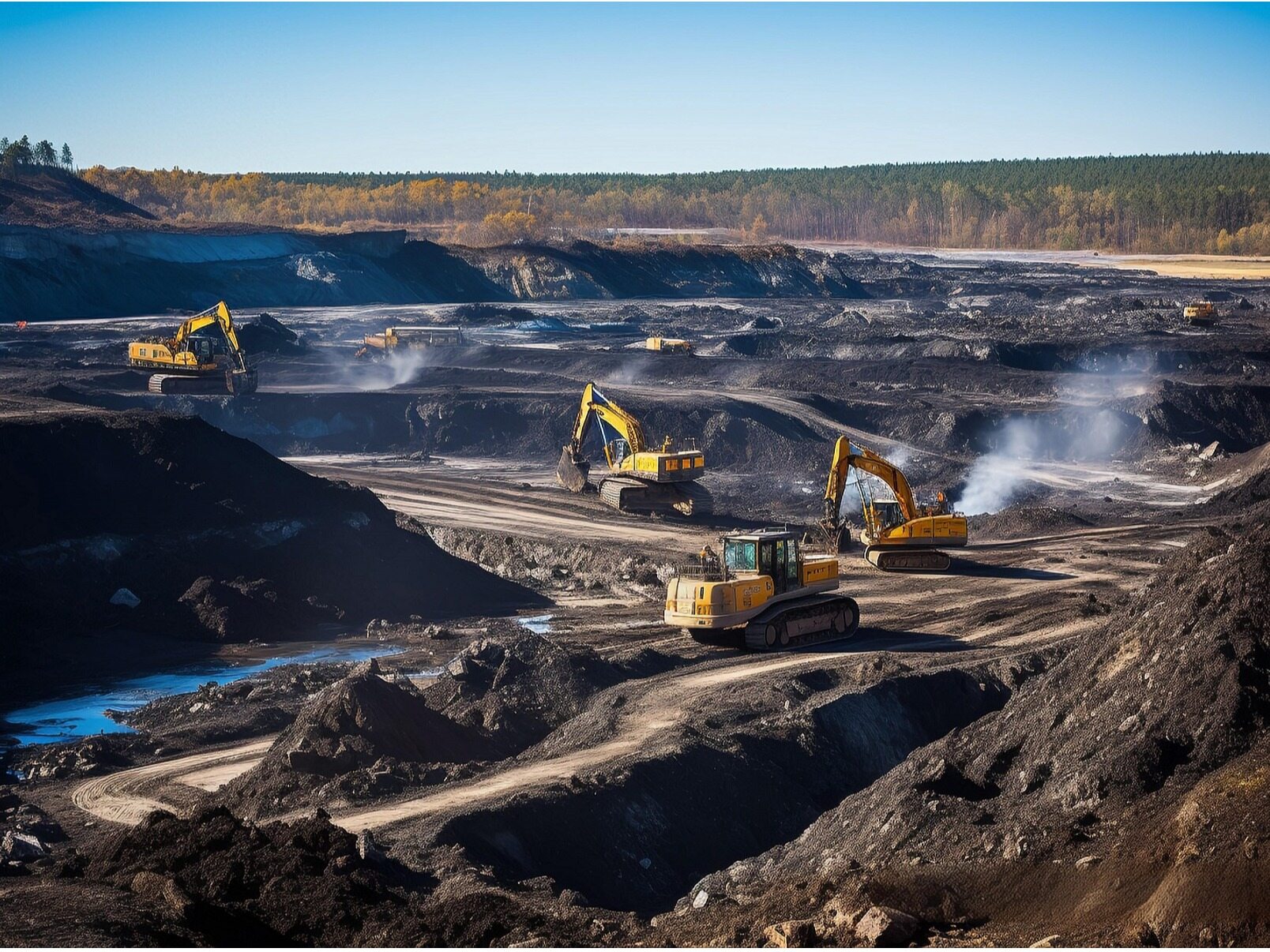
Deep in the Thar Desert of Sindh Province, Pakistan, miner Jamal takes a closer look at the roaring diesel generators before starting work every day. The deafening noise and pungent black smoke were once the "standard" of this world's largest brown coal mining area (with reserves of about 175 billion tons). In order to extract water from underground and maintain mining operations, the mining area has to "drink" over 200000 liters of expensive imported diesel every day, and the high cost continues to devour the country's foreign exchange reserves like sand.
This scene is about to become history. Under the promotion of Prime Minister Shahbaz Sharif and Electricity Minister Sadar Avais Ahmad Khan Legari, the Pakistani Ministry of Energy recently launched an "energy supply side reform" for the Tal coal mine: completely phasing out diesel power generation and fully integrating it into the national power grid. This is not only a simple energy switch, but also a crucial step for Pakistan to break free from its dependence on imported fuel and activate its domestic energy heart.
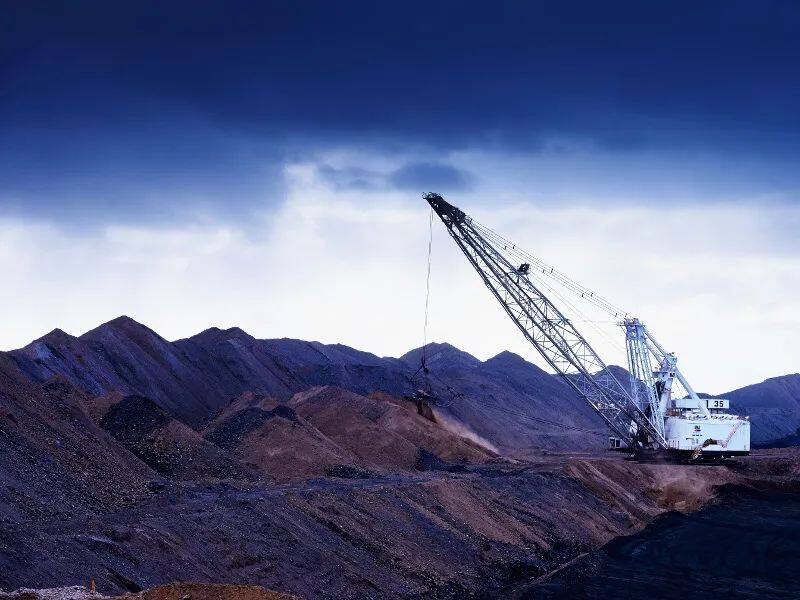
Calculate the economic account
For a long time, Pakistan's reliance on imported fuels has led to high energy costs and continued pressure on foreign exchange reserves. The core goal of this reform is to transform the Tar coal mine from a "cost center" to a "profit center".
According to calculations by the Pakistani Ministry of Energy, this reform will bring immediate economic benefits:
Foreign exchange hemostasis: The daily diesel consumption expenditure is expected to save about 25 million rupees, which can save 25 to 30 million US dollars in foreign exchange annually, directly alleviating the financial pressure on the country.
Cost cutting: The power generation cost of mining operations will significantly decrease from 33 cents per kilowatt hour to 13 cents, a decrease of over 60%. The production cost of coal is expected to decrease by about $0.7 per ton, making the price of Tal coal electricity more affordable.
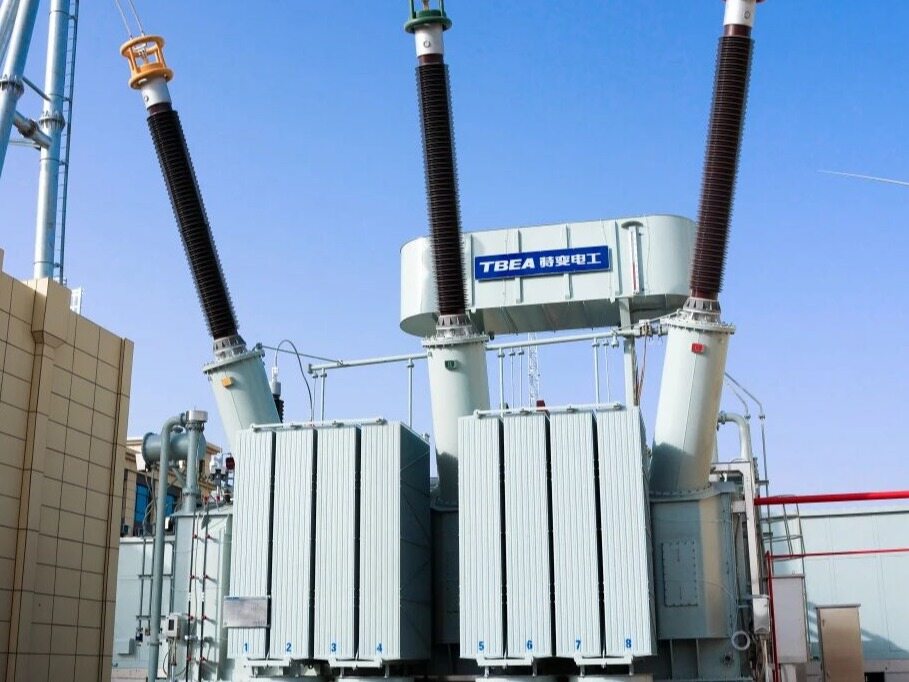
Infrastructure transfusion: The government invested 5.3 billion rupees to construct a 132 kV power grid line from the Islamkot substation, providing approximately 60 megawatts of stable electricity to the mining area. Previously, the drainage operation in the mining area alone consumed 35000 liters of diesel per day, and the power grid supply will fundamentally relieve this heavy burden.
Connect the energy path
The potential of Tal coal mine is enormous, but in the past, it was limited by infrastructure and fell into a vicious cycle of "guarding the coal sea and importing coal". This reform is not only a technological upgrade, but also a shift in the national energy strategy.
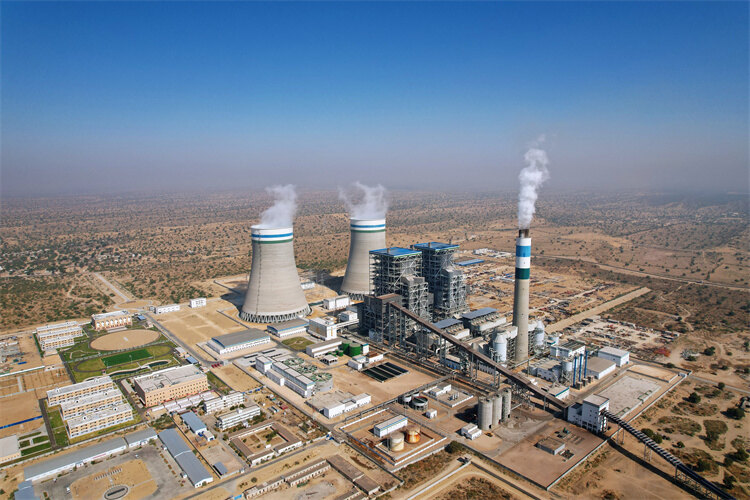
Through the coal electricity integration project under the framework of the China Pakistan Economic Corridor, large-scale pithead power stations have been built in the Ta'er region. The switch of power supply from diesel to the grid in the mining area essentially realizes the "internal circulation" of energy: using coal excavated from the Ta'er coal mine to generate electricity at the Ta'er power station, and then feeding back the operation of the Ta'er mining area through the grid.
This closed loop completely cut off the dependence of mining areas on imported diesel, allowing Pakistan to truly take control of energy security in its own hands. With the improvement of power supply stability in mining areas, mining efficiency is expected to be significantly improved, laying the foundation for expanding production capacity in the future.
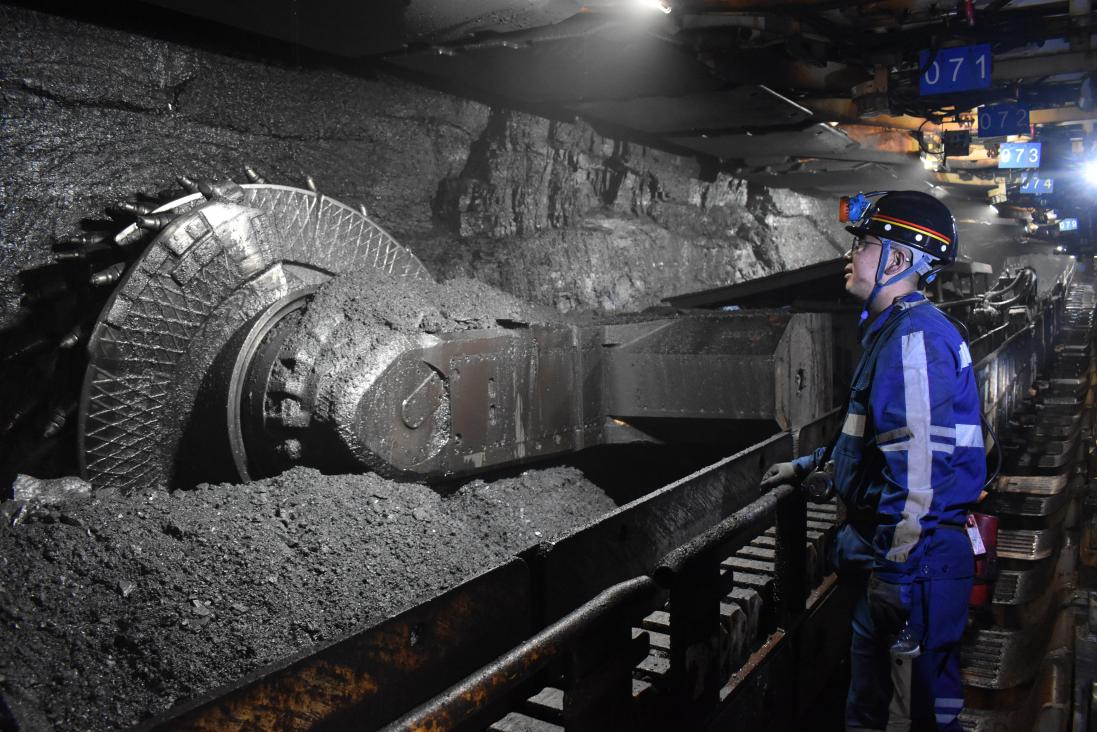
Balancing environmental protection and green initiatives
This reform not only calculates the economic account, but also delivers a good environmental performance report. With the retirement of diesel generators and the promotion of electric mining equipment, the Tal coal mine is expected to reduce approximately 80000 tons of carbon emissions annually.
Although Ta'er coal mine is mainly composed of brown coal, it has achieved relatively clean utilization under the existing resource endowment through the transformation of "coal electricity integration+electrification". The electrification transformation of diesel vehicles not only reduces noise pollution, but also conforms to the long-term trend of global energy transformation, putting a "green" coat on this desert coal.
As the core energy project of the China Pakistan Economic Corridor, the reform of Tal Coal Mine confirms the upgrading logic of the corridor project from "built" to "used well". It is no longer just an infrastructure symbol, but truly achieves mutual benefit between China and Pakistan through continuous optimization of operations. When the roar of diesel engines is replaced by the sound of electricity from the grid, Pakistan's path to energy independence is becoming clearer than ever before.Editor/Yang Meiling
Comment

 Praise
 Collect
 Comment

 Share
Share


Write something~