 Search


- Both parties will engage in in-depth cooperation around gas-fired power plants, cogeneration, and energy infrastructure
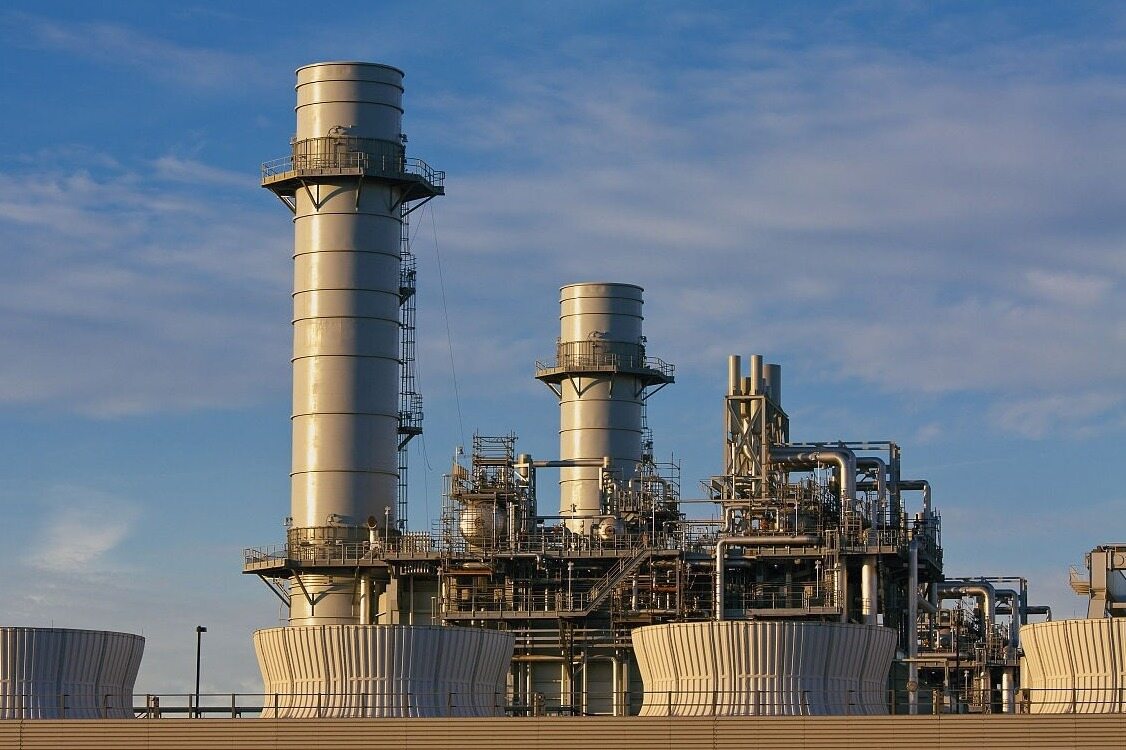
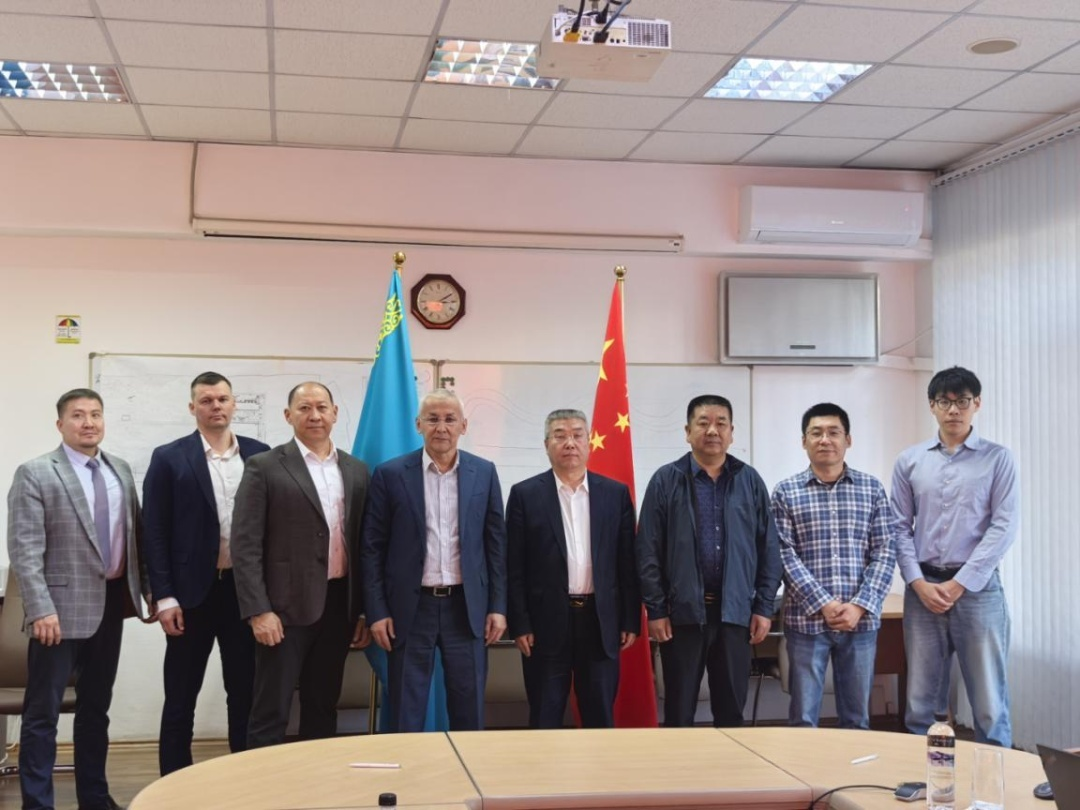
Recently, under the joint witness of both teams, Hebei Electric Power Survey and Design Institute Co., Ltd. (Hebei Institute) of China Power Construction Group and Kazakhstan Energy Industry Design and Research Institute Co., Ltd. (KNEP) officially signed a strategic cooperation agreement. This signing is not the first handshake between the two parties, but an "upgrade" based on the good cooperation foundation of the ongoing CHP2 gas power plant EPC project in Kazakhstan.
From project comrades to strategic partners
Yu Huajin, Deputy Secretary of the Party Committee, General Manager, and Director of Hebei Institute, and Jim Khan, General Manager of KNEP, both led their core management teams to attend, marking a new stage of comprehensive strategic collaboration between the two companies in Harbin from single project execution. Hebei Institute, as a backbone design institute under China Power Construction Corporation, has rich experience in the field of international energy engineering general contracting; KNEP is an old powerhouse in the energy and power sector in Kazakhstan, with national first-class design qualifications. Yu Huajin pointed out at the ceremony that the two sides have a high degree of complementarity in the field of energy engineering construction, and this signing aims to transform the tacit understanding at the project level into long-term technological dividends and market competitiveness.
The technological confidence of a veteran powerhouse
KNEP (KazNIPIEnergoprom) is not an ordinary design company, with a history dating back to the Soviet era. It is a highly influential research and design institution in the field of energy and electricity in Kazakhstan. The company has long been deeply rooted in Kazakhstan and Central Asia, specializing in multiple fields such as electricity, heat, construction, structure, and engineering survey. It holds the national engineering survey qualification in Kazakhstan and can provide full process services for projects from early consultation, feasibility study to engineering design and technical support.
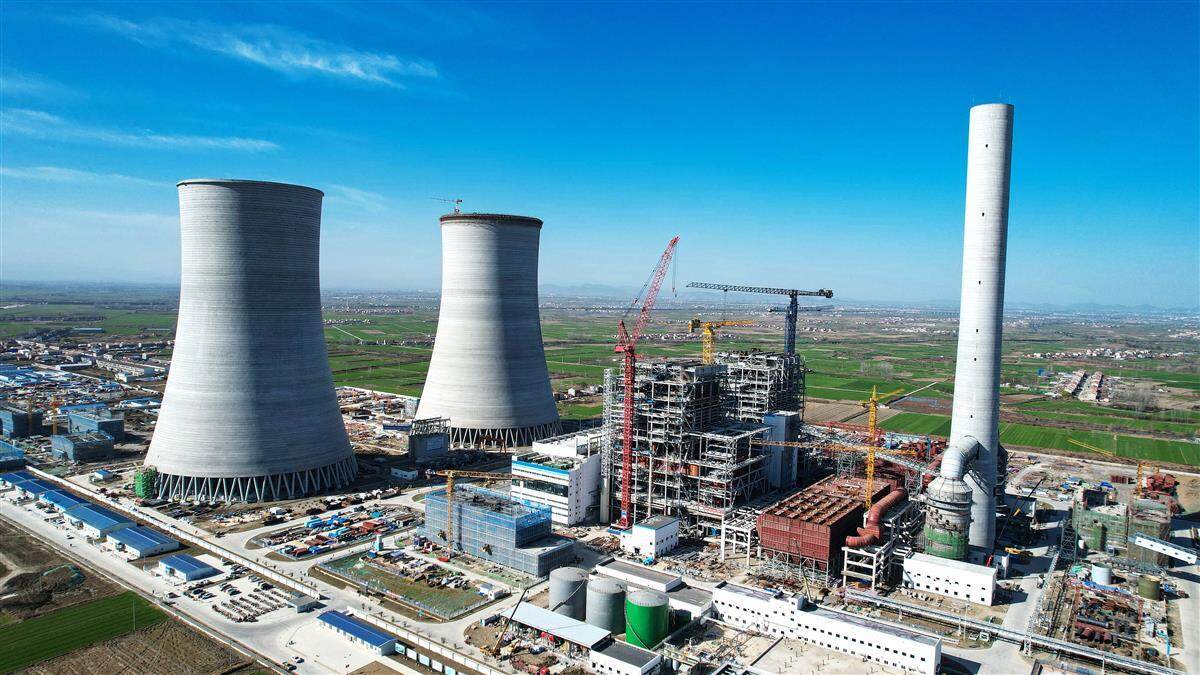
This profound local heritage is precisely the "soft power" that China Electric Power Construction Hebei Institute values. During the promotion of projects such as the CHP2 gas power station in Kazakhstan, KNEP has demonstrated a deep understanding of local regulations, standards, and resources. General Manager Jim Khan stated that KNEP is willing to take this cooperation as a new starting point to build a closer mechanism in design optimization, technological innovation, and local resource integration. This will not only help improve project execution efficiency, but also inject technological momentum into the independent development of Kazakhstan's energy industry.
Build benchmark projects
According to the agreement framework, in the future, both parties will carry out multi-level cooperation in technology exchange, resource sharing, and market expansion around key projects such as gas-fired power plants, cogeneration, and related energy infrastructure. This cooperation model is in line with Kazakhstan's national strategy of "green transformation" and highly consistent with China Power Construction's layout in promoting clean energy development in Kazakhstan.
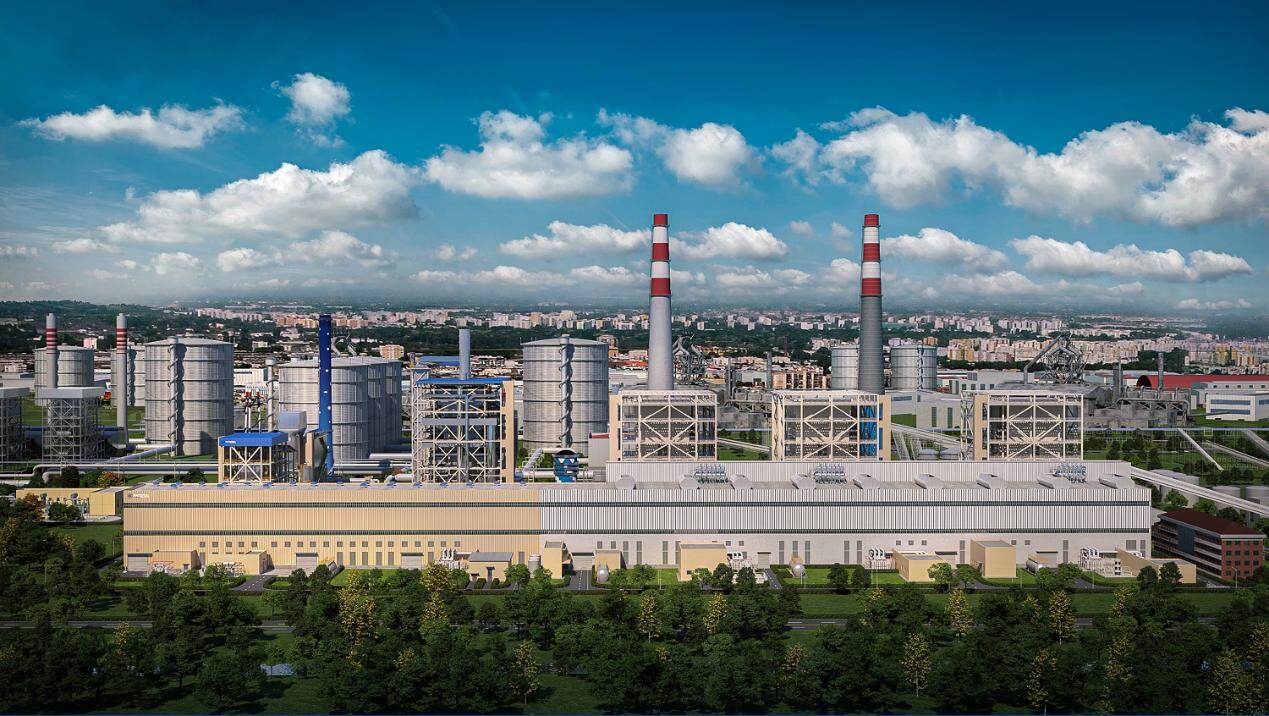
It is worth mentioning that the background project of the cooperation between the two sides, the Kazakhstan CHP2 gas power station (also known as the Almaty 2 power station renovation project), is itself a key livelihood project in Kazakhstan. The project aims to transform an old coal-fired power plant into a modern gas-fired power plant. After completion, it is expected to significantly reduce carbon dioxide and pollutant emissions, improve local air quality, and ensure heating and electricity safety in Almaty city. The deep binding between Hebei Institute and KNEP means that Chinese technology and speed will be more closely integrated with the local experience of Kazakhstan, setting a benchmark for replicating and promoting such high-quality energy projects in Central Asia in the future.
The achievement of this strategic cooperation is not only the signing of an agreement, but also a practical manifestation of the concept of "consultation, co construction, and sharing" between Chinese and Kazakh enterprises in the field of energy infrastructure. It is expected to inject new energy into the energy security and low-carbon transformation of Kazakhstan and even the entire Central Asian region.Editor/Yang Meiling
Comment

 Praise
 Collect
 Comment

 Share
Share


Write something~