 Search


- China Vietnam railway interconnection promotes cooperation and signing of two standard gauge railways
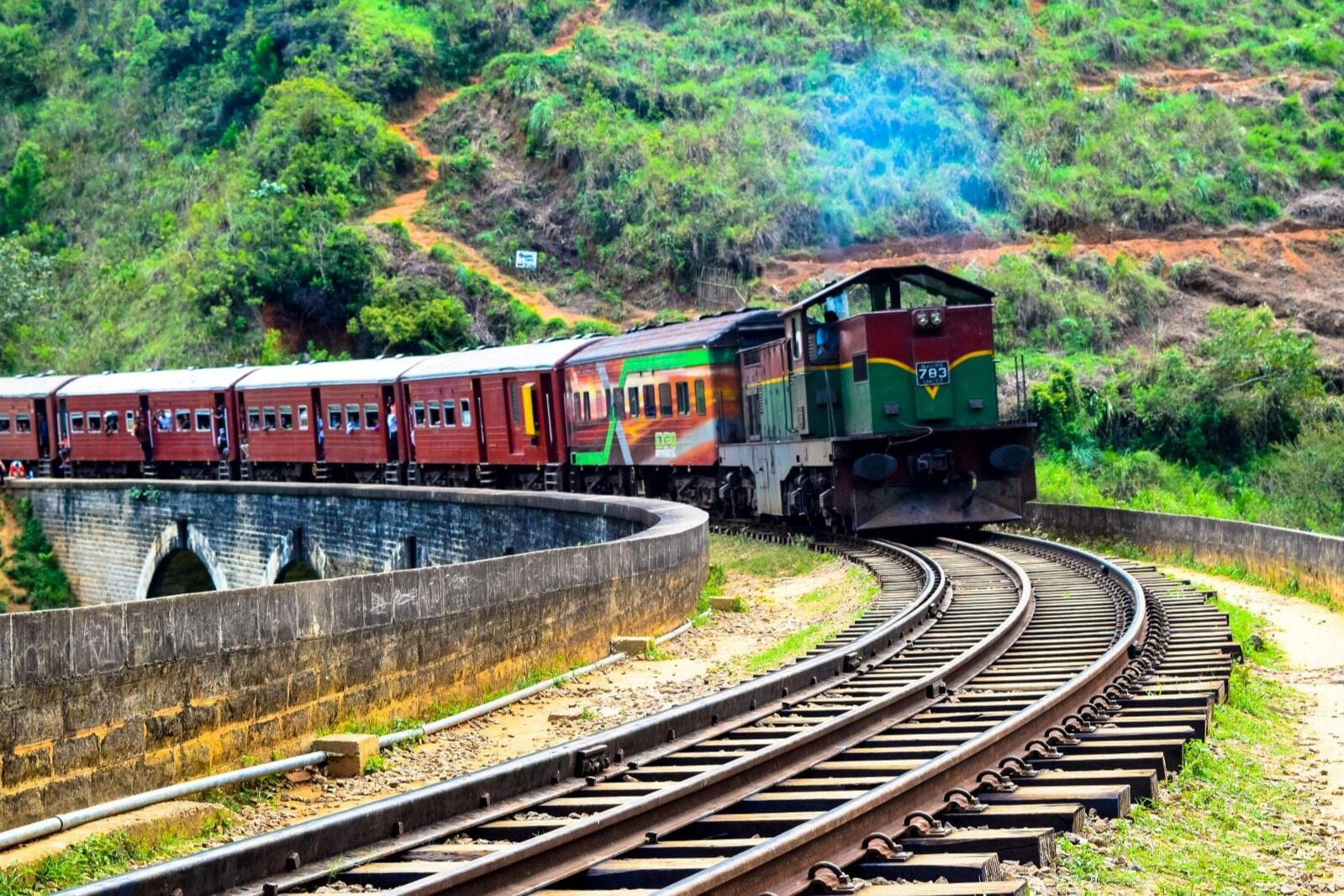
Recently, the International Economic Cooperation Bureau of the Ministry of Commerce of China held working talks with the Ministry of Construction of Vietnam. At the meeting, both sides jointly signed a technical cooperation agreement on the planning of two standard gauge railways, Hanoi Dong Dang and Hai Phong Ha Long Mong Cai. This move marks a substantial step forward for China and Vietnam in promoting railway infrastructure connectivity, injecting strong new momentum into deepening bilateral cross-border transportation and economic and trade cooperation.
The two railway lines signed this time have significant strategic and economic benefits. The Hanoi Tongdeng Railway connects the capital of Vietnam with the northern border town of Tongdeng (Lang Son Province), and is a key section connecting the China Vietnam international railway corridor. In the future, it can be directly connected to the Chinese railway network through the Pingxiang/Tongdeng ports in Guangxi. The Haiphong Ha Long Mang Street railway runs through important ports, tourism, and border cities in northern Vietnam, forming a coastal economic corridor. It is expected to be connected to Dongxing, Guangxi through the Mang Street port, further activating the cross-border cooperation potential of the "two countries, one region". Both railways are planned to adopt the same standard gauge as China's railway network (1435 millimeters), which is conducive to breaking through the constraints of Vietnam's existing railways mainly using meter gauge, greatly improving the efficiency and capacity of cross-border transportation in the future, and is a key measure for the "hard connectivity" of China Vietnam infrastructure.
During the talks, the Chinese side also officially handed over the draft of the pre feasibility study report for the Lao Cai Hanoi Hai Phong railway project to the Vietnamese side. This line is a major transportation artery connecting the northwestern border province of Lao Cai in Vietnam (connected to the Yunnan River mouth port) to the capital and major seaports in the north. The advancement of its preliminary work marks the deepening of China Vietnam railway cooperation towards systematization and networking.
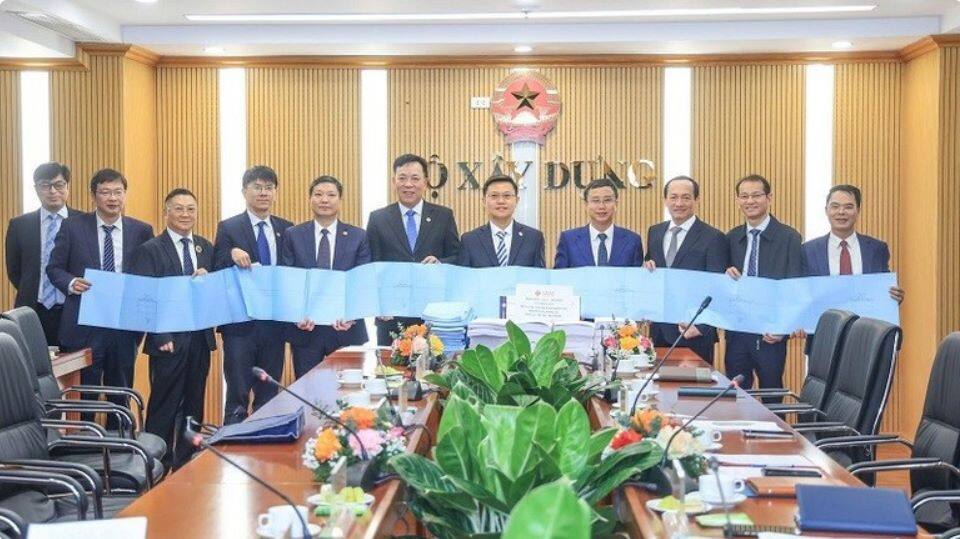
Deputy Minister of Construction of Vietnam, Nguyen Minh Fai, stated at the meeting that China and Vietnam have recently signed four cooperation documents in the railway field. Relevant departments of Vietnam are actively coordinating and coordinating with China to fully implement the cooperation details and related processes. He emphasized that Vietnam will continue to follow the important consensus reached by the high-level leaders of the two countries and firmly promote the cooperation and construction of bilateral standard gauge railways. Zhang Guanbin, Director of the International Economic Cooperation Bureau of the Ministry of Commerce of China, pointed out that China will make every effort to promote the Hanoi Tongdeng and Haiphong Halong Mangjie railway projects, and will fully refer to the mature cooperation model of the Laojie Hanoi Haiphong railway, strictly guarantee the engineering quality and construction progress of the projects, and ensure that the cooperation results will benefit the people of both countries as soon as possible.
To further deepen technological collaboration and project docking, during the talks, the Vietnam Railway Administration and relevant Chinese institutions jointly hosted the "Implementation Seminar on China Vietnam Interconnection Railway Technical Assistance Project". Both parties had full and frank exchanges on specific issues in cooperation, reached broad consensus on multiple key issues, and clarified the establishment of a closer follow-up coordination and cooperation mechanism to jointly solve difficulties and bottlenecks in project progress.
Deputy Minister of Construction of Vietnam, Nguyen Minh Fai, stated at the meeting that China and Vietnam have recently signed four cooperation documents in the railway field. Relevant departments of Vietnam are actively coordinating and coordinating with China to fully implement the cooperation details and related processes. He emphasized that Vietnam will continue to follow the important consensus reached by the high-level leaders of the two countries and firmly promote the cooperation and construction of bilateral standard gauge railways. Zhang Guanbin, Director of the International Economic Cooperation Bureau of the Ministry of Commerce of China, pointed out that China will make every effort to promote the Hanoi Tongdeng and Haiphong Halong Mangjie railway projects, and will fully refer to the mature cooperation model of the Laojie Hanoi Haiphong railway, strictly guarantee the engineering quality and construction progress of the projects, and ensure that the cooperation results will benefit the people of both countries as soon as possible.
To further deepen technological collaboration and project docking, during the talks, the Vietnam Railway Administration and relevant Chinese institutions jointly hosted the "Implementation Seminar on China Vietnam Interconnection Railway Technical Assistance Project". Both parties had full and frank exchanges on specific issues in cooperation, reached broad consensus on multiple key issues, and clarified the establishment of a closer follow-up coordination and cooperation mechanism to jointly solve difficulties and bottlenecks in project progress.
Deepen strategic alignment and jointly draw a new blueprint for regional development
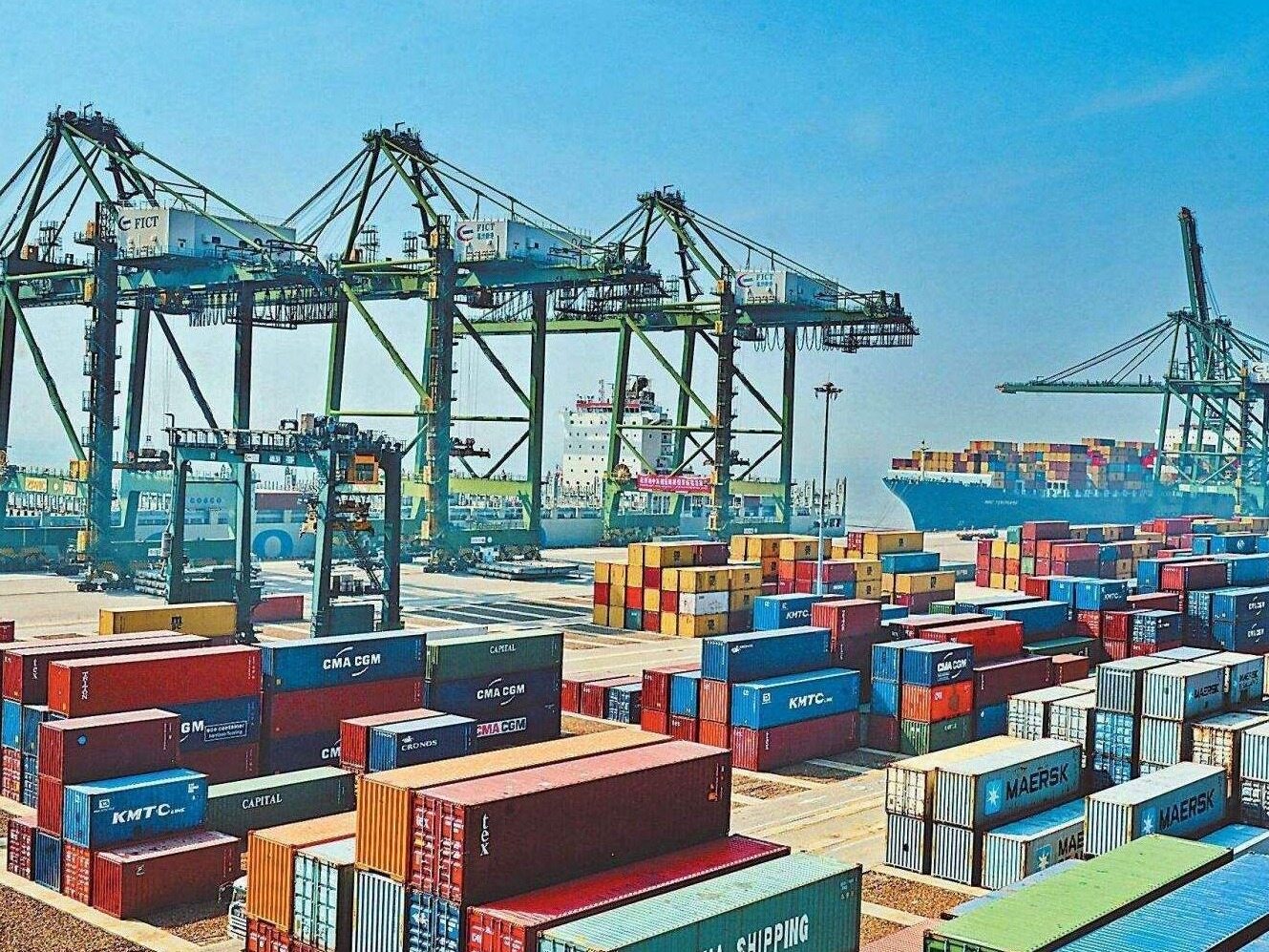
The series of new developments in China Vietnam railway cooperation is an important manifestation of the deep alignment of the development strategies of the two countries. Strengthening railway interconnection will directly reduce logistics costs, improve trade efficiency, help optimize regional industrial and supply chain layout, promote deep economic integration between Southwest China and Northern Vietnam, and provide solid support for the construction of the "China Indochina Peninsula Economic Corridor". Keywords: Southeast Asia, railways, interconnectivity
From Old Street Hanoi Haiphong, to Hanoi Tongdeng, and then Haiphong Ha Long Mang Street, the steel veins of planning and construction are gradually outlining an efficient and convenient land transportation network between China and Vietnam. This will not only rewrite the economic and trade cooperation landscape between the two countries, but also create new opportunities for closer connection between the ASEAN region and the Chinese market through land routes. In the future, with the successive implementation of these strategic projects, the level of connectivity between China, Vietnam, and even China and ASEAN will reach a new level, laying a more solid development track for regional economic integration and common prosperity. (This article is from the official website www.seetao.com of Jian Dao. Reproduction without permission is prohibited, otherwise it will be prosecuted. Please indicate Jian Dao website+original link when reprinting.) Jian Dao website Southeast Asia column Editor/Sunyaxin
Comment

 Praise
 Collect
 Comment

 Share
Share


Write something~