 Search


- Depart from Xi'an Xianyang Airport, take the railway to Kashgar, and then use the TIR transportation system to directly reach Uzbekistan

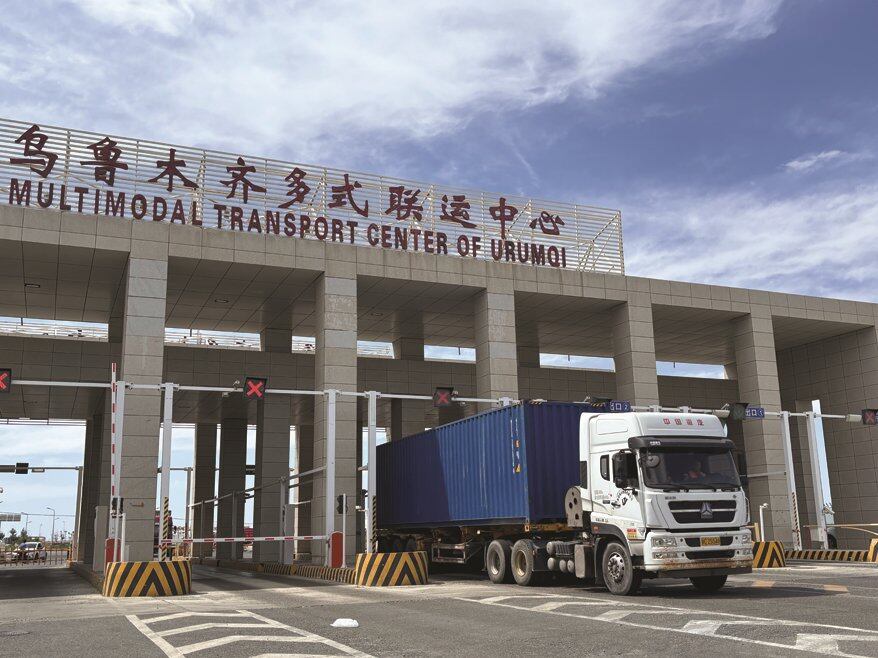
As container trucks loaded with car parts roared out of the Irkeshtam port, a digital trade Silk Road that crosses the Tianshan Mountains and connects Central Asia was officially lit up.
This is not an ordinary cross-border transportation, but a crucial change in the history of Chinese logistics - on March 27, 2026, the first multimodal transport+TIR international transportation route in China was officially opened. From the air rail intermodal transportation at Xi'an Airport, to the road connection in Kashgar, Xinjiang, and finally to the one-stop logistics in the hinterland of Central Asia, this logistics artery spanning over 3000 kilometers is reshaping the spatial and temporal pattern of trade between China and Central Asia.
11 days to beat traditional routes
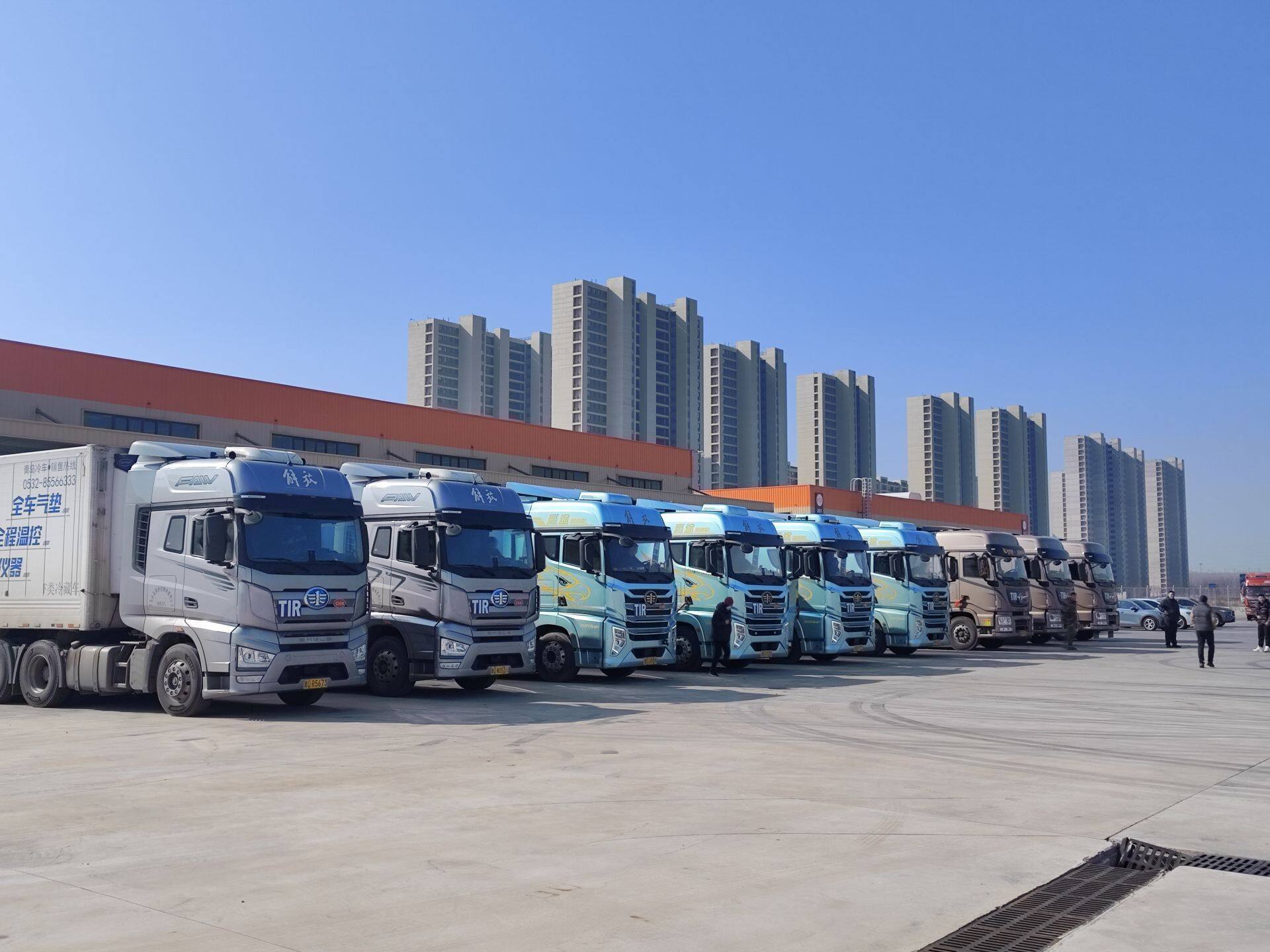
This batch of 32 packages and several tons of automotive parts has become a touchstone for the new model. They departed from Xi'an Xianyang International Airport on March 16th, transported by railway to Kashgar, and then transferred to TIR system (International Road Transport System) trucks, arriving in Uzbekistan in just 11 days. Compared to traditional transportation methods, this process saves 3 to 5 days.
The secret to speed up lies in the deep coupling between multimodal transport and TIR. The TIR system, with its unique customs seal mutual recognition mechanism, eliminates the need for secondary unpacking and inspection of containers during transit, reducing clearance time by over 30% and overall logistics costs by about 20%. For the export of highly timely automotive parts, this is not only a victory of time, but also a significant optimization of supply chain costs
The Golden Passage of Irkeshtam
As the throat of this new artery, the strategic position of the Irkeshtam Port has suddenly risen. This is not only the border between China and Kyrgyzstan, but also a super node connecting West Asia, South Asia, and even Europe.
According to statistics, the port's cargo volume increased by over 40% year-on-year in the first quarter of this year, making it the largest highway port in western Xinjiang in terms of cargo volume.
With the maturity of air rail public multimodal transport, the future goods from China's hinterland to Iran, Türkiye and even Europe will be seamlessly transferred here. This flexible, efficient, and economical cross-border logistics solution is transforming the ancient Silk Road into a modern trade highway. Keywords: interconnectivity, digital trade, Silk Road
From the sound of camel bells to the rolling wheels, from single shipping to three-dimensional connectivity, China is redefining distance with technological and institutional innovation. The rapid arrival in these 11 days not only allows Chinese manufacturing to reach the Central Asian market faster, but also proves to the world that in the cold wave of anti globalization, China is still the toughest link in the global supply chain.Editor/Cheng Liting
Comment






 Praise
 Collect
 Comment

 Share
Share


Write something~