 Search


- This is not an ordinary project, but an extreme challenge unfolding on the "third pole" of the world
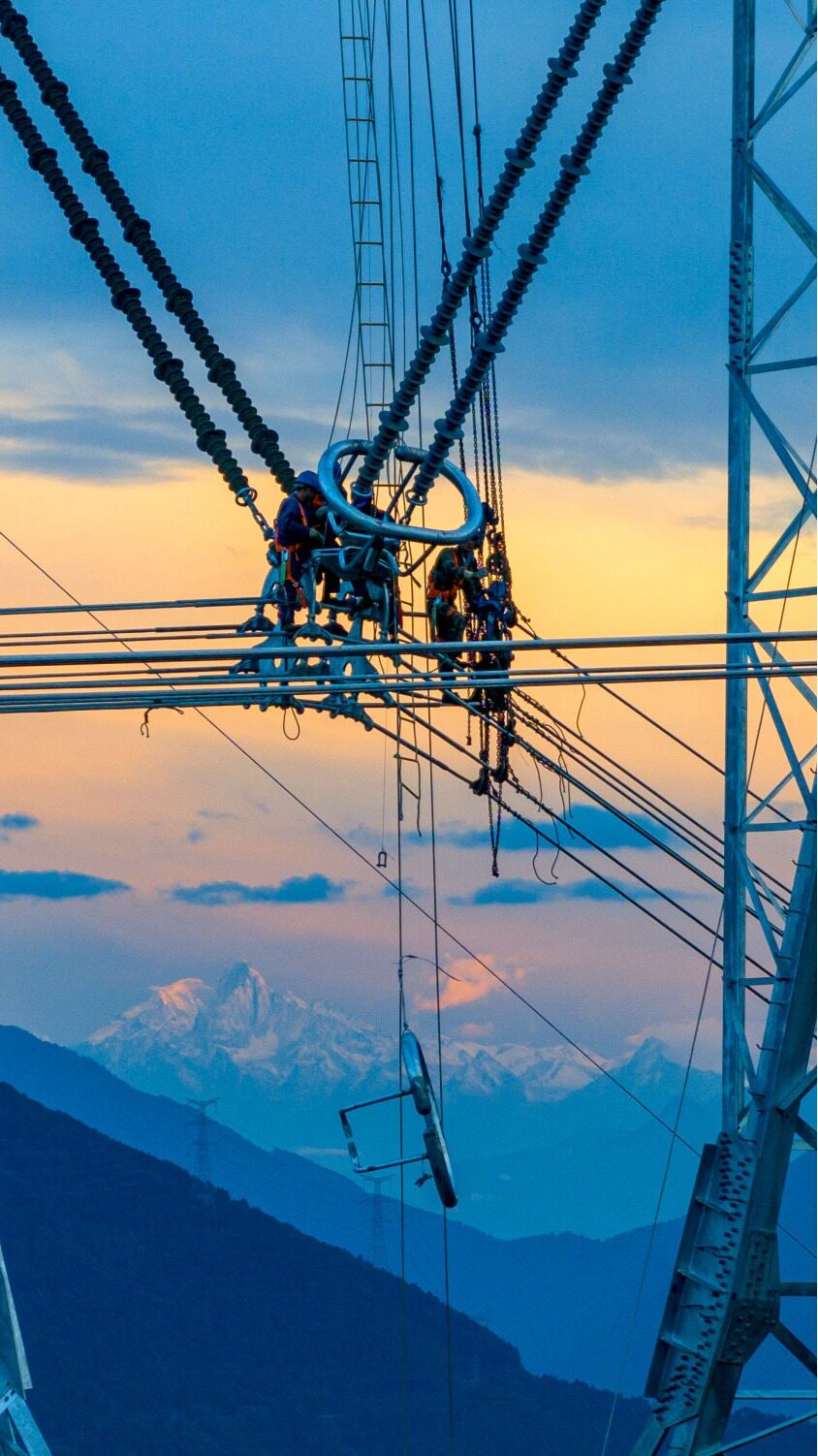
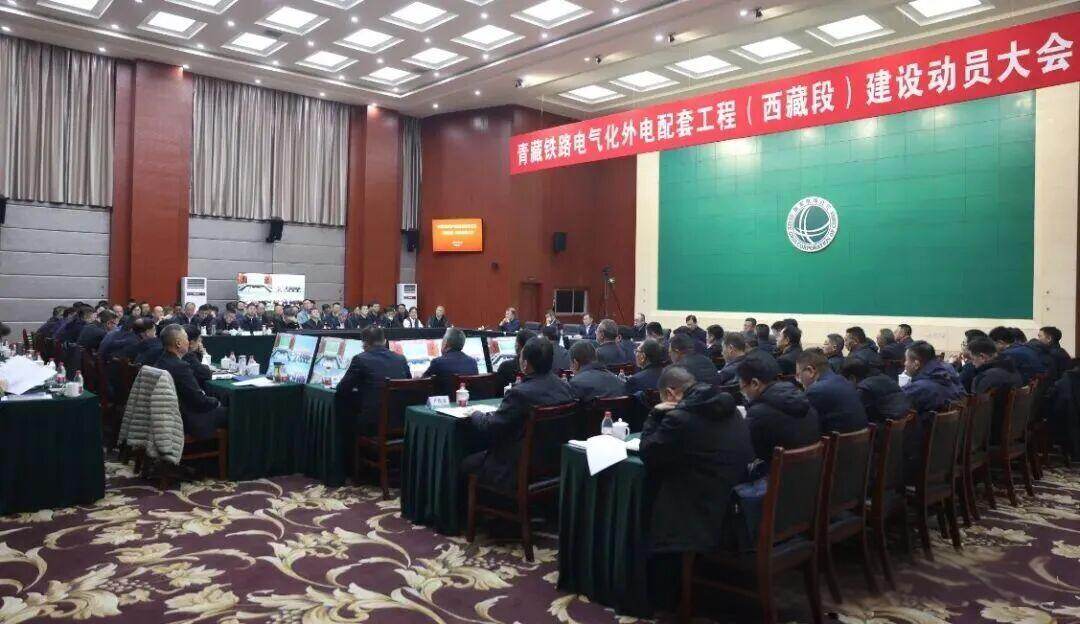
In the morning, the wind on the roof of the world still carries a chilling chill. On the snowy plateau with an average altitude of 4500 meters, a group of builders held a simple yet solemn mobilization meeting facing the vast snow capped mountains. This is not an ordinary project, but an extreme challenge launched in the "third pole" of the world - on the morning of March 31, 2026, the external power supporting project for electrification of the Qinghai Tibet Railway (Xizang Section) officially entered the full construction phase, marking the electrification dream of this "heavenly road", which is accelerating into reality.
Twenty years ago, the entire Qinghai Tibet Railway was opened to traffic, and giant dragons galloped across the plateau, connecting Xining in Xizang and Lhasa in Tibet, becoming the economic artery driving the development of the Qinghai Tibet region. Twenty years later, as China's high-speed railway network extends in all directions, this high-altitude railway with the world's highest altitude and longest route has ushered in a critical moment of power iteration - moving from diesel locomotives to electric traction. And the foundation of all of this is the power supporting project that has been launched at this moment, with a total investment of 14.902 billion yuan.
Connect the energy bloodline of electrification
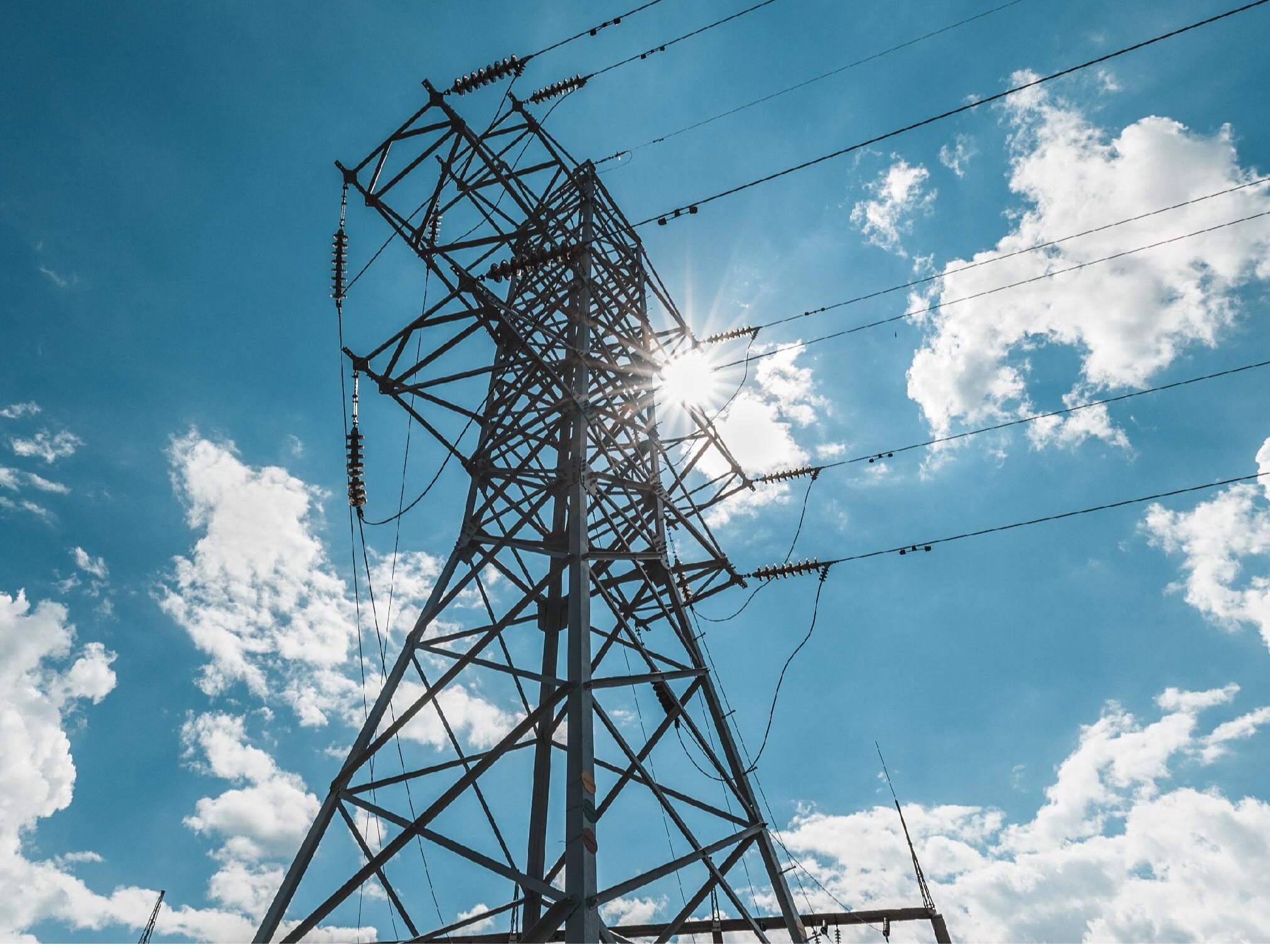
As a pilot project for the electrification transformation of the Qinghai Tibet Railway, this external power supporting project consists of the Qinghai section and the Xizang section. Among them, the investment in Xizang is 7.518 billion yuan, which can be called the "top play". The project plan is to build 2 new 500 kV substations, 2 new 220 kV substations, and switch stations on the snowy plateau, and to construct a total length of 1552.5 kilometers of transmission lines. The entire construction period is 36 months.
At present, key procedures such as environmental impact assessment, water conservation, and forest and grass survey have all been approved, temporary land use has been in place, and permanent land approval is accelerating. All participating units have gathered on the plateau, and the line project has met the legal conditions for construction. A "power battle" against high altitude, oxygen deficiency, and ecological vulnerability has begun.
The connection of this' energy bloodline 'will directly drive the Qinghai Tibet Railway to achieve a historic leap from the' internal combustion era 'to the' electricity era '. A quieter and zero emission electric locomotive will significantly reduce noise and exhaust pollution in ecologically sensitive areas such as Kekexili, safeguarding the purity of the plateau.
1600 kilometer extreme challenge
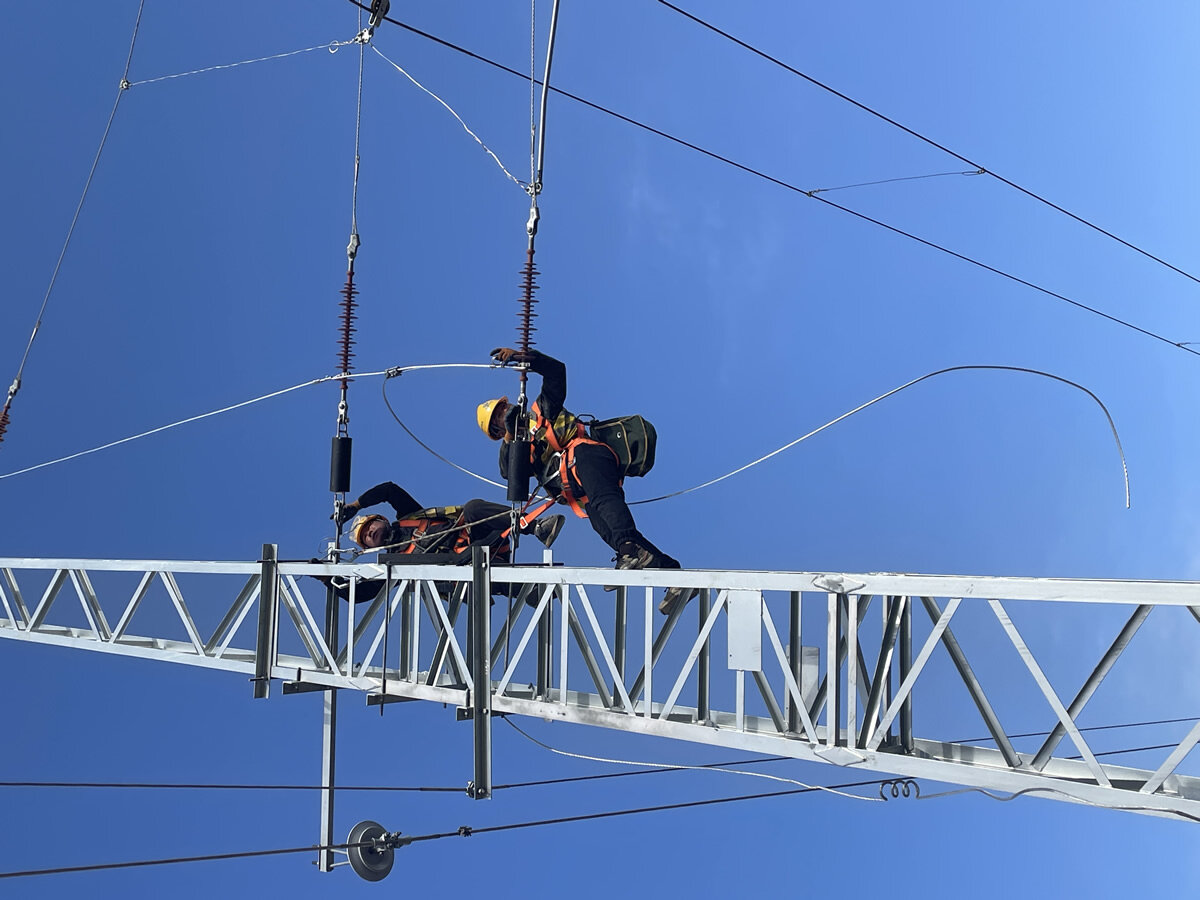
If the Qinghai Tibet Railway itself is an engineering miracle, then the construction of the power lines that supply it is the ultimate challenge beyond the miracle. The 1600 kilometer line of the project will run through vast uninhabited areas such as Kekexili, with 1500 kilometers of it needing to cross the geologically unstable plateau permafrost area - where the freezing and melting of permafrost constantly threaten the stability of the tower foundation.
The route also needs to cross water systems such as the Tuotuo River and Chumar River at the source of the Yangtze River, and pass through 14 national level ecologically sensitive areas. Technically, the project needs to cross or drill through existing AC and DC transmission lines 112 times, and cross important transportation arteries such as railways, highways, and national highways 121 times. Each one is the ultimate test of construction accuracy, equipment weather resistance, and personnel perseverance.
On the plateau, every screw tightened and every iron tower erected is several times more difficult than on the plain, "said a person in charge of the site." Material transportation, equipment operation and maintenance, and personnel health protection are all unprecedented challenges. But it is precisely this complexity that highlights the milestone significance of the project for China's ability to build power grids in high-altitude and cold regions.
Empowering Xizang to develop a new pattern
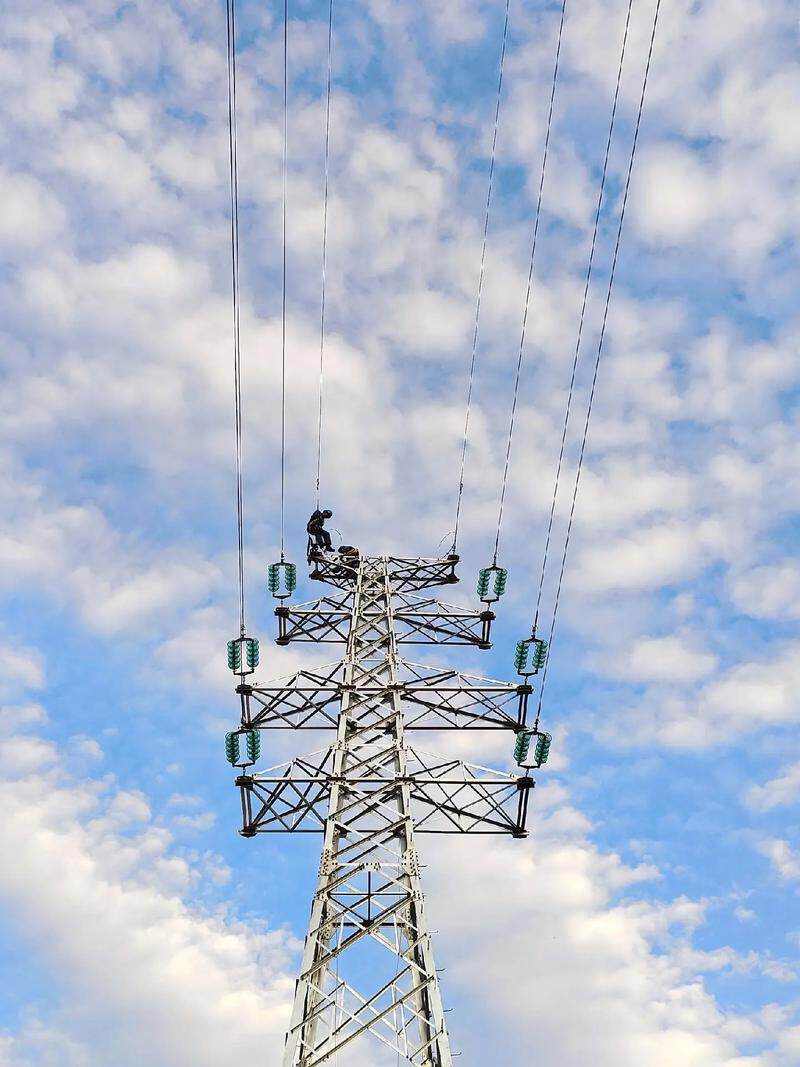
The significance of this mega project goes far beyond making trains run faster and more environmentally friendly. It is also a key part of reshaping the energy and economic pattern in Xizang, especially in northern Tibet.
The new and expanded substations and power grids will greatly enhance the power supply capacity and reliability in northern Xizang and optimize the overall power grid structure in Tibet. It not only provides strong power guarantee for future railway traction stations, but also injects stable power into important facilities such as towns, border posts, and communication base stations along the line.
More importantly, a stronger and more flexible power grid will be like a key, opening the door to the rich treasure trove of clean energy such as wind and light in northern Tibet, promoting the large-scale development and transmission of green electricity. This directly echoes China's goal of peaking carbon emissions and is expected to promote the Qinghai Tibet Plateau to take the lead in demonstrating green and low-carbon development.Editor/Yang Meiling
Comment





 Praise
 Collect
 Comment

 Share
Share


Write something~