 Search


- Yakeshi, Inner Mongolia is building the world's largest all season ice and snow testing ground, capable of indoor snow making
- Cracking the dilemma of cold and high-altitude testing for new energy vehicles, expected to be completed by 2028
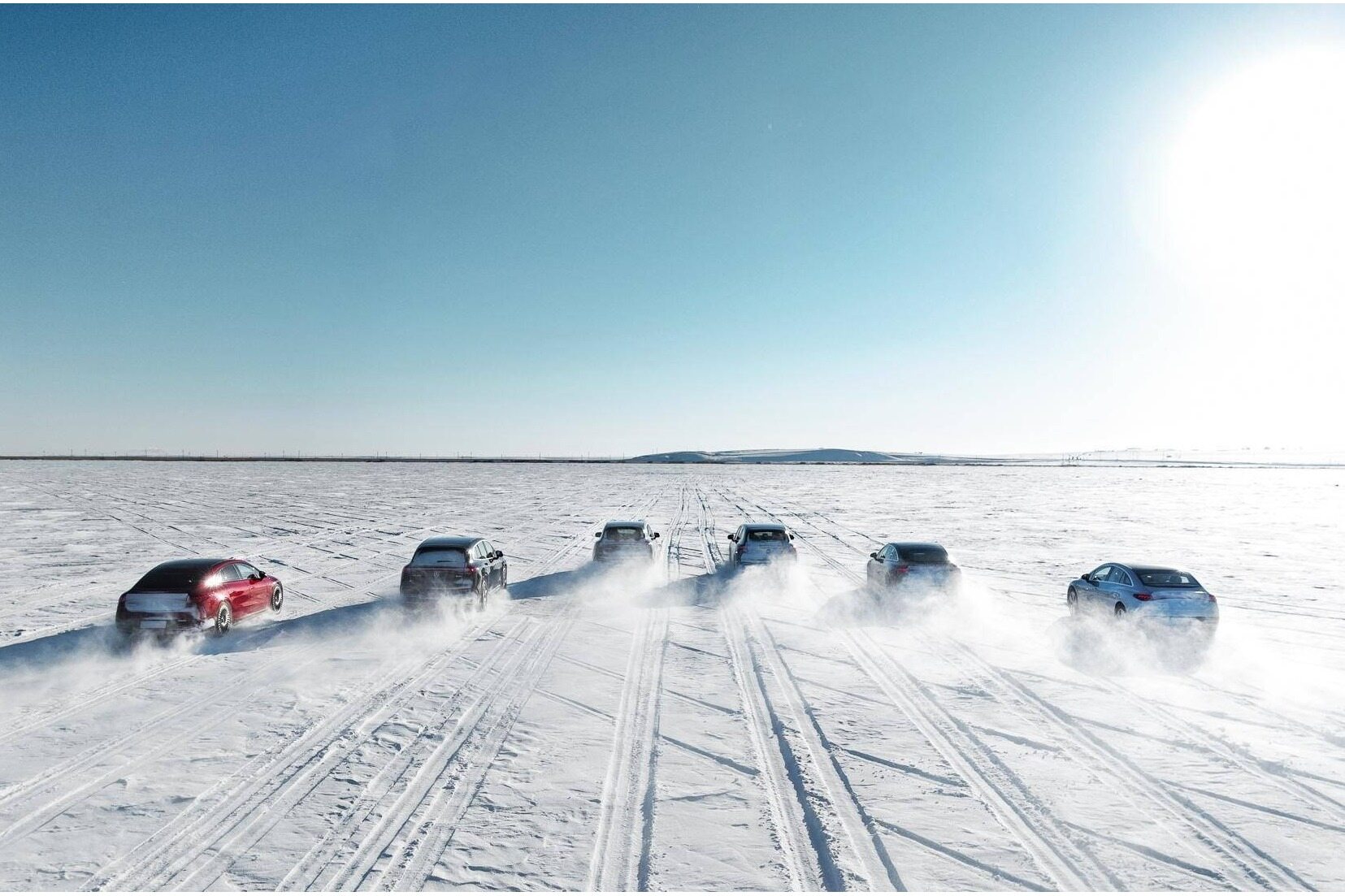
In May, Yakeshi, Inner Mongolia, the grasslands are beginning to turn green, but in the near future, a super project that has been "frozen" all year round will be born here. For Li Xiang, a new energy vehicle engineer, this means he no longer has to chase the cold wave around the world with his fleet. Recently, with the first shovel of soil falling, the world's largest intelligent connected new energy vehicle all season ice and snow test base has officially started construction. This "Ice and Snow Laboratory" with a total investment of 1.2 billion yuan and covering an area of thousands of acres will completely rewrite the history of extreme cold testing for automobiles - bringing uncontrollable nature into a precisely controllable indoor environment.
Breaking the Curse of Seasons
In the past, when testing the winter performance of electric vehicles, car companies had to seize the short four month winter window period and travel to Heihe or Northern Europe. Not only was the cost high, but once missed or there was no snow in the warm winter, the research and development progress was forced to be put on hold. The core breakthrough of this new base lies in the 'full season'. Through the use of a giant refrigeration system and artificial snowfall technology, it can reproduce icy and snowy roads with temperatures as low as minus tens of degrees Celsius in hot summer days, allowing car manufacturers to no longer be constrained by weather conditions and achieve "test it if you want".
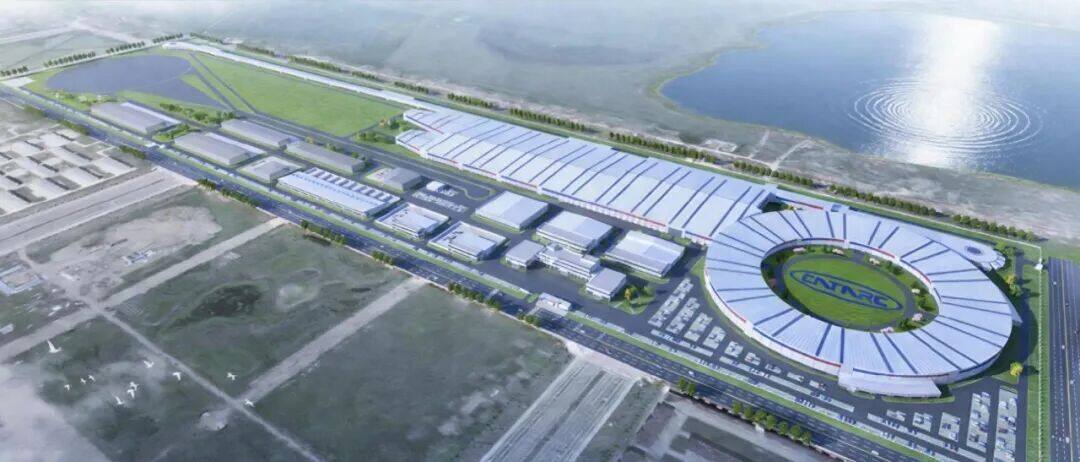
Thousand acre Extreme Examination Hall
The base has planned five functional areas, which is equivalent to creating a thousand acre extreme examination room for intelligent connected vehicles. Not only can the battery and motor be tested for their endurance and starting ability in extreme cold, but a low adhesion road surface is also specially set up for calibrating the chassis and braking system. More importantly, it covers the perception and decision-making testing of intelligent connected vehicles under extreme working conditions such as snowfall and icing, and even verifies the low-temperature adaptability of flying cars here.keywords:Infrastructure News
The confidence of Chinese standards
The base is expected to be put into use in 2028 and will become the world's first testing ground with indoor snowfall scenarios. Its significance goes far beyond scale, but also lies in the power of discourse. By establishing precise and reproducible ice and snow testing standards and data systems, the Chinese automotive industry will complete the final stage of high-altitude verification, providing solid technical endorsement for domestic new energy vehicles to enter the global extreme cold market, and helping China move from a major automotive country to a strong automotive nation.Editor/Yang Meiling
Comment


 Praise
 Collect
 Comment

 Share
Share


Write something~