 Search


- China Vietnam supply chain co creation achieves complementary advantages and seizes the dividends of global supply chain reshaping
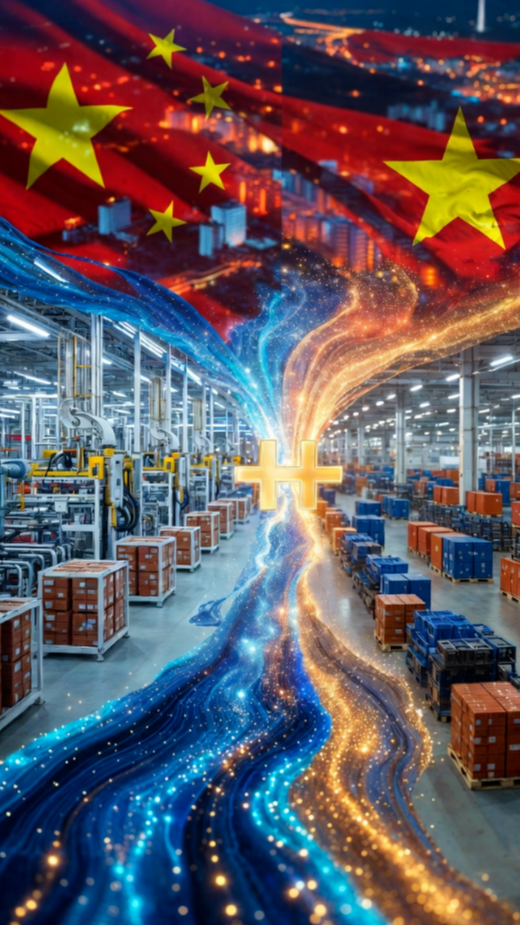
In 2026, Vietnam is accelerating to become a key node in the process of reshaping the global supply chain. With its demographic dividend, free trade agreement network, and continuously upgraded infrastructure, Vietnam has transformed from a low-cost assembly base to a high-value full chain manufacturing hub. Chinese enterprises are seizing the trillion dollar dividend window of the global China Plus One strategy by exporting capital, technology, and supply chain management experience, and deeply integrating with local resources in Vietnam.
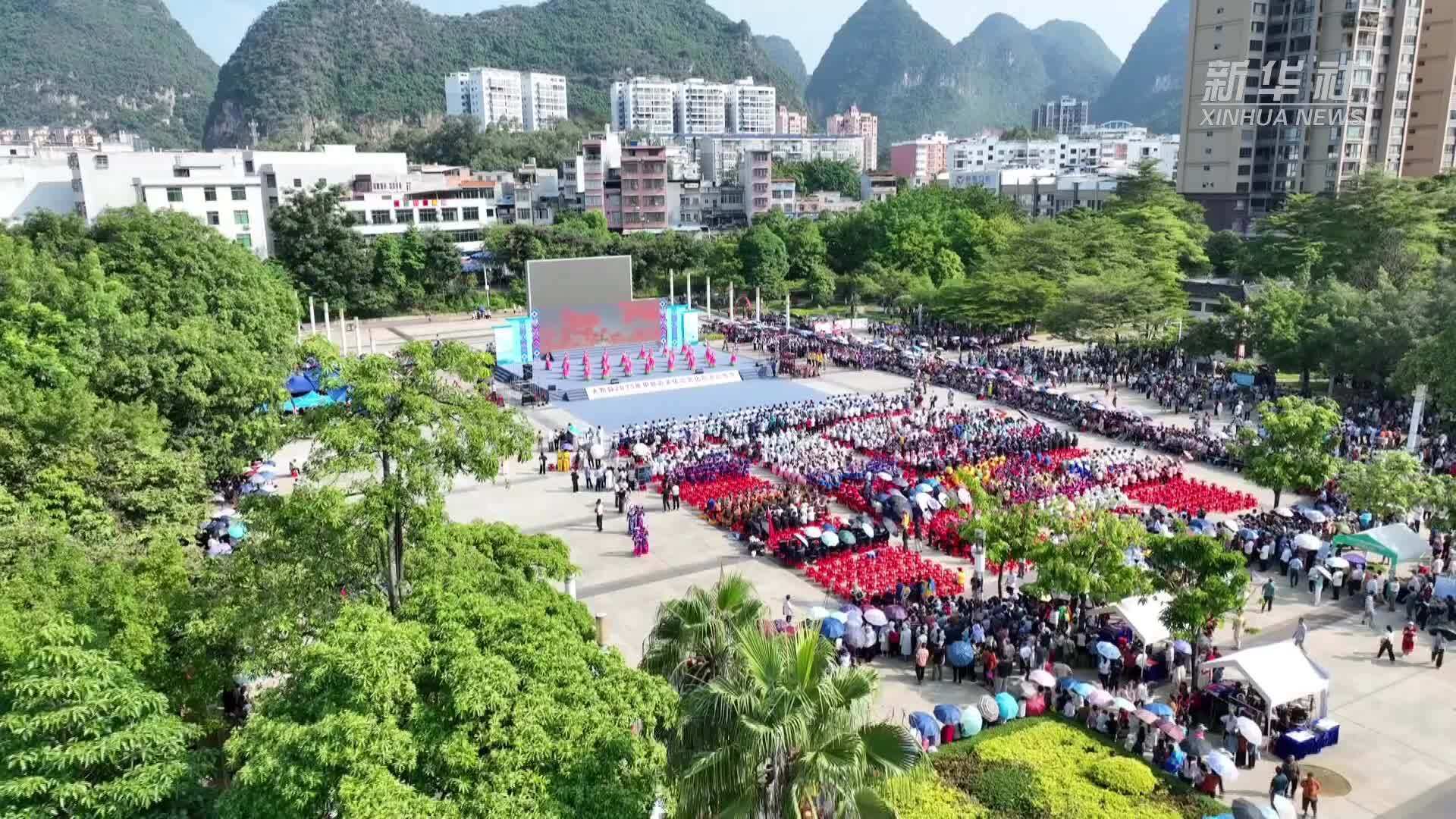
Export and investment data continue to rise
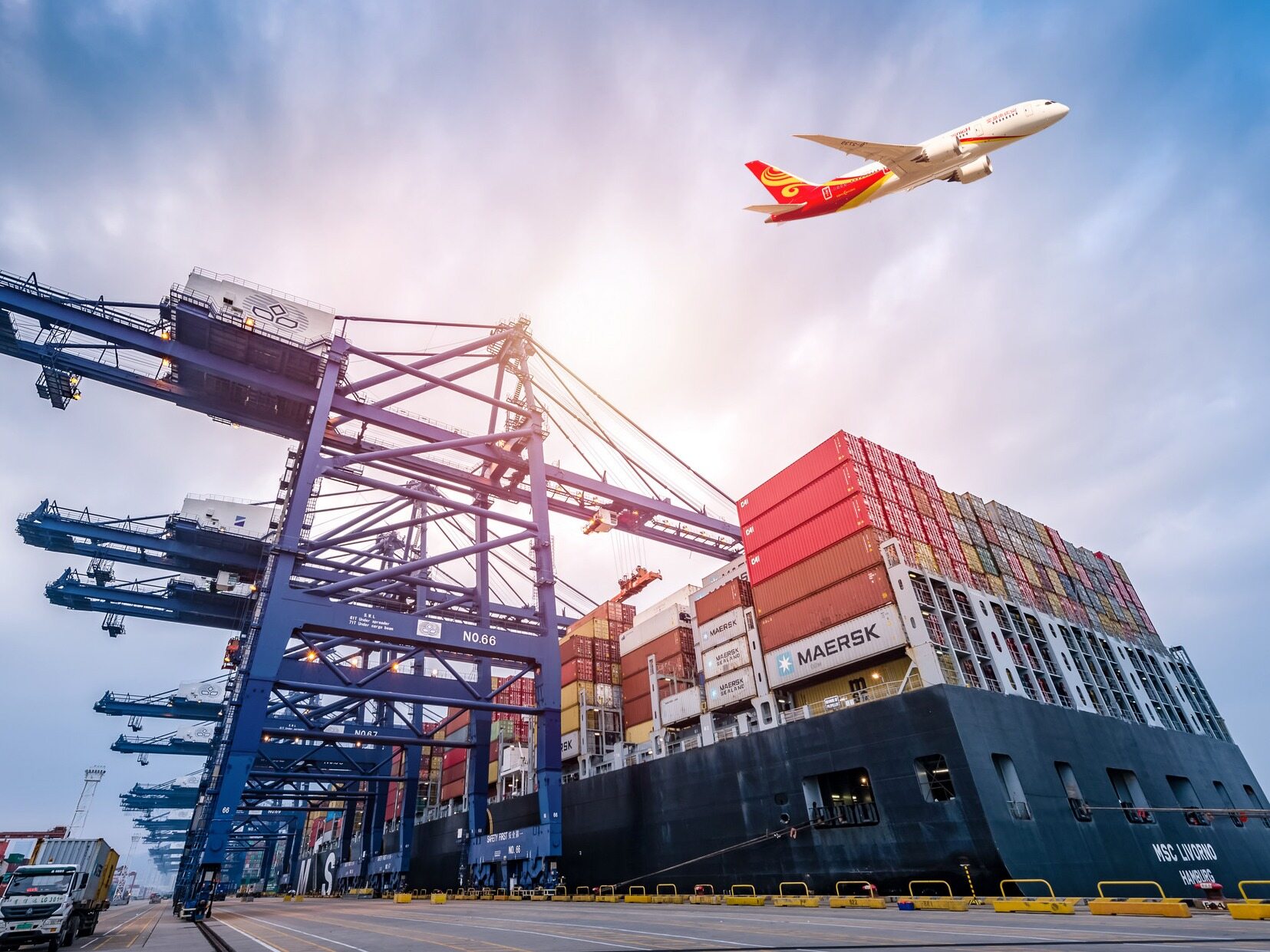
In 2025, Vietnam's total export value will exceed 475 billion US dollars, a year-on-year increase of 17%, and the total import and export value will reach 930 billion US dollars, setting a new historical high. The registered foreign direct investment for the whole year was about 38.4 billion US dollars, with actual utilization of 27.6 billion US dollars, of which the manufacturing and processing industry accounted for over 56% to 82%. In 2026, exports are expected to continue growing by 12% to 14%, and Vietnam is steadily becoming a supply chain hub in Southeast Asia.
The logistics supply chain market has reached a scale of 45 to 50 billion US dollars by 2025, with an annual growth rate of 14% to 16%. It is expected to reach 55.5 billion US dollars by 2026 and exceed 76 billion US dollars by 2031.
Vietnam has a population of nearly 100 million, with over 60% of the workforce being young. 16 free trade agreements cover 60% of the world's gross domestic product. China has maintained its position as Vietnam's largest trading partner for several consecutive years, with bilateral trade volume exceeding 260 billion US dollars by 2024. High value-added fields such as semiconductors, electronics, textiles, and automotive components are accelerating their layout, with international giants investing over 2 billion US dollars in this field from 2025 to 2026.

Co creation mode achieves complementary advantages
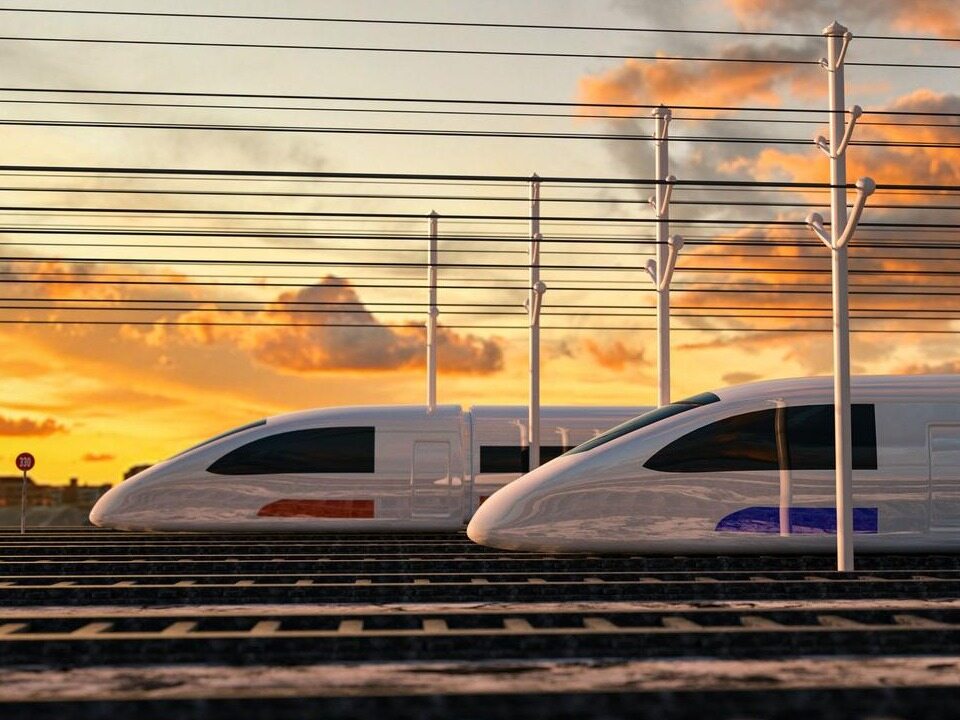
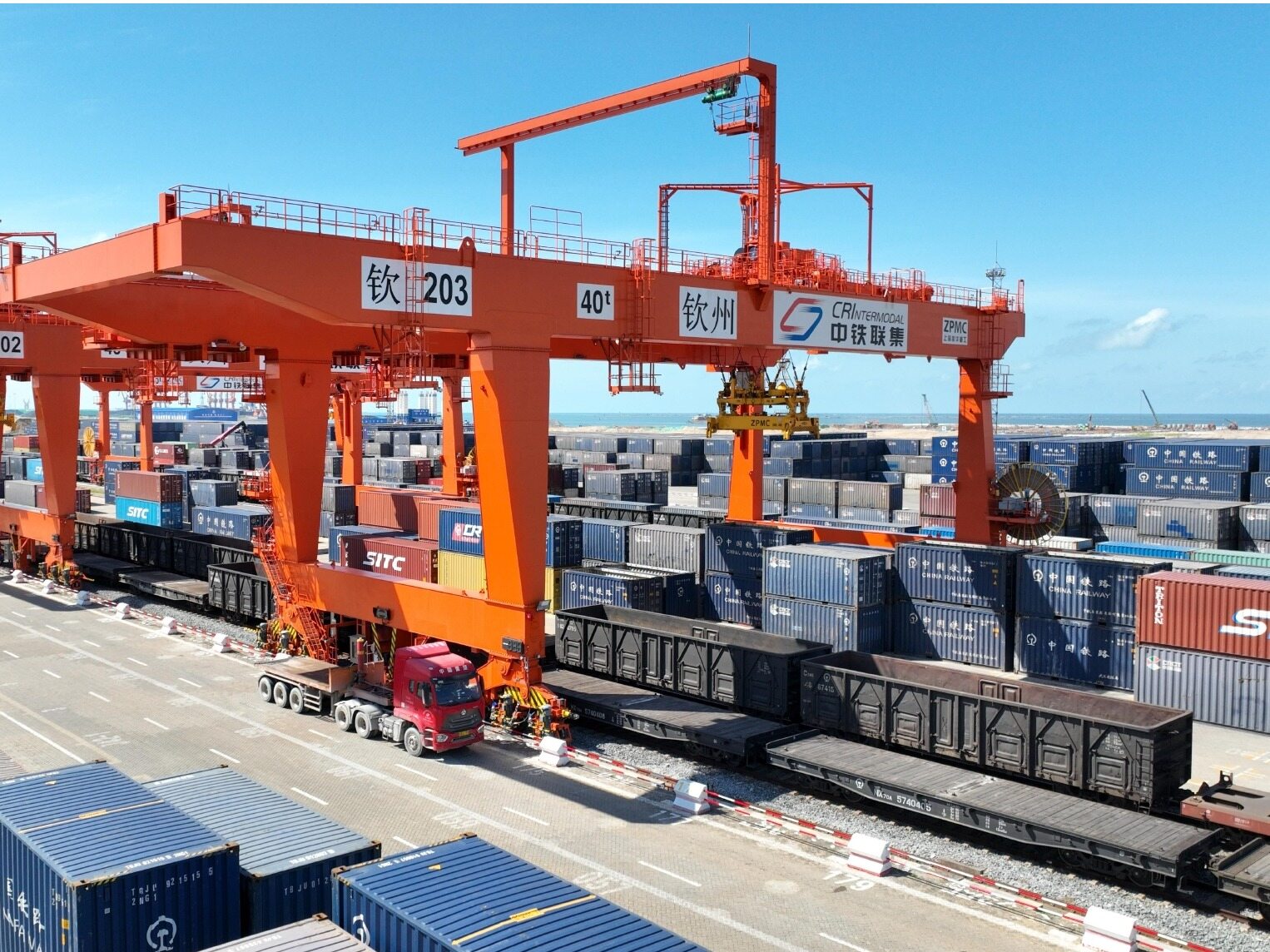
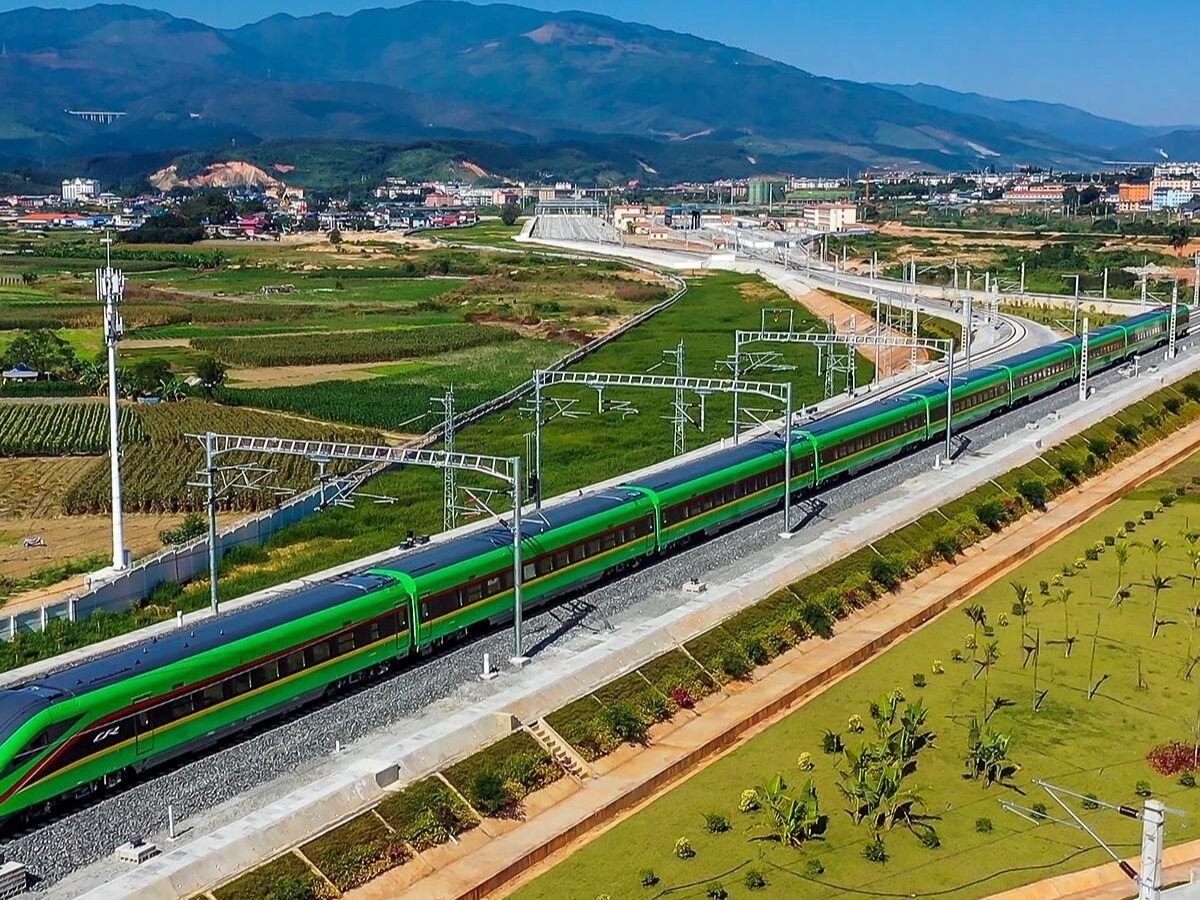
Supply chain co creation refers to Chinese companies providing funding, technical standards, supply chain management tools, and global orders, while local teams or industrial parks in Vietnam provide land, labor, localized operations, and policy support. Both parties are jointly building a closed-loop system from front-end design to end-to-end delivery in the fields of electronics, textiles, 3C, automotive components, and more. The interconnection between China Vietnam border warehouses and cross-border railways has shortened transportation time by about 30% and reduced costs by 15% to 20%.
The advantage of the co creation model lies in solving the difficulties faced by foreign-funded enterprises in enjoying the zero tariff benefits of the Vietnam Free Trade Agreement and the local supply chain network. The cooperation between Chinese supply chain platforms, Vietnamese industrial parks, and local channels can quickly establish distribution and compliance channels. Many Chinese enterprises have invested in building electronic assembly plants and local logistics warehouses in Vietnam through this model, and the total volume of single chain commodity transactions will grow by more than 50% in 2025. In the field of textiles and footwear, China's supply chain, in conjunction with Vietnam's green factories, has become the preferred supplier for European and American brands.

Three step strategy and risk warning
The co creation of Vietnam's supply chain can be divided into three steps. The first step is to focus on high demand categories such as electronics, textiles, 3C, and automotive parts, and establish front warehouses at the China Vietnam border or industrial parks to achieve Chinese design and Vietnamese manufacturing. The second step is to sign contracts with local industrial parks or supply chain partners in Vietnam, and the Chinese team will output standards, enterprise resource planning systems, and order management to jointly optimize localized production. Step three, with the help of artificial intelligence supply chain tools and local data feedback, lay out the new environmental protection and tariff regulations for 2026 in advance, and shift towards high value-added and green supply chains. Keywords: the Belt and Road News Network, China Vietnam Cooperation
In terms of risk, geopolitical and tariff fluctuations require continuous attention. The deepening of high-level consensus between China and Vietnam, as well as the pilot promotion of cross-border economic cooperation zones, have provided favorable policy windows for the co creation model. The Vietnamese supply chain is shifting from low-cost substitution to high-value co creation, and China and Vietnam are working together to build the world's most resilient industrial and supply chain system.Editor/Gao Xue
Comment



 Praise
 Collect
 Comment

 Share
Share


Write something~