 Search


- On March 31, 2026, Laos and Vietnamese enterprises officially signed a railway franchise agreement
- Invest 1.339 billion US dollars to open up overseas channels, aiming to turn the "landlocked country" into a regional logistics hub
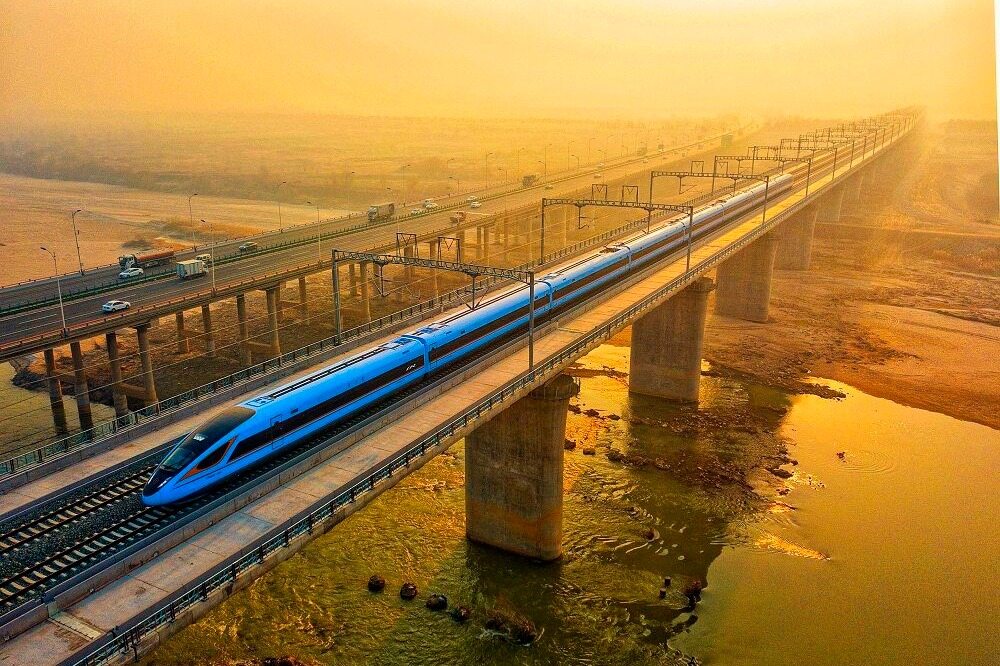
The signing handwriting under the spotlight at the Wanda Landmark Hotel on March 31st may rewrite the fate of a country. The Lao government and the Lao Vietnamese Railway Corporation (LVRC) have officially signed a franchise agreement (CA) for the railway section from Taqu City in Gammon Province to Mu Gia Town on the Lao Vietnamese border. This is not only the first major deal approved by the National Assembly after the passage of the new Investment Promotion Law, but also a crucial step for Laos to break free from the shackles of being an "inland country" and seek a sea outlet to the east.
For Laos, which has been locked in by mountains for a long time, this railway means the "first time" - it will connect to the port of Yong'an in Vietnam, giving Laos goods a direct railway channel to the sea for the first time, completely reshaping the east-west logistics pattern of the Indochina Peninsula.
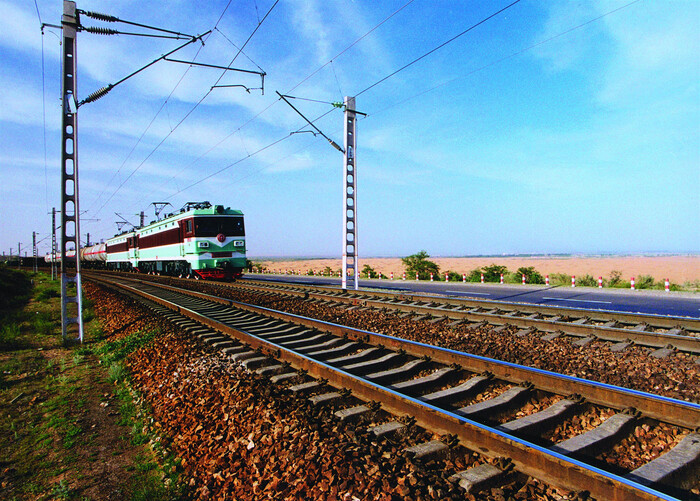
BOT mode locked for 50 years
The signing of the Taqu Muya section this time is a breakthrough point for Laos' "strengthening the sea" strategy. The project adopts the BOT (Build Operate Transfer) joint venture model, led by enterprises such as PetroTrade in Laos, with a total investment of up to 1.339 billion US dollars and a designed total length of approximately 147 kilometers.
The technical standards directly benchmark the China Laos railway. The international standard gauge of 1.435m is adopted, and the designed passenger speed is 150km/h and freight speed is 80km/h. This means that in the future, it can not only run ordinary freight cars, but also theoretically achieve "train on the same track" with the trains of the China Laos Railway, laying the groundwork for the subsequent construction of the China Laos Vietnam circular railway network.
It is worth noting that the franchise period is set at 50 years. The Laotian parliament has demonstrated a high level of prudence in its previous deliberations, explicitly requiring that "the government does not guarantee corporate debt" and using English contract texts as legal basis, demonstrating mature control over the use of foreign capital for infrastructure construction.
The 562 kilometer continental artery of the United Nations
The ambition of this railway is far beyond 147 kilometers. Its overall plan is to create a 562 kilometer economic artery from Vientiane, the capital of Laos, to Vung Ang Port in Ha Tinh Province, Vietnam.
The 1A segment (Taqu Muya) signed this time is a breakthrough point; Subsequently, Section 1B (Muya Yong'an Port, approximately 103 kilometers) and Section 2 (Wanxiang Taqu, approximately 312 kilometers) will be gradually advanced.
Yong'an Port is positioned as Laos' exclusive seaport. Laos has obtained the priority right to use terminals 1, 2, and 3 of Yong'an Port through equity participation and operation agreements, ensuring that minerals and agricultural products can be directly loaded onto ships for export.
At the signing ceremony, Lao Deputy Prime Minister Sarensay Gonmasi emphasized that this is a core project of the country's 2026-2030 socio-economic development plan, aimed at transforming Laos from a geographically "landlocked country" to a "land linked country" hub in Southeast Asia.
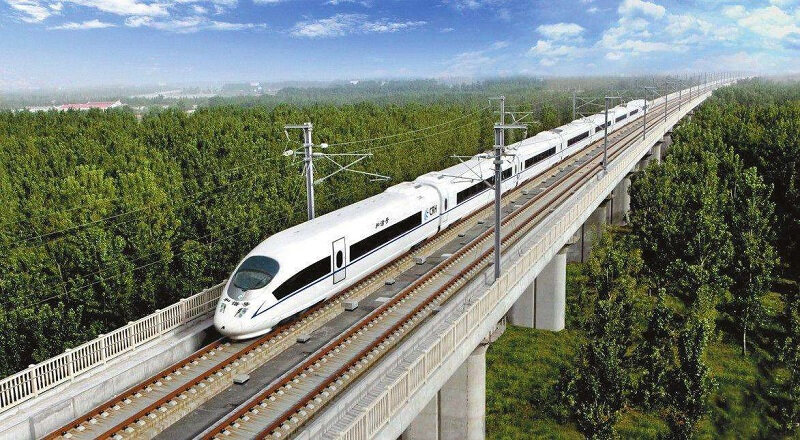
Pacific Export of China Laos Railway
For Chinese observers who are concerned about regional connectivity, the promotion of the Laos Vietnam railway has a strong strategic spillover effect. After Laos and China are closely connected by the China Laos Railway, the new channel extending eastward in Laos actually provides another land sea intermodal transport route to the Pacific Ocean for Chinese goods.
In the future, goods from Yunnan, China can go south to Vientiane via the China Laos Railway, and then go east to Vietnam's Yong'an Port through this new line, forming an alternative logistics corridor around the Malacca Strait. This not only reduces logistics costs in Laos, but also adds a "Southeast Asian version" of branch line options to the new land sea corridor in western China.
As Laos connects China and Vietnam along the East West Economic Corridor, this once landlocked country is quietly becoming a crossroads in the Indochina Peninsula through the extension of railway tracks.Editor/Yang Meiling
Comment


 Praise
 Collect
 Comment

 Share
Share


Write something~