 Search


- The rise of infrastructure frenzy and digital greening have effectively resisted the global trade cold wave in Indonesian ports
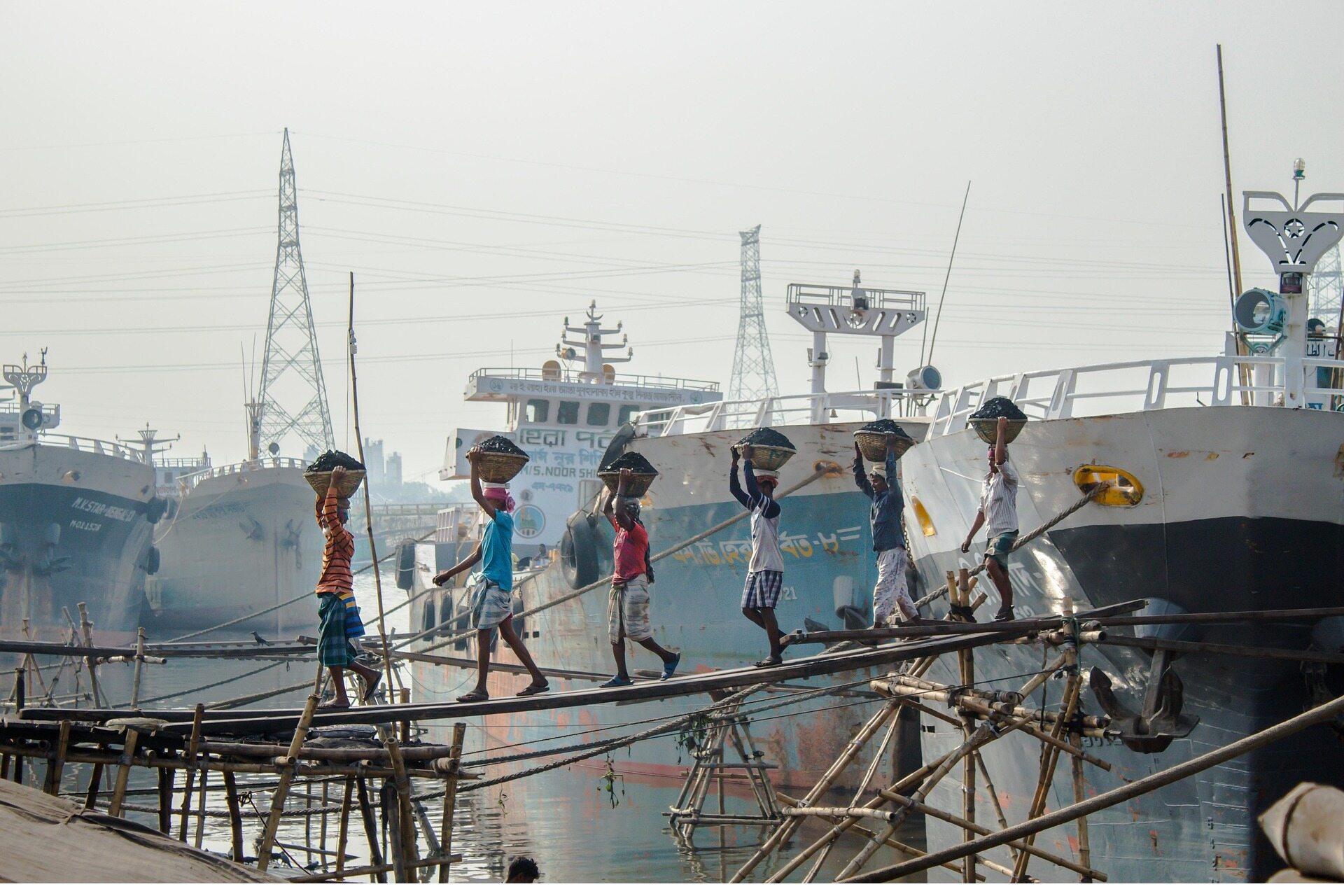
In 2026, the global shipping market will be turbulent under the dual pressure of geopolitical conflicts and trade protectionism, with freight rate fluctuations and demand uncertainty becoming the norm. However, Indonesian ports are like well-equipped giant ships, demonstrating astonishing resilience in the face of adversity, with container throughput exceeding 14.5 million TEUs and a year-on-year growth of 9%, becoming a rising star in the global shipping landscape.
In 2026, the 32 terminals managed by Indonesia's state-owned port company delivered a high score: the container handling capacity reached 14.5 million TEUs. This growth is supported by the coordinated development of domestic and foreign trade: domestically, the containerization rate of domestic trade has increased to 68%, and the loading and unloading efficiency of Sumatra ports has been improved by 30% through facility renovation, successfully attracting goods to "pivot"; Internationally, thanks to the deepening of economic and trade cooperation between China and Indonesia and the release of RCEP dividends, international cargo throughput has increased by 12%. Among them, Surabaya Truk Ramon Terminal (TLK) added 6 international routes, with a 28% increase in throughput; The cargo volume of Sanbaolong Port to China increased by 15%; As a core hub, Tanjung Pelu Port has a throughput of 8.59 million TEUs, consolidating its position as a regional transit center.
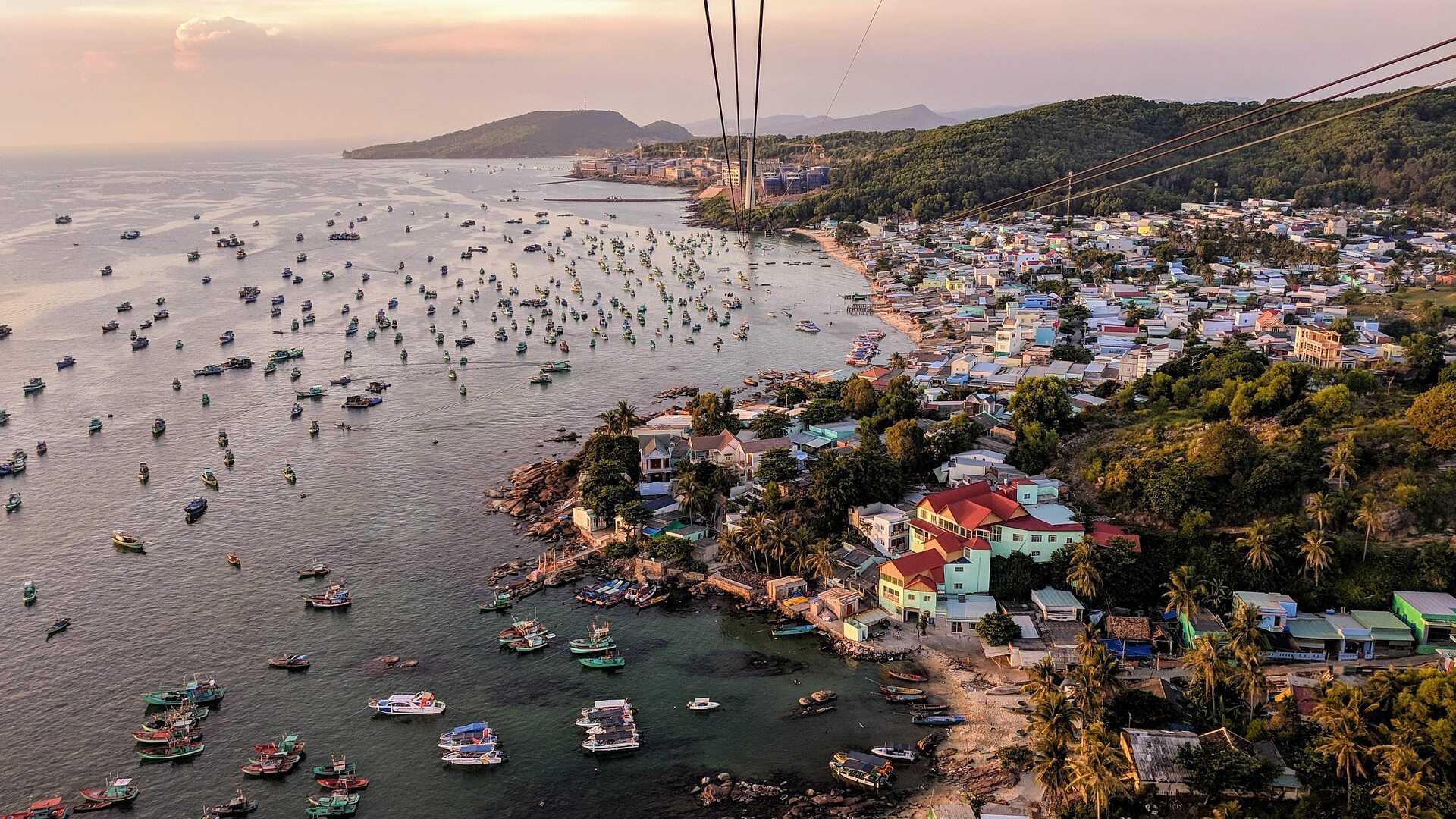
Combining infrastructure and smart green development
To cope with the business boom, Indonesia's port infrastructure investment will reach 5 billion US dollars in 2026, a year-on-year increase of 15%. The accelerated construction of Tanjung Pelu Port Kalibaru Phase III and New Pelu Phase II heralds the release of millions of throughput capacity in the future. In terms of soft power, the TPK Koja terminal has introduced a super Panama shaped quay crane to increase efficiency by 40%, and the intelligent management system of Jakarta JICT terminal enables real-time tracking of goods. It is worth mentioning that green transformation has become a consensus. NPCT1 reduces emissions by 30% through the application of electric equipment and solar energy, and Bagandang Port improves its sewage treatment system, significantly enhancing its sustainable development capabilities. Keywords: Southeast Asian news, ports
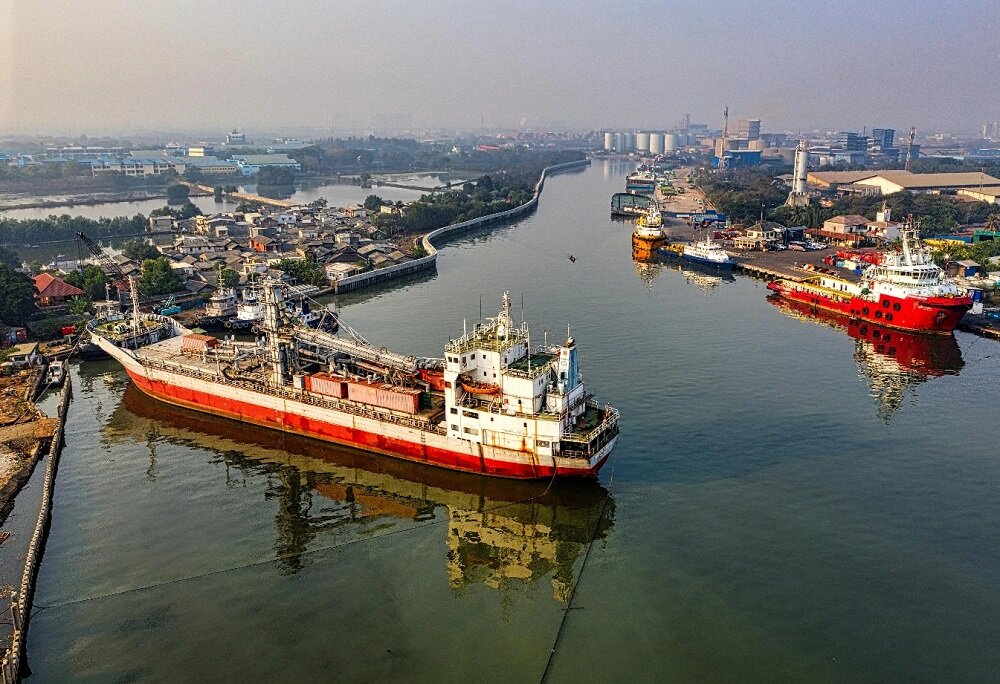
Despite remarkable achievements, Indonesian ports still need to face the gap in logistics costs (about 20% higher) and information coordination with neighboring countries such as Singapore. In the future, by further optimizing the port business environment and deepening the construction of smart ports, Indonesia is expected to transform its geographical advantages into stronger economic momentum and occupy a more advantageous position in the global supply chain reconstruction.Editor/Cheng Liting
Comment



 Praise
 Collect
 Comment

 Share
Share


Write something~