 Search


- Vietnam relies on infrastructure to drive its economy, bringing new opportunities for Chinese companies going global to Southeast Asia
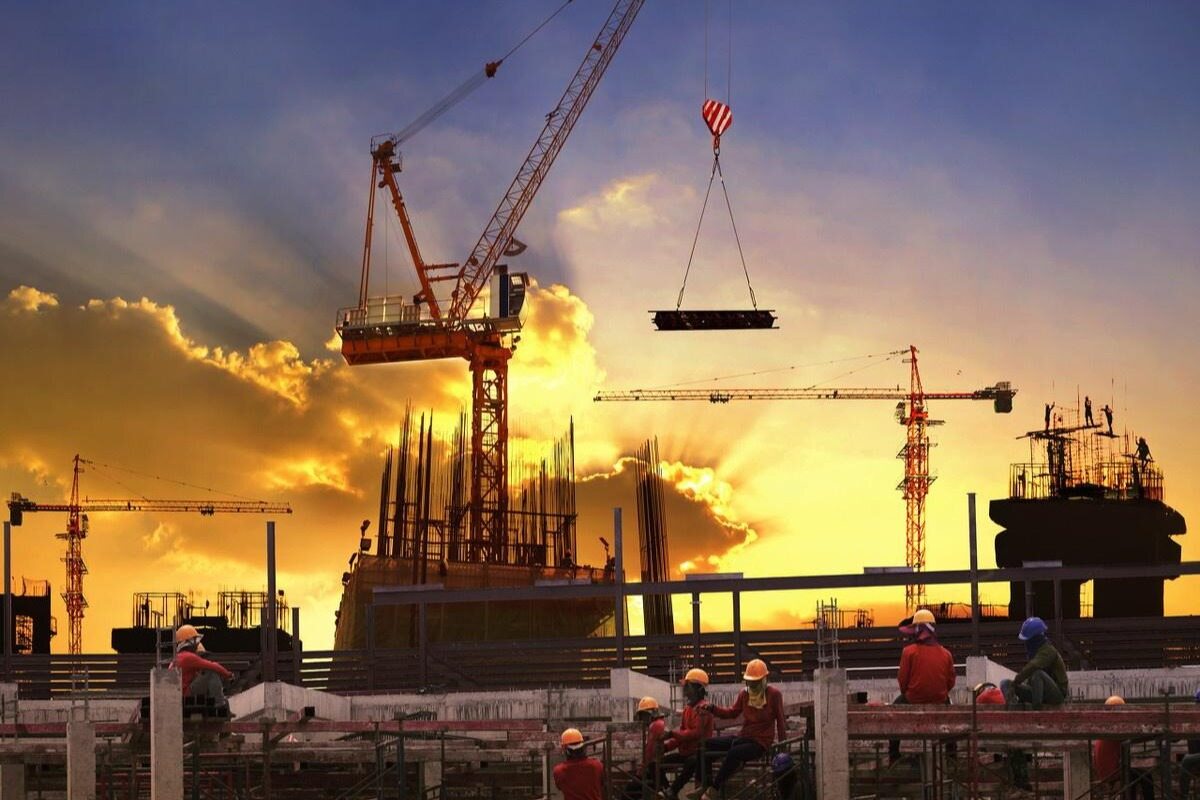
34 provinces and cities in Vietnam have simultaneously launched, completed or opened 234 infrastructure projects, with a total investment of over 340 trillion Vietnamese dong, equivalent to approximately 910 billion yuan. Behind this round of concentrated actions is Vietnam's strong demand for infrastructure to drive the economy. According to the 14th National Congress of the Communist Party of Vietnam, Vietnam needs to achieve double-digit annual GDP growth from 2026 to 2030, and its economic growth rate has reached 8.02% by 2025. Infrastructure is regarded as the core engine of Vietnam's future economic development, but this boom has also exposed two major shortcomings: funding and talent, opening up new opportunities for Chinese companies to expand into Southeast Asia.
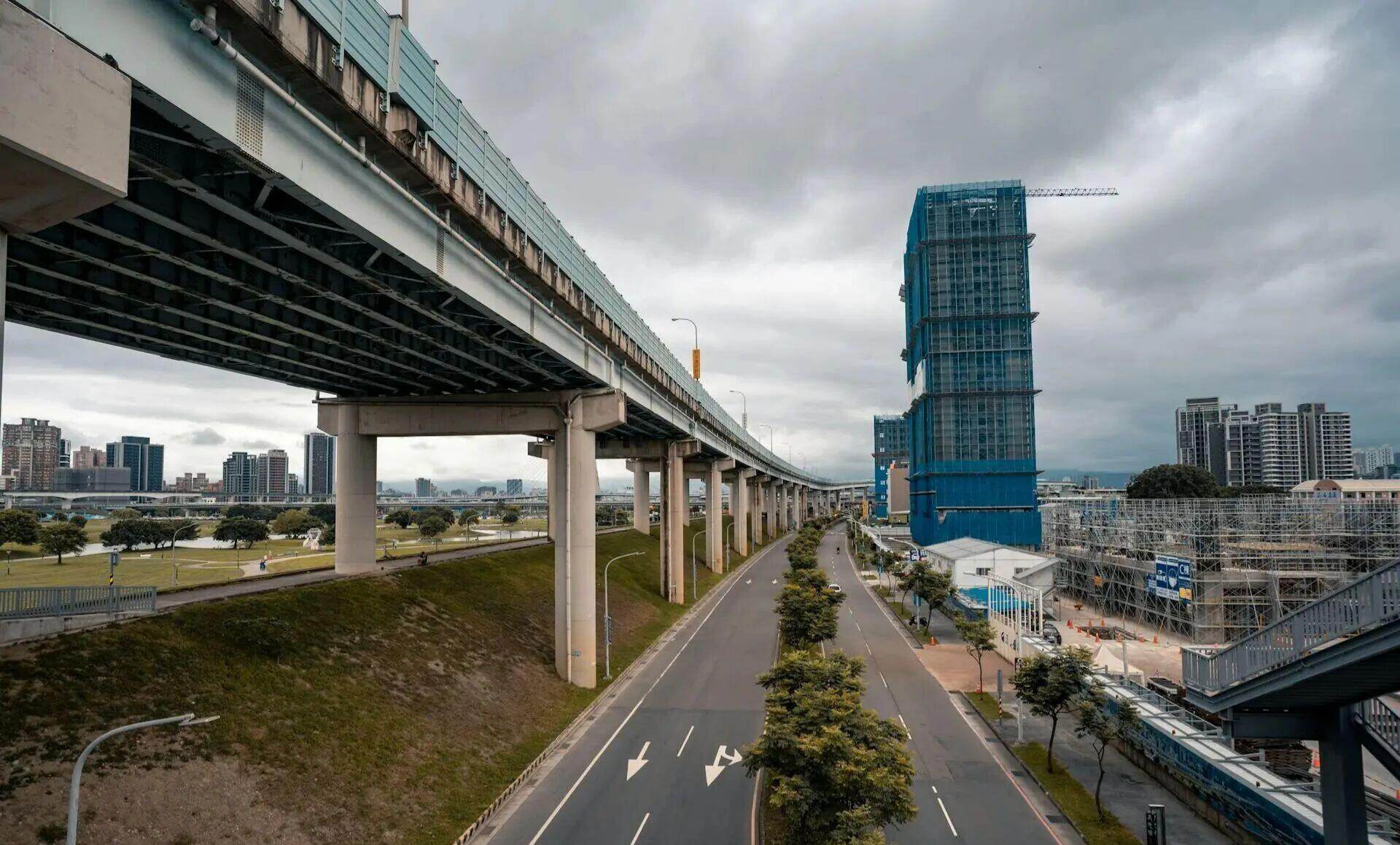
Shortcomings in electric transportation force investment to accelerate
The core driving force behind Vietnam's accelerated infrastructure development comes from both internal and external pressures. From an internal perspective, electricity supply has become a clear constraint on the expansion of the manufacturing industry. Hydroelectric power accounts for 23.4% of Vietnam's electricity structure and is significantly affected by extreme weather conditions. In the summer of 2025, due to drought, there will be a nearly 30% electricity shortage in northern Vietnam. Industrial areas will be subject to alternating power restrictions, and foreign-funded factories will be forced to reduce production, resulting in a direct loss of about 1.4 billion US dollars. At the same time, there is a problem of insufficient transmission capacity between the north and south of the power grid, with a line loss rate exceeding 10%, which is more than twice that of developed countries. The low transportation efficiency, limited port throughput capacity, and lagging digital infrastructure have also put a ceiling on Vietnam's industrial upgrading. From an external perspective, Vietnam is highly dependent on foreign trade, with import and export growth rates exceeding 16% in 2025. However, the United States is increasingly sensitive to Vietnam's trade surplus, with tariff pressures rising. At the same time, competition from low-cost manufacturing countries such as Bangladesh is also diverting orders. In this context, infrastructure investment has become the most direct means to both address weaknesses and support the economy.
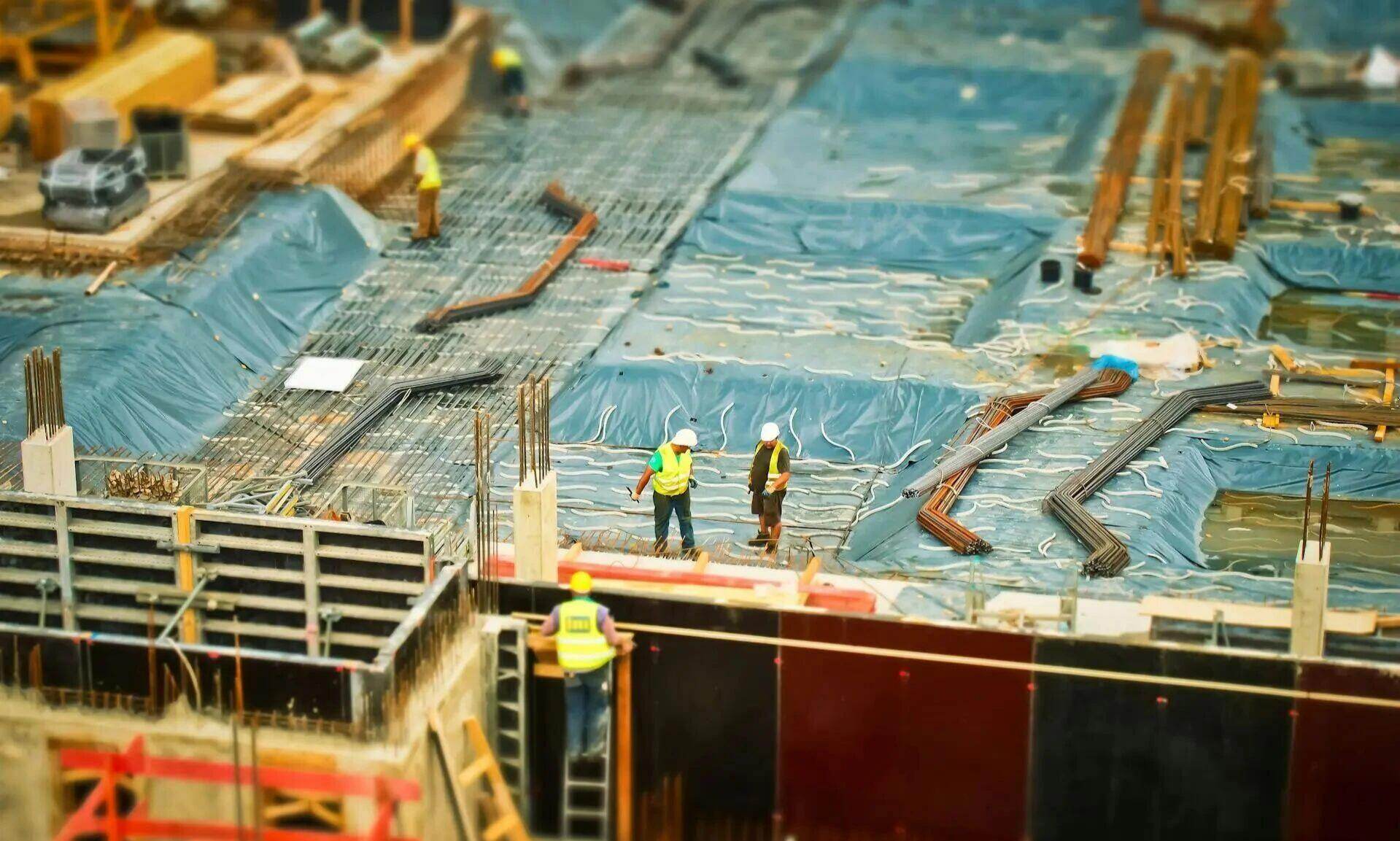
The North South high-speed railway and its comprehensive deployment in five major fields
Since the 13th National Congress of the Communist Party of Vietnam in 2021, infrastructure has been listed as one of the three strategic breakthroughs in Vietnam. To avoid old problems such as slow project progress and ineffective departmental coordination, the Vietnamese government has established a national key transportation engineering guidance committee led by the Prime Minister. In terms of specific layout, Vietnam is simultaneously focusing on five major transportation sectors: highways, aviation, railways, maritime transport, and inland waterways. Among them, the total investment of the first phase of the railway from Laojie to Hanoi to Haiphong is nearly 8.3 billion US dollars, connecting the northern border trade, the capital economic circle, and the largest port. The Xinfu to Paul Expressway serves as a logistics channel between the southern highlands and the economic core area. The most eye-catching north-south high-speed railway has a total length of 1545 kilometers, extending from Hanoi to Ho Chi Minh City, crossing 20 provinces and cities, with a total investment of about 60 billion US dollars. Once this project is implemented, it will not only upgrade transportation, but also reshape Vietnam's national spatial structure. A well-developed high-speed and railway network will reduce logistics costs and improve enterprise operational efficiency, while stable electricity and efficient ports will attract foreign investment in high-end manufacturing industries such as electronics and semiconductors. Keywords: Southeast Asian News Network, Manufacturing Infrastructure, Railway Infrastructure, Highway Infrastructure
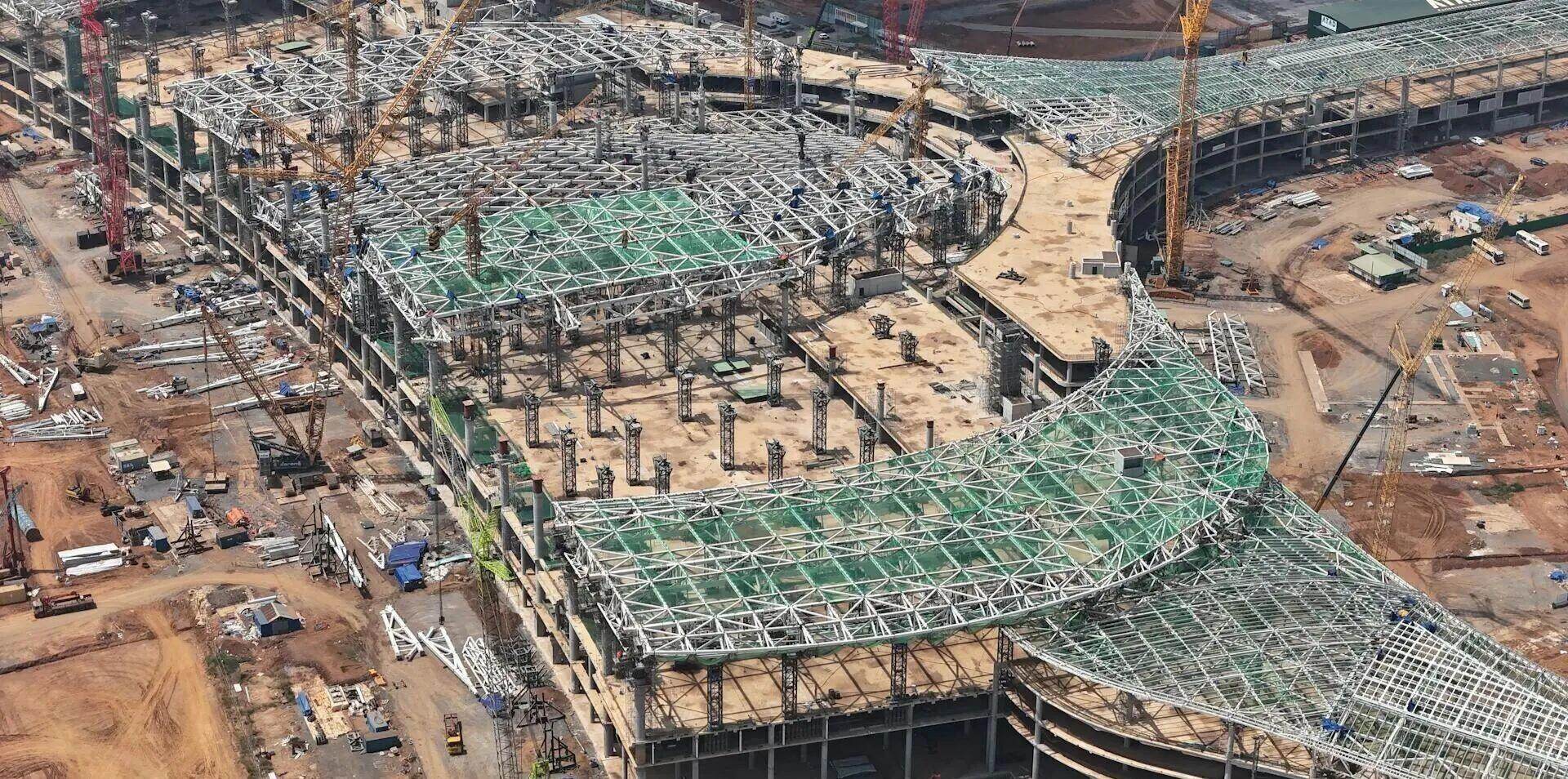
Shortage of funding and talent becomes a breakthrough for Chinese enterprises
Vietnam's infrastructure boom faces two major practical challenges. In terms of funding, some institutions predict that Vietnam's infrastructure investment demand will exceed 600 billion US dollars by 2040, with a funding gap of hundreds of billions of US dollars. Although Vietnam has introduced a government social capital cooperation model to attract social capital and relaxed foreign investment access, and the new investment law that will come into effect in 2025 has delegated approval powers and simplified processes, there is still a voice of independent leadership in core infrastructure in the country, which has made Vietnam cautious about foreign investment in key projects and trapped it in the dilemma of needing funds but not overly relying on foreign investment. At the same time, the efficiency of public investment allocation is low, and many budget funds are difficult to convert into actual project progress. In terms of talent, Vietnam is facing a shortage of professional talents in fields such as power and energy, digital infrastructure, and rail transit. Taking nuclear power as an example, after the restart of the Ningshun Nuclear Power Plant project, there were less than 500 professionals with a background in nuclear engineering in China, and 2400 skilled engineers were needed for the normal operation of the two nuclear power plants. China has mature technology, rich project experience, and a complete industrial chain in areas such as high-speed rail, power grid, and port construction. Its supporting products such as engineering machinery, cement, and steel are competitive. The technology output, talent cooperation, and training of Chinese enterprises are expected to accurately meet Vietnam's infrastructure needs and become a new growth point for Southeast Asia's overseas expansion.Editor/Gao Xue
Comment


 Praise
 Collect
 Comment

 Share
Share


Write something~