 Search


- The largest gas-fired power station in the United Arab Emirates, Al Nuf 1, has launched a bidding process, with 3.3 gigawatts
- South Korea, Japan, Europe, and local giants team up to bid for the UAE IPP project. AI and digital twin technology are being applied
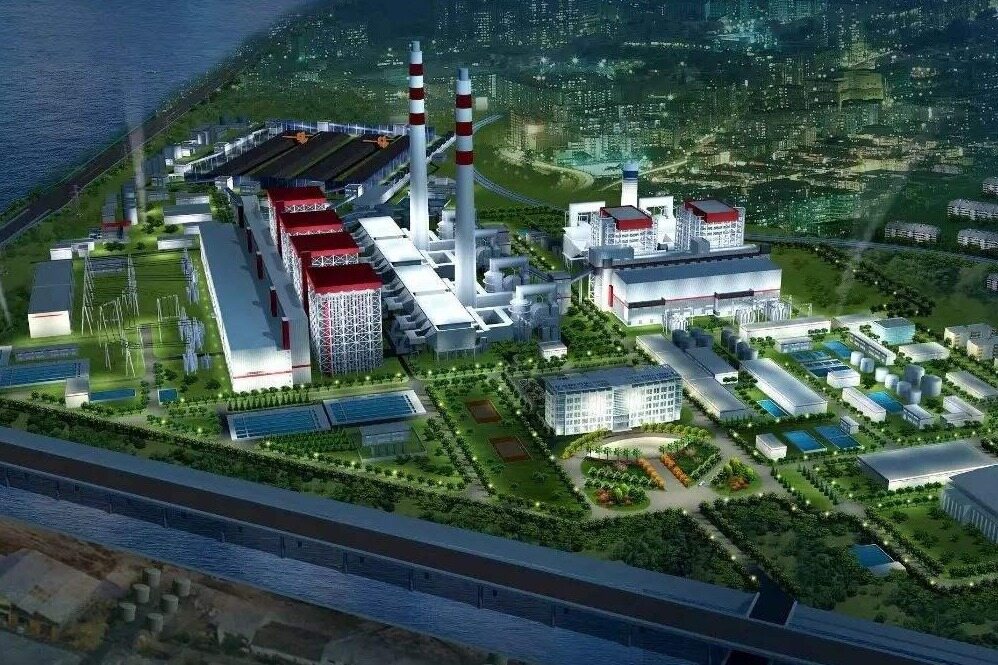
In 2026, a bidding process that will stir the nerves of global energy capital is quietly unfolding in an emerging energy park along the coast of Abu Dhabi. The United Arab Emirates Water and Electricity Corporation (EWEC) recently announced that it has received four bidding proposals for the Al Nuf 1 Independent Power Project (IPP). After completion, this project will become the largest single site gas-fired power station in the United Arab Emirates, with reserved carbon capture interfaces. Energy giants from South Korea, Japan, Europe, and mainland China have teamed up to compete for this iconic project in the Middle East natural gas power generation field.
3.3 GW of installed capacity reserved carbon capture interface
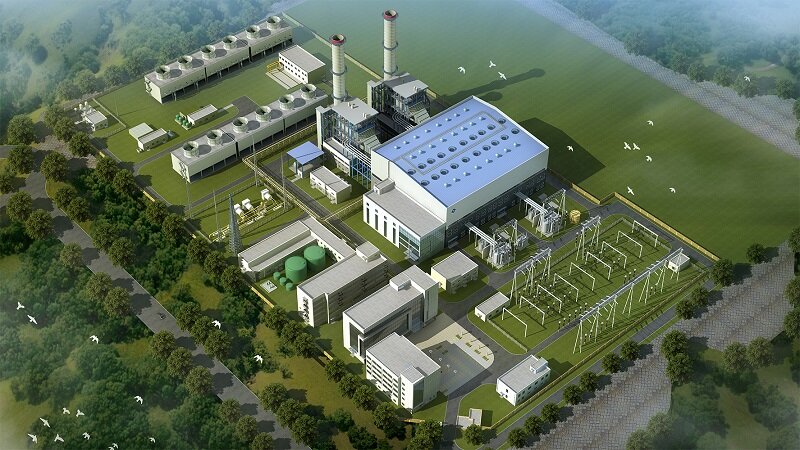
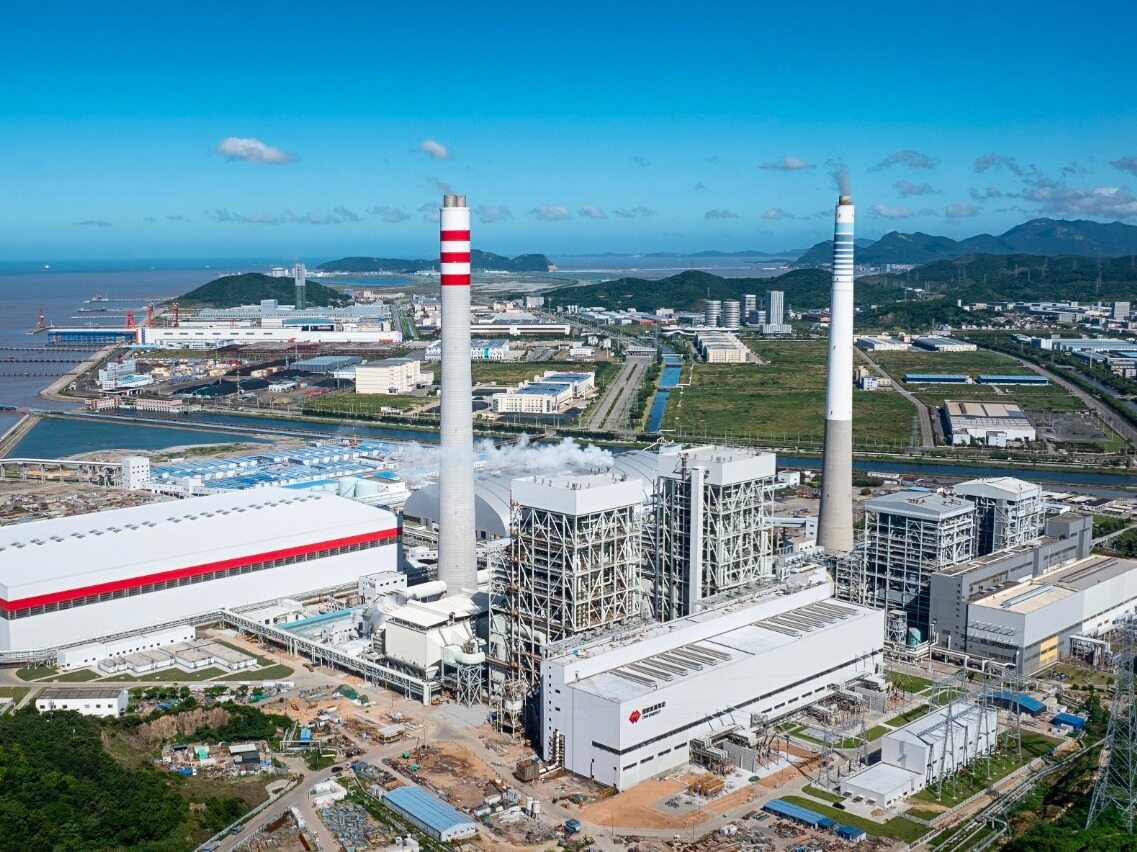
The planned installed capacity of Alenuf 1 power station is up to 3.3 gigawatts, using a combined cycle gas turbine (CCGT) technology that can be matched with carbon capture, equipped with advanced steam turbines, and balancing efficient power generation, low carbon emissions, and operational flexibility. The project is located in the newly built Al Nuf Coastal Integrated Energy Park in Abu Dhabi, which is equipped with power generation and low-carbon reverse osmosis seawater desalination facilities, and reserves expansion space to support the development of future large-scale public utility projects. It is worth mentioning that the project will also introduce artificial intelligence and digital twin technology to optimize operational efficiency and system resilience throughout the entire lifecycle, which is still a cutting-edge practice in regional gas power plants.
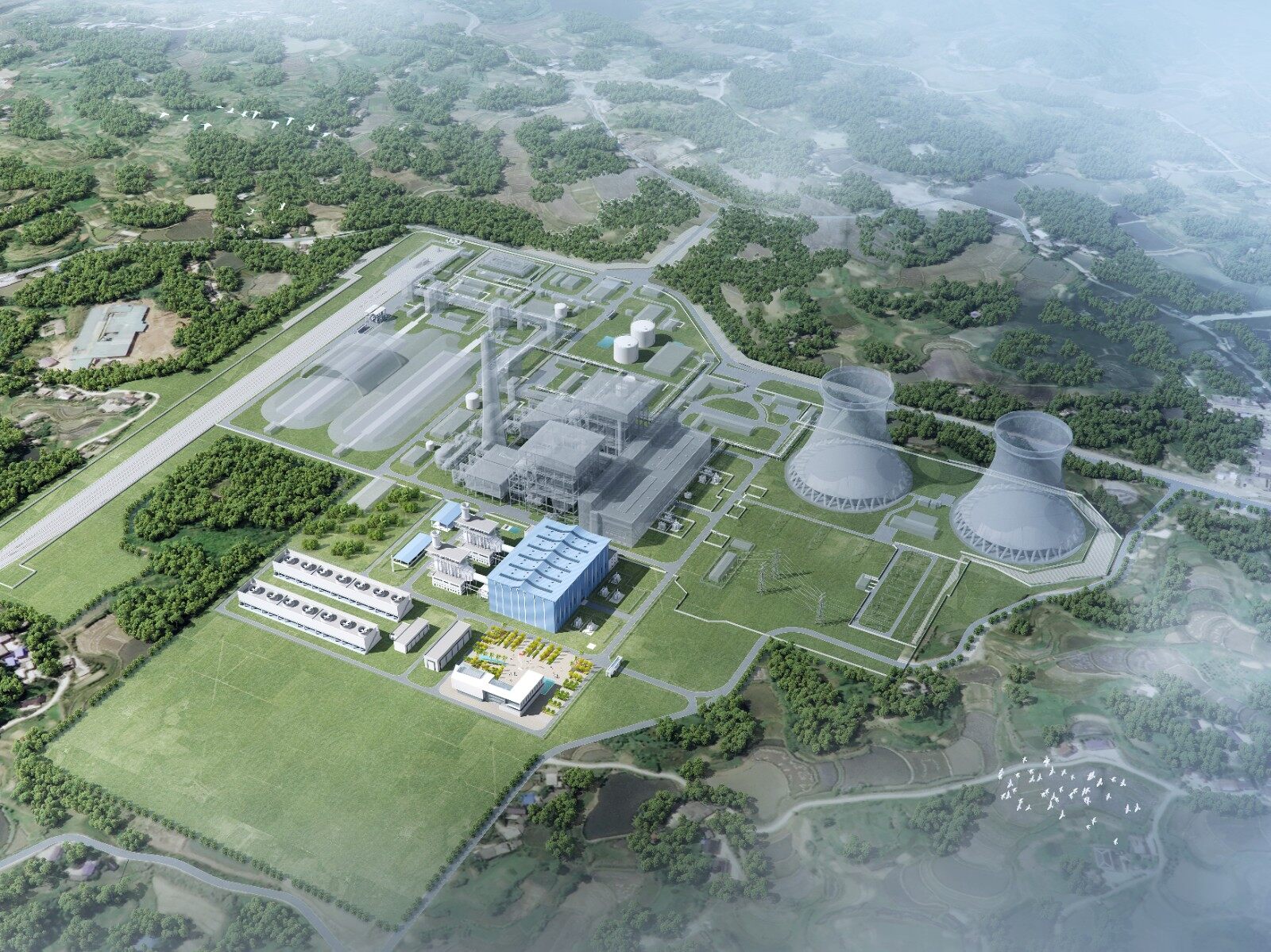
Korean, Japanese, and European domestic capital compete on the same stage
The four bidding parties are: Aljumehe Energy Water Company, a consortium composed of Shengke Industry and French Electric Energy Solutions; French ENGIE Group, South Korean Overseas Infrastructure and Urban Development Company, and the consortium of West Korea Electric Power Company; Joint venture between Korea Electric Power Corporation and Etihad Hydro in the United Arab Emirates; And independent bidding by Sumitomo Corporation of Japan. From the composition of the four consortia, the deep involvement of South Korea, Japan, Europe, and local capital demonstrates the confidence of global energy giants in the Middle East's "natural gas power generation+carbon capture" path. Currently, EWEC is organizing a technical and business plan review, and the project is scheduled to enter commercial operation in the third quarter of 2029.
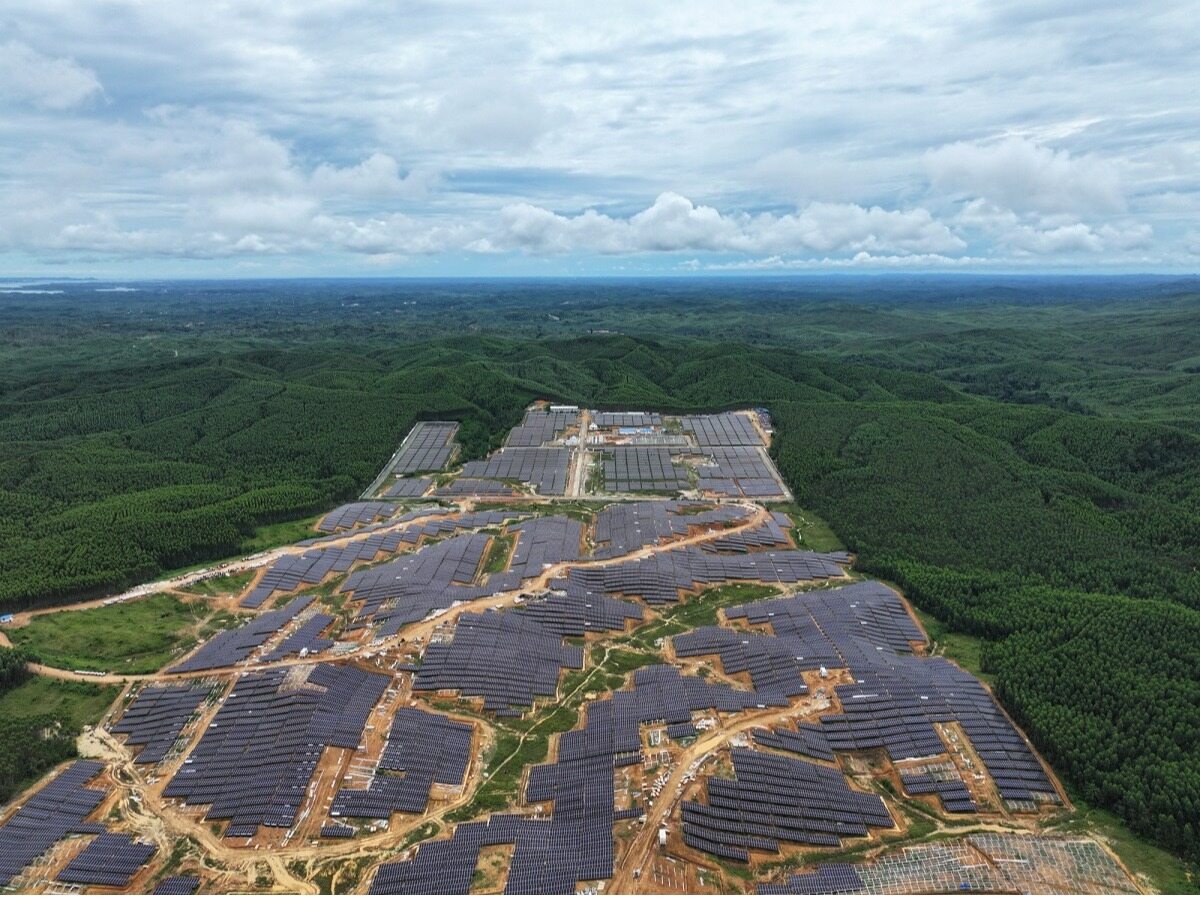
The 'stabilizer' of renewable energy era
With the rapid growth of renewable energy installed capacity in the UAE, flexible peak shaving gas turbines such as the Al Nuf 1 will play a "stabilizer" role - by providing dispatchable electricity, smoothing out the volatility of photovoltaic and wind power, and ensuring the safe operation of the power grid. The project adopts the independent power producer (IPP) model commonly used in Abu Dhabi, and is expected to create considerable employment opportunities for UAE citizens in technical and operational positions, helping to implement localization strategies. In the current situation where the intermittency problem of renewable energy has not been fully resolved, efficient gas-fired power plants remain an indispensable "ballast stone" in the energy transition of Gulf countries. The application of AI and digital twin technology also indicates that traditional thermal power projects are accelerating their evolution towards intelligence and low carbonization, which is worthy of attention from similar projects in China. Editor/Yang Beihua
Comment


 Praise
 Collect
 Comment

 Share
Share


Write something~