 Search


- SteelAsia, the largest steel company in the Philippines, will achieve a "zero breakthrough" in domestic steel production
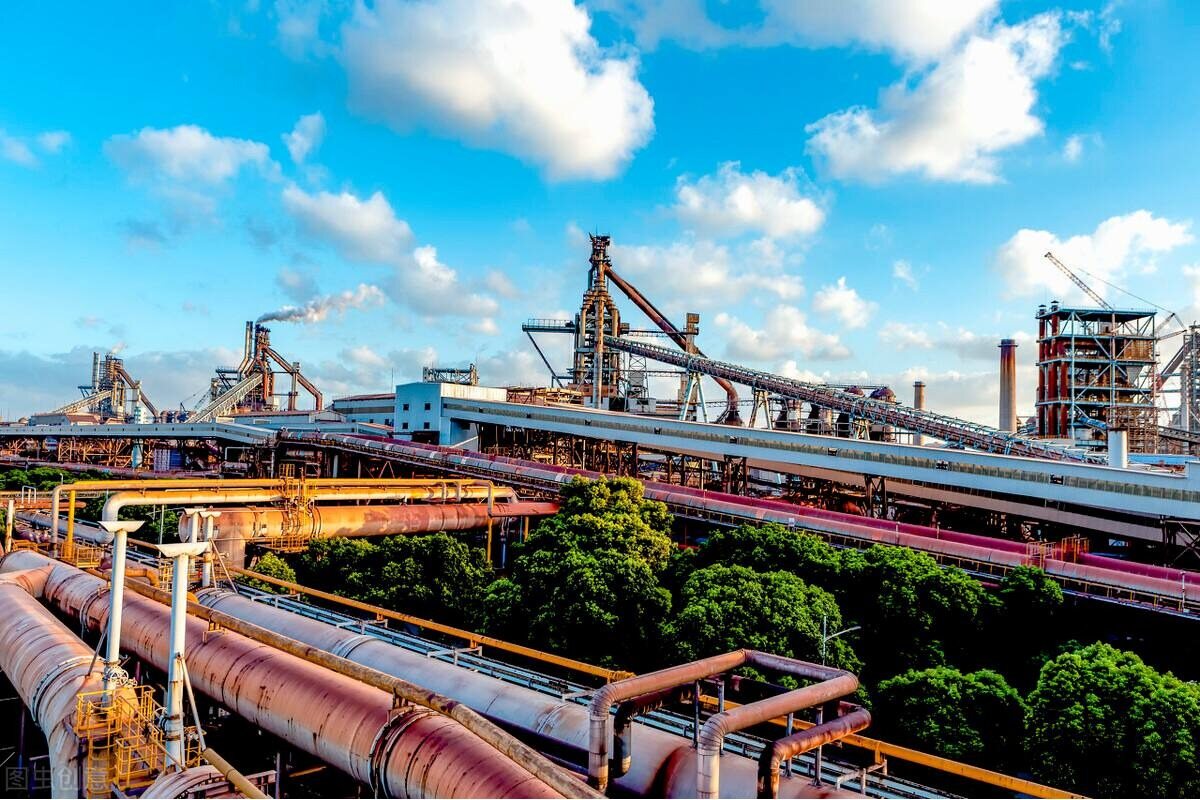
Between busy construction sites and rising power towers in the Philippines, a key material has long been absent - steel sections. From angle steel supporting the power grid to channel steel for building structures, the Philippines has to rely entirely on imports from countries such as China and Vietnam. All of this is about to be rewritten with the announcement of the domestic steel giants' "start work".
SteelAsia Manufacturing Company, the largest steel producer in the Philippines, is advancing its historic localization layout at an unprecedented pace. Its core battle is being fought on two fronts simultaneously: one is about to reap the fruits this year, and the other is laying the foundation for self-sufficiency in the coming years. This is not only a company's capacity expansion, but also a key action aimed at filling the national industrial gap and reducing external dependence.
Ending zero production history
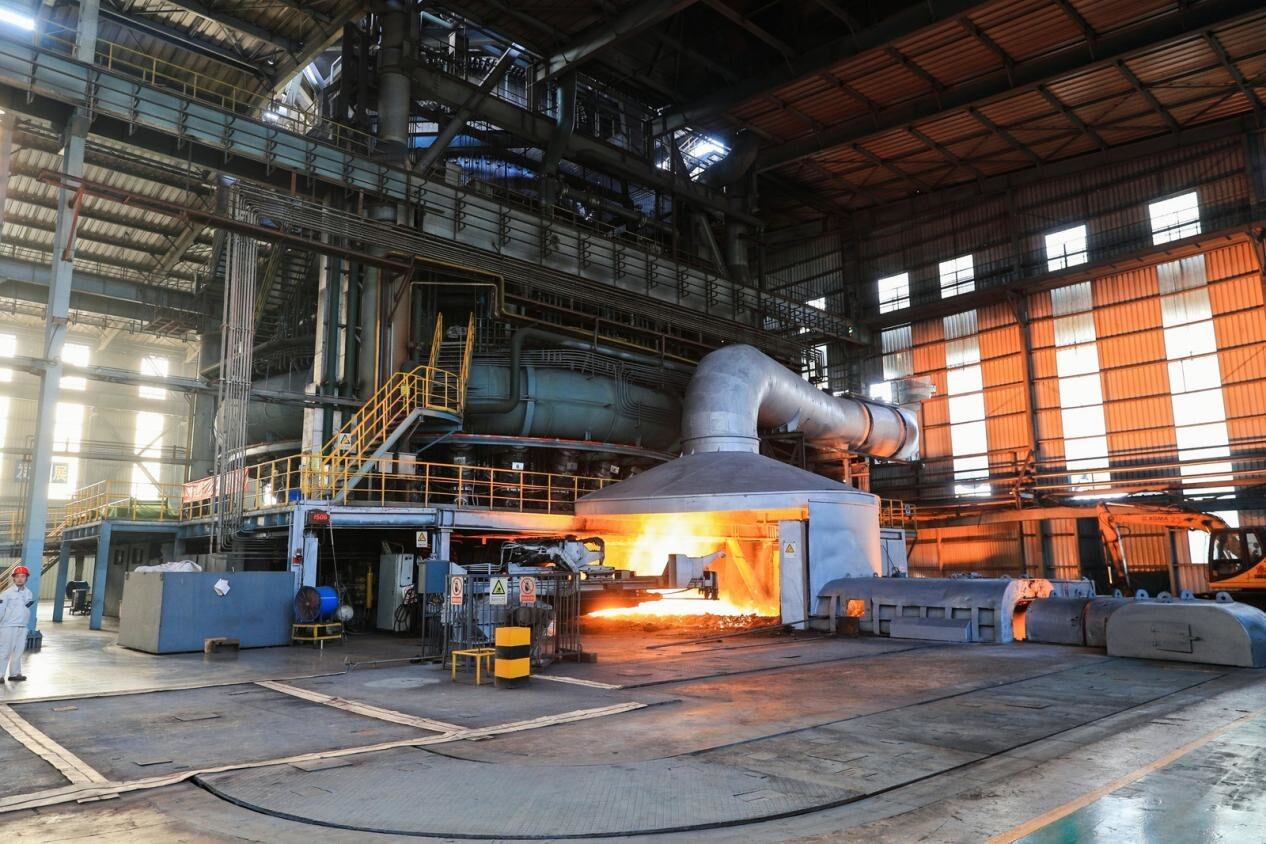
The forefront of the battle is located in Lemery, Batangas Province. Here, a steel rolling project with an investment of approximately 20 billion Philippine pesos has entered its final sprint stage and is expected to be officially put into operation within 2026. This marks the first time that the Philippines will have locally produced steel, completely ending the history of this type of product relying entirely on imports.
This production line will first target the areas with the most urgent market demand. Its products will mainly consist of small and medium-sized steel sections, including angle steel widely used in power tower frames and storage building columns. These "Made in the Philippines" steel sections will be directly released into the domestic market, replacing previous imported resources and taking a solid first step towards supply chain self-reliance.
Building a complete product system
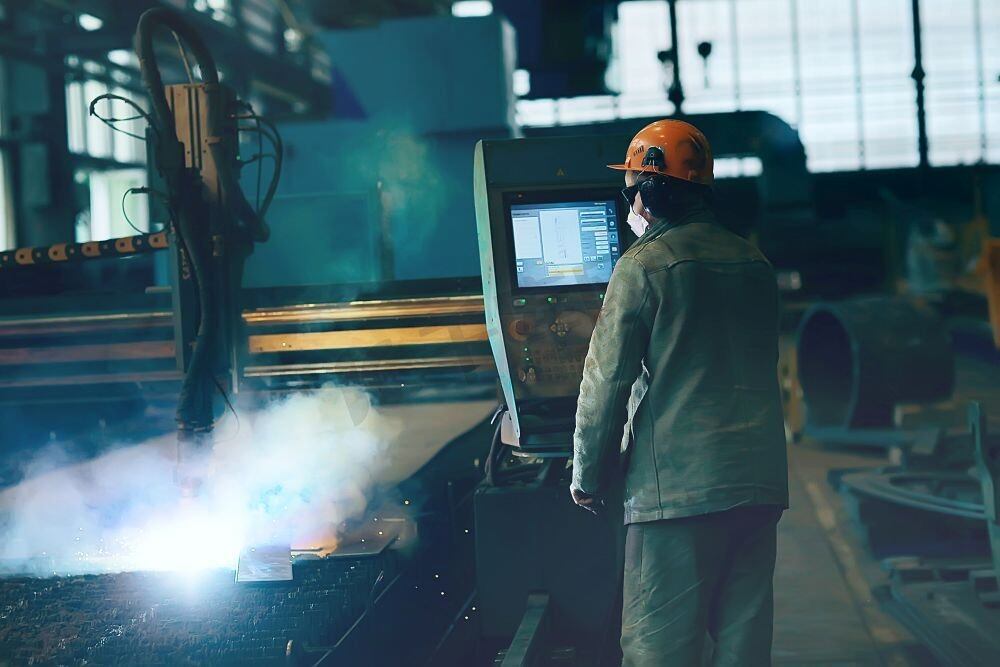
However, only small and medium-sized steel is not enough to truly break free from import constraints. SteelAsia is well aware that in order to truly establish a foothold in the market, it must have product capabilities covering the entire range of specifications. Therefore, while the Ba Ta Yan project is being vigorously promoted, a larger scale layout has already been completed.
In 2025, the company has signed an agreement with the renowned Italian equipment supplier Danieli, planning to invest up to 30 billion Philippine pesos (approximately 499 million US dollars) to build a large-scale steel production line in Candelaria, Quezon Province. The company has made it clear that only by replenishing the production capacity of large-sized steel and pairing it with small and medium-sized products can it build a competitive and complete product system, thus fully replacing imports. The Kuisong project will focus on producing larger specifications of products such as angle steel and channel steel.
At present, the Philippines still relies 100% on imports for products such as heavy-duty H-beams, channel steel, steel sheet piles, and narrow width plates. After the completion of the two major projects mentioned above, they will work together to break through this market gap, significantly reduce the overall import dependence of the Philippines on steel billets and sections, and promote the improvement of the local steel industry chain.
Connect the last mile of the entire process
But SteelAsia's ambition goes beyond rolling. Importing steel billets from overseas for further processing is ultimately still under the control of others. Their ultimate goal is to achieve complete localization of production from raw materials to finished products.
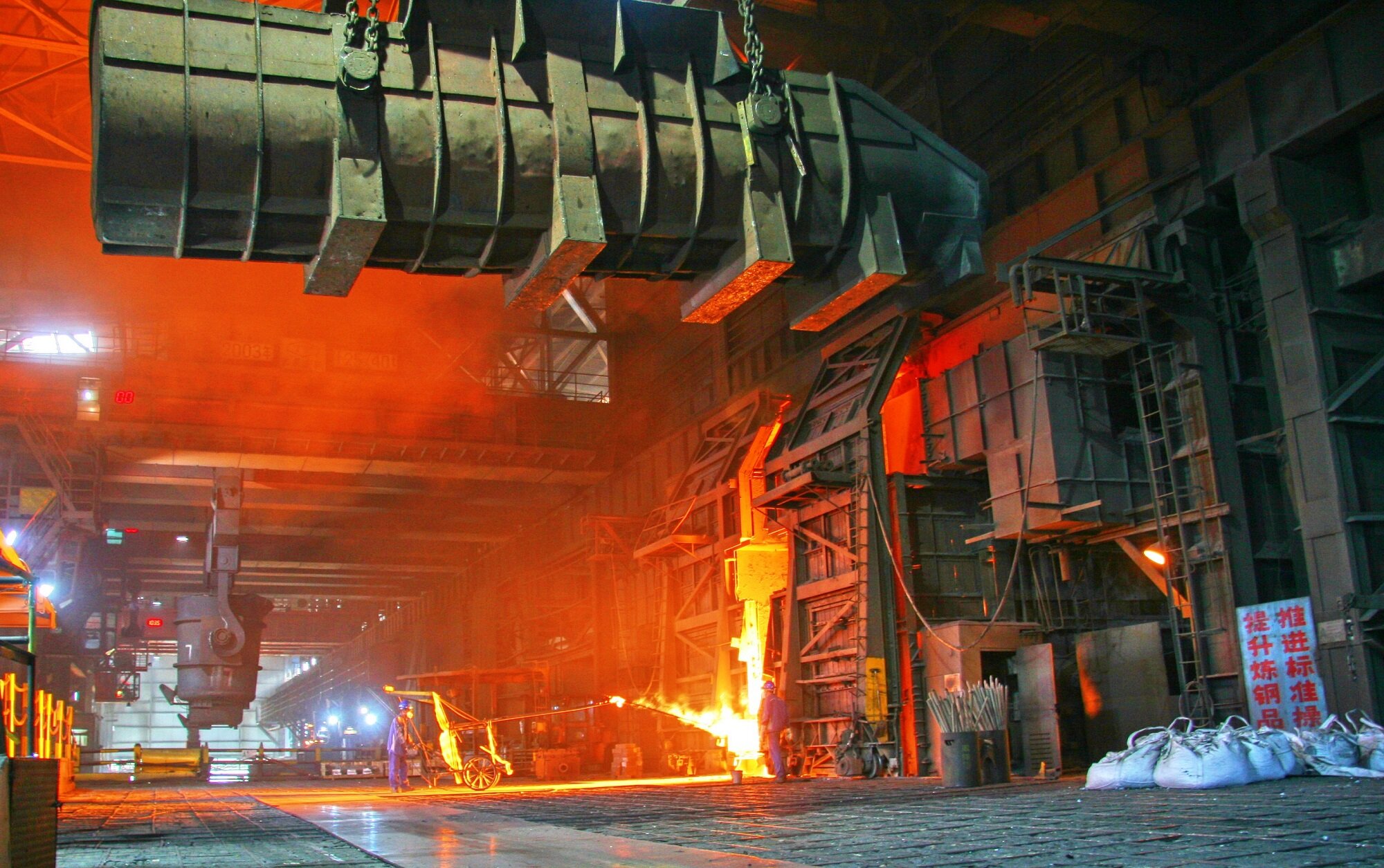
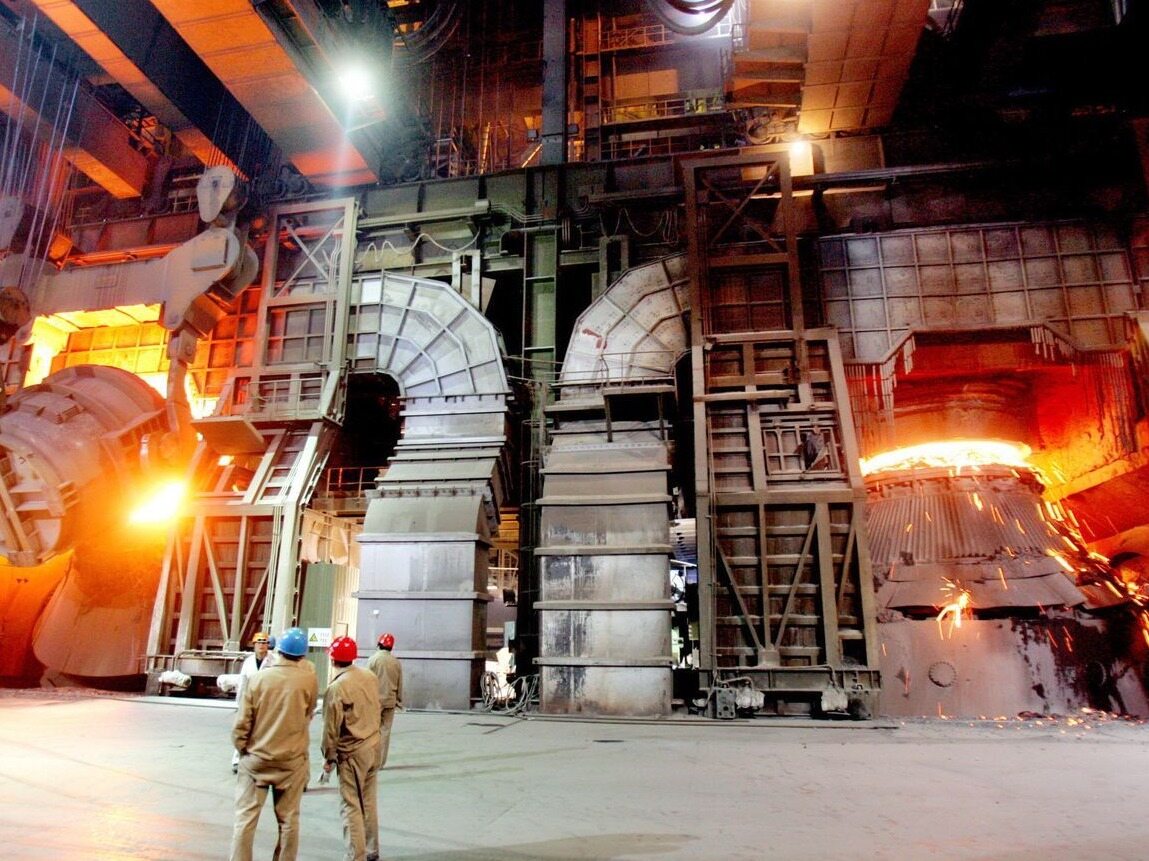
For this reason, the company has planned a longer-term step: it plans to start the construction of the electric arc furnace project in Candelaria, Quezon in 2027. This electric arc furnace will use local scrap steel from the Philippines as the main raw material for steelmaking, and then directly supply it to its own rolling production line. This means that a complete localized steel production chain, from recycling scrap steel, smelting molten steel to rolling and forming steel, will be connected in the Philippines. The company stated that after the electric arc furnace is put into operation, the Philippine steel industry will achieve full process independent production from raw materials to finished products, and its independence will be revolutionized.
With the implementation of this series of heavy investments, SteelAsia's production capacity map is rapidly expanding. According to the company's operations manager, in addition to the Batangas and Quezon projects, the company also plans to invest 17 billion Philippine pesos and 7 billion Philippine pesos respectively in Dala Province and Davao to build new production facilities. After all of these projects are put into operation, SteelAsia's total production capacity is expected to soar from 2.5 million tons per year in September 2025 to approximately 4.8 million tons per year, achieving nearly doubled growth.Editor/Yang Meiling
Comment




 Praise
 Collect
 Comment

 Share
Share


Write something~