 Search


- In Mumbai, a 'enclosure movement' about computing power is quietly entering a white hot stage
- While global tech giants are still anxious about the computing power gap of generative AI, the Asia Pacific data center giant Princeton Digital Group has quietly filled its capital arsenal
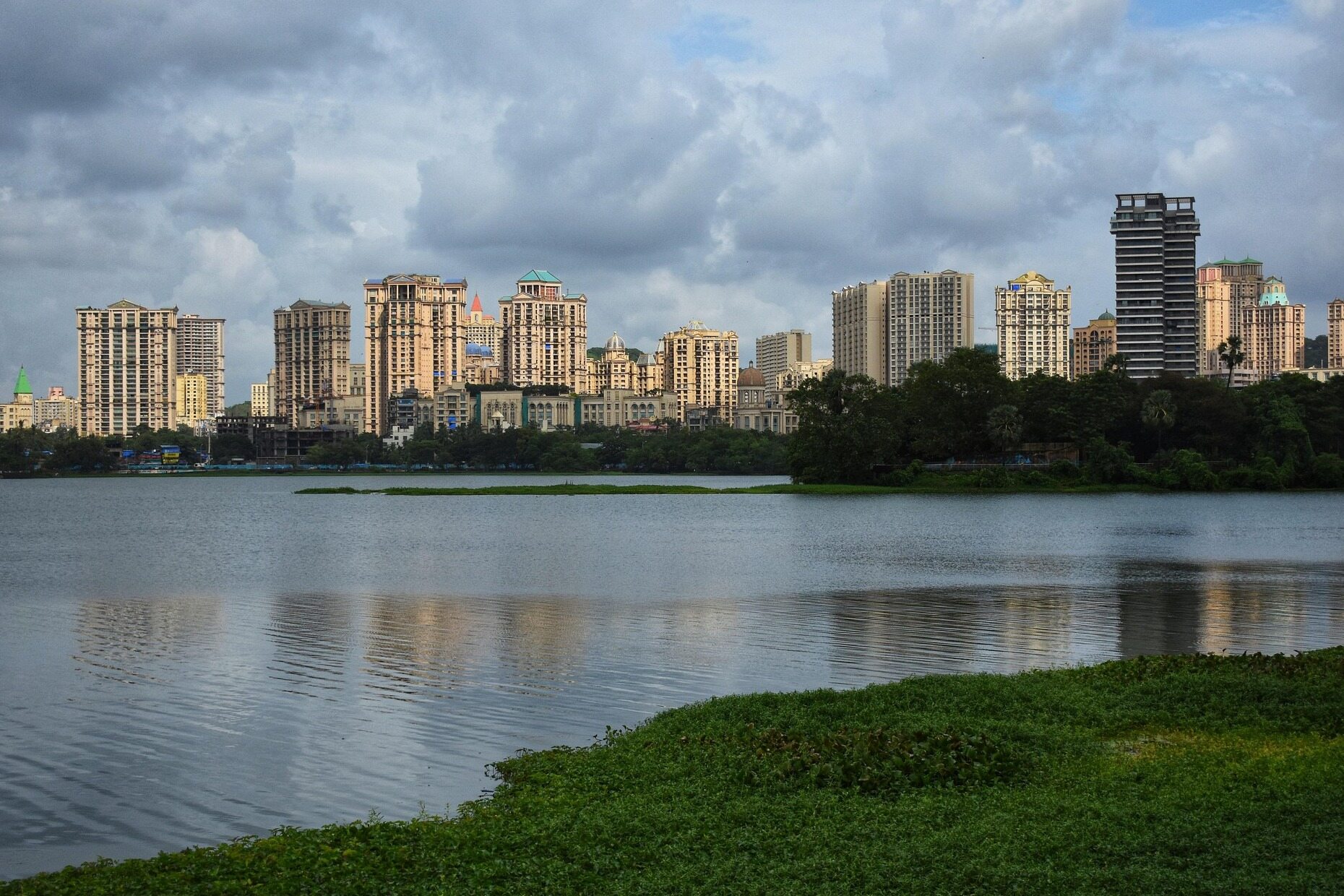
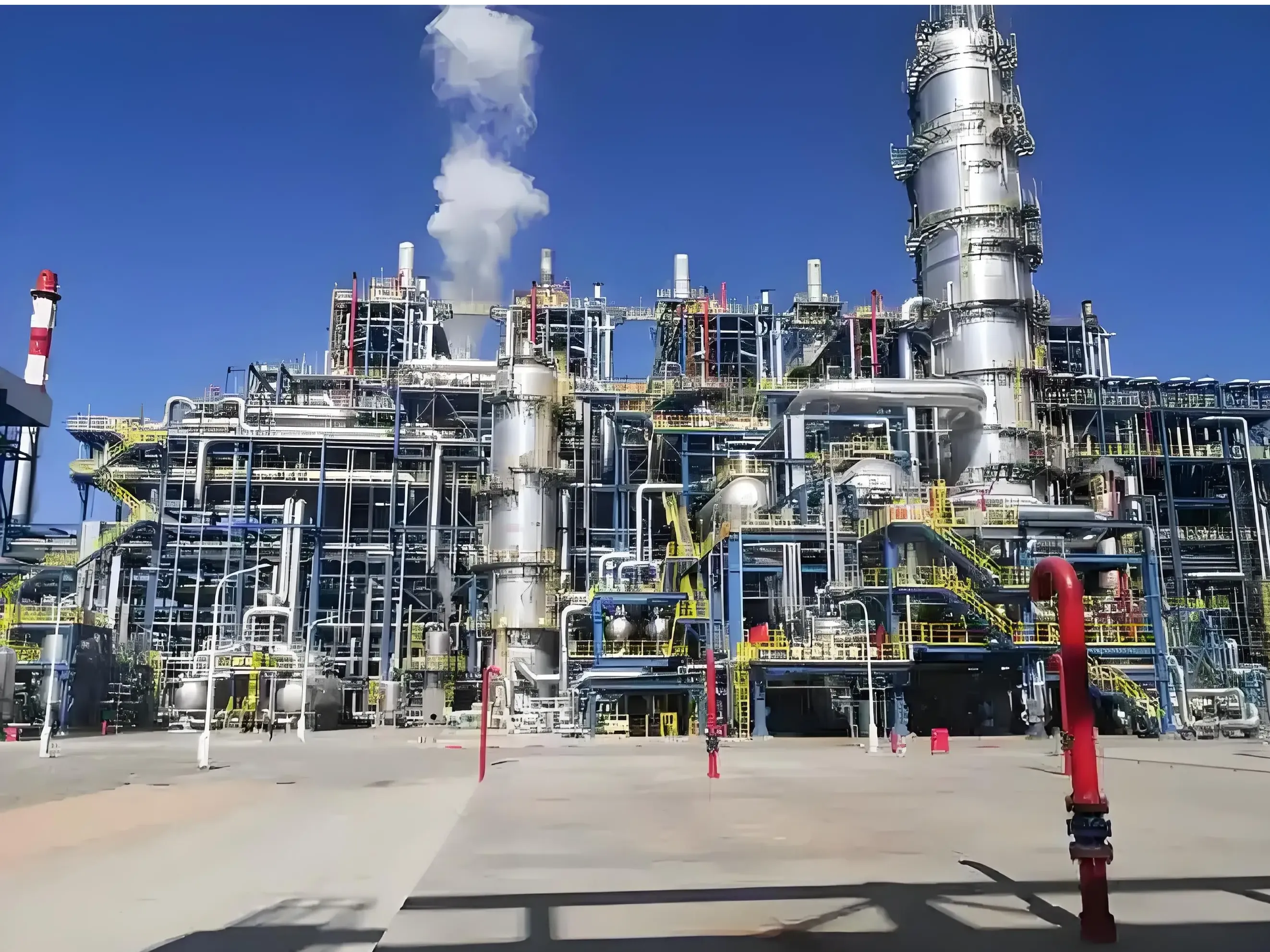
Under the skyline of Mumbai, the steel frame is climbing at an astonishing speed. With the final concrete pouring completed, Princeton Digital Group, a data center giant in the Asia Pacific region, has officially laid the foundation for its MU2 campus.
This is not just a simple groundbreaking ceremony, but also a dual carnival about capital and computing power - a massive 120 megawatt computing power factory is rising in the commercial heartland of India, targeting PDG's grand 1 gigawatt territory in the country. Just a few months ago, this giant had just secured a massive $1.2 billion financing, including $800 million in dedicated funds such as precision guided missiles, specifically targeting AI ready infrastructure in Mumbai and other places.
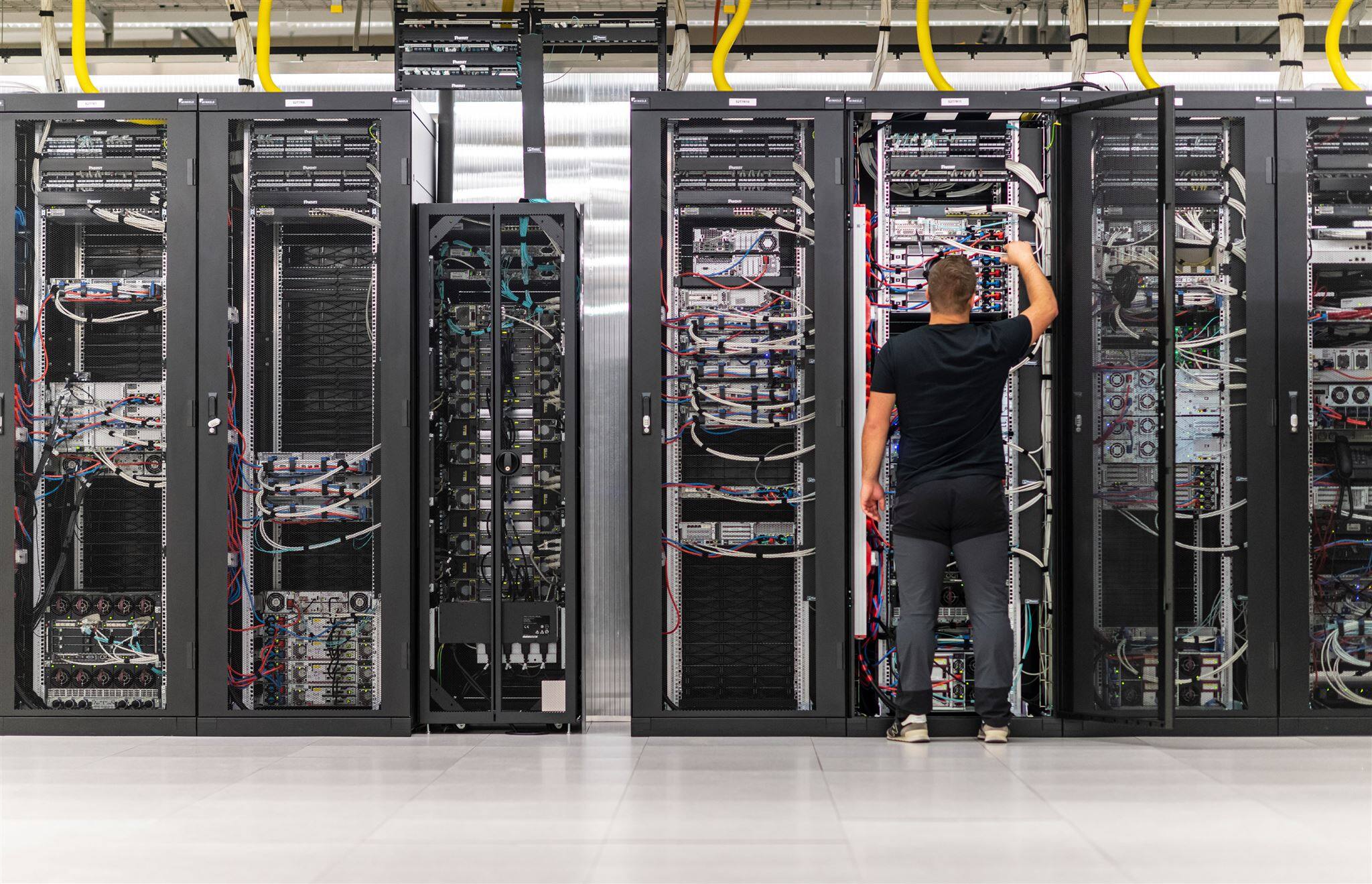
At this moment, the roar of machines overshadowed the noise of the market, and PDG declared with practical actions: on the eve of the outbreak of India's digital economy, whoever holds the computing power base holds the ticket to the next decade.
Ambition from 210 MW to 1 GW
Looking back to March 2026, PDG's acquisition announcement caught the attention of the industry: by strategically scanning multiple locations, it swallowed 210 megawatts of existing resources at once. With the addition of the newly built MU2 park, PDG's total planned capacity in India has strongly exceeded the 1 gigawatt mark.
What is this concept? Equivalent to powering millions of high-performance servers simultaneously. What supports this crazy expansion is the huge capital ammunition depot behind it. In May 2025, PDG completed a financing feat of over 1.2 billion US dollars, which is not only one of the largest single annual financing deals in the Asian data center field, but also seen as the highest vote of confidence for international capital in India's AI potential.
Among them, the project financing of up to 800 million US dollars is earmarked for specific purposes, even down to the power capacity expansion and cooling system upgrade of the Mumbai campus. As of now, PDG has re invested approximately $2.5 billion in the Indian market, which is being transformed into tangible steel and cement, connecting its business map in seven Asian countries into a huge computing power network.
The Hunger Game of AI Computing Power
PDG's strategy is extremely clear: not to be a bystander waiting for demand, but to be a leader in creating supply. In LinkedIn's official announcement, synchronous delivery has become a high-frequency term. This is not groundless, India is currently at the forefront of digital transformation.
According to industry institutions' predictions, the Indian cloud computing market is expected to maintain a compound annual growth rate of over 28% in the next three years, and the computing power gap brought by generative AI will expand exponentially. At present, India has over 600 million smartphone users, but the enterprise cloud adoption rate is still less than 35%. The huge gap means that the massive demand for data storage and processing urgently needs to be released.
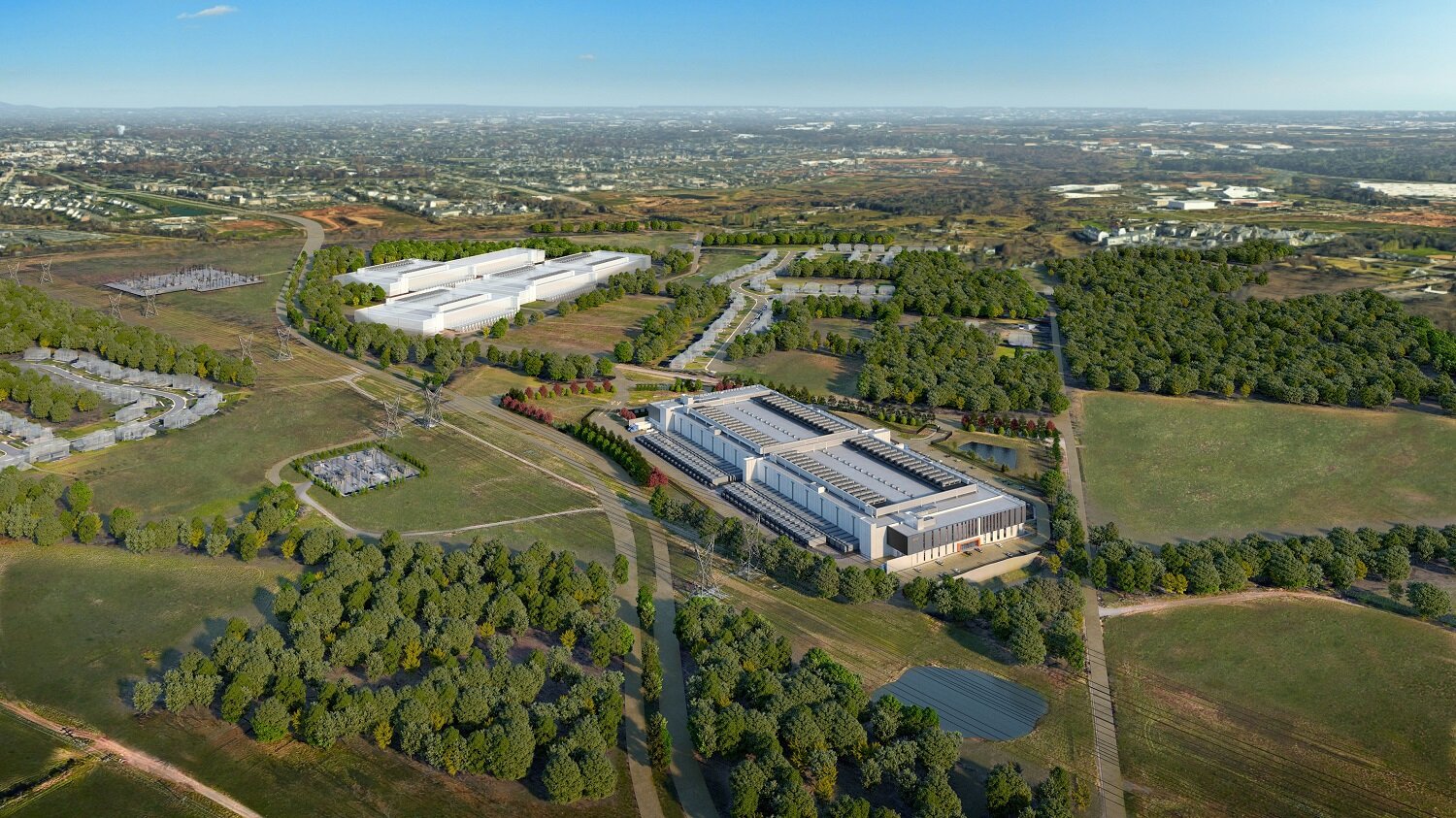
The construction of MU2 Park is precisely to undertake this upcoming data flood. From high-frequency trading in fintech to model training for autonomous driving, PDG attempts to illuminate every dark corner of India's AI industry with 120 megawatts of electricity. This forward-looking layout based on market demand makes PDG not just a real estate developer, but more like a technology infrastructure operator holding the lifeline of computing power.
When the first ray of sunshine in 2027 shines on the glass curtain wall of Mumbai's MU2 campus, it will reflect not only sunlight, but also the faint blue light of countless server indicator lights. Keywords: Southeast Asian news, big data center
PDG's bold gamble is not only about India's power stability, but also about the determination of this South Asian power to reposition itself in the global AI industry chain. On the global asset portfolio of 1.8 gigawatts, India is undoubtedly the most dazzling piece of the puzzle. For global tech giants eager to grab a share of the AI era, the physical network laid by PDG may be their shortest path to India's vast user pool. In this computing power arms race without gunpowder, the starting gun has already been fired, and PDG is sprinting at full speed.Editor/Cheng Liting
Comment




 Praise
 Collect
 Comment

 Share
Share


Write something~