 Search


- Less than two months until July 1, 2026, the desk of the Malaysian Energy Commission is about to be filled with heavy bidding documents
- This bidding for the NewGen26 gas-fired power generation project is not a conventional capacity expansion, but a key card played by Kuala Lumpur to cope with the imminent risk of power outages and restrictions
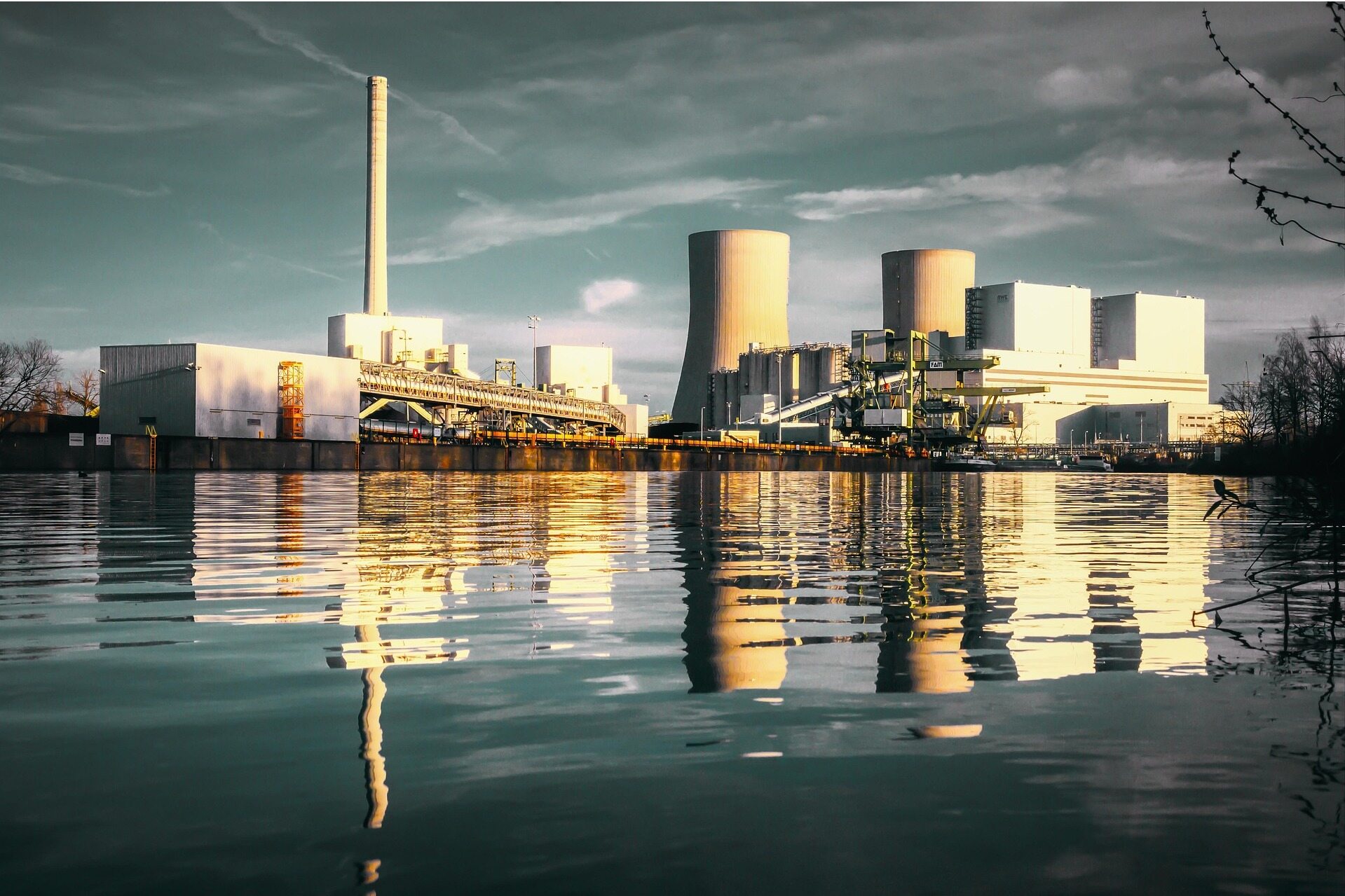
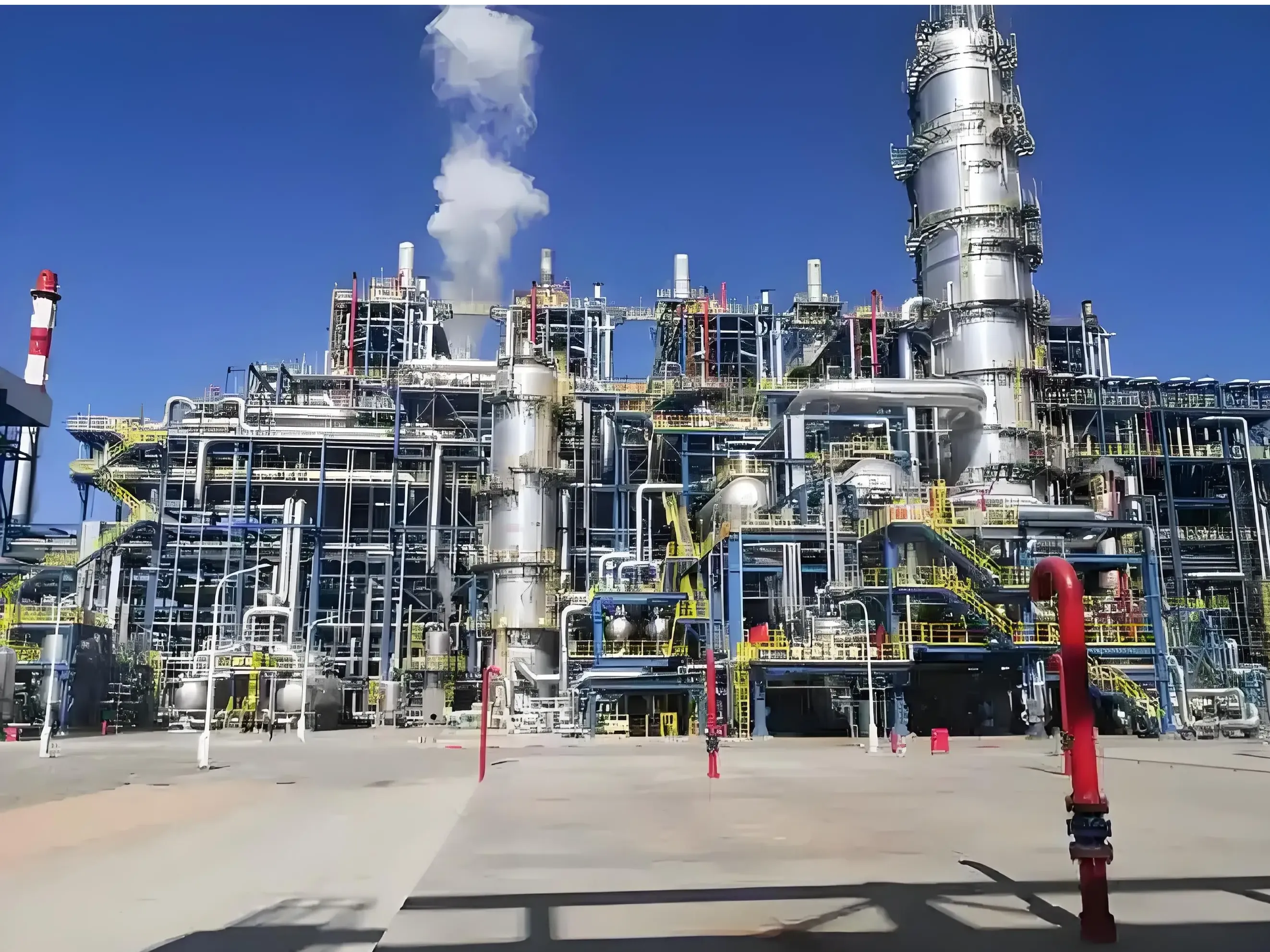
As soon as the bidding documents were placed on the table, the nerves of the Malaysian electricity market became tense. The "NewGen26" launched by the Energy Commission this time is not a conventional capacity expansion, but a race for electricity security in the next three years. Official data shows that the peak electricity demand in the Malaysian peninsula is expected to exceed 28000 megawatts by 2026, while the existing reserve capacity rate is approaching the safety red line of 15%.
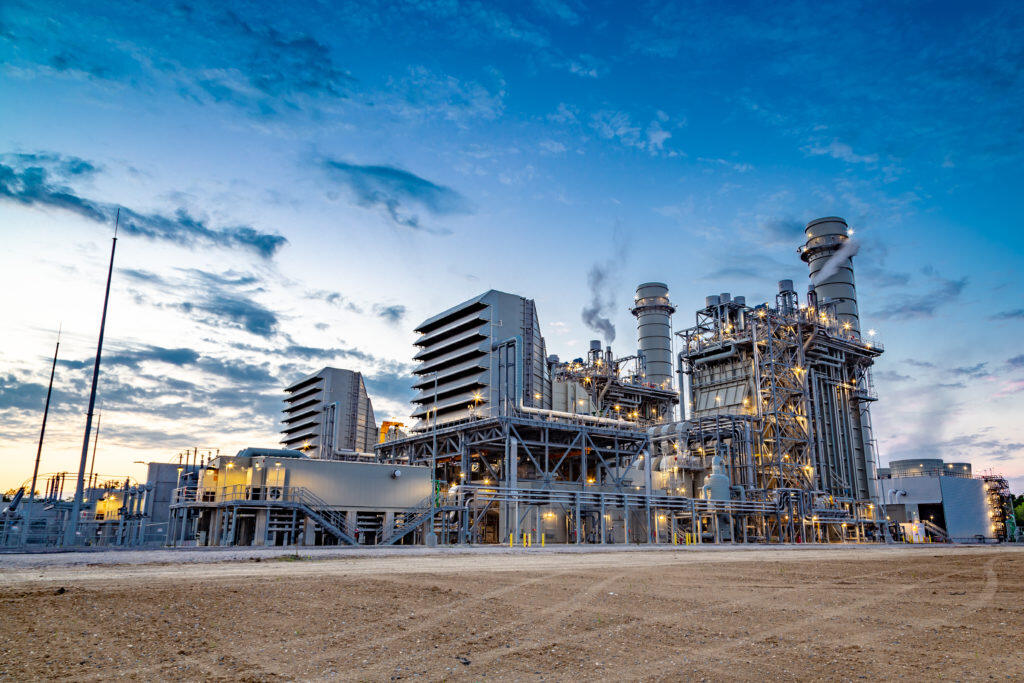
There are two driving forces behind this urgency. Firstly, there is a supply side "chain failure": the two combined cycle power plant projects that were directly awarded earlier have been delayed by an average of 14 months due to global gas turbine capacity constraints, resulting in an expected capacity of approximately 1200 megawatts being unable to be connected to the grid on time.
Secondly, there is the demand side "black swan": with the intensive landing of technology giants such as Tencent and Alibaba Cloud in data center parks in Johor, Malaysian digital economy institutions predict that by 2027, the newly added power demand of the data center industry alone will consume about 3000 megawatts of base load capacity. In order to fill the hard gap of 6000 to 8000 megawatts before 2029, ST has to put the deadline for bidding on July 1, 2026, leaving an extremely limited window for the supply chain.
The ceiling of foreign investment under the IBR framework
For eager international capital, the game rules of NewGen26 are clear but also strict. Unlike in the past, this bidding did not establish a green channel for supporting power supply in data centers, and all projects are included in the current "incentive supervision" framework. This means that the power purchase agreement signed between the winning bidder and the national energy company will strictly follow the cost transfer formula - the risk of gas price fluctuations will be shared by both buyers and sellers, rather than fully covered by the government.
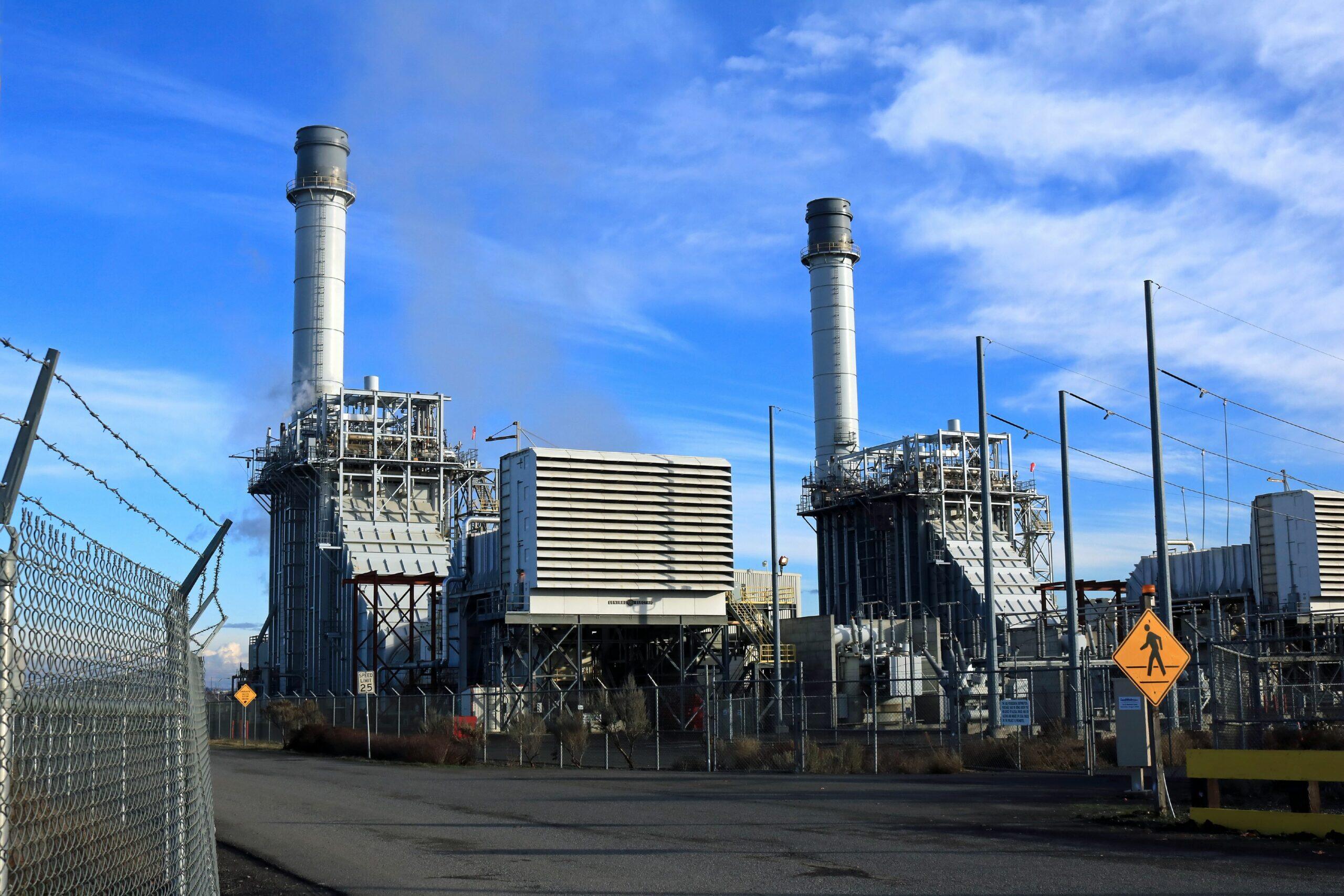
More noteworthy is the hard threshold of equity structure. Although Malaysia urgently needs to introduce efficient gas turbine technology, ST has clearly drawn a red line in the bidding manual: foreign ownership must not exceed 49%, and the project company must be controlled by local capital. This regulation directly blocks purely international independent power generators from entering the market, forcing equipment manufacturers such as Siemens Energy and General Electric to seek local partners to form consortia. Keywords: electric energy, Southeast Asia, gas-fired power generation
Market analysis suggests that this technology for market strategy aims to support local players. At present, Malaka and Yang Zhongli Electric Power have accumulated experience in multiple gas projects, and with TNB's own expansion plans, local giants are likely to dominate this competition. For outsiders, in order to get a share of this 6 GW cake, in addition to providing the best electricity cost quote, it is more important to find a Malaysian "investor" who holds more than 51% of the shares before noon on July 1, 2026.Editor/Cheng Liting
Comment


 Praise
 Collect
 Comment

 Share
Share


Write something~