 Search


- In April 2026, Xinjiang will promote the construction of the hub in the core area of the Silk Road Economic Belt
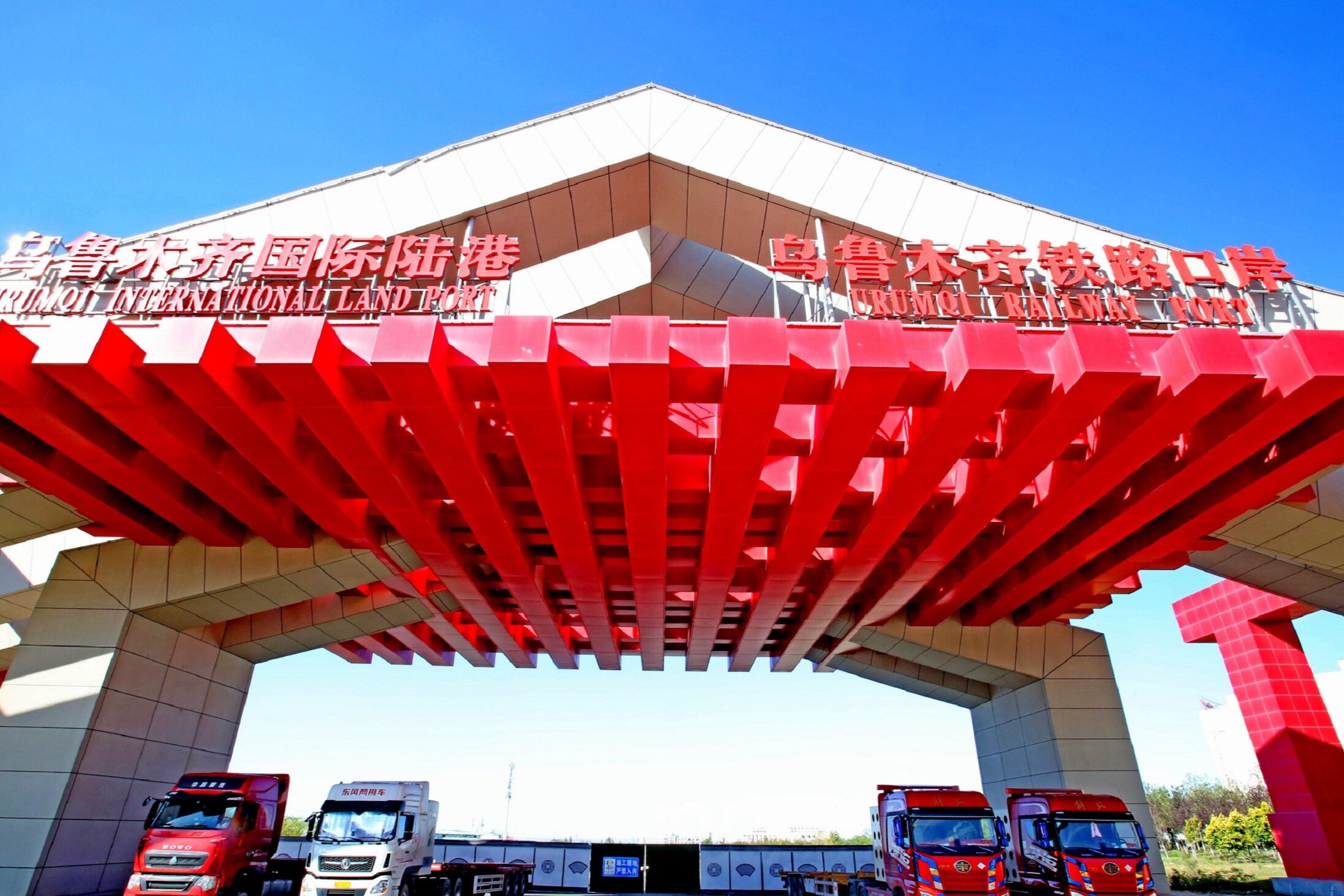
In April 2026, when a China Europe regular train full of photovoltaic modules leaves the country from Khorgos Port, Xinjiang is no longer the remote northwest border on the map. Liu Yilei, Chief Advisor of Shenzhen Institute of Comprehensive Development in China, made a judgment in an interview: This land, which accounts for one sixth of the country's total area, is transforming from a passageway station to a valuable highland on the Eurasian continent.
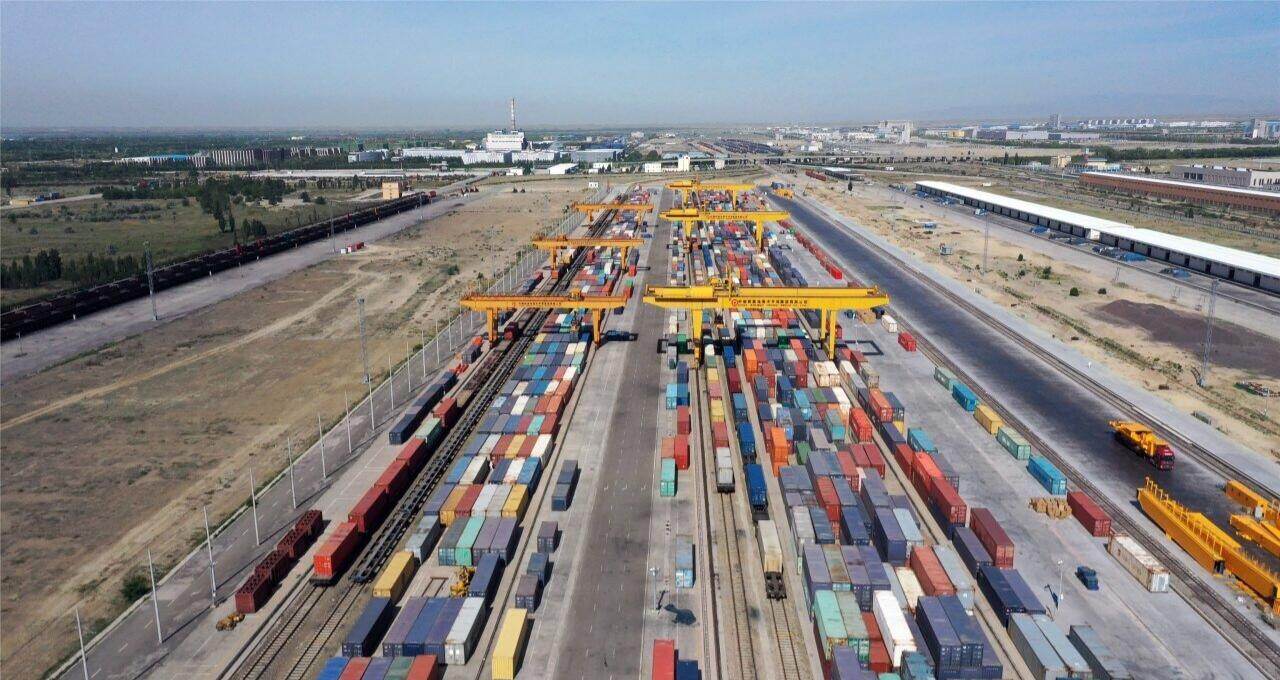
Nineteen ports support hard connectivity
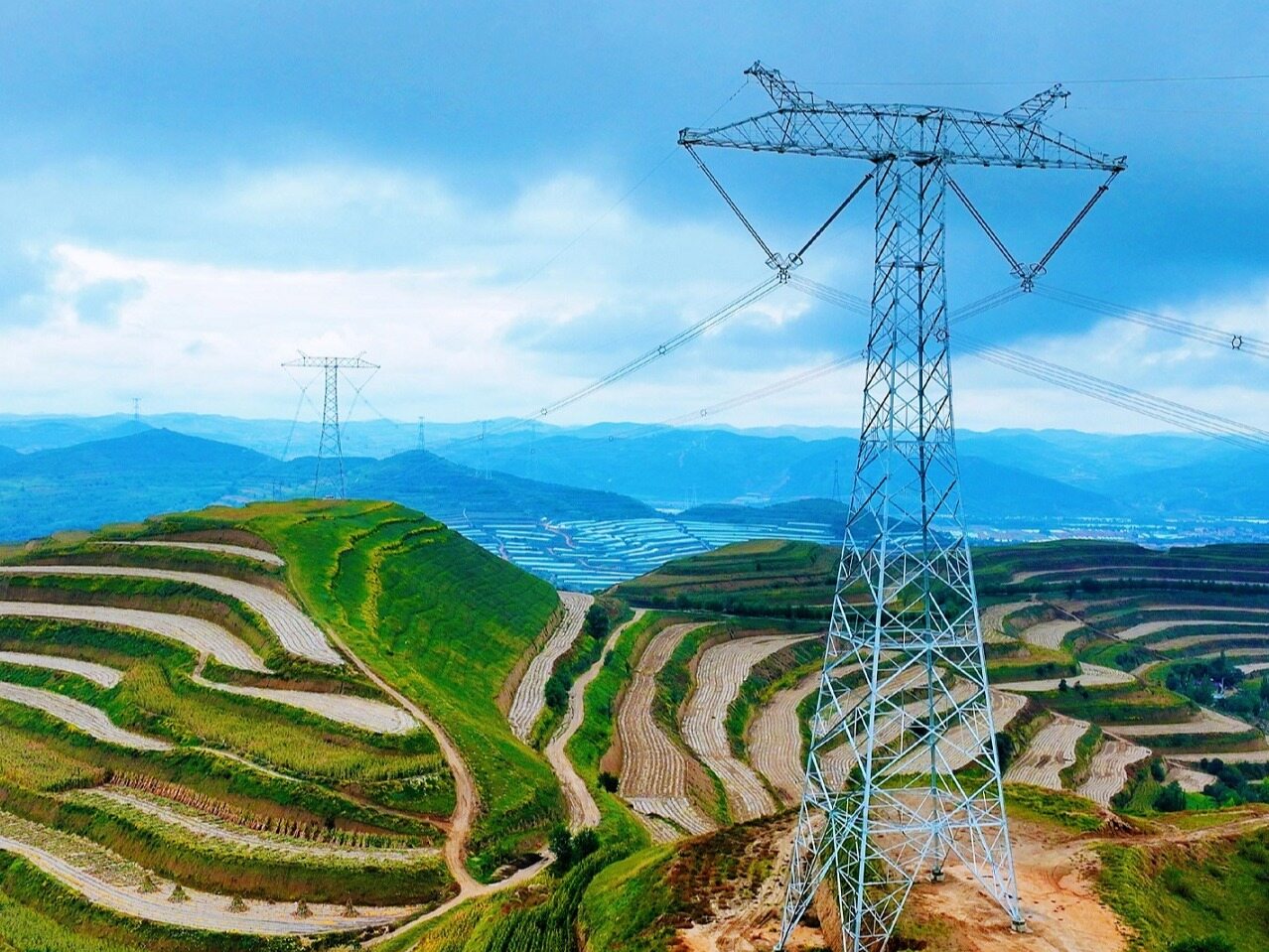
Xinjiang currently has 19 ports approved by the State Council for opening to the outside world, with the highest number of land ports in the country. Alataw Pass and Khorgos, two railway ports, bear more than half of the traffic volume of China Europe regular trains in the country, and 28 civil transport airports have formed the most intensive aviation network in the country. Oil and gas pipelines, power transmission, and cross-border optical cables form multi-dimensional channels, and the total import and export volume of goods has doubled in the past decade to over 60 billion US dollars.
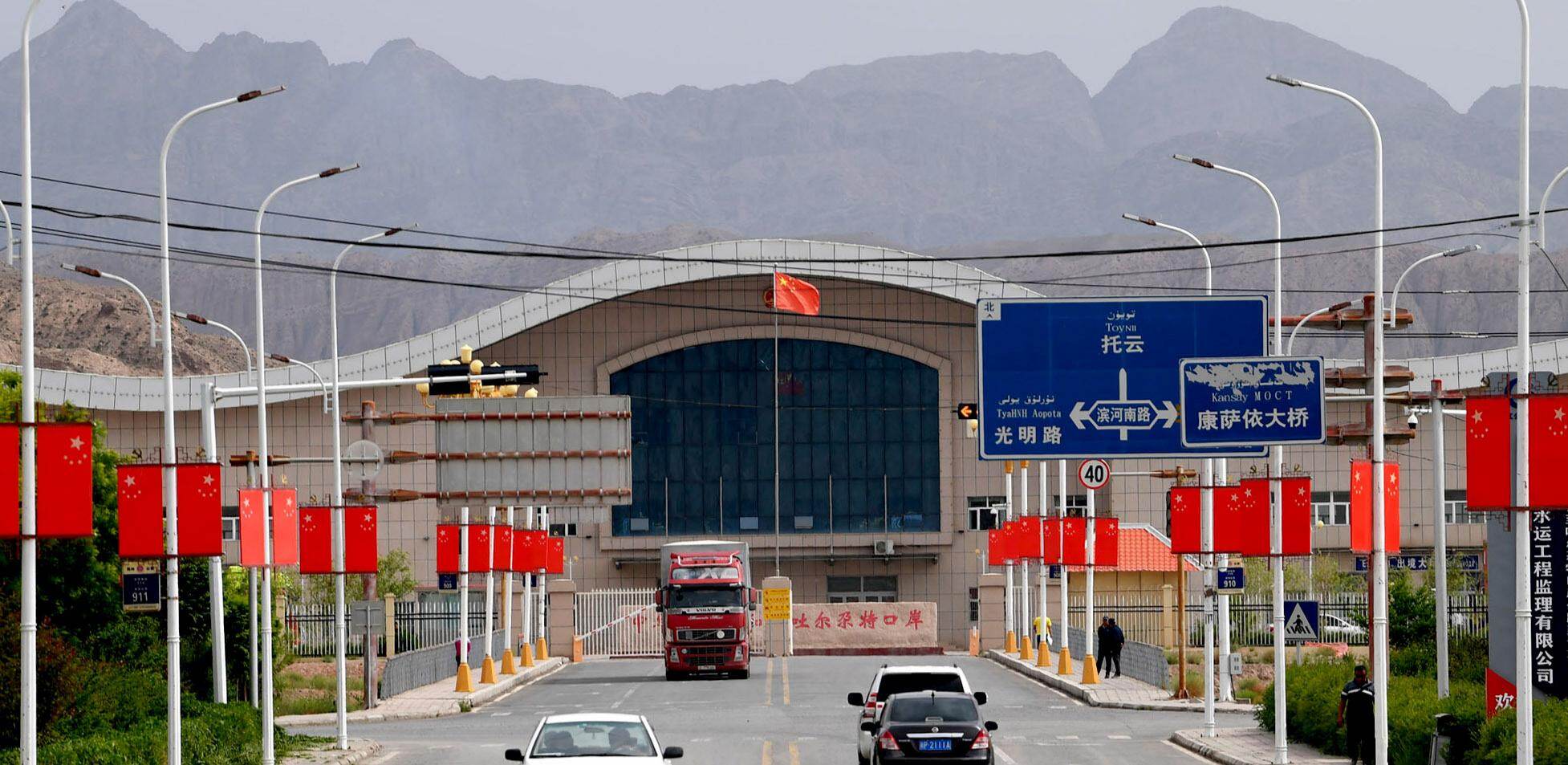
Exploring institutional opening-up in free trade zones
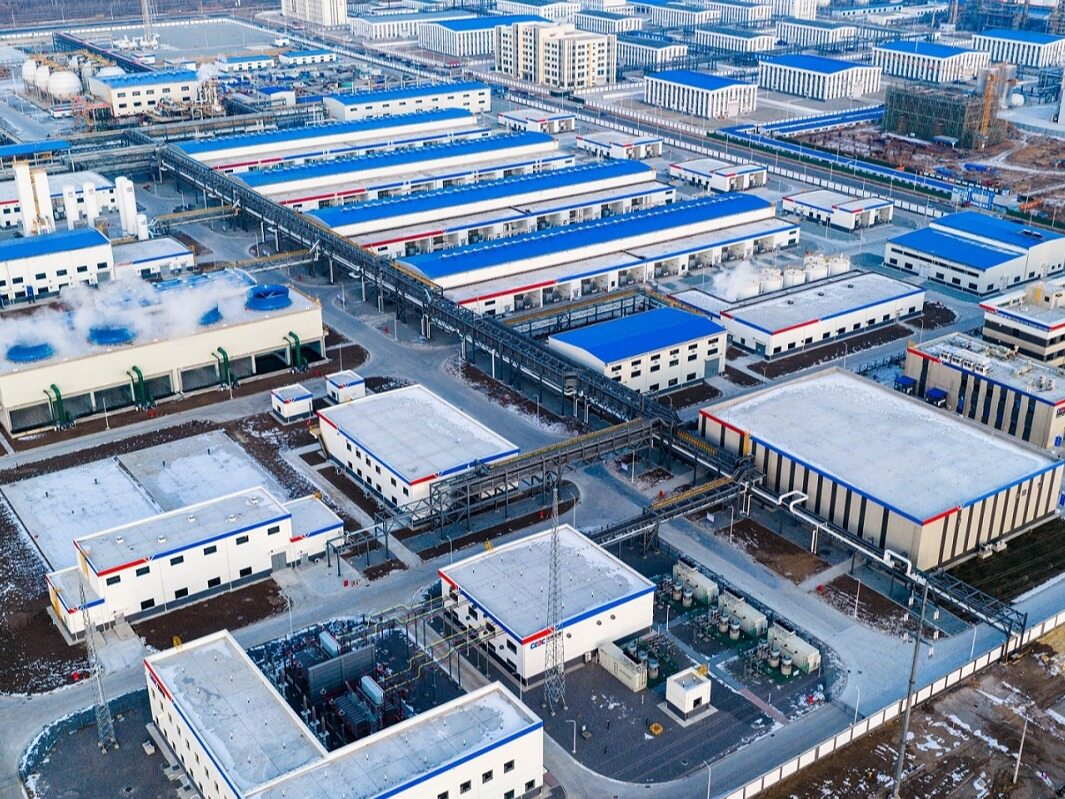
The open framework of the Five Central Port Economic Belt, consisting of one port, two zones, and five major central ports, has been formed with the three major areas of Xinjiang Pilot Free Trade Zone as the engine. The China Eurasia Expo has become the top brand of exhibitions in Central Asia, and the border cooperation zone and comprehensive bonded zone cooperate to undertake industrial transfer. The proportion of technology intensive product exports continues to rise, and new formats such as cross-border e-commerce have transformed from sporadic pilot projects to large-scale enterprises. Keywords: Strategic News Network, Xinjiang Great Development
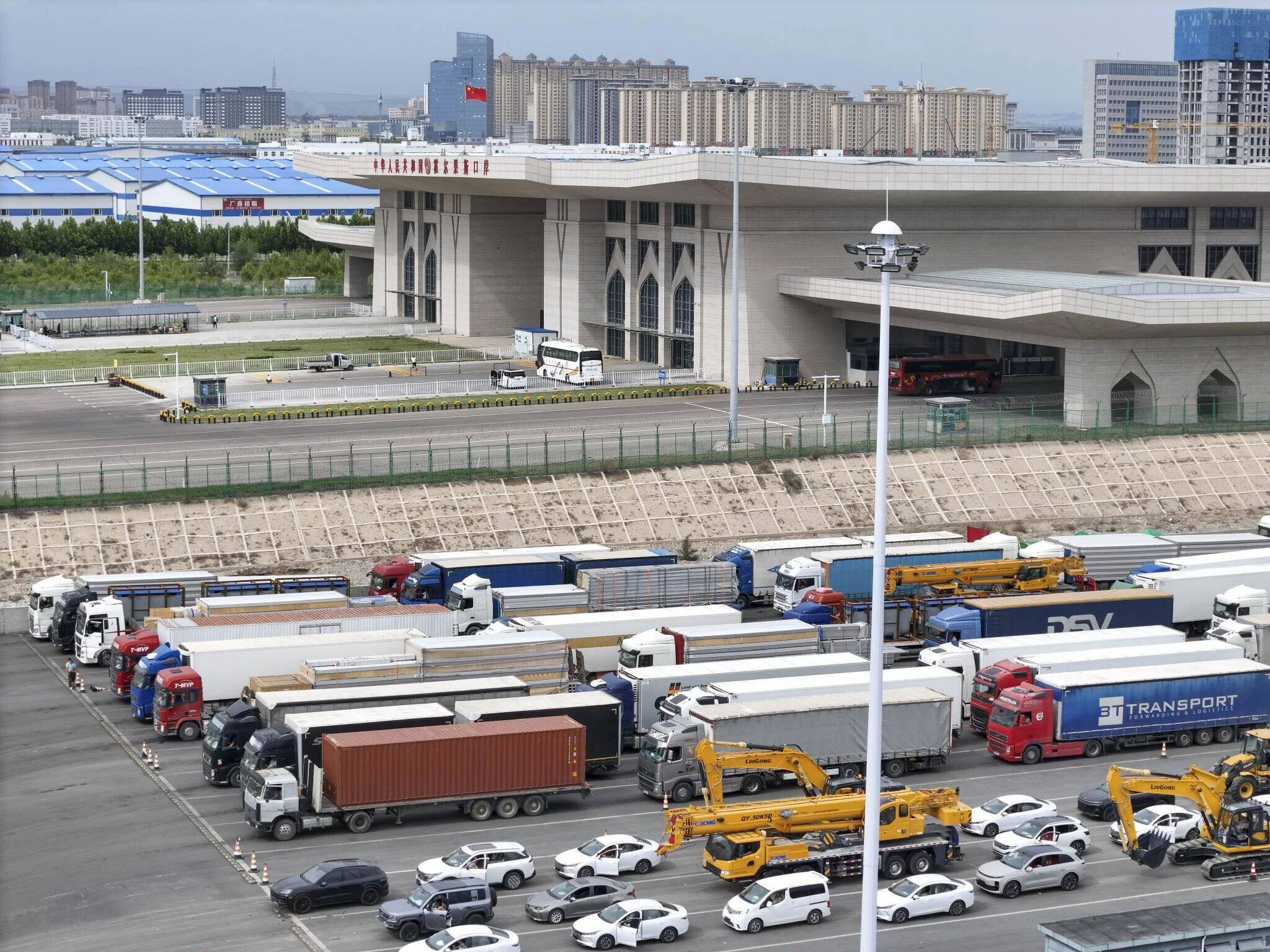
Get rid of the fate of the channel and turn to the hub
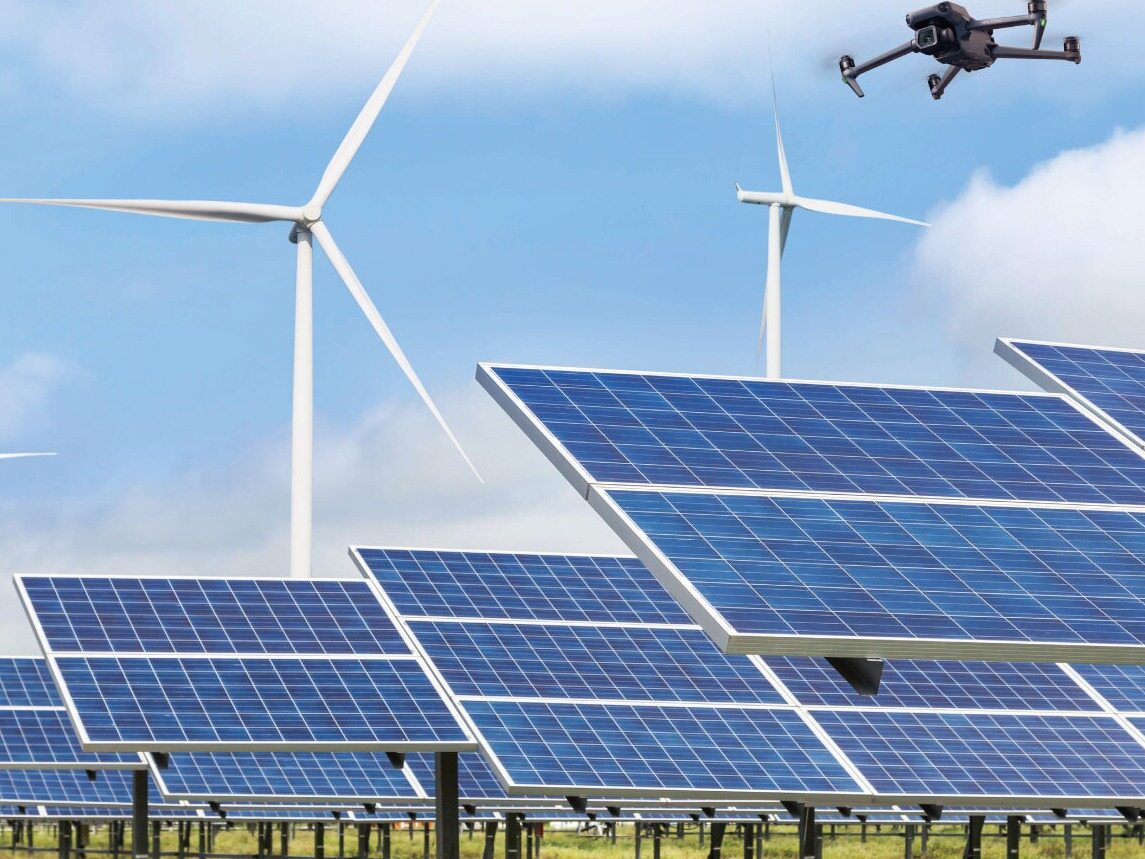
Liu Yilei pointed out that Xinjiang is facing a critical window of transition from a channel economy to a hub economy. The next step is to focus on hard tasks such as speeding up the China Kyrgyzstan Uzbekistan railway and 24/7 customs clearance at ports. At the same time, we need to promote the extension of energy, chemical, textile and clothing industries to the mid to high end, and undertake the transfer of new energy equipment from the east. When goods no longer just pass by but add value upon arrival, Xinjiang can truly obtain the distribution rights of Asia Europe economic and trade.Editor/Gao Xue
Comment


 Praise
 Collect
 Comment

 Share
Share


Write something~