 Search


- Saudi Railways launches five logistics corridors linking Gulf ports with inland industrial hinterland, extending northward to Jordan
- This rail road intermodal network aims to improve the efficiency of mineral and petrochemical transportation, and consolidate Saudi Arabia's strategic position as a key logistics corridor connecting Asia, Europe, and Africa
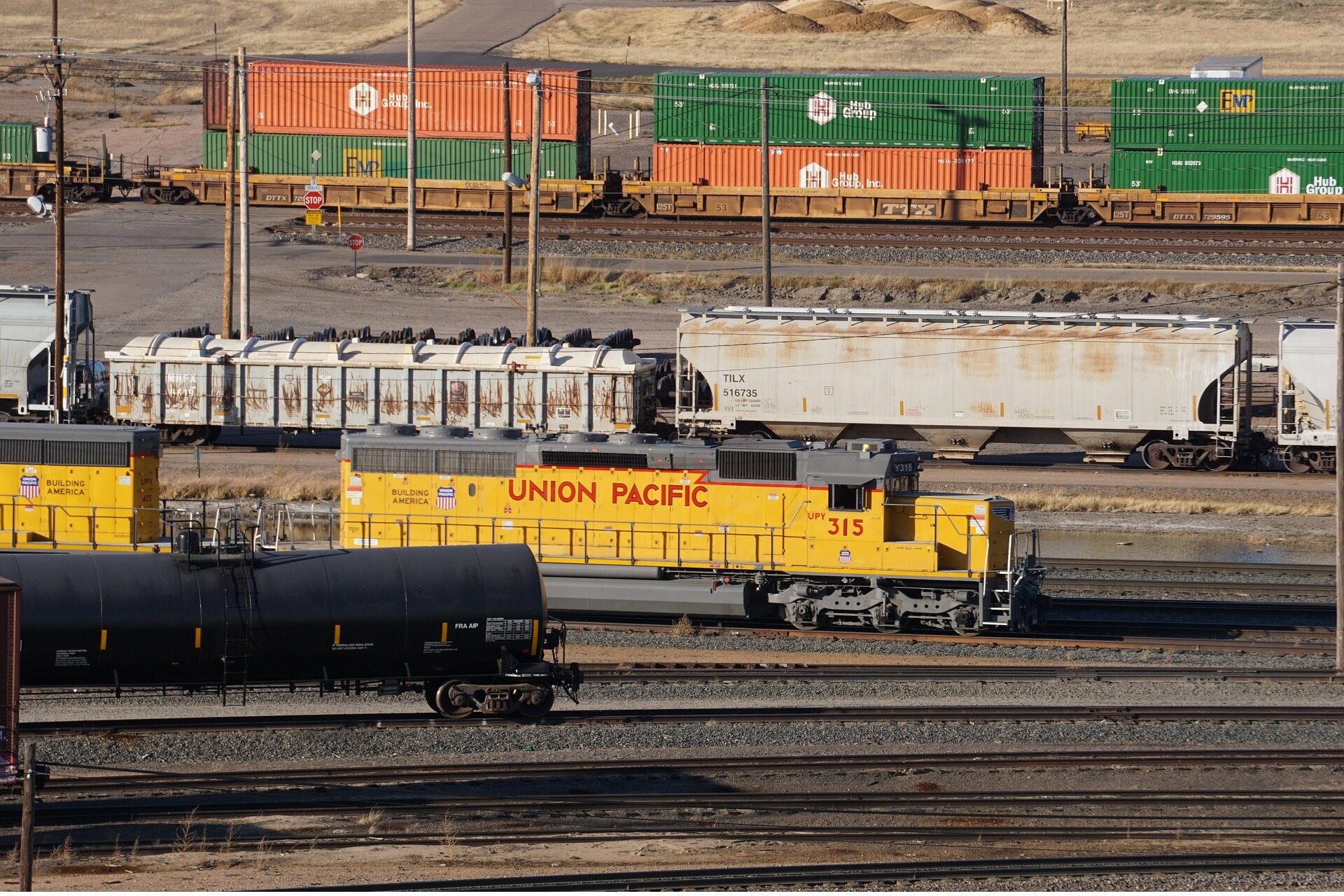
Against the backdrop of the ongoing disruption of the global supply chain in the Red Sea, Saudi Arabia is accelerating the transformation of its geographical advantage into an irreplaceable logistics hegemony. Saudi Railways recently announced the launch of five new logistics corridors, an infrastructure plan seen as a desert artery that will directly inject the throughput capacity of Gulf ports into the industrial heart of central Saudi Arabia and extend northward to the Jordanian border. This is not only a reshaping of the logistics map in the Middle East, but also a key achievement for Riyadh to seize global trade nodes through its "national transportation strategy" in the post oil era.

Hard connection between industry and ports
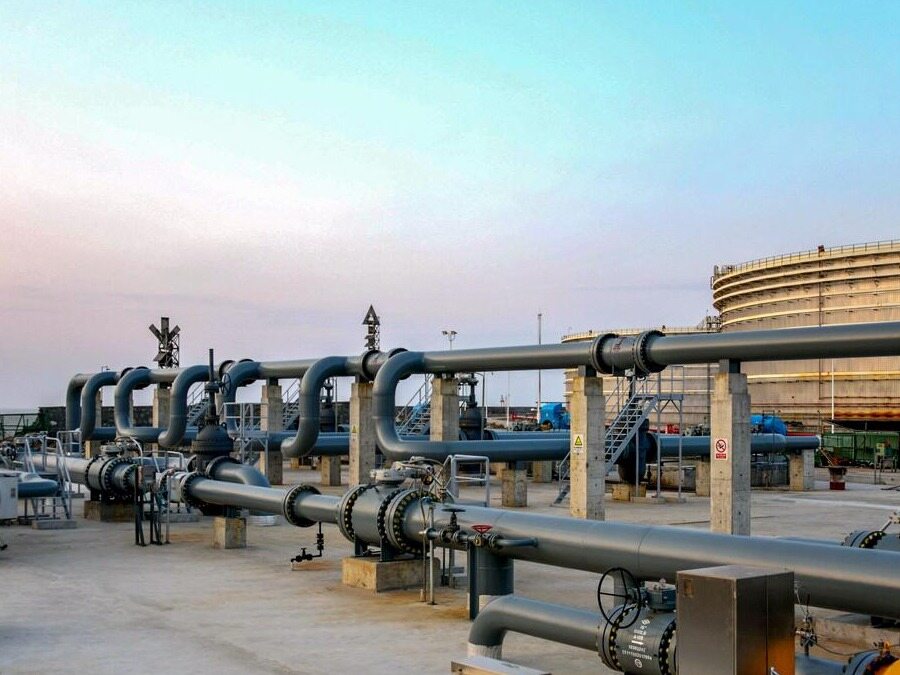
The newly opened corridor network is not simply an increase in routes, but a precise surgical operation targeting petrochemicals and mining. Although the specific path is still shrouded in a veil, its core nodes are clearly visible: the Riyadh Dry Port will be connected with six major freight stations including Dammam, Jubail, and Ras Al Ha'er, forming a port railway road multimodal transport loop. The SAR government emphasized in the statement that the facility will directly link the local industrial center to international shipping routes, and is expected to increase the transportation efficiency of key minerals and petrochemical products by more than 20%. For giants such as Saudi Basic Industries, this means that the logistics certainty of raw material imports and finished product exports will significantly increase.
A steel camel caravan crossing the desert
SAR's ambitions are not limited to the domestic market. Last month, the company launched a new freight service on the 1700 kilometer long north-south railway artery, starting from King Abdulaziz Port and King Fahd Industrial Port, and heading north through the Zabilkh intersection to Hadithe and the Jordanian border. This mainline, known as the Desert New Silk Road in the industry, is becoming a major freight artery connecting the Gulf Cooperation Council and the Levant region. Data shows that after the line operates at full capacity, the annual freight volume is expected to exceed 5 million tons, effectively diverting the congestion pressure of the Suez Canal.
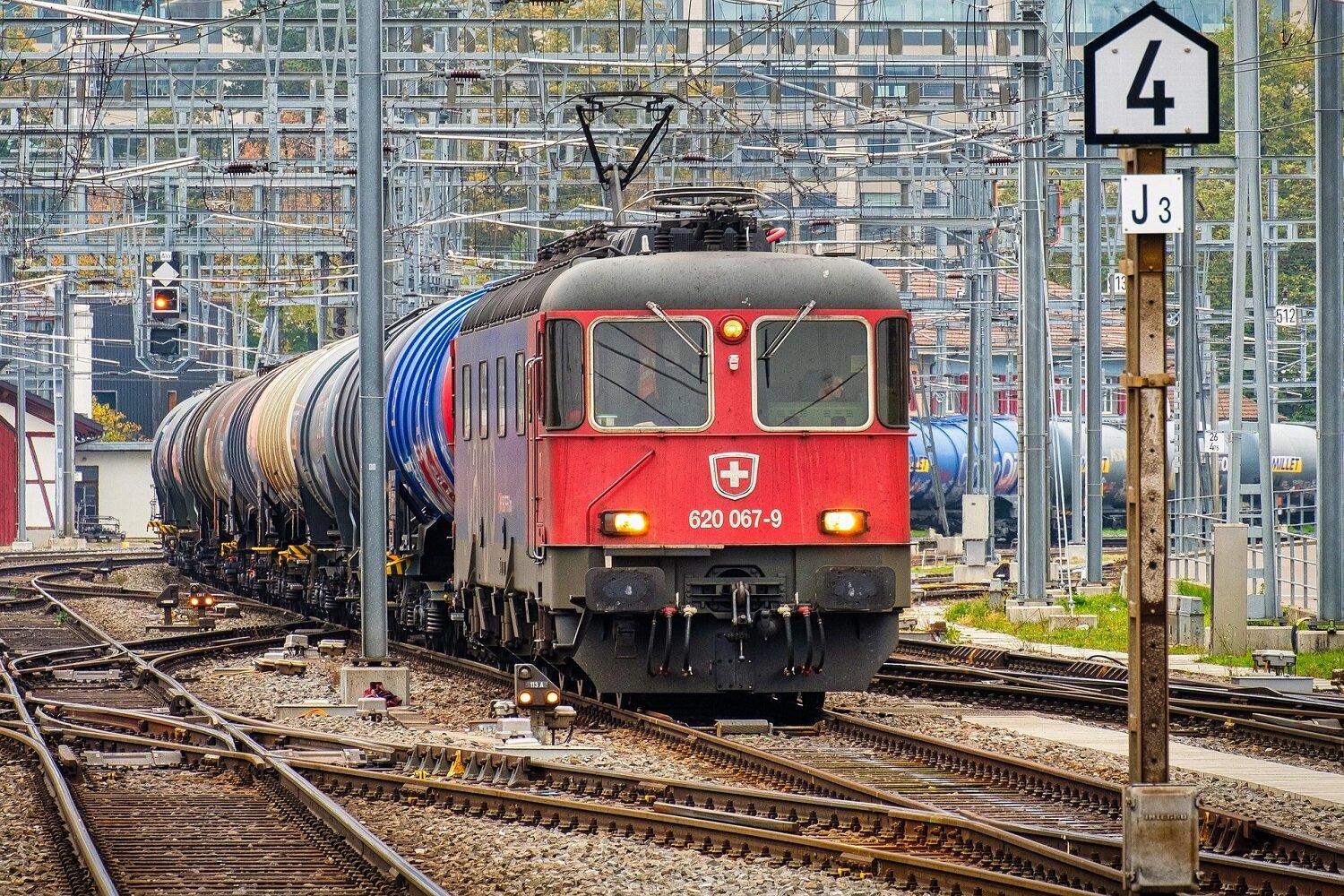
The Needle of the Sea God in Chaos
We are not only laying railway tracks, but also establishing backup channels for global trade, "said Bashar al Malik, CEO of Saudi Railways, revealing the deep logic behind this move. Amidst the increasing fragmentation of the global supply chain, Saudi Arabia is attempting to hedge the uncertainty of maritime routes by strengthening land rights logistics. With the opening of the new corridor, Saudi Arabia's position as a key logistics corridor connecting Asia, Europe, and Africa will be further solidified, providing a solid infrastructure foundation for its non oil economic sector in its 2030 vision. Keywords: Middle East news, port logistics
While the world is still anxious about the skyrocketing shipping costs caused by the Red Sea crisis, Saudi Arabia has quietly completed a curve overtaking in logistics infrastructure. These 5 new corridors and a 1700 kilometer northern extension are not only physical extensions of steel and sleepers, but also a strong signal from Saudi Arabia to global logistics operators: in the turbulent global trade game, Saudi Arabia has prepared the most robust onshore ark.Editor/Cheng Liting
Comment


 Praise
 Collect
 Comment

 Share
Share


Write something~