 Search


- Chinese aluminum giant Zhongfu Industry plans to build North Africa's largest aluminum complex in Port Said, Egypt
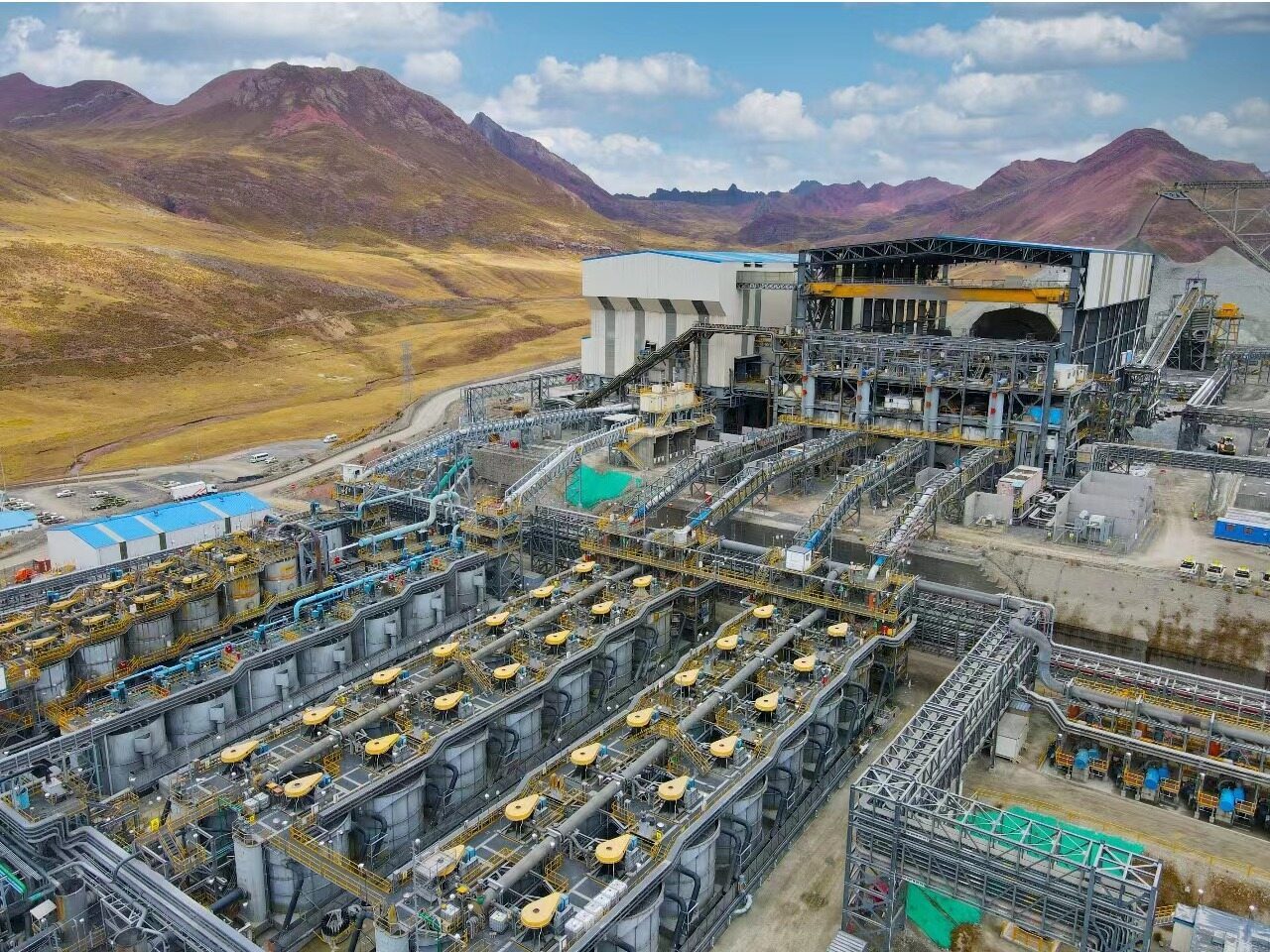
In April 2026, a high-level meeting at the Cairo Prime Minister's Office was held in a lively atmosphere. Cui Hongsong, Chairman of Henan Zhongfu Industrial, unfolded the planning map and presented a grand blueprint to Egyptian Prime Minister Mustafa Madbury: to build a "new aluminum city" covering an area of one million square meters at the Port of East Said on the banks of the Suez Canal. This is not only one of the largest single investments by Chinese aluminum companies in Africa, but also a crucial piece of the puzzle in Egypt's industrialization process.
For Egypt, this puzzle means 3000 direct job opportunities, economic activation in the Sinai Peninsula, and breaking free from dependence on imported aluminum materials; For Zhongfu Industrial, this is a key milestone in its globalization strategy, which involves using the Suez Canal to radiate to the three major markets of Europe, Africa, and the Middle East.
Billion level investment
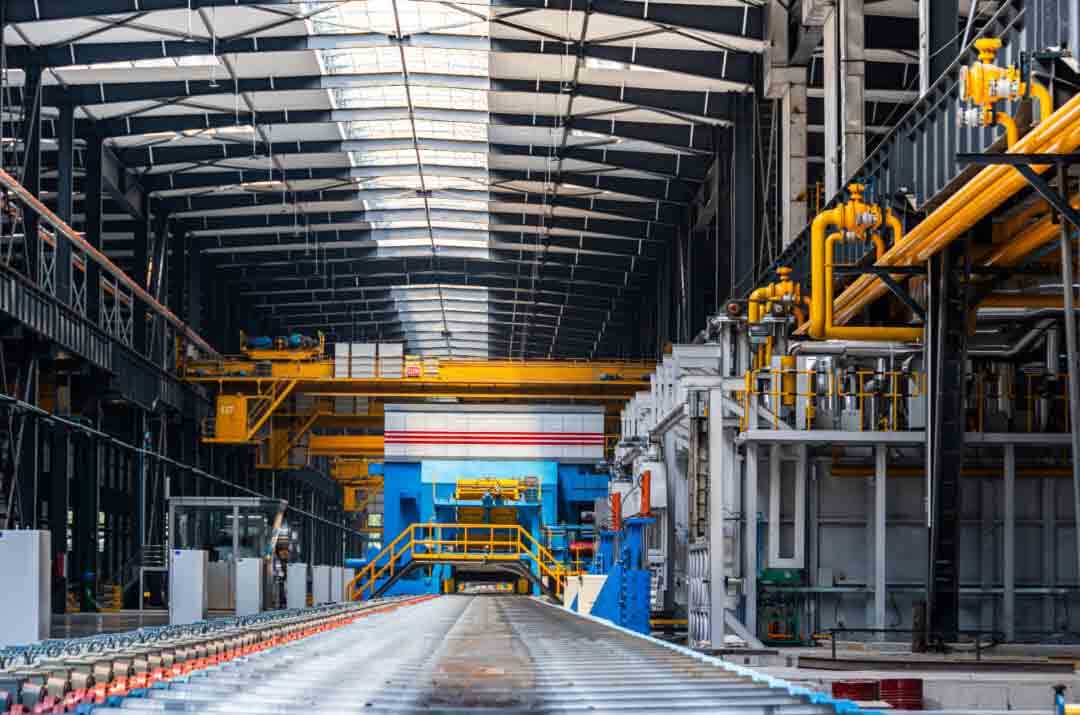
According to the plan, the total investment of this aluminum complex is as high as 2 billion US dollars (about 14.4 billion yuan), and it is located in the strategically advantageous East Side Port Industrial Zone of the Suez Canal Economic Zone (SCZONE). The total area of the project exceeds 1 million square meters, and its scale is large enough to make it a new landmark in the aluminum processing field in North Africa.
The project abandons low-end rough processing and focuses on high value-added products, with a focus on producing aluminum plates for beverage cans, new energy battery foils, as well as high-performance aluminum materials for automobiles, aviation, and rail transit. This will directly fill Egypt's production capacity gap in the high-end aluminum manufacturing field.
The project is expected to create approximately 3000 direct job opportunities, and the Egyptian government has emphasized the priority of absorbing labor from cities along the Sinai Peninsula and the canal. This has significant implications for stabilizing the regional economy and increasing the income of local residents.
The dual attraction of location and policy
Zhongfu Industrial's heavy investment in Egypt this time is not a momentary impulse, but based on rigorous business logic and geo economic considerations.
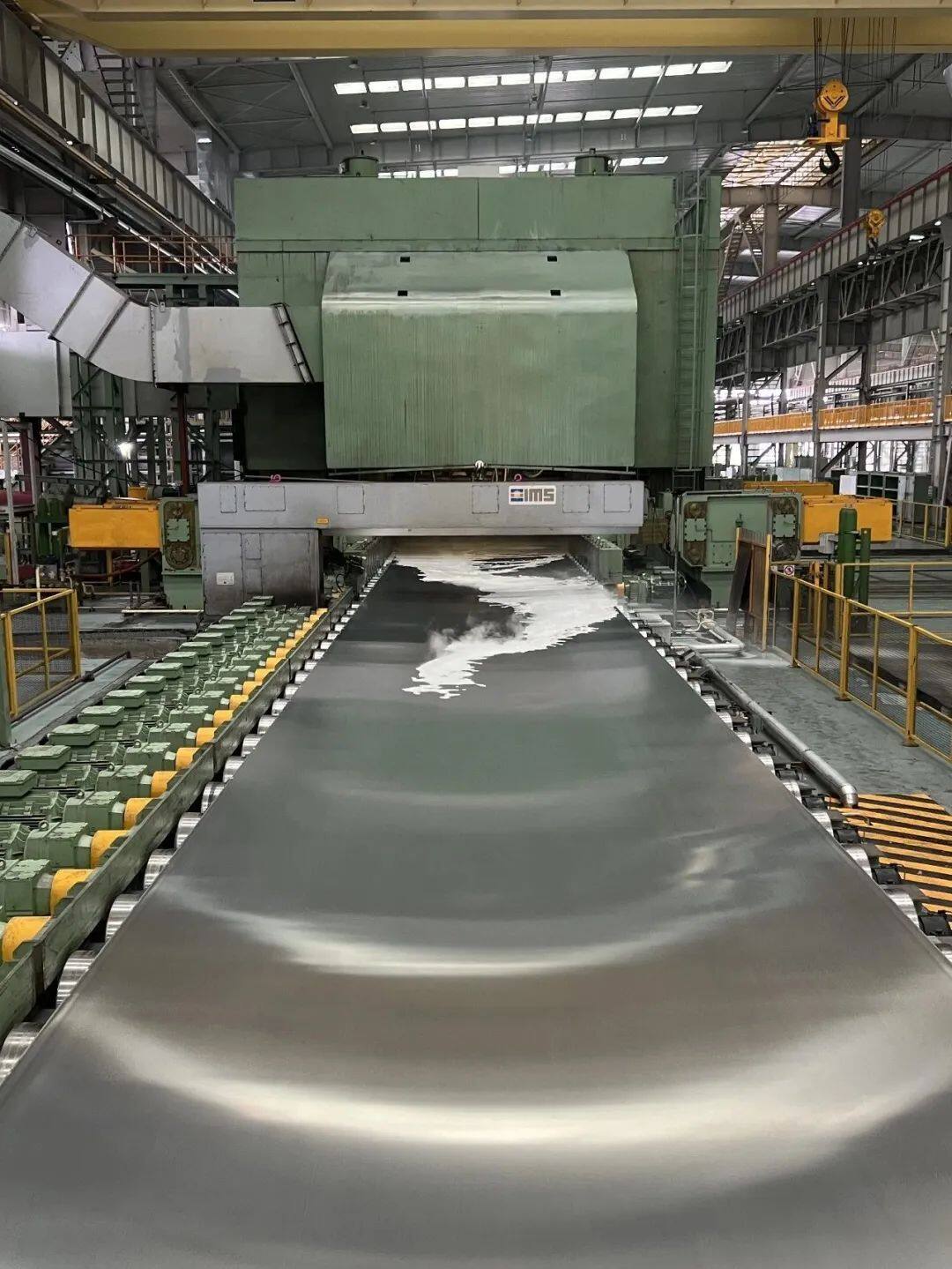
The Suez Canal, as a global shipping hub, has endowed the Port of East Side with unparalleled logistics advantages. From here, products can radiate to the European Union (relying on the EU Egypt Association Agreement), the African Continental Free Trade Area (AfCFTA), and the Middle East market with zero or low tariffs. For export-oriented Zhongfu Industrial, this is equivalent to obtaining a "pass" to enter the markets of three continents at the same time.
Egyptian Prime Minister Madibuli personally led project talks and instructed relevant departments to provide comprehensive support, demonstrating the urgent need of the Egyptian government to attract foreign investment in high-end manufacturing. Egypt is committed to promoting the localization of heavy industry and reducing its dependence on foreign raw materials, and Zhongfu's project aligns perfectly with this national strategy. It is reported that Egypt's state-owned aluminum company (Egyptalum) may also participate in cooperation to form industry chain synergy.
From selling products to building an ecosystem
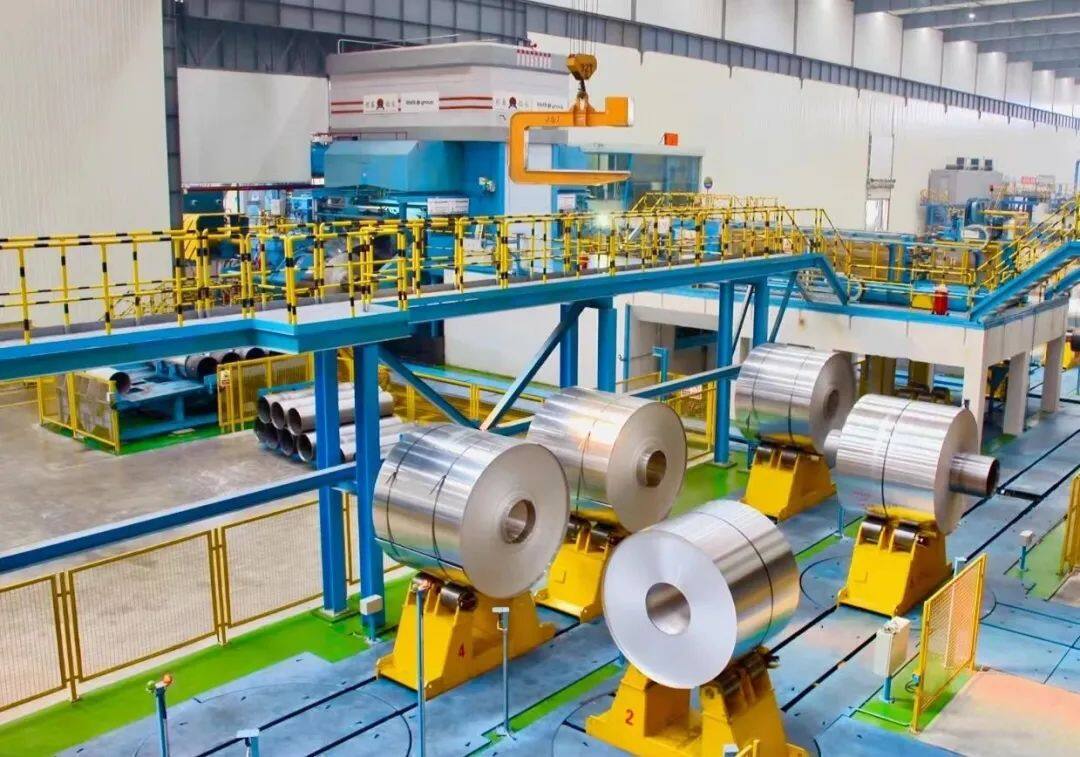
Zhongfu Industrial (600595. SH), as a well-established domestic aluminum enterprise, possesses integrated capabilities from "coal electricity aluminum" to deep processing. In 2024, the export volume of its aluminum processing products has accounted for more than 60% of its total sales, covering about 45 countries worldwide, making it a true export leader.
The construction of the factory in Egypt marks the upgrade of Zhongfu from a simple "product export" to "capacity export". By establishing a production base in Egypt, the company can more effectively avoid trade barriers (such as EU carbon tariffs), leverage local energy and labor cost advantages, combine "Chinese technology" with "Made in Egypt", and create a global supply chain system.
At present, both parties are conducting final negotiations on land use, energy support, and approval details. Once this "aluminum aircraft carrier" is built and put into operation, the Suez Canal Economic Zone will not only have one more factory, but also usher in a core engine that drives the development of downstream packaging, new energy, and transportation manufacturing clusters.Editor/Yang Meiling
Comment


 Praise
 Collect
 Comment

 Share
Share


Write something~