 Search


- On April 12th, Pakistan officially launched a transit corridor with Iran, promoting trade links between South Asia and Central Asia
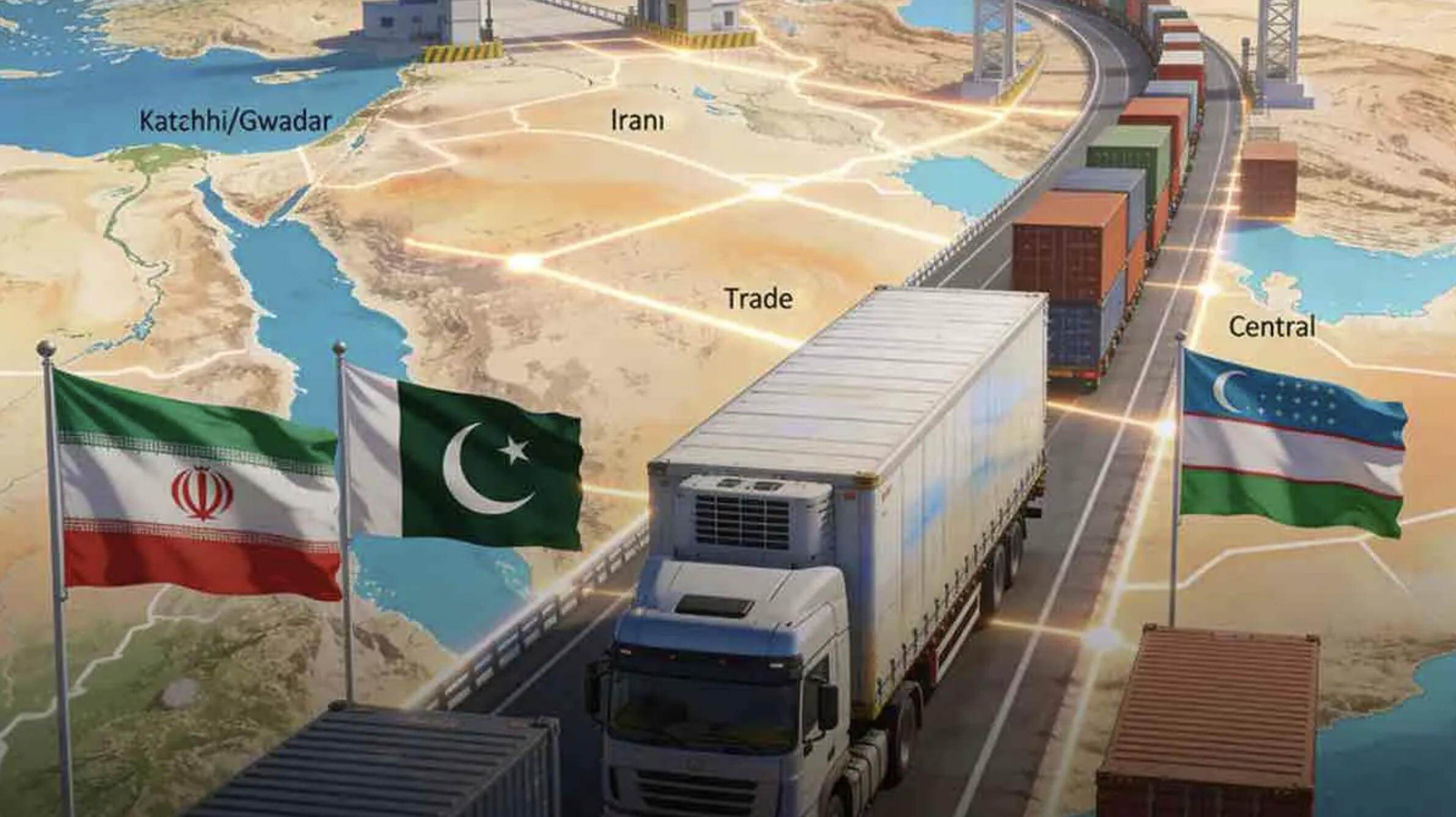
On April 12th, Pakistan officially opened the transit corridor jointly built with Iran. Pakistan's frozen meat, as the first batch of goods, departed from Karachi, exited through the Gwadar port, entered Iran, and finally arrived in Tashkent, the capital of Uzbekistan. The entire process was transported by land, marking the official operation of this regional connectivity channel.
The opening of this corridor will further tighten the trade ties between Pakistan, Iran, and Central Asian countries, injecting new momentum into regional economic and trade cooperation. According to Pakistan Customs, the corridor has been fully integrated into the International Road Transport (TIR) system, synchronously simplifying the TIR clearance process, activating multiple core border ports such as Tafutan, Rimdan, Sust, Gwadar, etc., achieving rapid verification of transit goods entering and leaving the country along the way, completely simplifying the cumbersome cross-border clearance process, and greatly improving transportation efficiency.
Previously, Pakistani goods exported to Central Asia mostly had to bypass routes within Afghanistan. The frequent conflicts and unstable transportation along the Afghan border have made trade and transportation full of uncertainty, making it difficult to effectively guarantee logistics timeliness and cargo security. The opening of the Pakistan Iran Transit Corridor provides Pakistan with a safer and more stable alternative route, directly opening up a land shortcut from South Asia to Central Asia and breaking the long-standing transportation bottleneck.
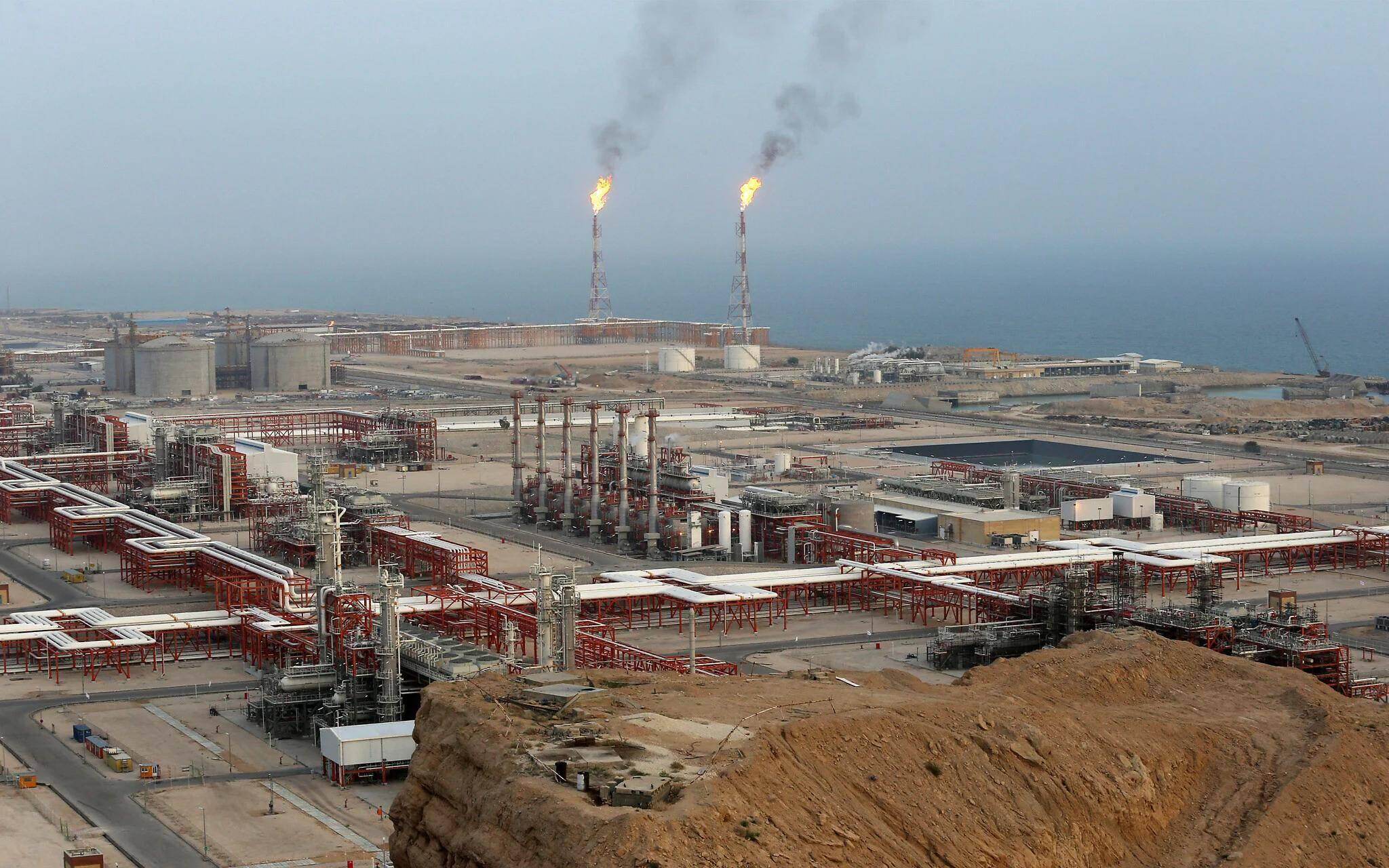
For Iran, which has long suffered from unilateral external sanctions, this corridor is a crucial 'land-based economic lifeline'. Iran has always relied heavily on the Strait of Hormuz for its foreign trade, which greatly restricts its economic and trade development space. The opening of the Iran Pakistan transit corridor has enabled Iran to successfully become a land hub connecting South Asia and Central Asia. It can not only generate considerable profits through transit logistics, but also expand its foreign trade territory through this channel, effectively offsetting the economic pressure caused by external blockades.Keywords: interconnectivity, Palestinian transit corridor, land transportation
In the current complex and ever-changing global trade landscape, and the rise of protectionism, the two countries of Pakistan and Iran have provided a practical solution to the development dilemma through cooperation: only by adhering to openness and connectivity, and upholding mutual benefit and win-win situations, can we break through development bottlenecks and achieve common improvement. The opening of the Pakistan Iran transit corridor may seem like a small step in regional cooperation, but it is actually a big step towards building an open world economy and promoting regional coordinated development. It will undoubtedly bring more development opportunities to countries along the route.(This article is from the official website of Jian Dao www.seetao.com. Reproduction without permission is prohibited, otherwise it will be prosecuted. Please indicate Jian Dao website+original link when reprinting.) Jian Dao website interconnection column Editor/Sunyaxin
Comment



 Praise
 Collect
 Comment

 Share
Share


Write something~