 Search


- Regular operation of one shift per week, building a stable logistics channel for the capital's foreign trade in Central Asia
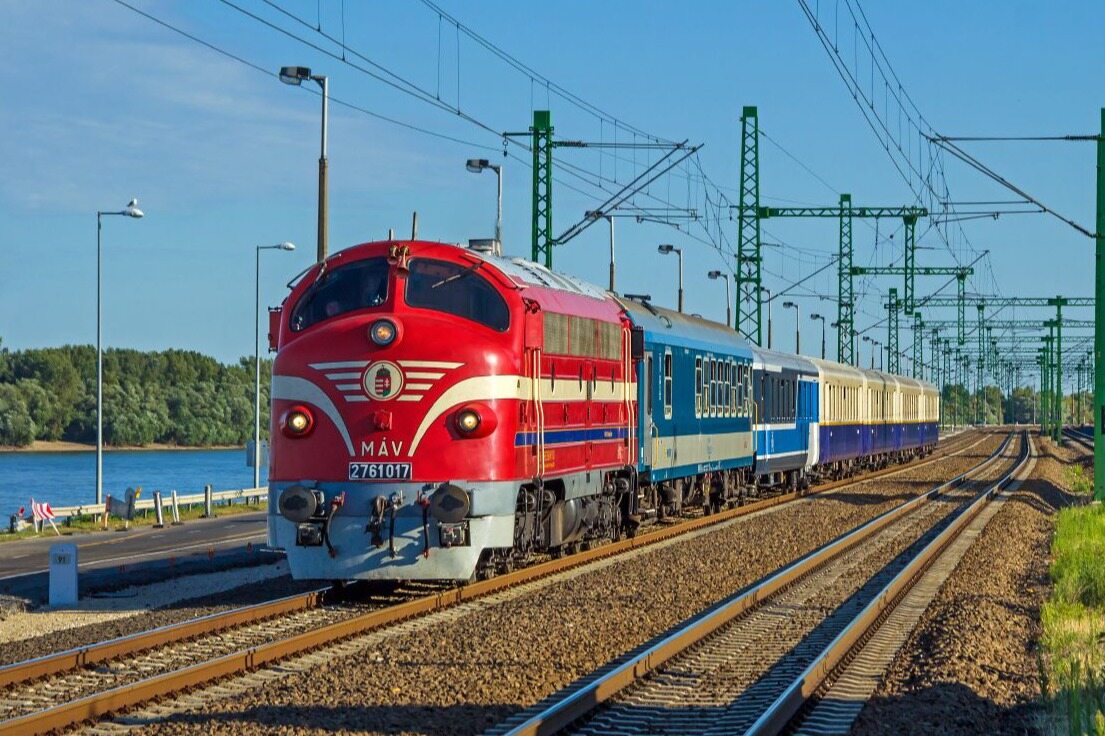
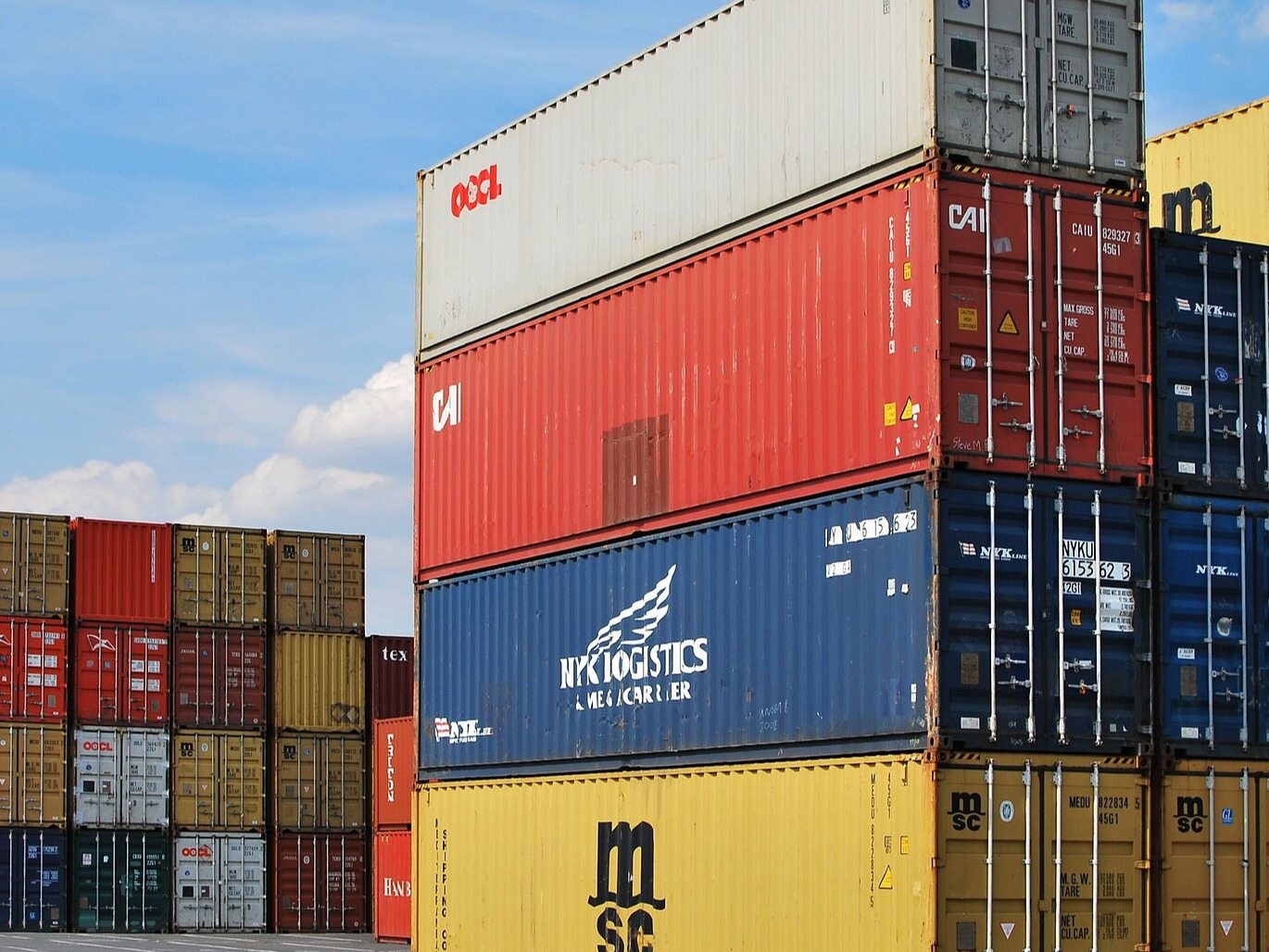
On April 20, 2026, the railway freight yard at Liangxiang Station in Fangshan District, Beijing was brightly lit. With a whistle piercing the morning light, the X9305 train, loaded with car parts and mechanical equipment, slowly started and headed west towards Almaty, Kazakhstan. This is not only the first time that Beijing has launched a scheduled Central Asia freight train, but also means that foreign trade enterprises in the capital now have a cross-border logistics line with fixed time and location.
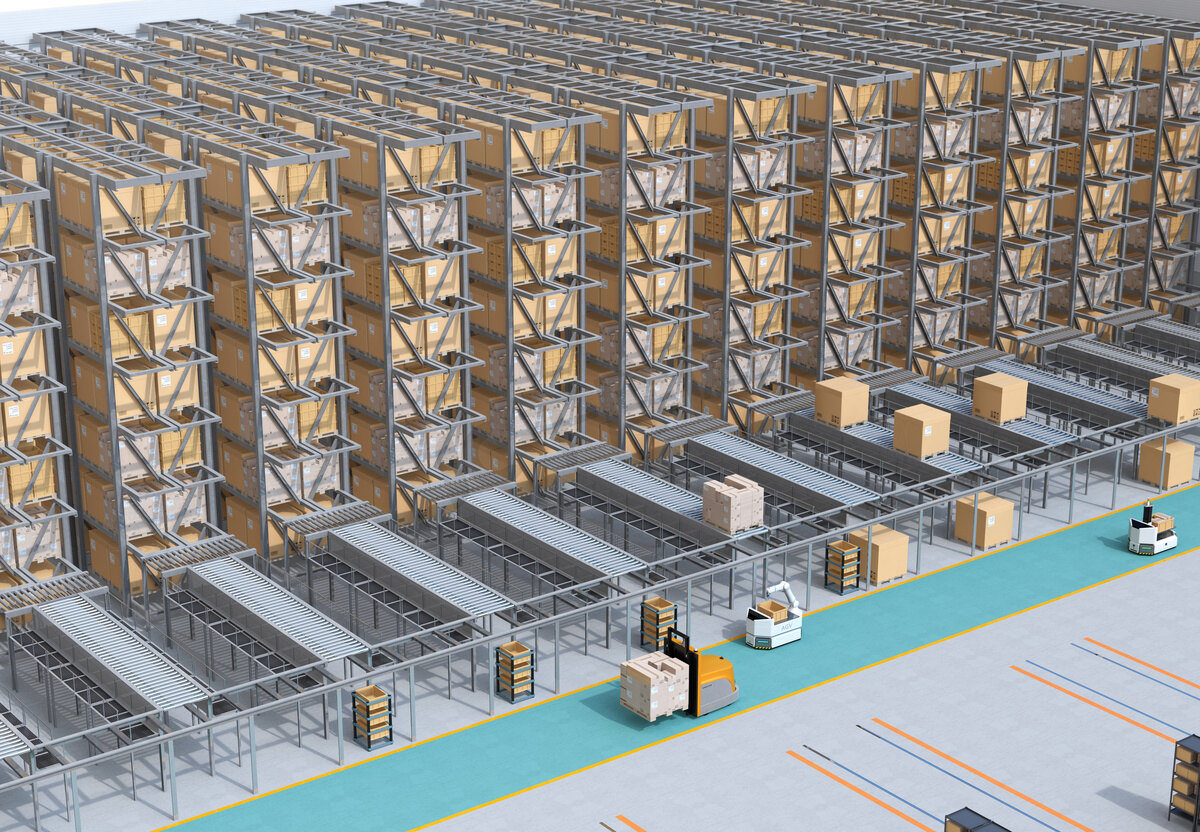
Weekly scheduled departure at a fixed time
This train is jointly built by China Railway Beijing Bureau and Beijing International Land Port, and will operate normally with a frequency of one train per week in the future. The scheduled train adopts fixed time, fixed route, and fixed train number operation, and exits through the Alashankou Port for the whole journey. It takes about 10 days to arrive in Almaty. Compared to traditional non fixed mode, enterprises can easily arrange production plans and overseas order rhythms, significantly reducing logistics costs.
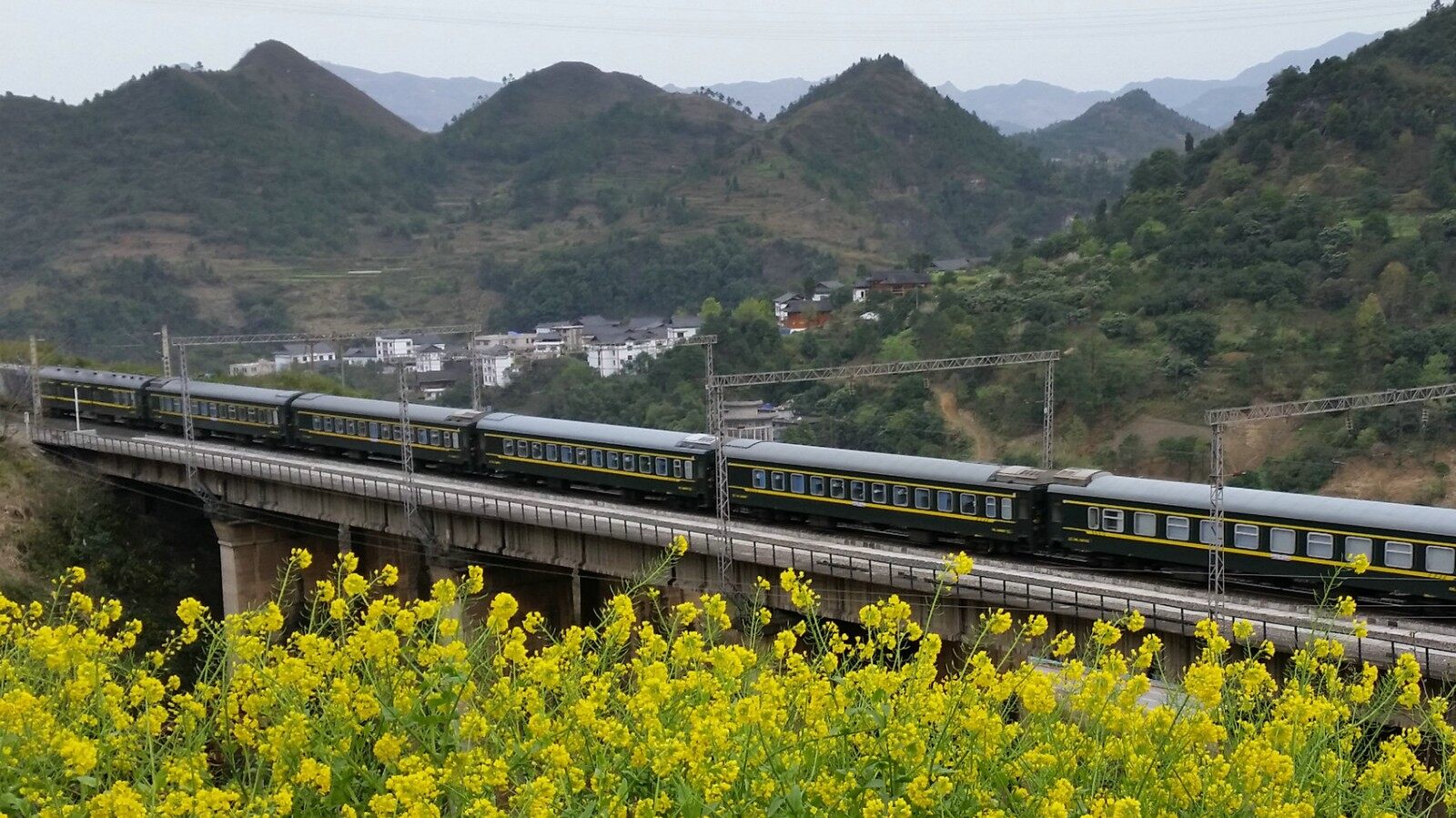
Five priorities to open up the green channel
Beijing Railway Logistics Center customizes transportation plans for trains, achieving efficient connection between cargo collection, entry, and loading. On site implementation of the five priority measures of priority acceptance, priority air allocation, priority loading, priority hanging, and priority release, with operators synchronously optimizing the loading and reinforcement process to provide full chain support for train operation. The seamless connection of goods from factories to stations is becoming the new normal for foreign trade in the capital. Keywords: the Belt and Road News Network, Central Asia Express
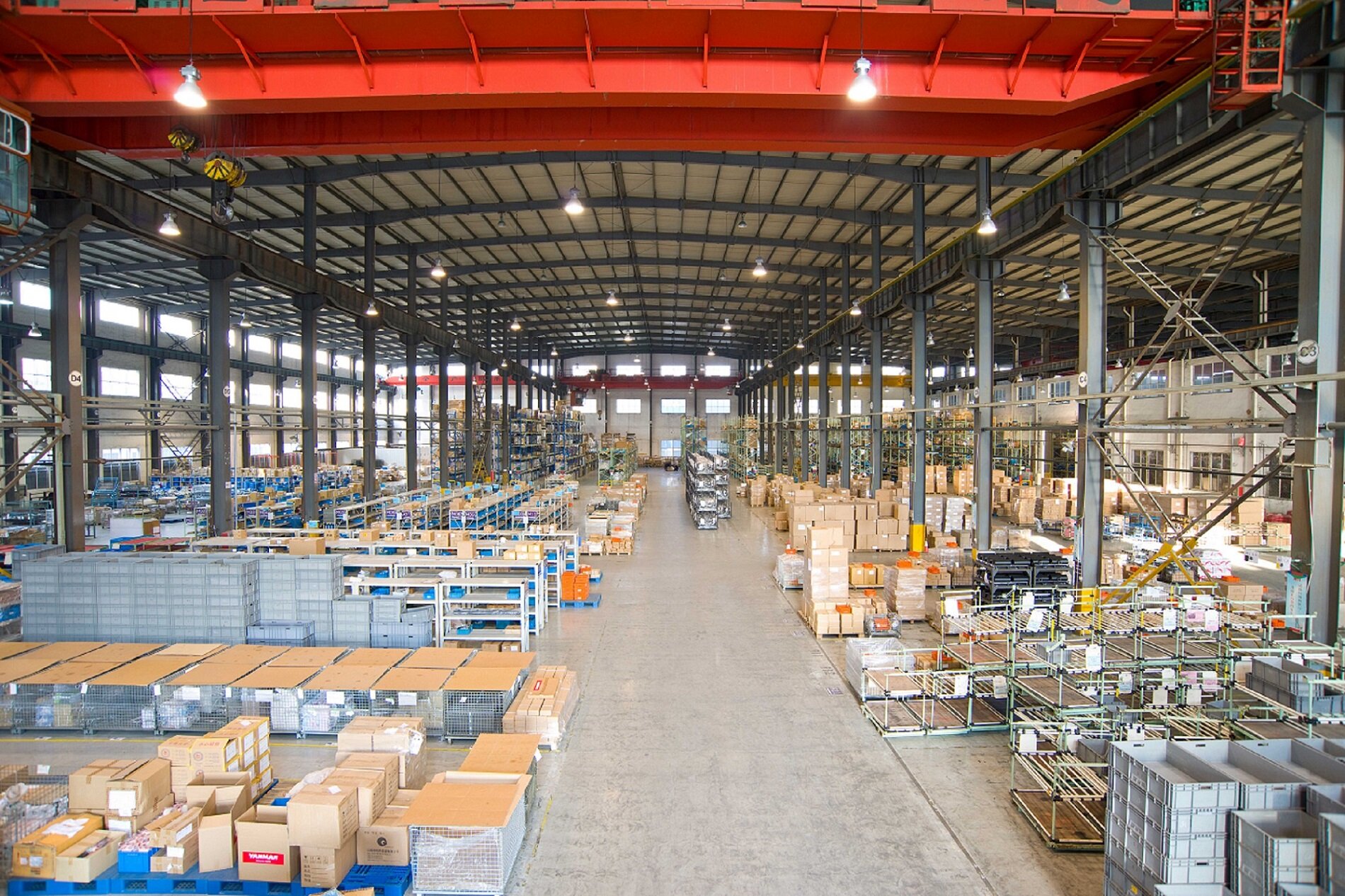
Upgrading land ports to boost exports from the Beijing Tianjin Hebei region
The person in charge of Beijing International Land Port stated that standardized operation is a key step for the capital to build a new pattern of all-round opening up to the outside world. Relying on the advantages of Alashankou Port, this stable and efficient logistics path will enhance the industrial service capabilities of Beijing's international logistics channel and help expand the Central Asian market for products in the Beijing Tianjin Hebei region in bulk. With the normalization of weekly operations, more Chinese manufacturers will depart from Liangxiang Station and cross the Hexi Corridor directly to the hinterland of Central Asia.Editor/Gao Xue
Comment


 Praise
 Collect
 Comment

 Share
Share


Write something~