 Search


- Artificial intelligence becomes the core engine of trade growth, and China is the preferred anchor for global capital allocation

On April 20, 2026, a report from the headquarters of the World Trade Organization in Geneva made the global trade circle nervous - the growth rate of global commodity trade in 2026 will sharply decline from 4.6% last year to 1.9%. On the same day, authoritative institutions such as the United Nations Conference on Trade and Development, McKinsey, and Tsinghua University spoke out intensively, accelerating the reconstruction of the global economic and trade pattern from the rise of artificial intelligence to deep regional differentiation.
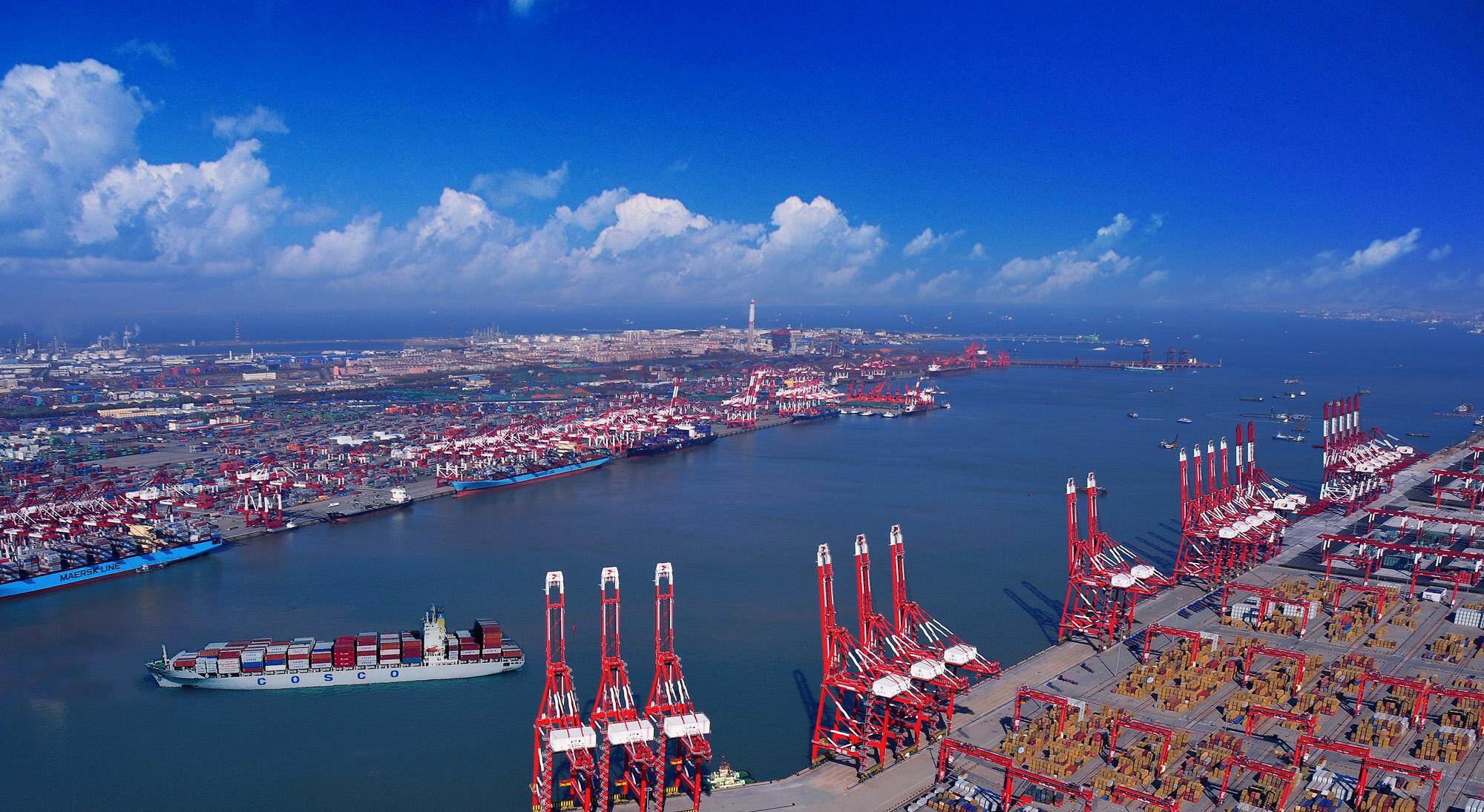
World Trade Organization warns of halving trade growth rate
The World Trade Organization's Global Trade Outlook and Data Report points out that geopolitical tensions and high oil prices are systematically suppressing global trade demand, while trade growth in North America and Europe is under pressure. Although Asia has performed outstandingly, it is difficult for it to be alone. The proportion of trade under the most favored nation treatment clause has decreased from about 80% at the beginning of 2025 to around 70% by the end of February 2026, and the multilateral trading system continues to be eroded.

AI hardware becomes a new engine for trade
The artificial intelligence related products are hedging against the overall decline. By 2025, the trade volume of AI hardware will soar by 21.9% to 4.18 trillion US dollars, contributing 42% of the global trade increment. The trade volume of chips, servers, and network equipment increased by 40%, driving one-third of global trade growth. East Asia has become the biggest beneficiary with the concentration advantage of semiconductor and electronic supply chains. Keywords: Strategic News Network, Artificial Intelligence, Landscape Reshaping

China locks in preferred global capital
The investment strategy report released by Tsinghua University Shenzhen International Graduate School clearly lists the Chinese market as the preferred global allocation target for 2026. The core logic is clear: valuation is in a global depression, the 15th Five Year Plan provides policy anchoring, the risk aversion attribute is highlighted in geopolitical turbulence, and the added value of high-tech industries increased by 9.4% year-on-year to support the fundamentals. At the same time, China's outbound investment is accelerating from product expansion to brand expansion, with localized operational capabilities becoming the key to victory.Editor/Gao Xue
Comment




 Praise
 Collect
 Comment

 Share
Share


Write something~