 Search


- By 2026, the five trillion dollar mega projects will comprehensively reshape China's economic geography
- From the snow covered artery to the strait, we will use hard core infrastructure to break through development bottlenecks and build a new national strategic framework
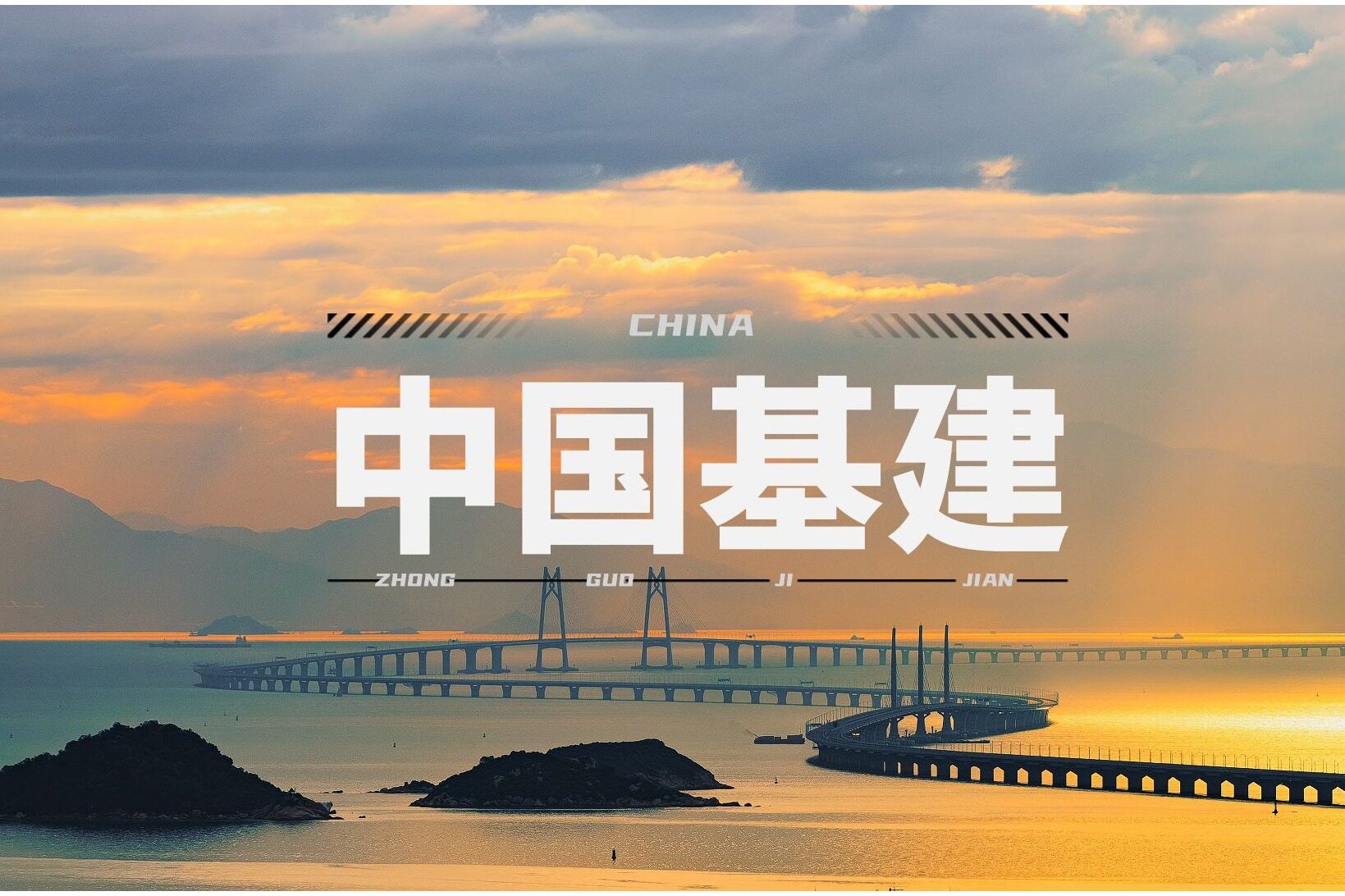
On the map of China's infrastructure in 2026, five chess pieces are dropping a shocking sea pin. They are no longer simply transportation or energy facilities, but physical projections of national strategic will - from the third artery into Tibet on the snowy plateau to the century long passage across the Taiwan Strait, from the green electric road that lights up the Greater Bay Area to the water conservancy surgery that clears the obstruction of the Yangtze River, with a total investment scale of trillions.
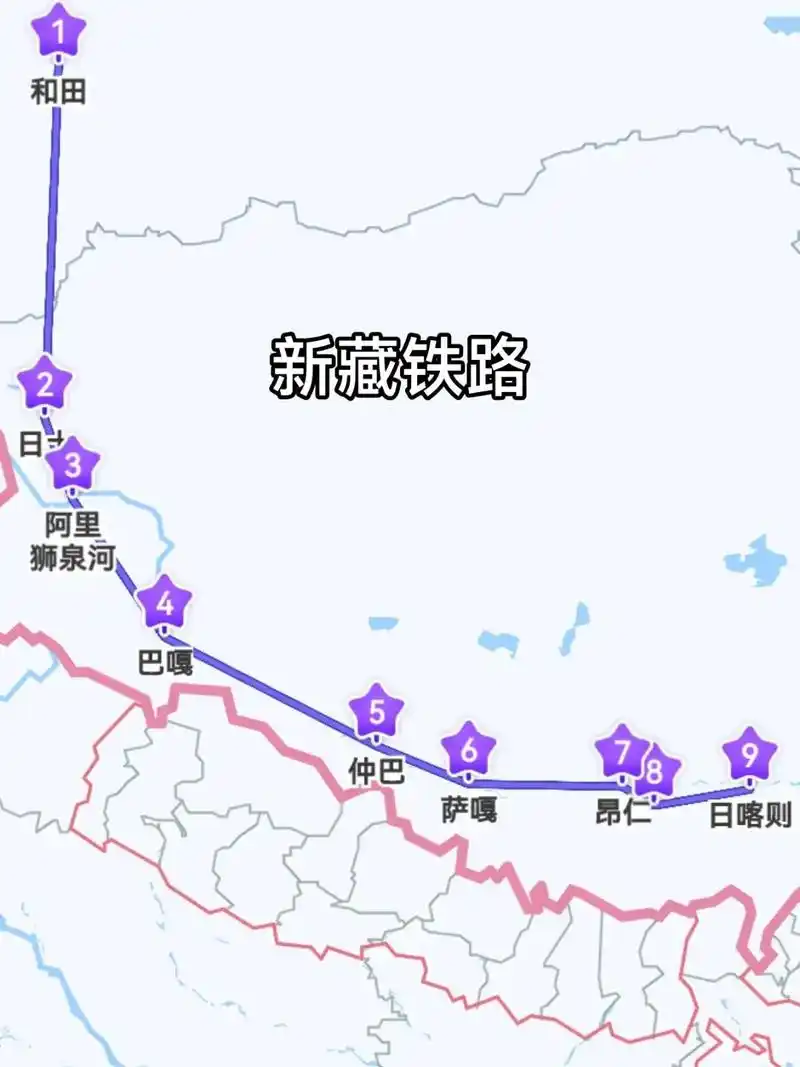
Xinzang Railway
As the core hub of the the Belt and Road, the Xinjiang Xizang Railway has a total length of 2000 kilometers, starting from Kashgar in Xinjiang in the north and ending at Shigatse in Tibet in the south. The highest elevation is nearly 5400 meters, more than 300 meters higher than the highest point of the Qinghai Tibet Railway, and the investment is expected to exceed 300 billion yuan. This is not only the third major artery for China to enter Tibet, but also a strategic pivot connecting the China Pakistan Economic Corridor, the China Kyrgyzstan Uzbekistan Railway, and the South Asia Corridor. The construction difficulty is world-class: it requires crossing the Kunlun Mountains and the Gangdise Mountains, overcoming three major challenges: high cold and oxygen deficiency, permafrost, and ecological fragility. After completion, Xinjiang will transform from the northwest border into the core node of the Eurasian Continental Bridge, and the southwest hinterland of Xizang will be directly connected to the new channel of international land and sea trade. This cloud railway will completely change the closed state of Ali region in Xizang, making the frontier no longer the edge, but the frontier of opening.
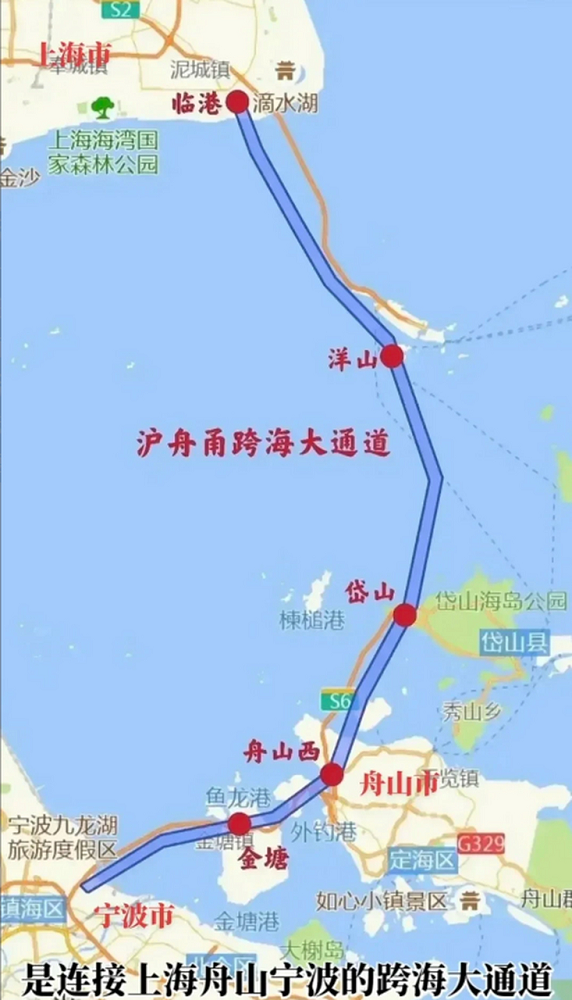
Shanghai Ningbo Cross Sea Passage
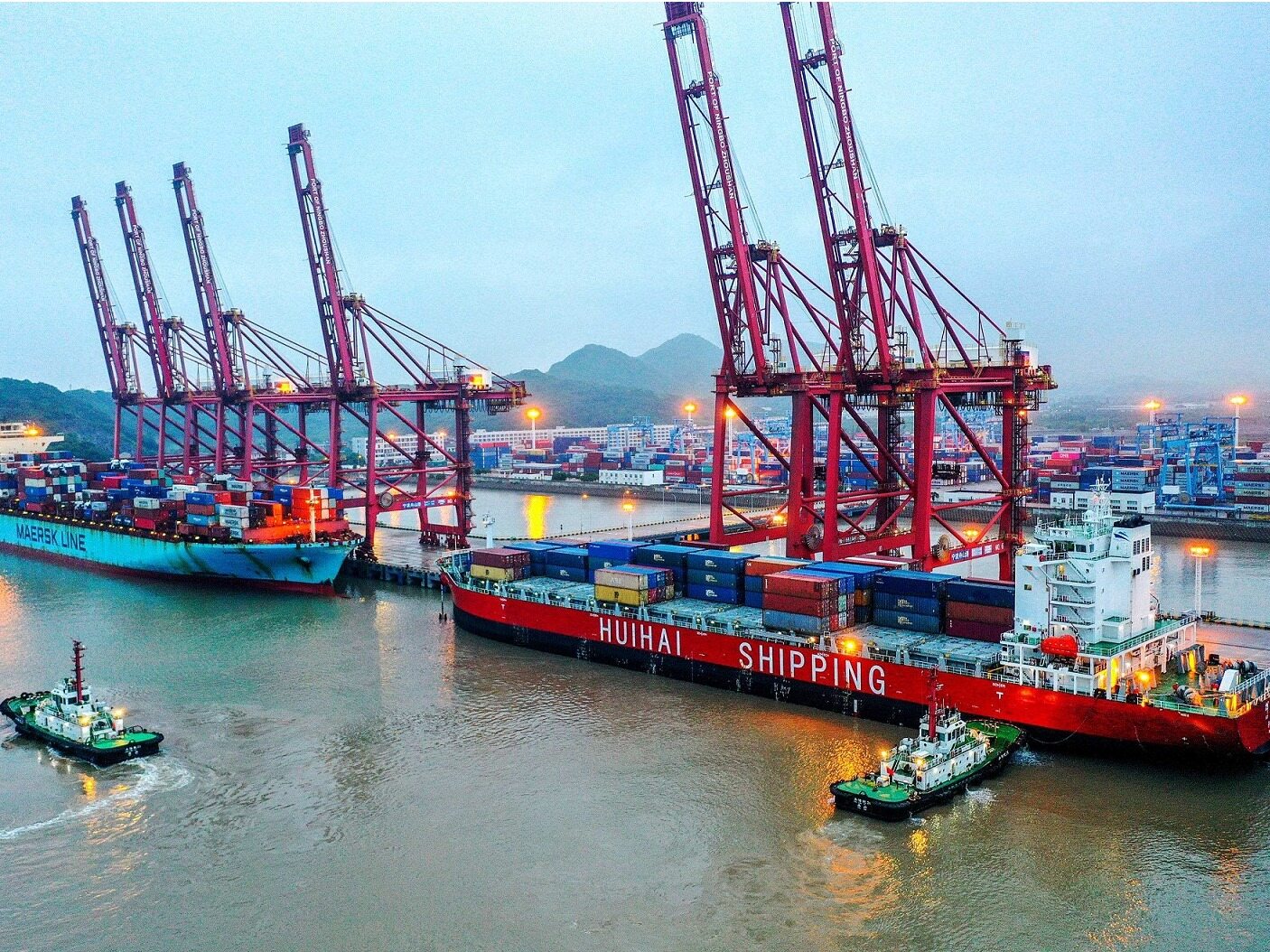
The cross sea passage connecting Shanghai and Ningbo, with a total length of nearly 70 kilometers and a total investment of 100 billion yuan, is 15 kilometers longer than the Hong Kong Zhuhai Macao Bridge. At present, Shanghai to Ningbo needs to detour around Hangzhou, which takes 2.5 hours. After the passage is completed, it will be compressed to 30 minutes, achieving the "same city" of the core cities in the Yangtze River Delta. This is not only a traffic diversion project, but also a deep integration between ports and industries: it directly connects the two world-class ports of Yangshan Port in Shanghai and Zhoushan Port in Ningbo, promoting the Yangtze River Delta port cluster from "competition" to "competition and cooperation". More importantly, its design reserves space for maglev or ultra high speed railways, which will carry high-density pedestrian and logistics traffic in the G60 Science and Technology Innovation Corridor of the Yangtze River Delta in the future, elevating the industrial synergy efficiency of the "Shanghai Hangzhou Ningbo" Greater Bay Area to a new level.
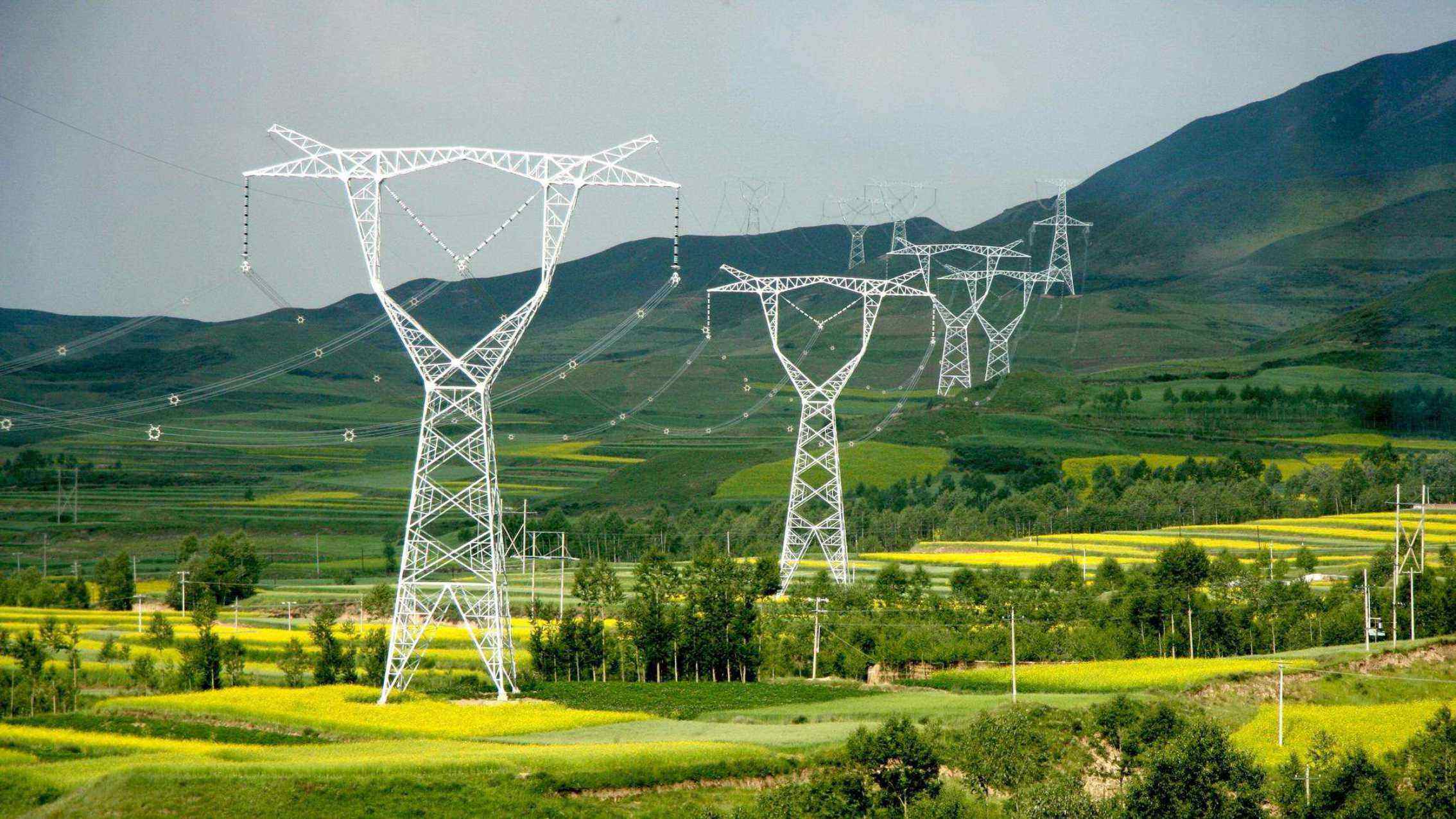
Tibetan Guangdong Ultra High Voltage
The Tibet Guangdong Ultra High Voltage Direct Current Project, with a total length of 2681 kilometers and a total investment of 53.2 billion yuan, is the world's highest ultra-high voltage transmission project and is known as the "Electricity Sky Road". It spans the Qinghai Tibet Plateau, the the Yunnan-Guizhou Plateau and the hills of South China, and transmits 43 billion kilowatt hours of green power annually - equivalent to the annual power generation of half of the Three Gorges Power Station, which can replace 12 million tons of standard coal and reduce carbon dioxide emissions by 33 million tons. For Xizang, this is a "cash flow opportunity" to transform resource advantages into economic advantages; For Guangdong, this is a "shot in the arm" to alleviate power shortages and optimize energy structure. The project needs to overcome altitude differences of over 2000 meters, complex geological fault zones, and high-altitude hypoxic environments. Its completion marks China's comprehensive leadership in high-altitude ultra-high voltage core technology.
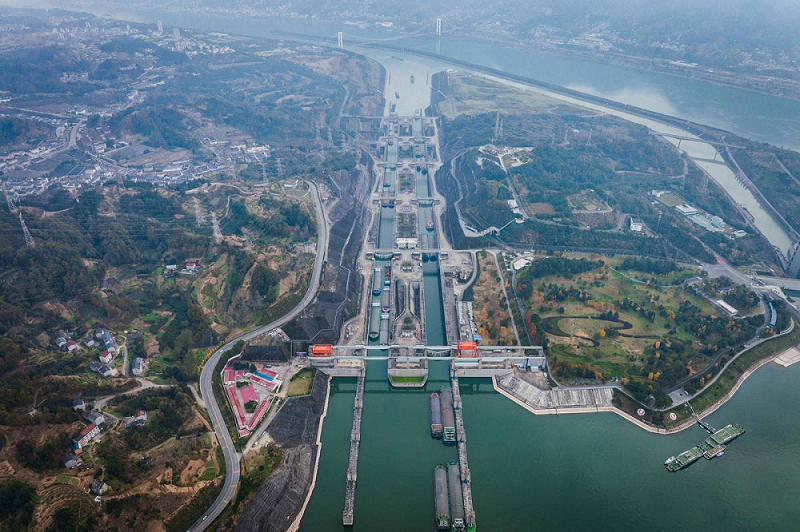
New Three Gorges Water Transport Channel
Faced with the "intestinal obstruction" caused by the saturation of the Three Gorges ship lock's traffic capacity and the average waiting time for ships exceeding 200 hours, a new water transportation channel for the Three Gorges has emerged. The project includes two parts: the Three Gorges Hub New Channel and the Gezhouba Navigation Capacity Expansion. The total static investment is 76.6 billion yuan, and it is designed to accommodate 10000 ton ships. After completion, the capacity of the new channel will reach 180 million tons, and the total capacity of the old gate will increase to 280 million tons, reducing logistics costs by more than 30 billion yuan. This is not only an expansion project, but also a comprehensive consideration of ecology and water conservancy: deep excavation operations need to be carried out in the main riverbed of the Yangtze River, while taking into account flood control safety and protection of rare fish species. It will completely break the ceiling of Yangtze River shipping, allowing 10000 ton fleets to directly reach Chongqing, truly activating the golden value of the Yangtze River Economic Belt, and providing a low-cost logistics base for inland opening up.
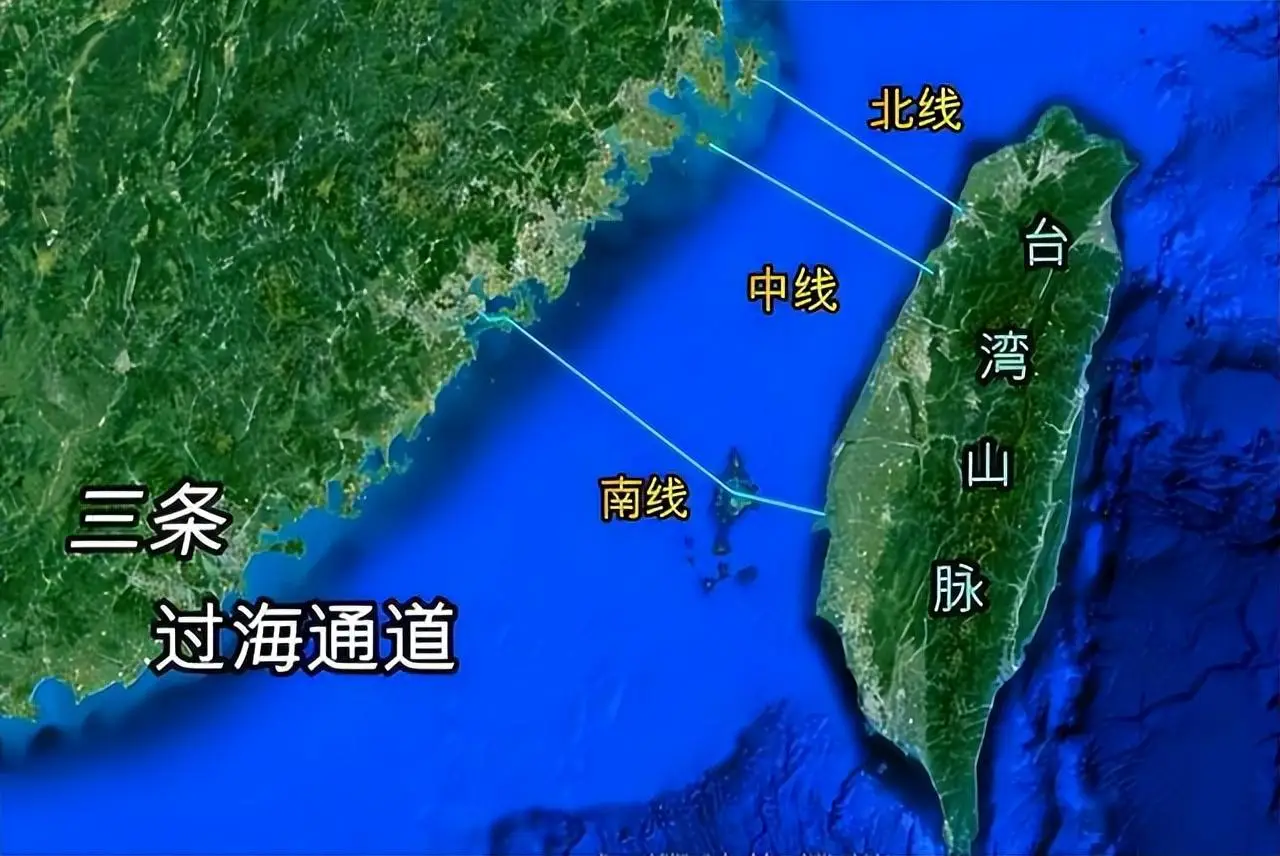
Taiwan Strait Passage
As a key section of the Beijing Taiwan high-speed railway, the Taiwan Strait Passage connects Pingtan in Fujian and Hsinchu in Taiwan, and is a cross sea super project that can be used for both public and railway purposes. The expected total investment is 400 to 500 billion yuan, which is several times the size of the Hong Kong Zhuhai Macao Bridge. The project requires crossing deep soft soil layers, strong earthquake zones, and high-frequency typhoon areas in the Taiwan Strait, which poses extremely high technical difficulties. After completion, the travel time from Fuzhou to Taipei will be shortened to less than 1 hour, forming a one hour living circle. At present, the project has been included in the national plan, which is not only a hard connection of infrastructure, but also a soft connection of the hearts of compatriots on both sides of the Taiwan Strait. Keywords: infrastructure engineering
These five major projects have supported China's future development space. The Xinzang Railway has safeguarded the strategic depth of the western border, the Shanghai Ningbo Passage has activated the innovation engine of the Yangtze River Delta, the Tibetan Guangdong ultra-high pressure has transported green development momentum, the Three Gorges New Passage has unblocked the bloodline of the Yangtze River Economic Belt, and the Taiwan Strait Passage carries the ultimate vision of national rejuvenation. They jointly prove that in the current context of intensified anti globalization and geopolitical games, China still maintains strategic determination and enthusiasm for construction.Editor/Cheng Liting
Comment



 Praise
 Collect
 Comment

 Share
Share


Write something~