 Search


- China Laos Railway is not only a geographical space, but also a development opportunity
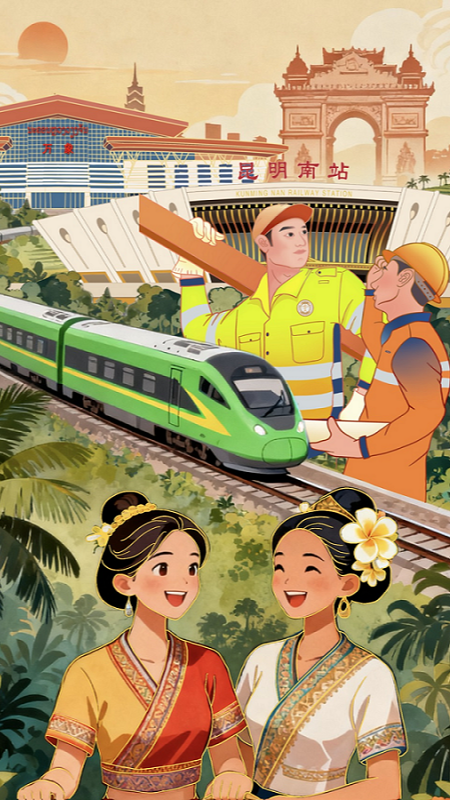
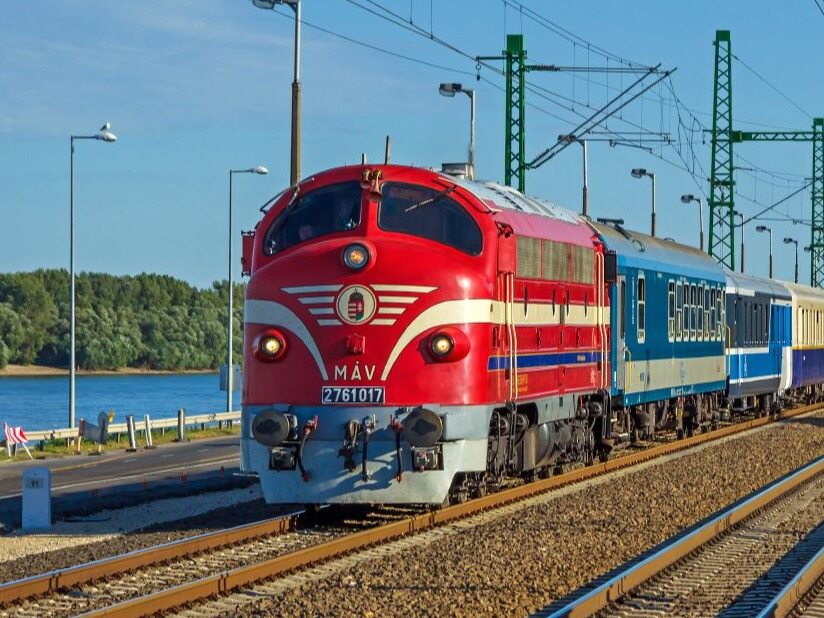
At 11:25 am local time on April 18, 2026 in Laos, as the whistle of the D84 international passenger train sounded, the Lancang Express, loaded with tourists, rushed out of Vientiane Station and headed towards Kunming along the 1035 kilometer steel artery. This is not an ordinary three meals a day cross-border travel, but a microcosm of the high-quality operation period of the China Laos Railway. As of mid April, the passenger and freight data of this golden channel have been all in the red: the cumulative number of cross-border passengers has exceeded 800000, and the daily average passenger flow in April alone has increased by 23% month on month; The freight volume has exceeded 18.6 million tons, with an import and export value of 6.81 billion yuan in the first quarter, a year-on-year increase of 62.7%. An industrial corridor connecting China and ASEAN is turning from a blueprint into a reality.
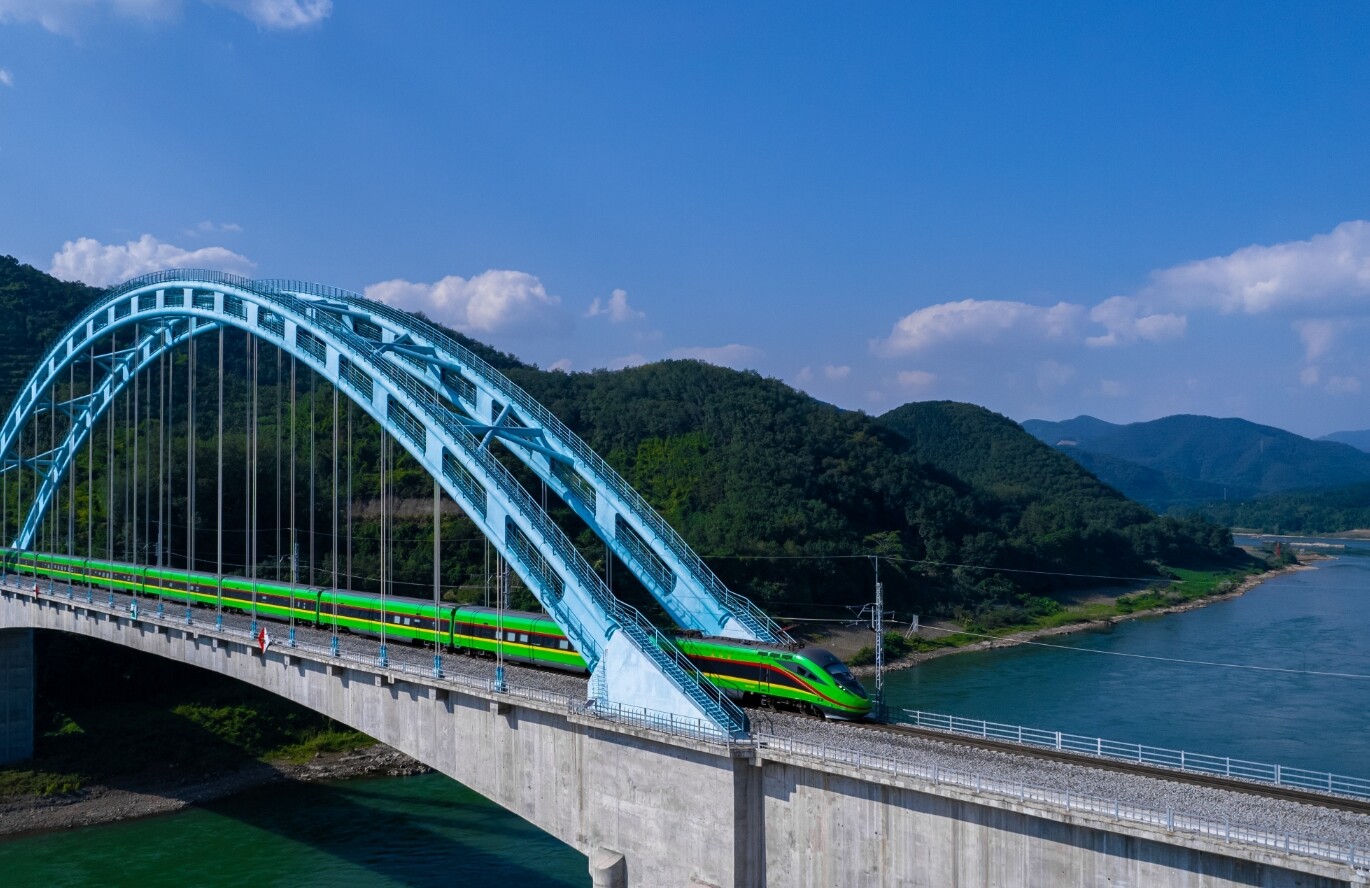
Golden channel flow surge
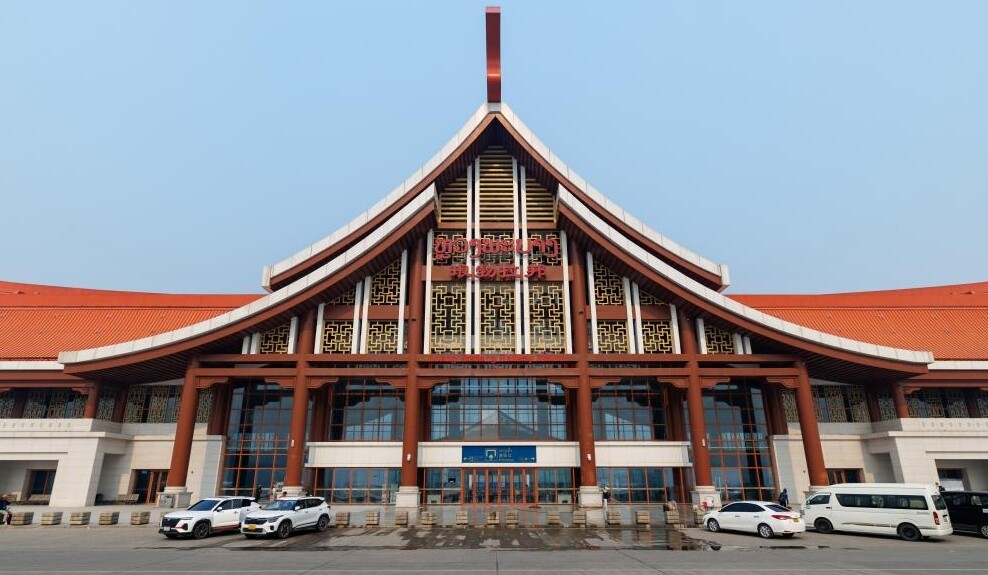
The outbreak of passenger flow is not only reflected in numbers, but also in the qualitative change of experience. The dual city lifestyle of drinking coffee in Vientiane and eating rice noodles in Kunming has become a norm. Under the station building of Luang Prabang Station, which combines the Renzi roof of Xiangtong Temple with Buddhist elements, there are more than 400 shuttle buses and 10 public buses shuttling every day. The data revealed by stationmaster Yin Zhaoliang is more intuitive: the number of hotels around the station has tripled compared to before the railway was opened, and 7000 new rooms will be added this year. More than 500 drivers will receive stable income from the railway.
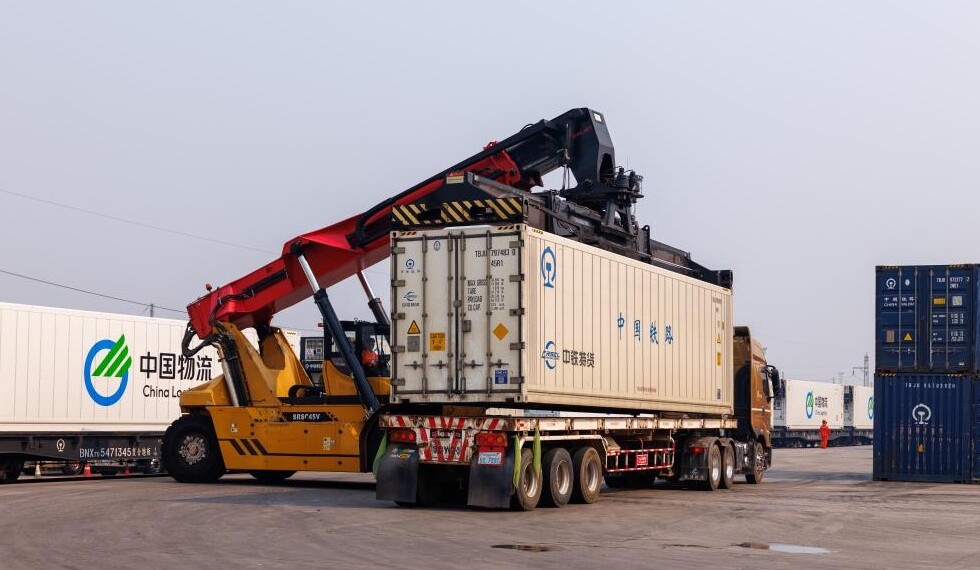
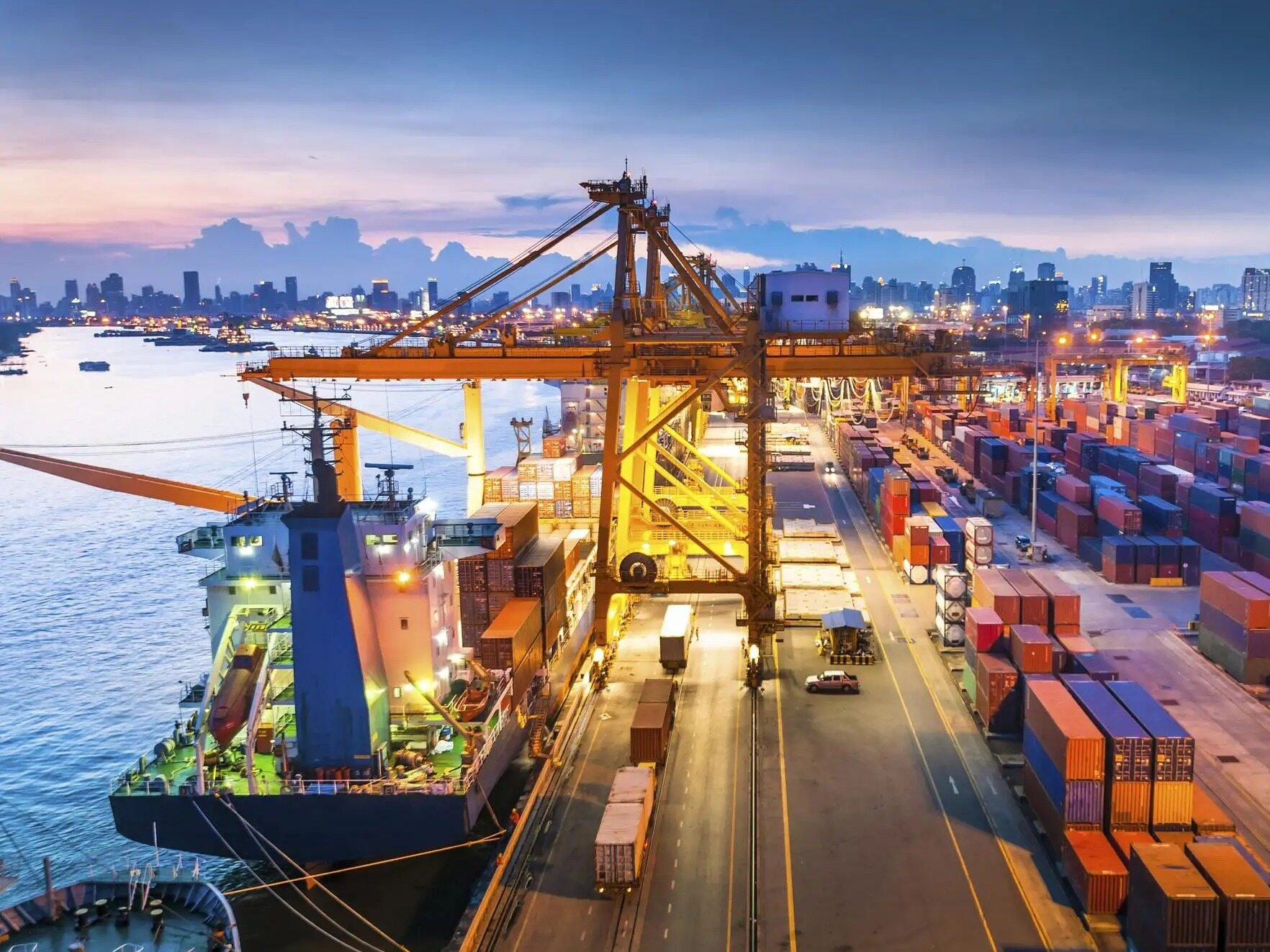
The growth of the freight side is more valuable. The cranes at the cargo yard of Vientiane South Station hardly stopped during the fruit peak season in April, with 2-3 fruit trains running frequently every day. This year, 903 trucks and 17000 tons of fresh fruits have been shipped. What is more critical is the leap in trade structure. In the first quarter, the exports of the three new products represented by photovoltaic and new energy vehicles surged 10.4 times year-on-year, of which the growth rate of photovoltaic products was up to 43.2 times, marking the transformation of China Laos railway from a pure resource channel to a high value-added industrial synergy corridor. At the Vientiane South Station loading and unloading yard, meter gauge and standard gauge containers 3.9 kilometers away are efficiently loaded and unloaded, with a total of 326000 tons of goods seamlessly connected to the Thai railway network, building a logistics loop covering ASEAN.
Localized hematopoietic mechanism formation
In the maintenance workshop of the Vientiane locomotive and vehicle operation, 28 year old Laotian female worker Peng Pimeng Mengzhandi is proficiently repairing the components of the high-speed train. As one of the first batch of local locomotive fitters, she not only changed the fate of her family by technology, but also became a vivid footnote in the technology transfer of China Laos railway. At present, there are 780 Laotian employees like her who have achieved independent leadership, 32 of whom have obtained train driver's licenses, and 24 have taken up management positions.
This deep integration is not limited to talent cultivation. According to He Linxian, Director of the Vientiane Operations Management Center, the 1+N technical regulations system established by China has been elevated to become the first railway technical standard in Laos. From the initial "teacher leading apprentice" to the current standard output, the China Laos Railway is building a sustainable hematopoietic system for Laos. Key words: the Belt and Road, connectivity
When the D84 train crosses the rugged mountains of the Shan Plateau, it carries not only tourists and goods, but also hopes for regional economic integration. Under the deep cultivation of the the Belt and Road Initiative, this steel silk road is injecting continuous power into the construction of a community of common destiny between China and Laos and heading for the next decade of common prosperity with its achievements in both passenger and cargo prosperity.Editor/Cheng Liting
Comment



 Praise
 Collect
 Comment

 Share
Share


Write something~