 Search


- When the Red Sea crisis forces global ships to change course, the logistics map of the Western Mediterranean is quietly being rewritten
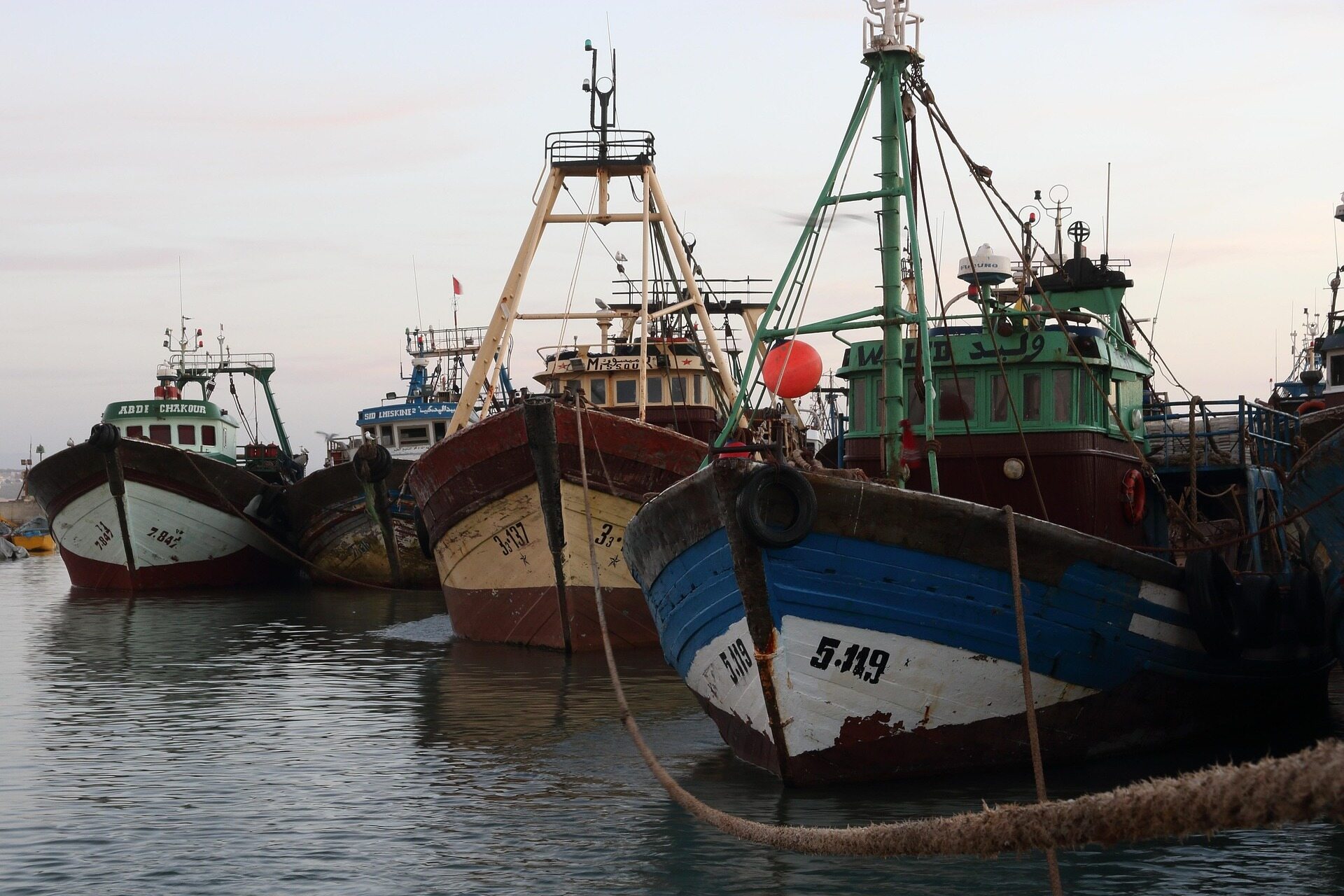
When the Red Sea crisis forces a drastic restructuring of the global shipping map, the Western Mediterranean is quietly welcoming a new traffic hegemon. No longer just a backyard of Europe, Morocco is becoming a golden springboard for global supply chain hedging with its strategic location at the throat of the Atlantic and Mediterranean.
The Spanish newspaper El Mundo bluntly stated that Morocco is no longer satisfied with being just a passing station, but is using the super engine of Tanger Med to grab the key logistics cake from Southern European giants.
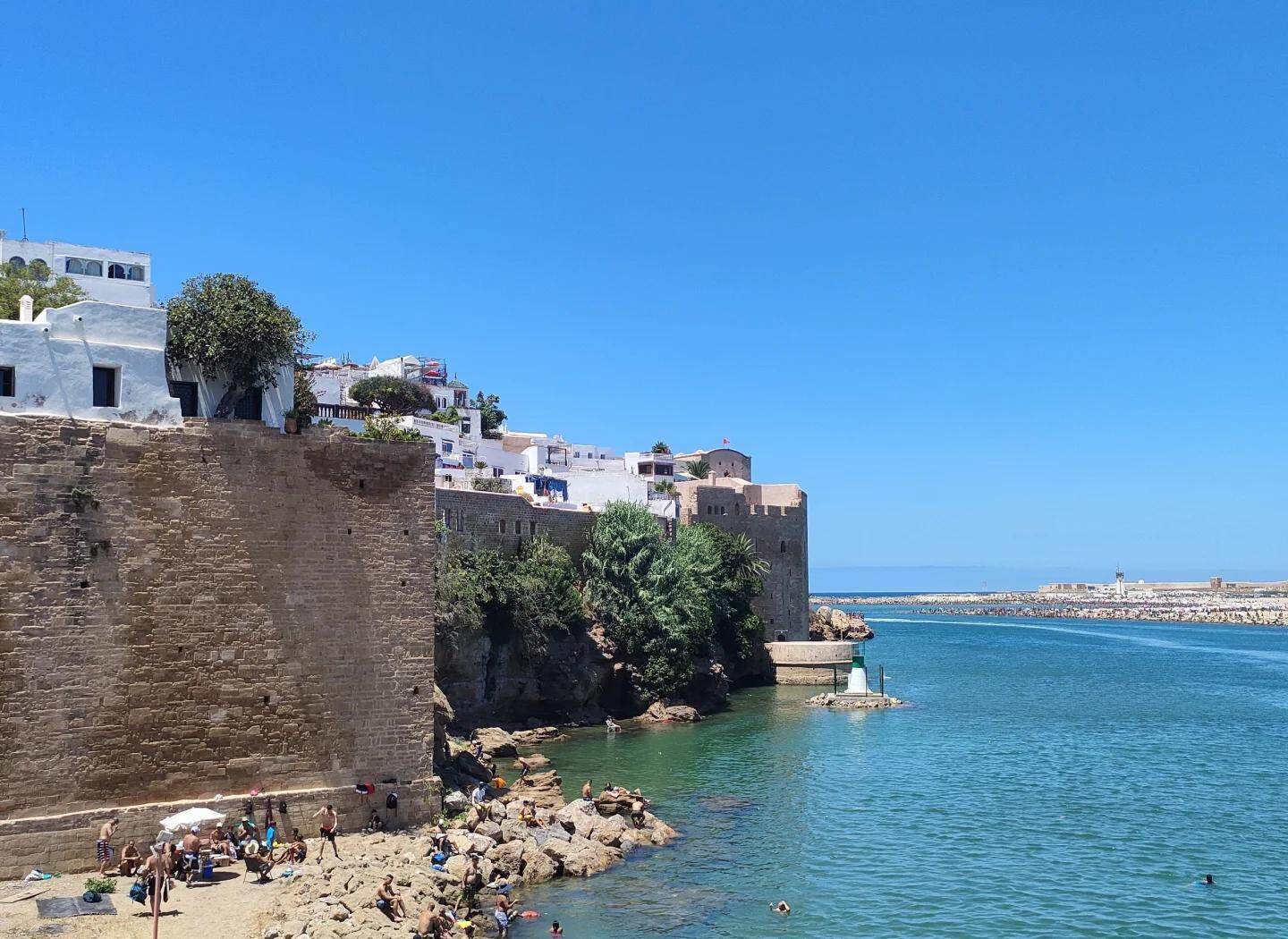
The world factory logic behind a throughput of 260 million tons
Data is the best testimony. The latest statistics from the Moroccan Ministry of Equipment and Water Resources show that the total port throughput in the country will soar to 262.6 million tons in 2025, a year-on-year increase of 8.9%. More significant as an indicator, Transshipment has become the absolute mainstay, with a significant increase of 14.7% to 132.6 million tons, and for the first time accounting for half of the total business volume (50.5%). This means that Morocco has completely transformed from a simple import and export trade port to an international transit hub connecting Asia, Europe, and America.
In contrast, although domestic trade has steadily increased by 3.5% to 130 million tons, it has fallen behind in the face of huge international logistics demand. The outbreak of this' passing economy 'is a direct result of global shipping companies choosing to allocate resources here to avoid the risks of the Suez Canal.
The impact of dimensionality reduction on ports in Southern Europe
The rise of Morocco is not accidental, but a precise combination of "timing" and "location". On the one hand, Tangier Mediterranean Port and Algeciras Port in Spain are only separated by a strait, with a travel time of only 2 hours, but it can provide 20% -30% lower docking and operating costs than Spain. This extreme "cost-effectiveness" makes it difficult for shipping giants such as Maersk and Daffy to resist. On the other hand, the regulatory environment and financial incentives created by the Moroccan government in the free trade zone have made it an ideal breeding ground for companies to expand their offshore outsourcing. Spanish media pessimistically predict that once freight flows become accustomed to efficient transit in Morocco, the market share lost by traditional European ports will be like spilled water, difficult to recover. Keywords: international news, port development
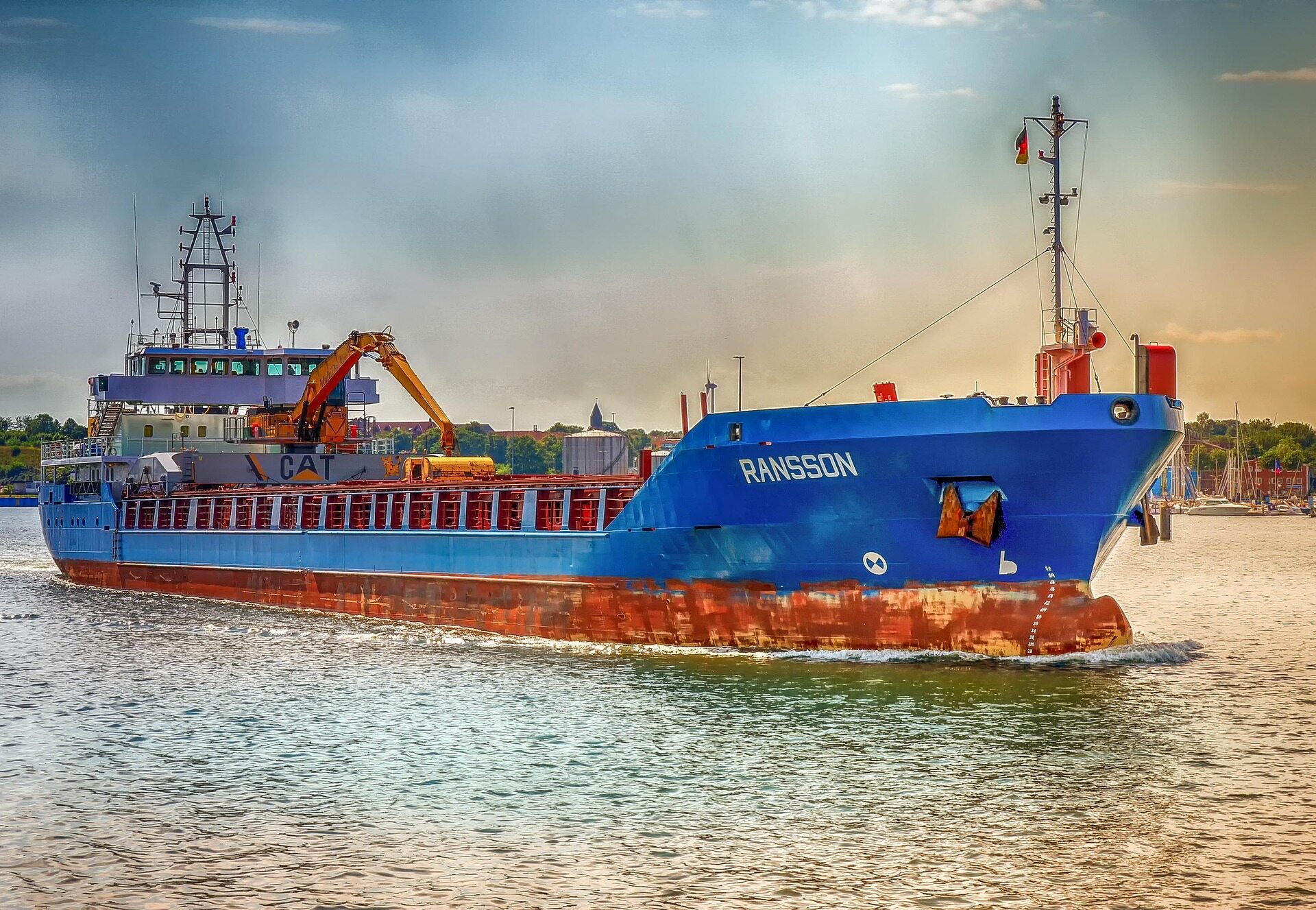
The throughput of 262.6 million tons is not only a number, but also a compass for the changing direction of global trade. In the era of geopolitical fragmentation, Morocco has proven with its strength that whoever can provide safer, cheaper, and more efficient alternatives is the "heart" of the next global logistics. As the waves of the Atlantic and Mediterranean converge here, Morocco is reshaping the economic geography of the Western Mediterranean with an unstoppable force, becoming a new gateway connecting the northern and southern hemispheres of the Mediterranean.Editor/Cheng Liting
Comment



 Praise
 Collect
 Comment

 Share
Share


Write something~