 Search


- Saudi Arabia launches another 12GWh energy storage project, attracting global attention. For Chinese enterprises
- Opportunities are tempting, but there are also many hidden dangers. From a 15 year contract to a high-temperature test
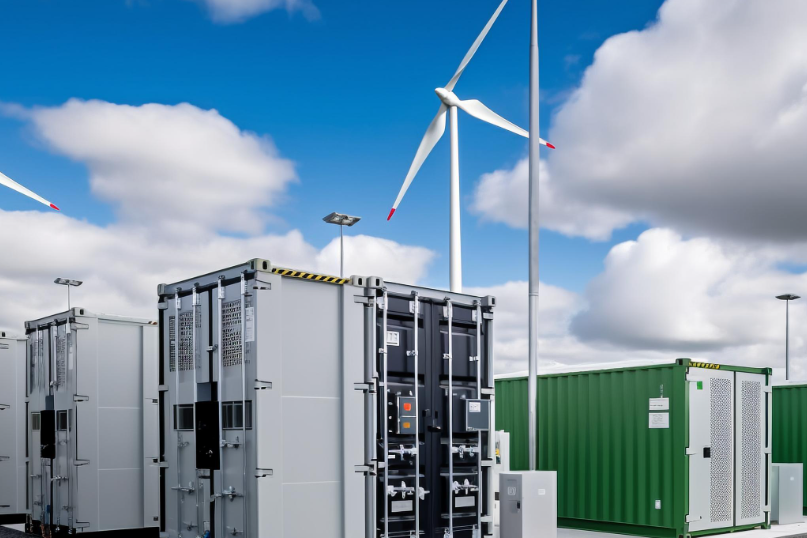
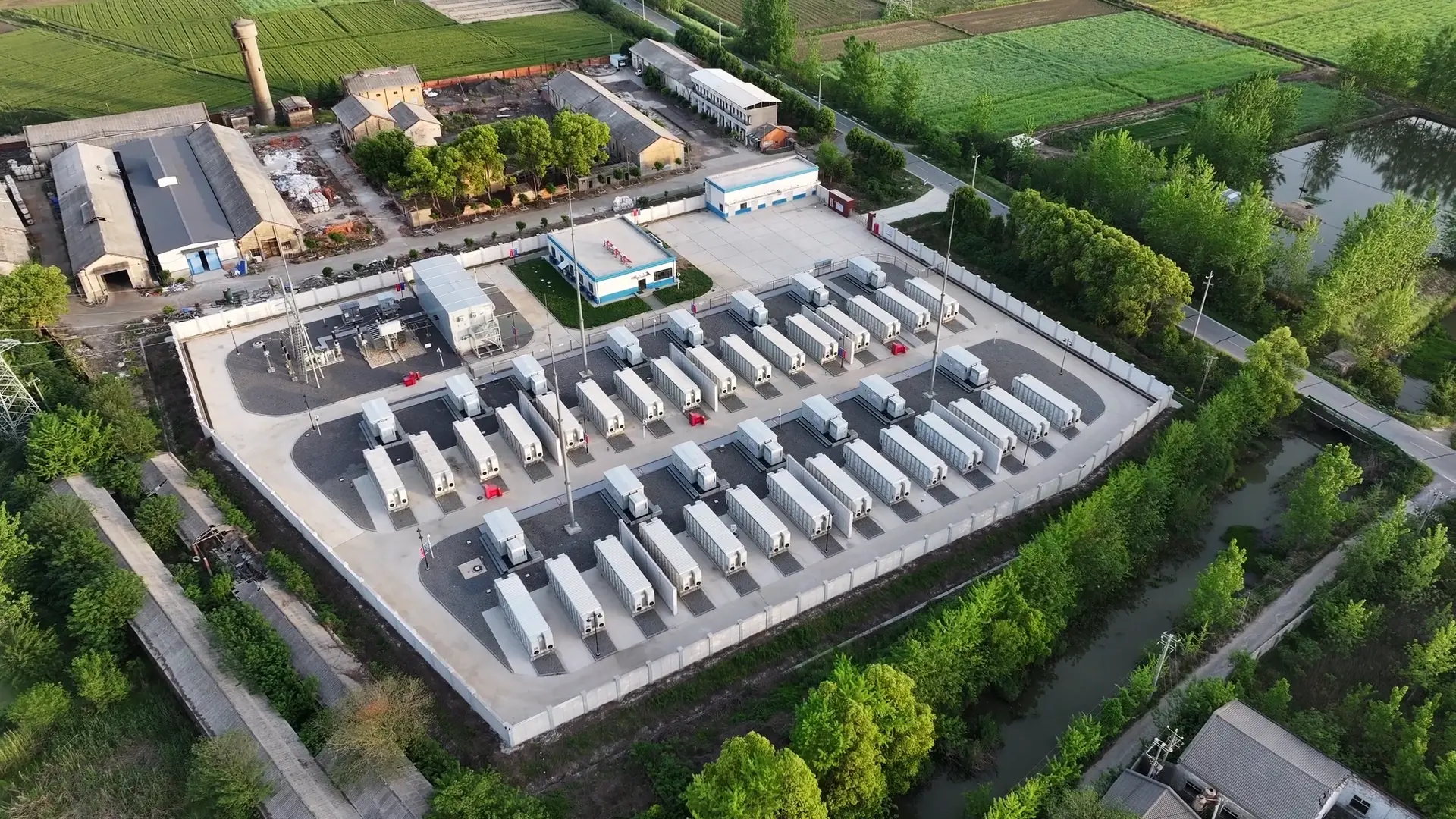
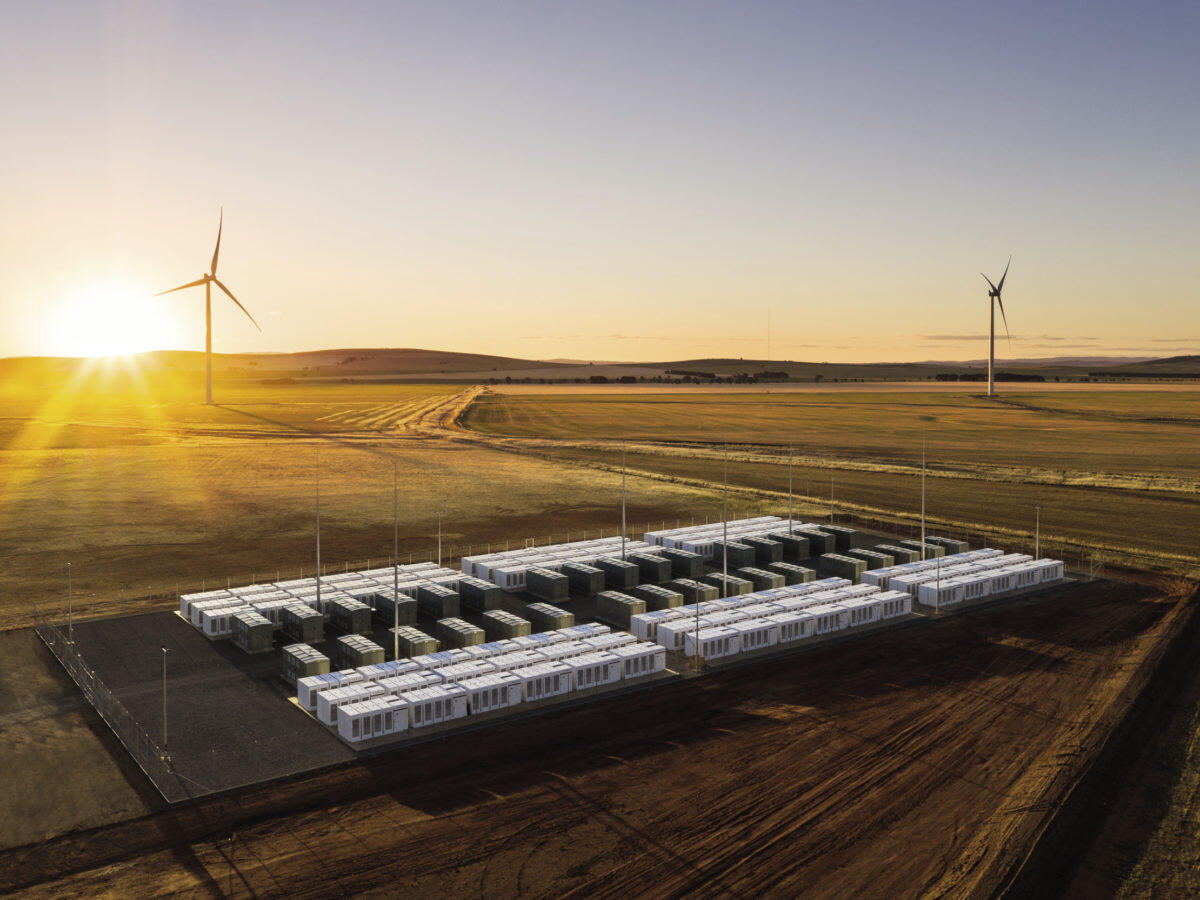
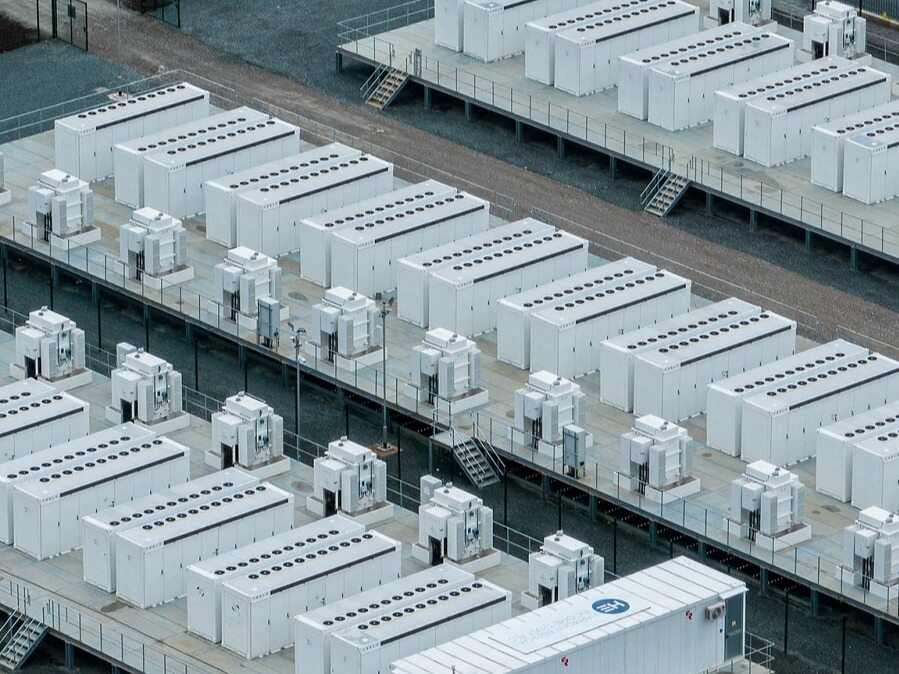
In 2026, the Saudi energy storage market will experience another wave of turbulence. Saudi Power Procurement Company (SPPC) has officially launched the second batch of pre qualification for battery energy storage projects, with a total scale of up to 3GW/12GWh and a total of 6 projects, each with a 4-hour energy storage configuration of 500MW/2000MWh. This is not the first time Saudi Arabia has taken action - the first batch of 2GW/8GWh projects has been launched in November 2024, totaling 5GW/20GWh. For Chinese enterprises, this is undoubtedly a huge opportunity, but behind the opportunity, there are thresholds and risks that cannot be ignored.
Why is Saudi Arabia accelerating its layout of energy storage?
Saudi Arabia's Vision 2030 energy transformation goal is clear: to deploy 48GWh of battery energy storage capacity by 2030 and vigorously promote the development of renewable energy. Saudi Arabia has abundant sunshine resources and extremely fast photovoltaic output, but the photovoltaic power generation curve does not match the electricity consumption curve - the strongest power generation occurs at noon, while the air conditioning load is still high at night. After large-scale photovoltaic grid integration, the power grid needs more regulation resources. In the past, it relied on gas turbines for peak shaving, but now energy storage plays a role in peak shaving, fast response, backup, and system support. Therefore, the core application directions of 4-hour energy storage are intraday energy transfer, evening peak support, new energy consumption, and system backup.
The invisible bomb in the contract
The SPPC project adopts the BOO model (construction, ownership, operation), and the winning consortium holds 100% equity of the project SPV company and signs a 15 year energy storage service agreement with SPPC. This means that the project does not end with the delivery of equipment, but rather continuously tests suppliers from construction, grid connection, COD to long-term operation and maintenance. Over the next 15 years, battery degradation, system efficiency, fire and liquid cooling reliability, spare parts supply, and operational response will be repeatedly validated.
What is even more alarming is the performance guarantee clause. In large-scale energy storage projects, owners and investors usually focus on indicators such as availability, capacity retention, round-trip efficiency (RTE), auxiliary power consumption, and high-temperature derating. If the contract specifies the testing points, testing conditions, SOC window DOD、 Unclear definition of details such as magnification can easily lead to disputes and trigger default compensation (LD) in the later stage. The contract terms for Middle Eastern projects are often very hard - delayed delivery, insufficient capacity, low availability, and inadequate efficiency can all trigger LD, and in severe cases, even lead to contract termination. For equipment suppliers, the most dangerous thing is not a one-time loss, but to take on long-term risks such as a 15 year capacity guarantee for the project too much. Once the battery cell decay model is too optimistic, they may face difficulties such as replenishing battery cells and long-term compensation in the future.
High temperature environment, responsibility boundary and financing threshold
The high temperatures, sandstorms, day night temperature differences, and strong solar radiation in Saudi Arabia pose a severe challenge to energy storage systems. High temperatures can accelerate the degradation of battery life, which may lead to a decrease in the power consumption of PCS and auxiliary systems, as well as a significant increase in power consumption of air conditioning and liquid cooling systems, resulting in a decrease in system efficiency. If the RTE in the contract is on the AC side and auxiliary power consumption is included in the loss, and the quotation is estimated based on mild regions, there will inevitably be problems in the future.
The boundary of responsibility is also a common trap. Energy storage systems involve battery cells PACK、PCS、EMS、 If multiple links such as the booster station and fire protection come from different suppliers, it is easy to shift the blame to each other once there is a problem on site. But in the eyes of the owners and EPC, they only care about whether the entire BESS can be connected to the grid on time and achieve performance. Chinese companies must refine their responsibility scope matrix in advance to avoid passively assuming responsibilities that do not belong to them.
In addition, under the BOO model, projects are essentially long-term assets, and developers and banks highly focus on the "bankability" of suppliers, including similar project experience, international certification, long-term quality assurance capabilities, overseas service teams, spare parts warehouses, insurance support, etc. At the same time, large projects in the Middle East have long payment cycles, low advance payment ratios, long retention times for final payments and warranty deposits, high requirements for guarantees, and significant cash flow pressures. Finally, Saudi Arabia is promoting localization, and future projects will increasingly focus on local construction, operation and maintenance, personnel training, and compliance documents. Chinese companies need to plan ahead.
In summary, Saudi Arabia's 12GWh energy storage project is a tempting cake, but only Chinese companies that have read through the contract, calculated long-term costs, clarified responsibility boundaries, and have financing capabilities can steadily seize this opportunity. Editor/Yang Beihua
Comment

 Praise
 Collect
 Comment

 Share
Share


Write something~