 Search


- Romania's 3.84GW new energy project will be put into operation at the end of the year, ushering in an explosive moment for the energy
- From silence to explosion, the 81GW pipeline is accelerating its landing. Energy storage and power grid opportunities coexist
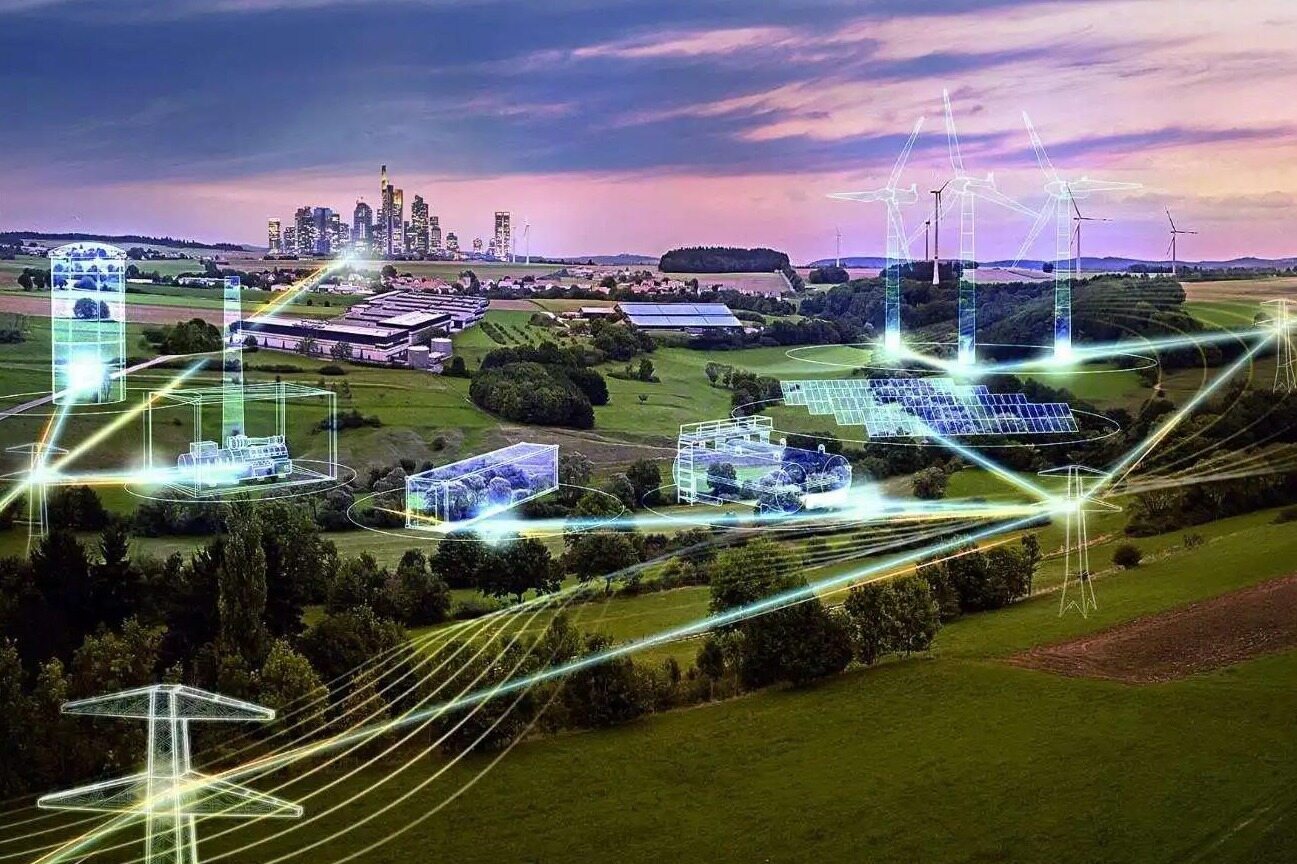
On the map of energy transition in Europe, Romania is rapidly transitioning from the planning era to large-scale delivery. Once upon a time, the new energy market of this Eastern European country was in a state of silence where only the sound of stairs could be heard; According to the latest official data from the Romanian National Energy Regulatory Agency (ANRE) as of March 2026, 107 mature new energy projects in the late stages of development, with a total installed capacity of 3.84 GW, have been confirmed to be connected to the grid and put into operation within 2026. For Chinese investors seeking overseas asset allocation and business growth, 2026 is not only the breakthrough point of Romania's new energy market, but also a key strategic window for new energy enterprises to go global and occupy the Eastern European market.
Certainty investment opportunities behind 81GW
Romania's green energy pipeline is showing a significant pyramid structure, with the top-level ready to build assets accelerating expansion.
From the perspective of the entire pipeline, as of early March 2026, a total of 1431 projects have obtained valid grid connection permits (ATR), with a total capacity of 81.32GW. In terms of deterministic assets, 871 projects have signed formal grid connection contracts; There are 595 projects that have completed grid connection contracts and building permits (AC), with a total capacity of 27.62 GW. The most noteworthy breakthrough point for grid connection in 2026 is that ANRE has clearly stated that the most mature "hardcore" pipeline currently consists of 193 projects, which have obtained establishment permits and have a total installed capacity of approximately 8.94 GW. Among them, the 3.84 GW project will be completed and put into operation first in 2026.
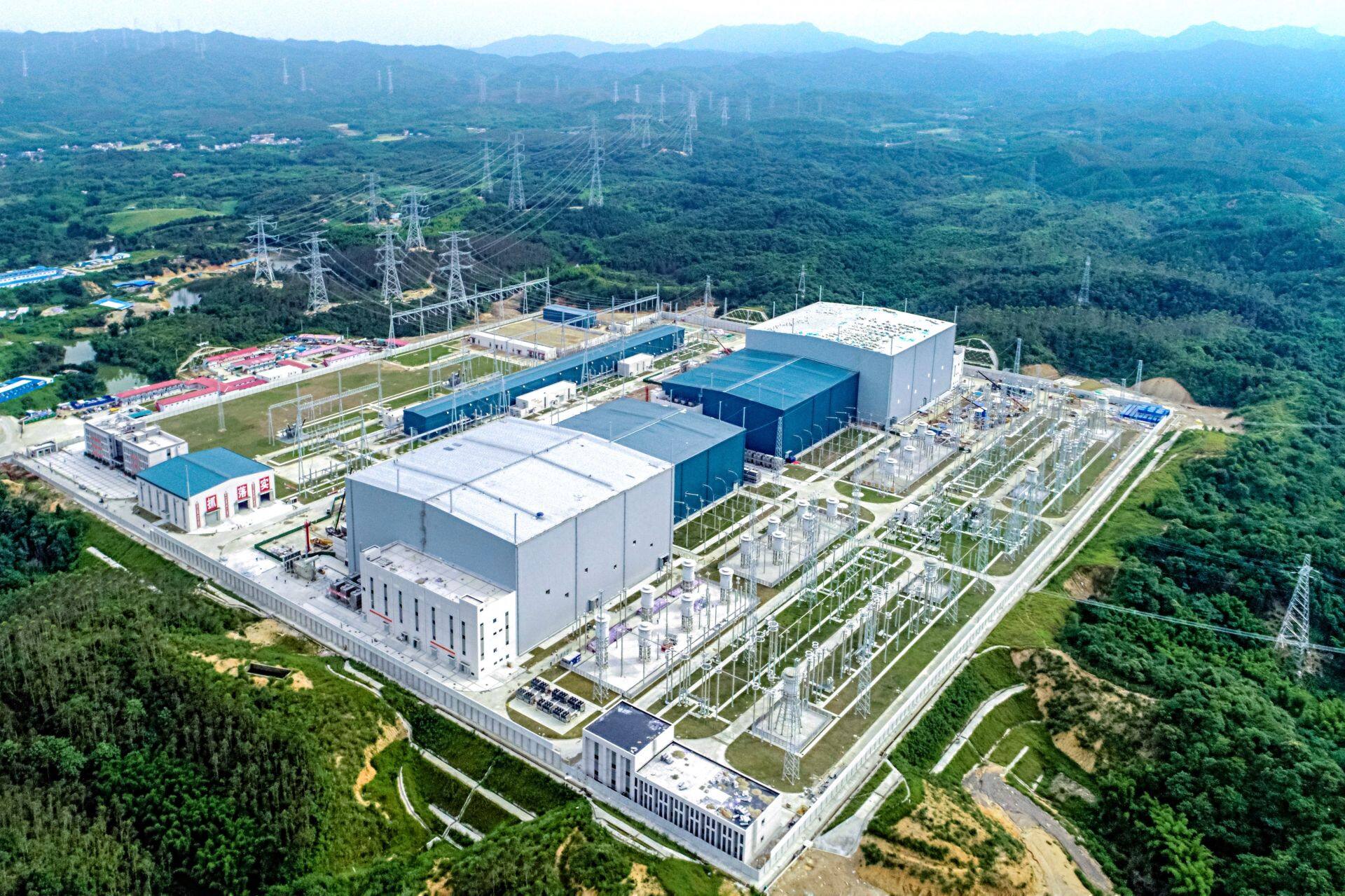
Overseas Insight shows that the monthly growth of data indicates that the Romanian photovoltaic and wind power market has officially entered the stage of large-scale construction. For Chinese EPC general contractors with strong delivery capabilities, this means a huge stock of market orders and landing opportunities.
The essential demand track stimulated by favorable policies
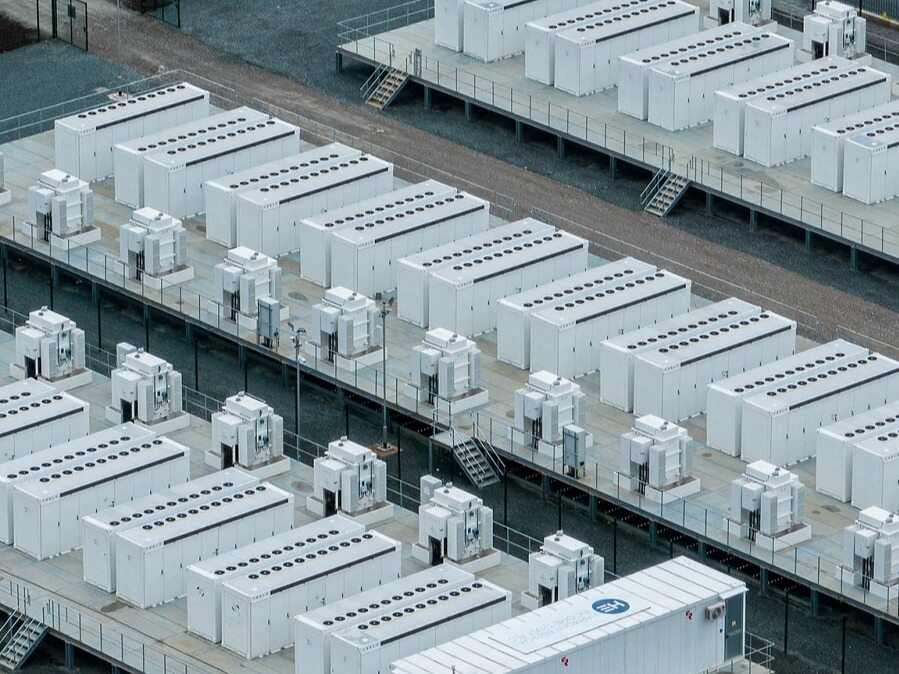
In ANRE's latest statistics, the weight of energy storage systems (BESS) has significantly increased, providing an excellent entry ticket for China's lithium battery industry chain. Out of 595 AC licensed projects, 105 have installed energy storage facilities with a total power of 7.39 GW. The immediate opportunity is even more promising: it is expected that 35 energy storage projects with a capacity of approximately 1.76 GW will be connected to the grid by 2026.
The competitive advantage of Chinese capital is very obvious. The Romanian government is increasing support for the "new energy+energy storage" ratio through the Contract for Difference (CfD) mechanism. The cost and integration advantages of Chinese enterprises in energy storage battery systems have precisely filled the gap in the local supply chain in Eastern Europe, becoming the preferred destination for energy storage going global.
Accurate portrait of grid access
Understanding the allocation of grid connected capacity on the grid side is the key for investors to avoid grid traps. The grid connected capacity between 2026 and 2035 is highly concentrated among the following operators: Transelectrica (transmission network) bears the evacuation pressure of 18.4GW and is the main battlefield for large ground power stations; DEER and Re ț ele Electrica Rom â nia are responsible for approximately 3.25GW and 3.13GW respectively.
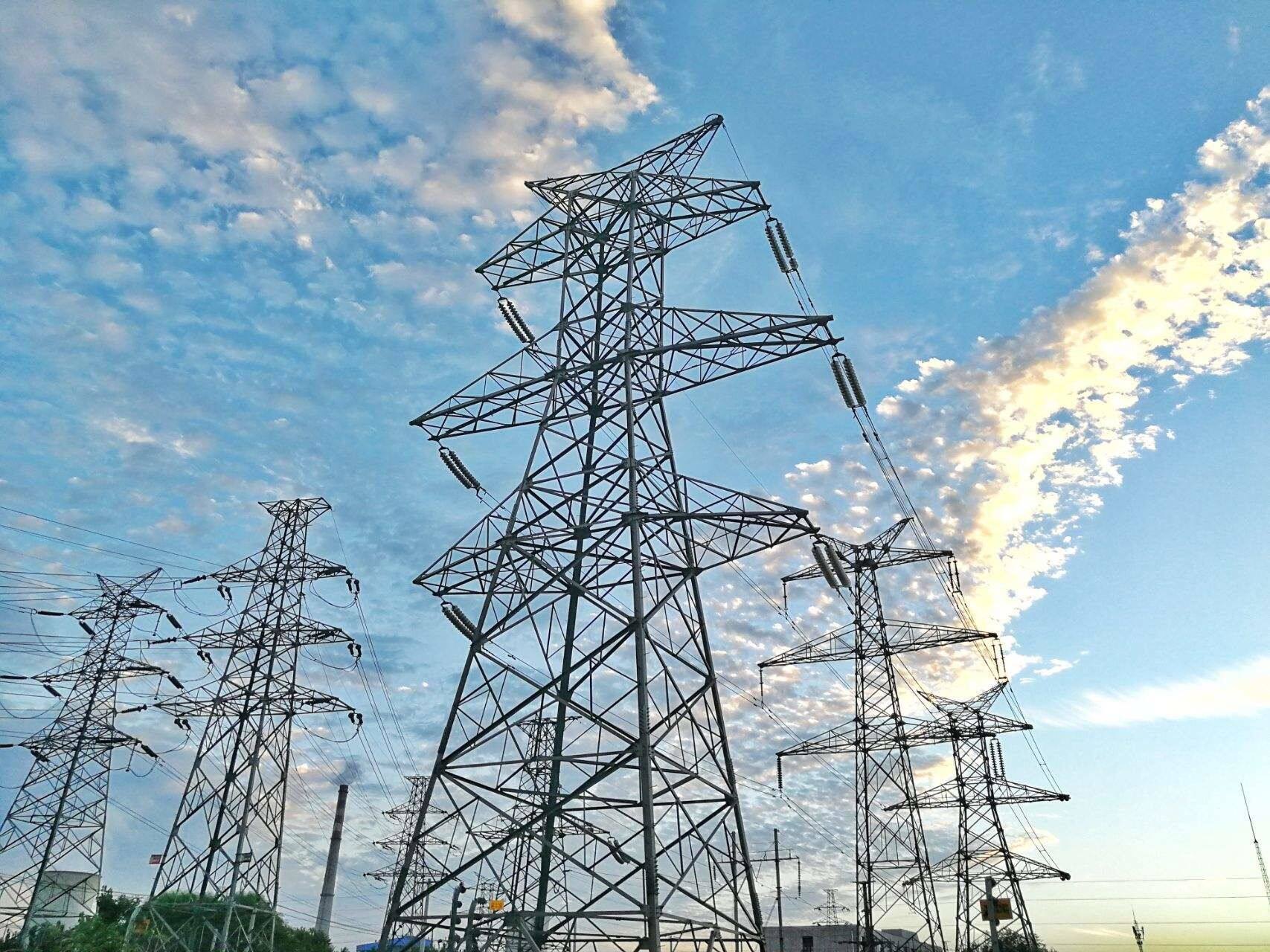
In terms of strategic recommendations, it is recommended that Chinese investors prioritize projects that have signed agreements with Transelectricity, as their grid access stability and priority are usually higher, which is conducive to ensuring the fulfillment of long-term power purchase agreements (PPAs).
How Chinese investors can grasp the 2026 milestone
Firstly, shift from 'development' to 'delivery'. 2026 is a delivery year, and the market demand for high-efficiency photovoltaic modules, inverters, and construction machinery will reach its peak. Chinese companies can leverage the advantages of flexible supply chains to quickly respond to orders.
Secondly, utilizing the "EPC+F" model for premium pricing. With the financial subsidies provided by the European Union for the energy transition in Eastern Europe, Chinese financial capital and industrial capital can deeply cooperate to lower the financing threshold for local developers through leasing or export credit, in exchange for high-quality general contracting orders.
Finally, lay out long-term operational assets. After 2026, there will still be nearly 27GW of projects under dynamic development. Early access to mature project slots through service providers will make it easier to obtain power plant operation and maintenance (O&M) contracts for up to 20 years. Editor/Yang Beihua
Comment

 Praise
 Collect
 Comment

 Share
Share


Write something~