 Search


- The proportion of wind, solar and photovoltaic installed capacity in China reached 47.9% in the first quarter
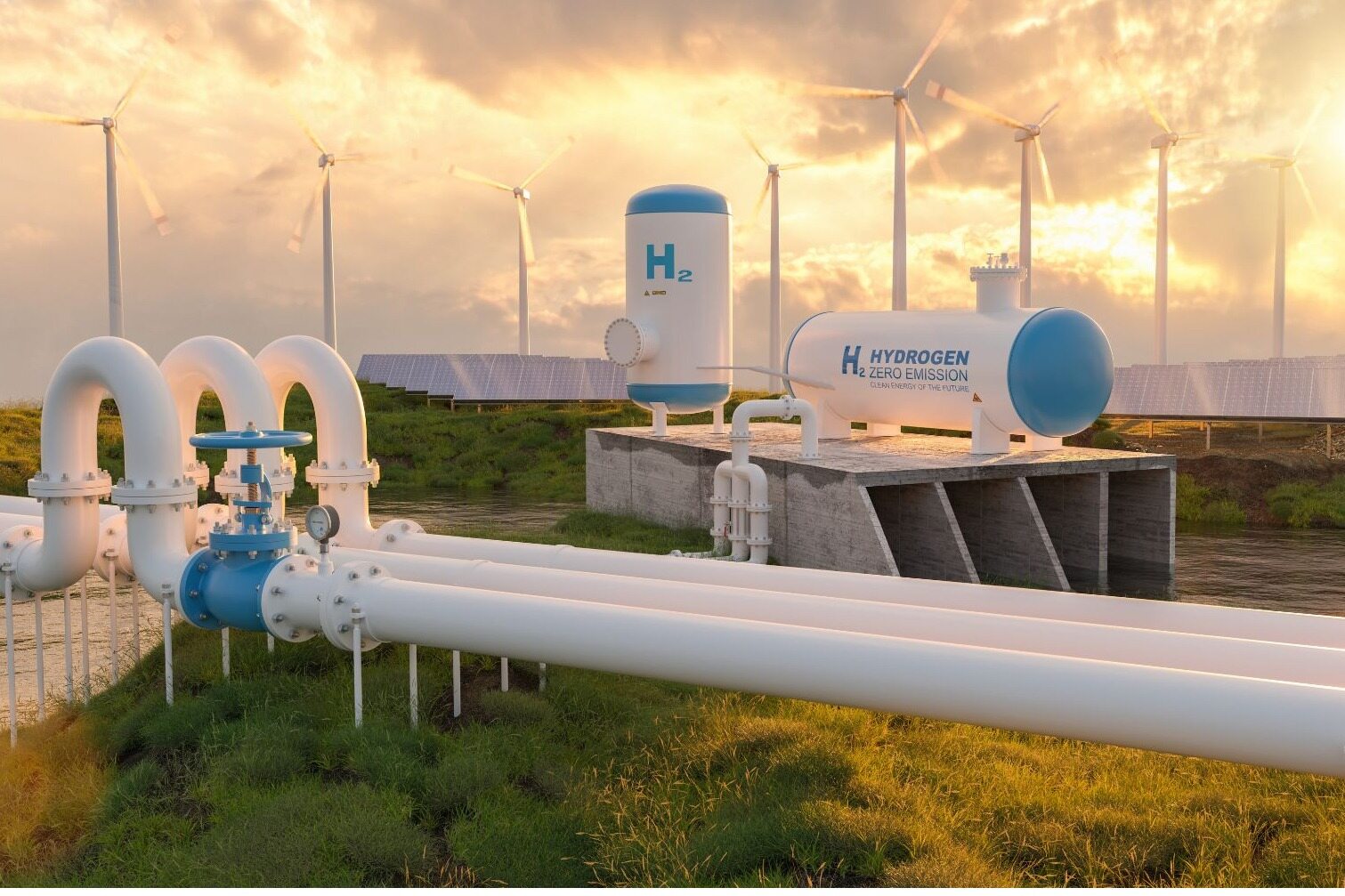
Under the command of the dual carbon target, China's energy structure is undergoing a profound qualitative change. In the first quarter of 2026, the national energy operation will show a trend of ensuring supply stability and promoting green transformation. The production of crude oil and natural gas will steadily increase, while the production of raw coal will remain stable at a high level. More notably, the total installed capacity of wind and solar power has approached 1.9 billion kilowatts, accounting for over a quarter of the total electricity consumption in society. The cornerstone of energy security is accelerating the transition from traditional fossil fuels to renewable energy.
Traditional energy safety net
In the first quarter, the overall domestic oil and gas supply was stable and orderly, with a year-on-year increase of 1.3% in crude oil production from large-scale industries and a 3.0% increase in natural gas production, continuing to play a role as an energy ballast stone. The production of raw coal remained stable on the basis of a relatively high base in the same period last year, and the production of industrial raw coal above designated size increased slightly by 0.1% year-on-year. The safety production situation in the field of electricity is stable and improving, and various natural disaster emergency response measures have been efficiently completed. The power supply work for the Spring Festival and the Two Sessions has been successfully completed, providing solid power support for a successful start to the economy.
Energy investment has become a powerful engine for fixed assets investment to become positive. The role of expanding investment in ensuring the safety of the power grid continues to be demonstrated, and investment in areas such as hydrogen energy, coal to oil and gas, and new energy storage is accelerating. Private enterprises are deeply involved in national science and technology projects in the energy sector, and Zhejiang San'ao Unit 1, the first nuclear power project in China to introduce private capital, is connected to the grid for power generation. The second unit of the Zhangzhou Nuclear Power Plant in Fujian has been successfully put into operation, the Anhui Hubei back-to-back interconnection project has started construction, the Shaanxi Henan ± 800 kV high-voltage direct current transmission project and the Hainan Guangdong power flexible mutual aid project have been approved, and a number of major projects are building new barriers for China's energy security.
Green electricity volume crushes fossil fuels
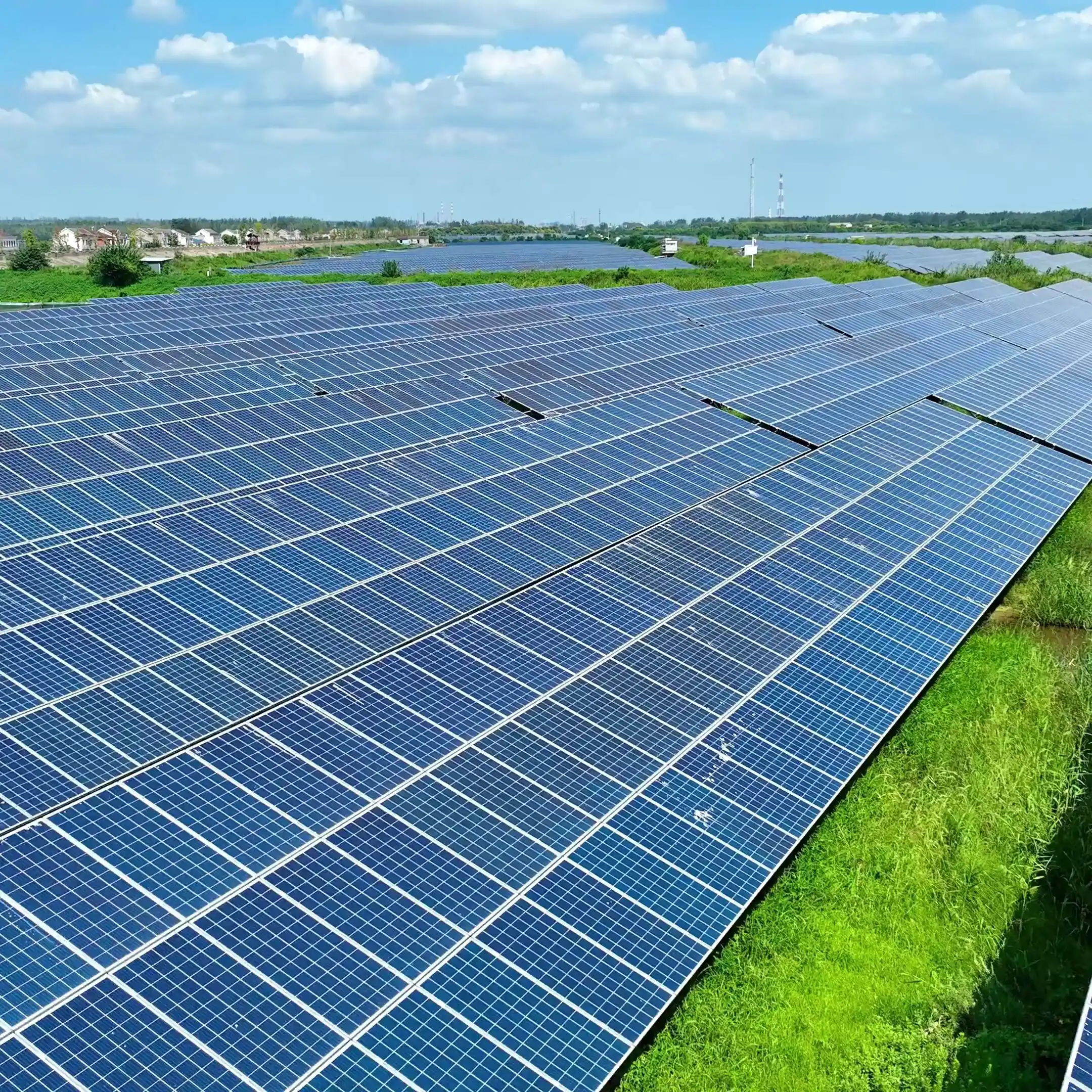
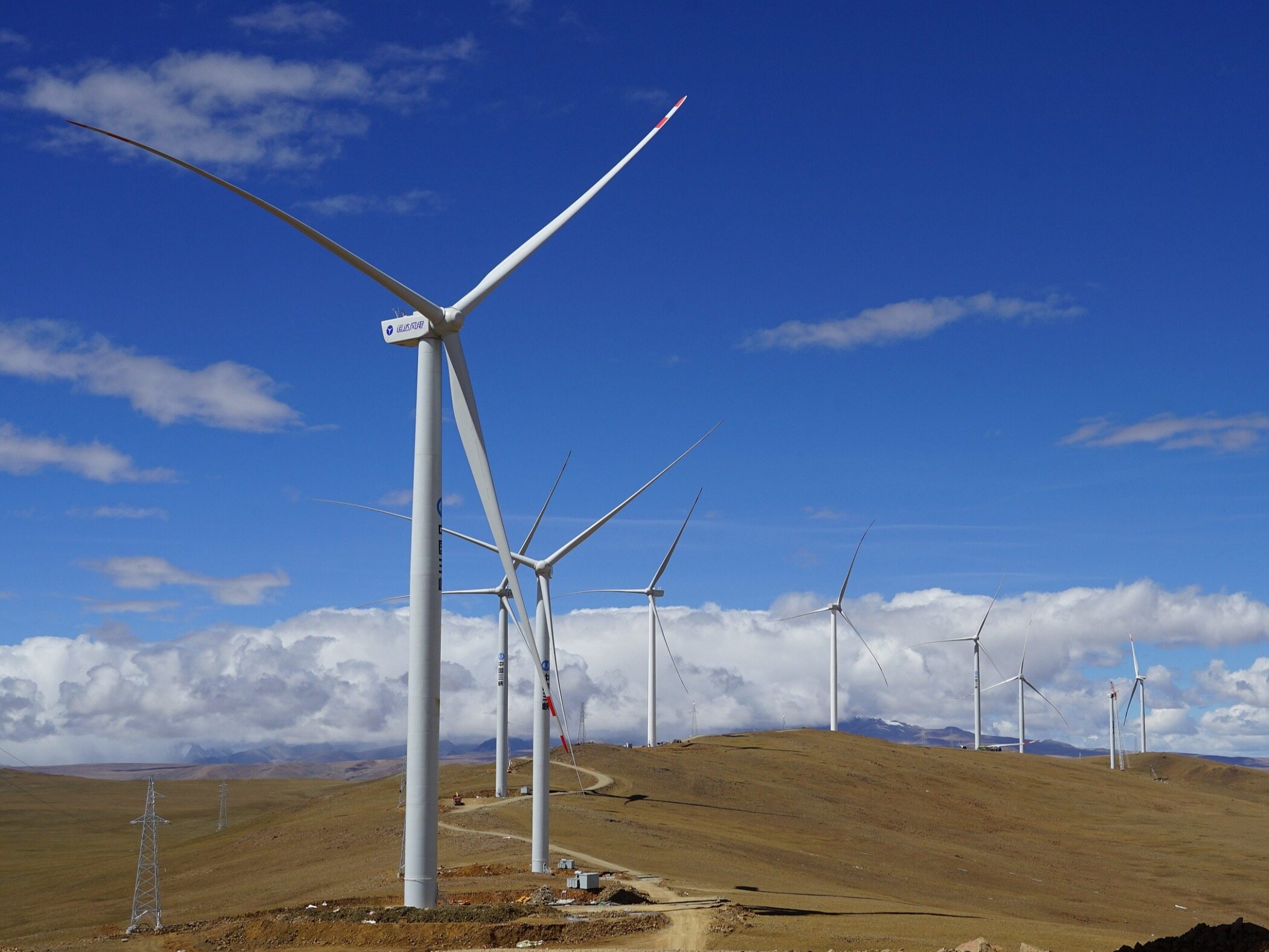
Renewable energy has truly become the main force in increasing electricity generation. As of the end of the first quarter, the cumulative installed capacity of wind and solar power in China reached 1.898 billion kilowatts, an increase of 28.1% compared to the same period last year, accounting for 47.9% of the total installed capacity of electricity in the country. The proportion of renewable energy generation in the total electricity generation is 37.1%, which is not only higher than the electricity consumption of the tertiary industry during the same period, but also covers the total electricity consumption of urban and rural residents. The proportion of wind and solar power generation in the total electricity consumption of the society reached 23.3%, an increase of 1.1 percentage points from the end of last year. Green power is moving from supplementary energy to the main energy source.
Segmented field data is impressive
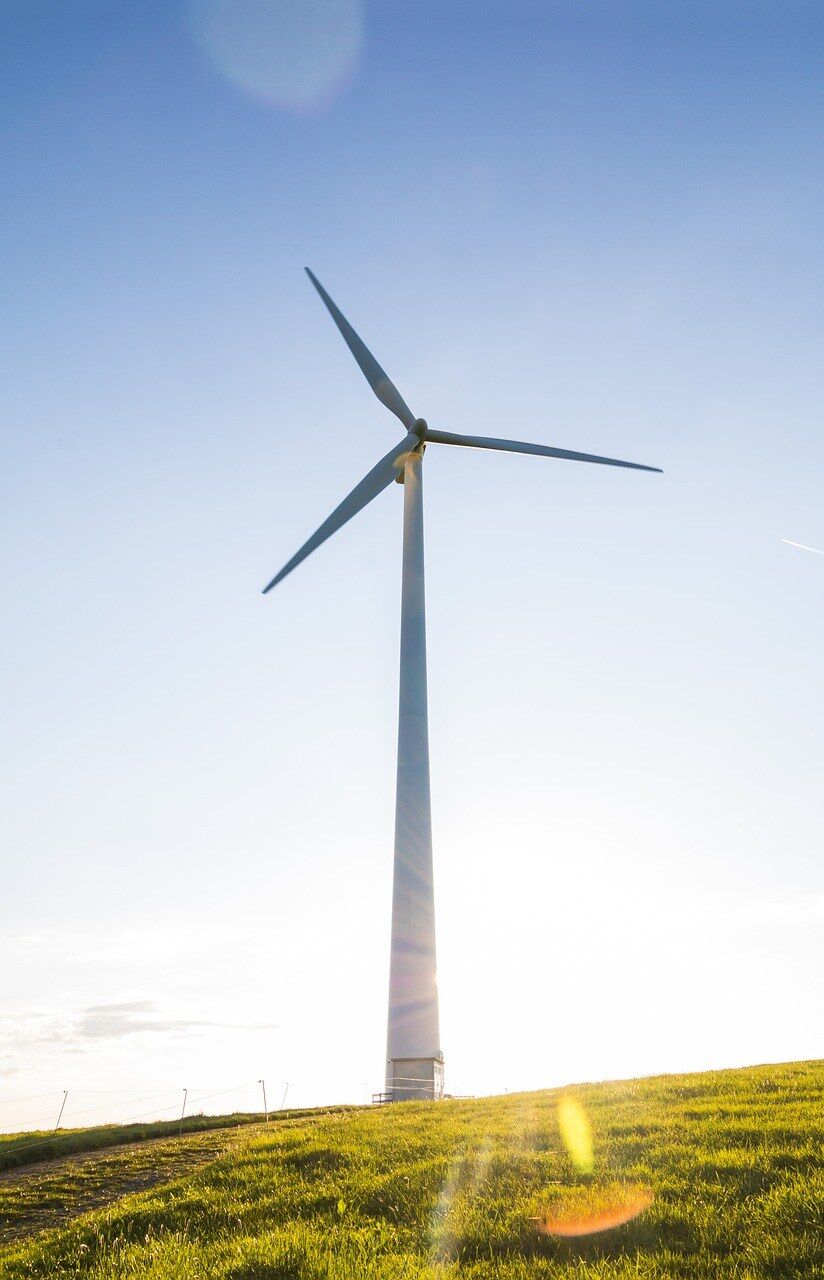
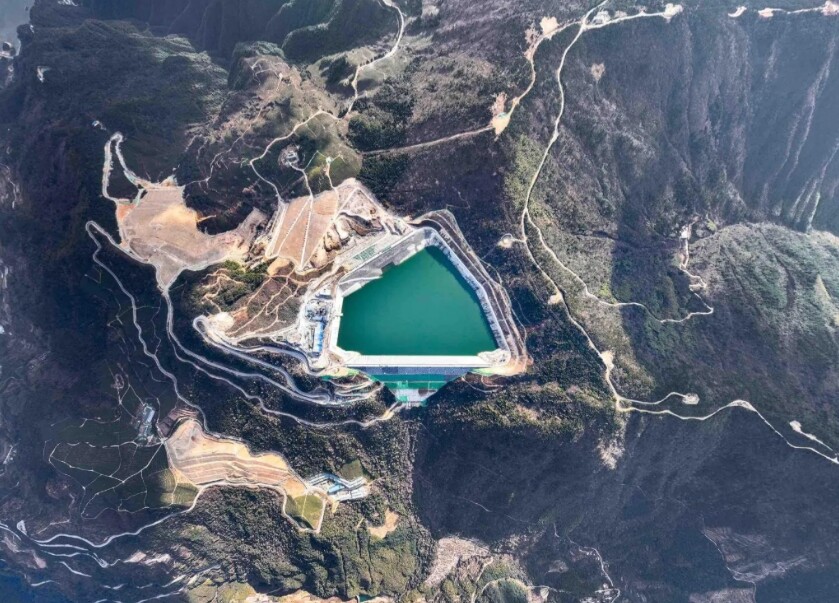
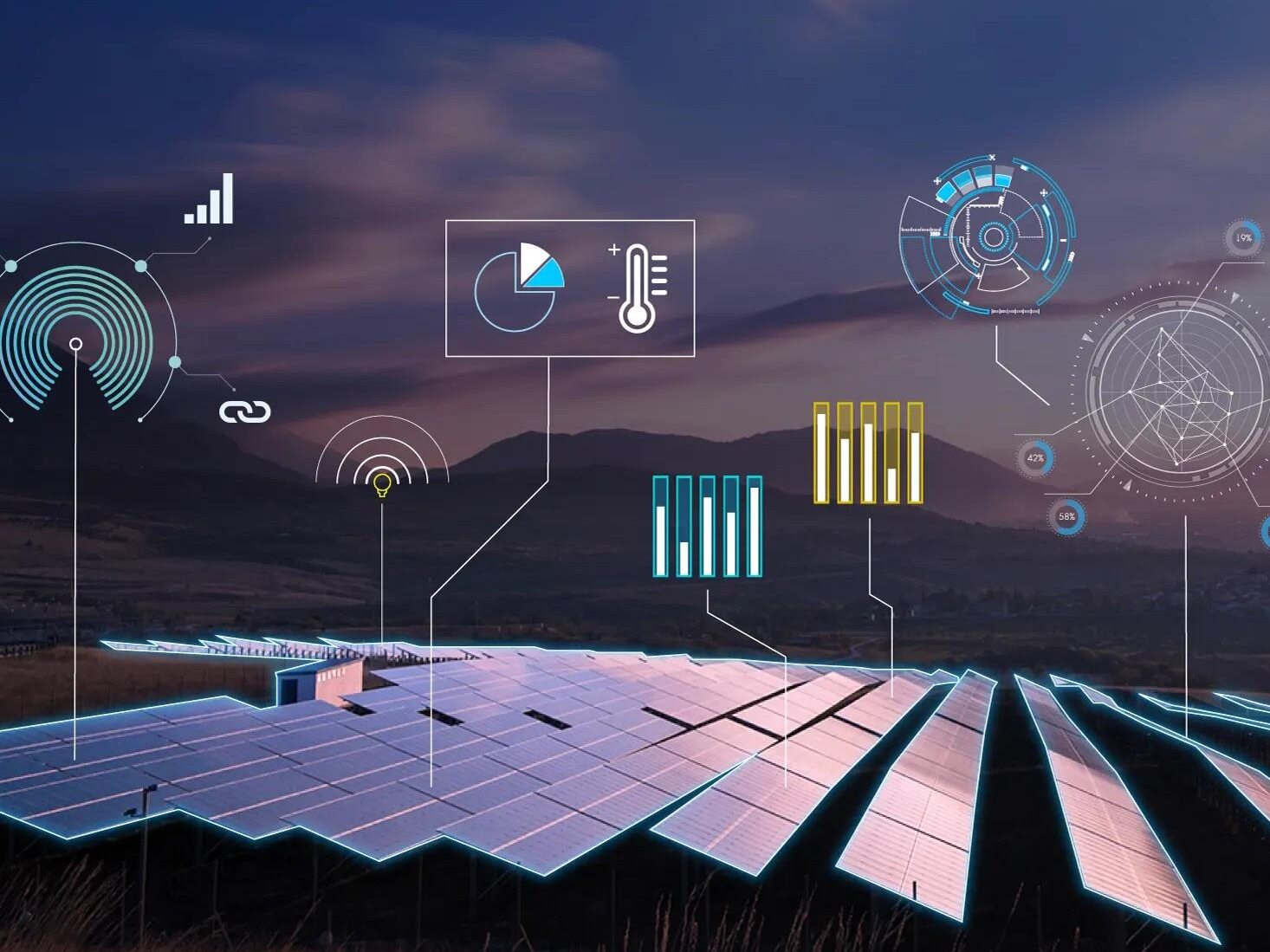
Specifically for each sector, the cumulative installed capacity of hydropower is about 450 million kilowatts, of which pumped storage reaches 67 million kilowatts, and 1.42 million kilowatts were added to the grid in the first quarter. Wind power has accumulated 655 million kilowatts of grid connection, a year-on-year increase of 22.4%. Of the 15.77 million kilowatts added in the first quarter, 75% came from the Three North regions, and the average utilization rate remained at a high level of 91.4%. The installed capacity of photovoltaic power generation reached 1.241 billion kilowatts, a year-on-year increase of 31.2%. In the first quarter, 41.19 million kilowatts were added, with half centralized and half distributed, and the power generation increased by 18.5% year-on-year. Although biomass and solar thermal power generation have relatively small bases, they have increased by 2.9% and 130% respectively, showing a diversified development trend.
Hydrogen energy moves towards the million ton level
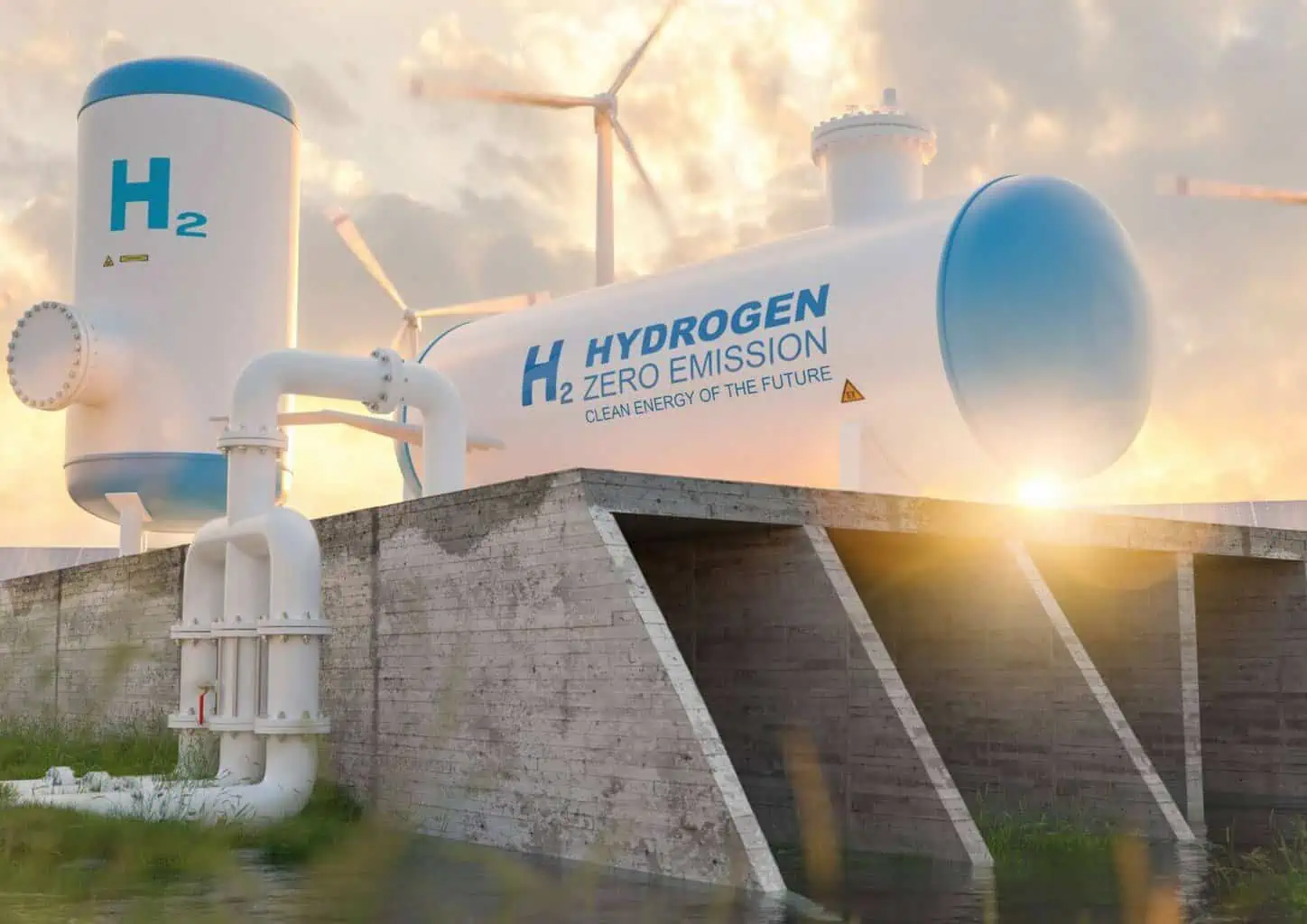
The most surprising breakthrough is the industrialization of hydrogen energy. As of the end of March, the national renewable energy hydrogen production capacity under construction has exceeded 1 million tons per year, an increase of more than double compared to the end of 2024. The operational capacity in Northeast China accounts for 45.7% of the national total, while the cumulative production capacity in Jilin and Inner Mongolia exceeds 90000 and 80000 tons/year respectively. The hydrogen production mode is shifting from a single pilot to wind solar hydrogen coupling and green hydrogen ammonia alcohol integration. Multiple 50000 ton projects have been launched in Xinjiang, Inner Mongolia, and Jilin, and the scale of individual units has rapidly increased, indicating that the commercialization of hydrogen energy as the ultimate clean energy has begun.
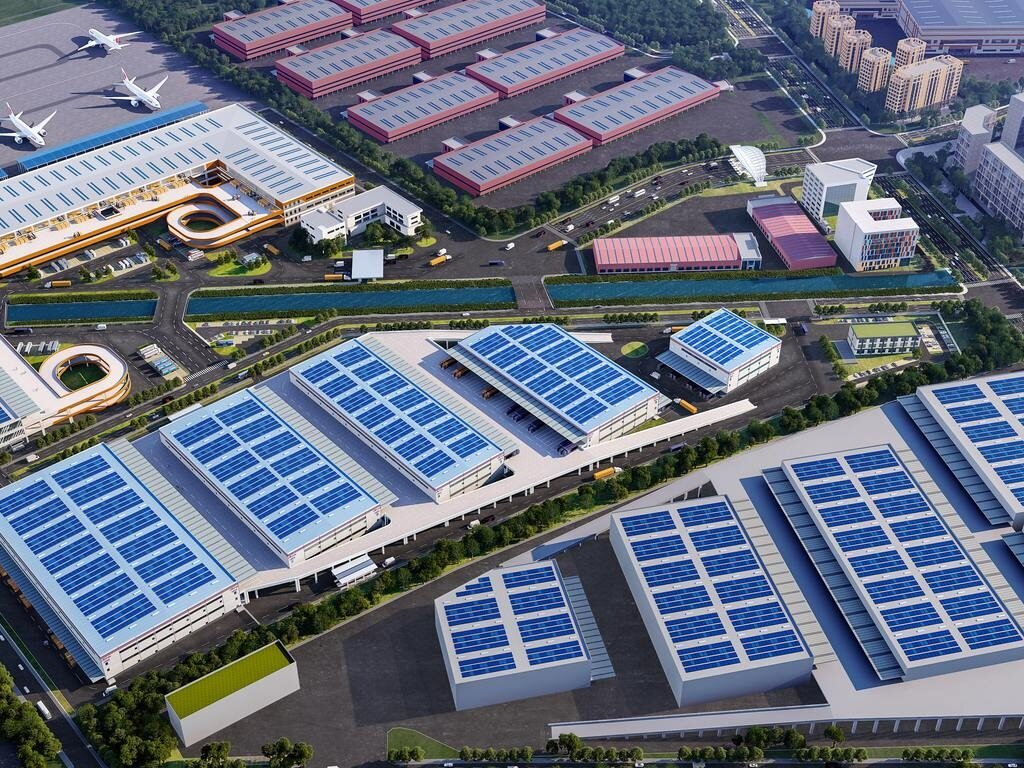
It is not difficult to see from the performance report of the first quarter that China's energy transformation has crossed the concept verification period and entered the fast lane of large-scale substitution. The nearly 60% proportion of renewable energy installed capacity and the continuously rising proportion of green electricity consumption are not only victories of data, but also fundamental changes in energy production methods. With the cost reduction of new energy storage technologies such as hydrogen, a cleaner, safer, and more efficient modern energy system is accelerating its formation.Editor/Cheng Liting
Comment


 Praise
 Collect
 Comment

 Share
Share


Write something~