 Search


- Digital means are helping dedicated line enterprises improve their level of container consolidation and traceability management
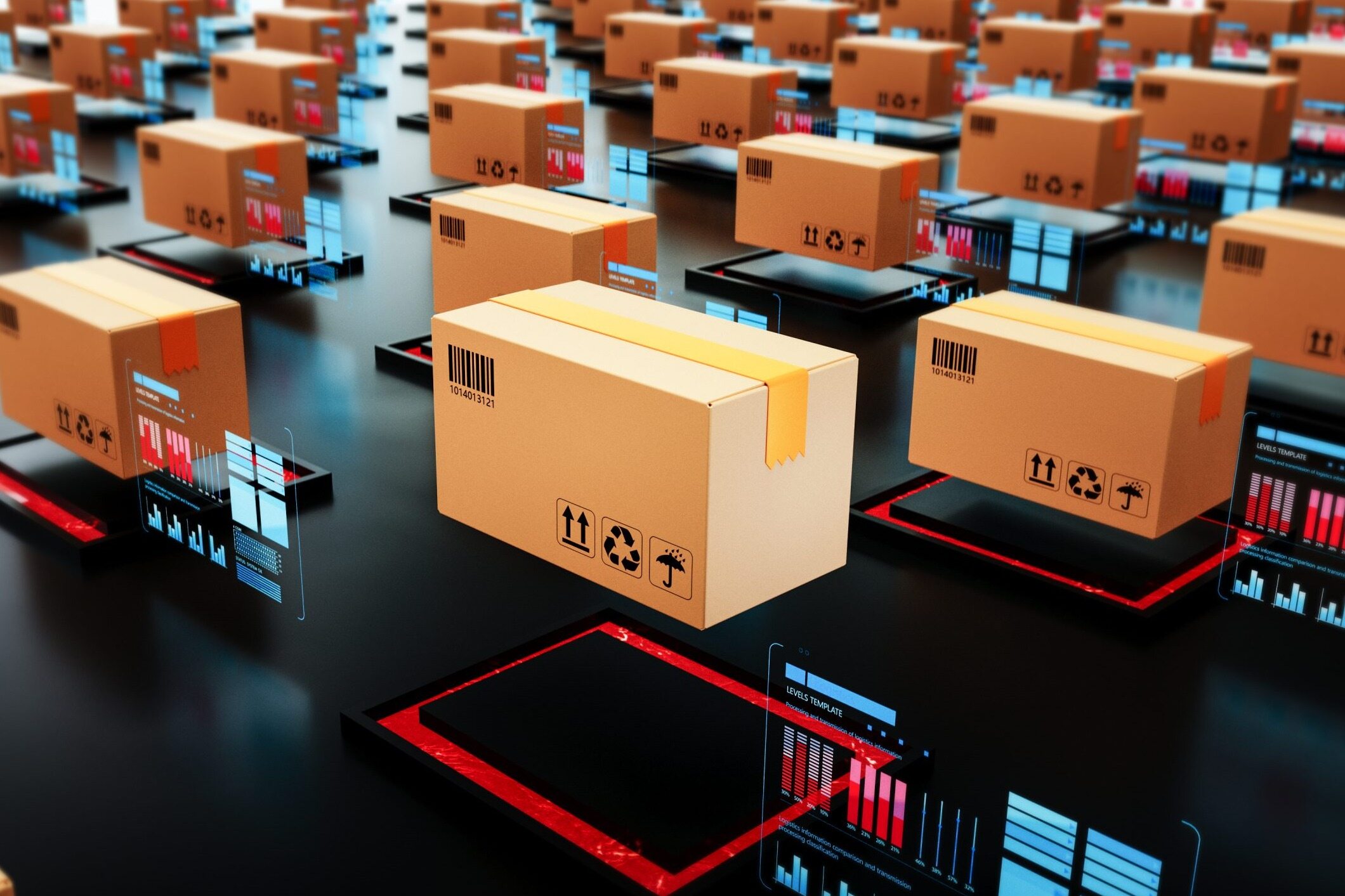
Recently, in the office of a Central Asia special line logistics company in Baiyun District, Guangzhou, operator Xiao Zhang sighed at a thick stack of handwritten pallets. On the same day, at the Almaty cargo yard in Kazakhstan, 3000 kilometers away, a batch of loose cargo that was delayed due to incorrect marking information had just completed inspection and release. When the transit freight volume between China and Asia surged by 70% in four years, Chinese small and medium-sized logistics enterprises are undergoing a painful transformation from wild growth to refined operation.
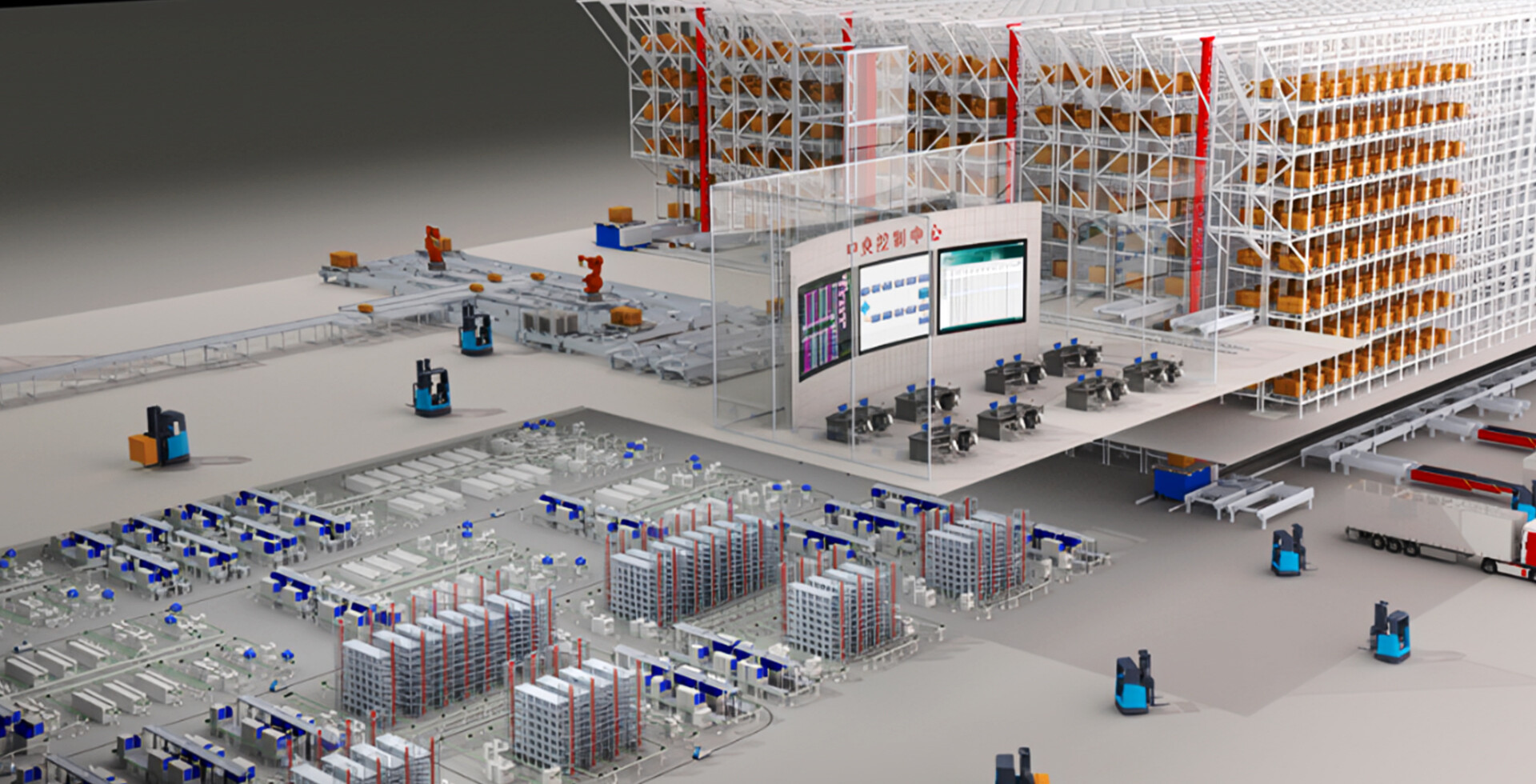
Bulk cargo consolidation from experience to algorithm
Traditional bulk cargo consolidation has long relied on visual estimation by experienced employees, and the utilization rate of container spaces is generally less than 80%. The Yijingtong dedicated line consolidation system integrates pre arranged container functions into daily operations, automatically generating the optimal loading plan based on destination, volume, and weight. Tray management and QR code binding ensure precise positioning of each item. Test data shows that the system can increase cabinet utilization to over 90% and reduce the cost sharing of single shipment freight by about 10%.
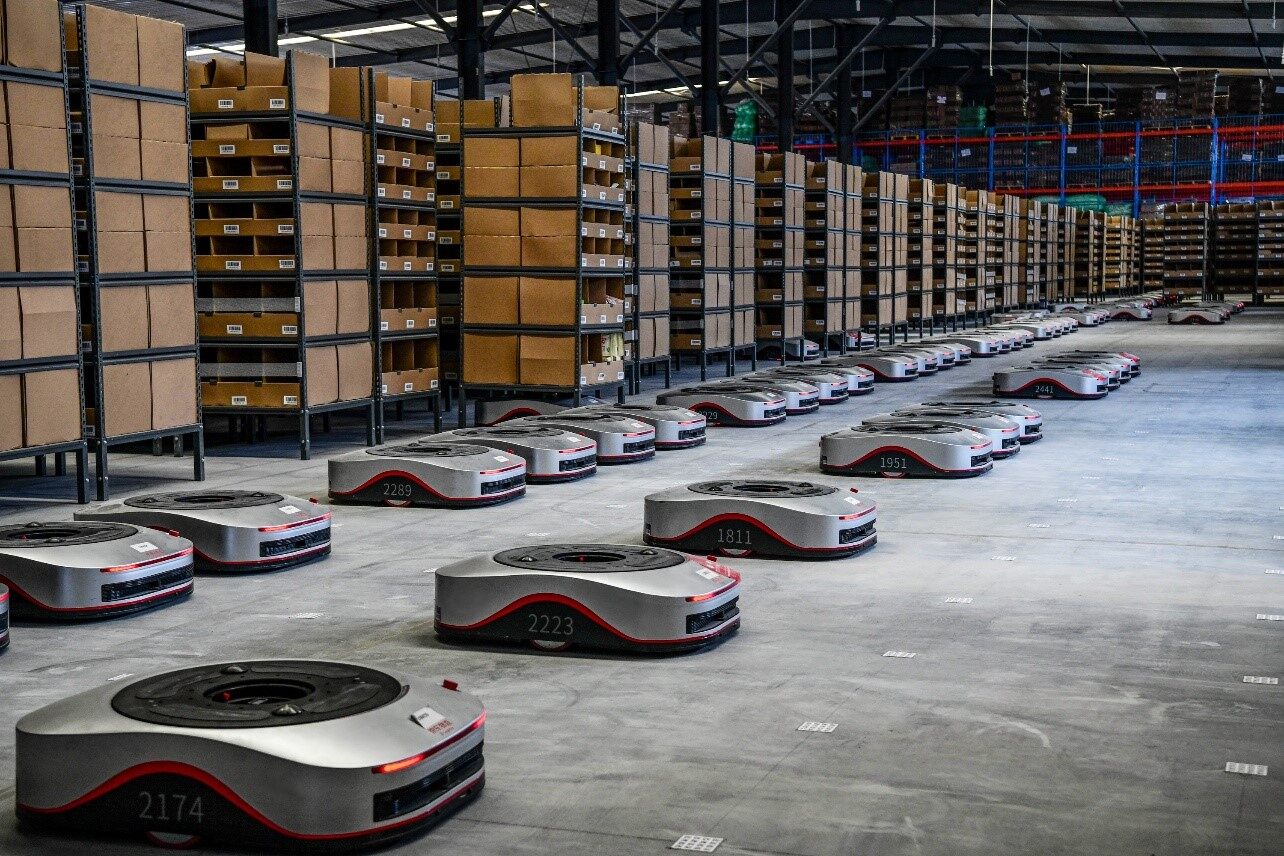
OCR ends the era of handwritten notes
OCR and RPA technologies have been introduced into the document processing process to address the pain points of complex customs clearance documents and easy errors in marking information in Central Asia. The system automatically recognizes key fields such as sender, product name, and weight in the bill of lading. Documents that previously took half a day to record can now be completed in half an hour, reducing the error rate from approximately 5% manually entered to below 1%. The dual mode management of general trade customs declaration and payment for export has been launched simultaneously, adapting to different customer needs. Keywords: Strategic News Network, Intelligent Logistics
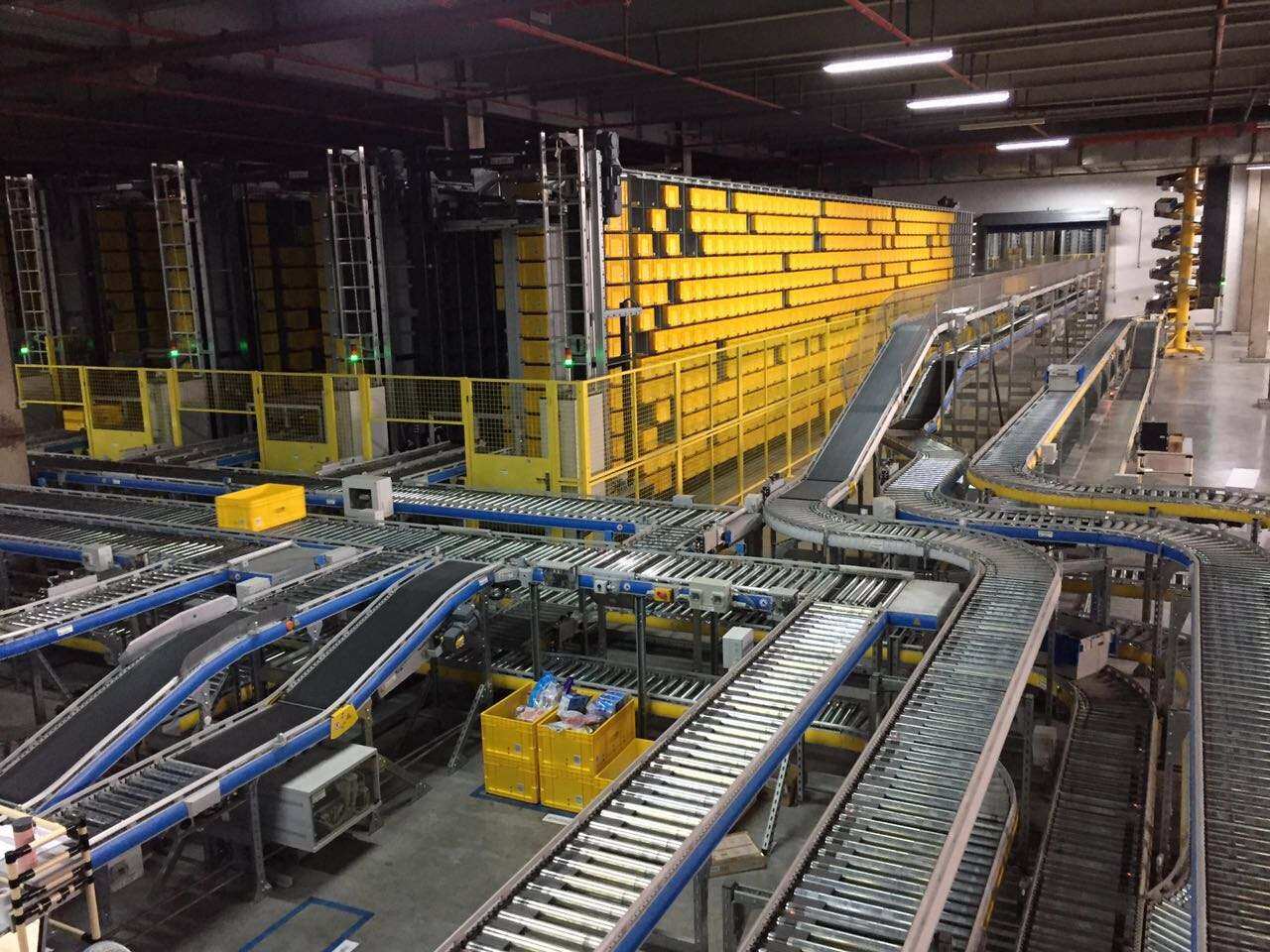
Scan the QR code to check the real-time storage trajectory
The entire chain of goods from warehousing to overseas delivery is digitized and connected. When the scanning gun enters the warehouse, it automatically takes photos to keep a record, and real-time feedback is sent back to the loading, shipping, and overseas container pickup nodes. Customers can track the location of the goods at any time through the self-service query port. The financial end is synchronized and connected, and the customer's independent quotation and supplier agent settlement are automatically reconciled. The net profit of each order no longer needs to be calculated by flipping the account book at the end of the month. Behind the data of 8525 trains operated in the first seven months of the Central Asia freight train, digitization is becoming a key variable for dedicated logistics companies to catch this wave of growth.Editor/Gao Xue
Comment


 Praise
 Collect
 Comment

 Share
Share


Write something~