 Search


- Under the dual game of resource security and profit shackles, the real battle of sodium electricity has just begun
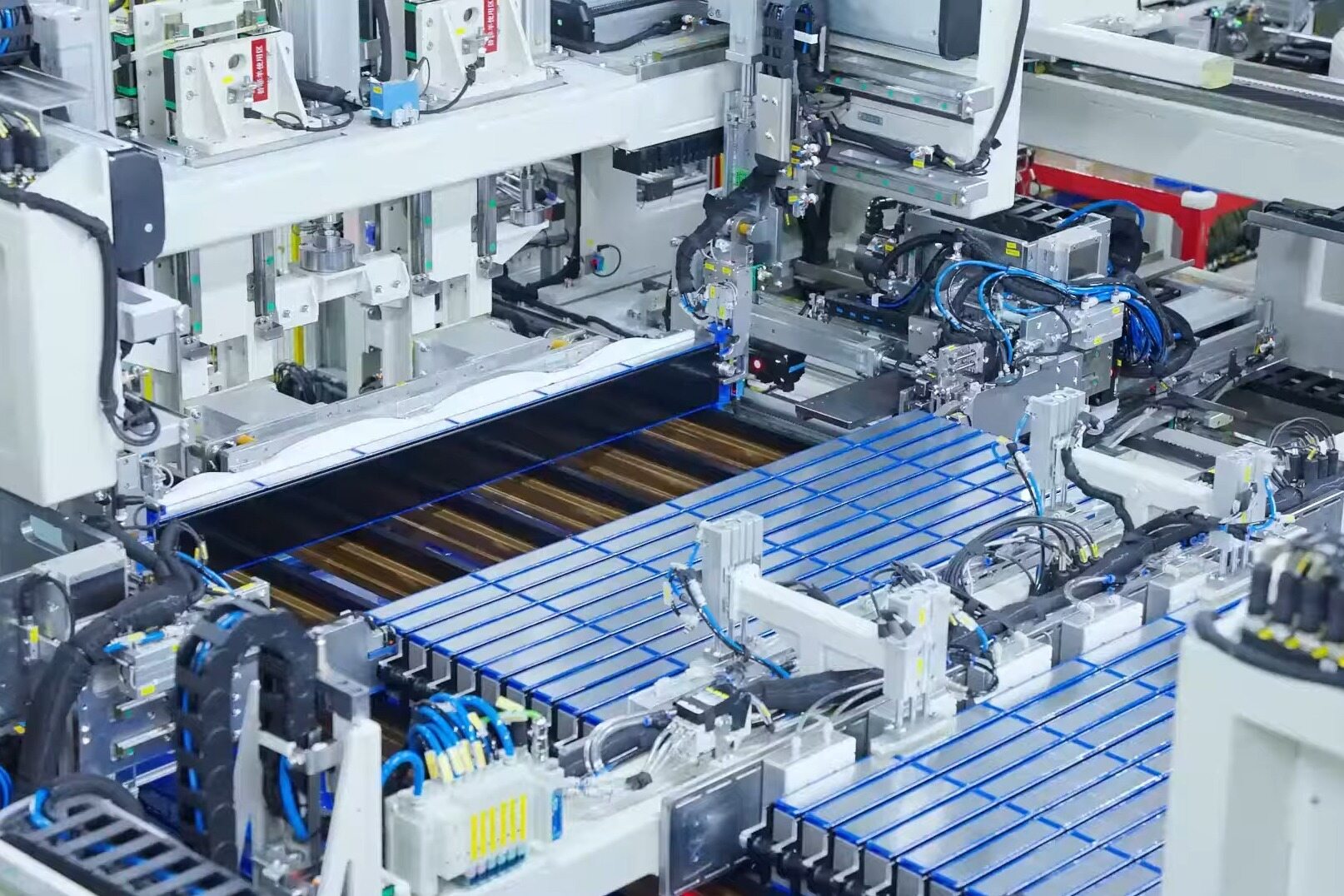
On April 27, 2026, an agreement between CATL and HYPER STRONG instantly boosted the global sodium electricity order volume to 60GWh. From a trial signal of 20MWh a year ago to the world's largest, with a digital leap of three thousand times, the window for scaling up sodium batteries seems to have opened overnight. But when the two trillion giants enter with mass production capabilities, is this the spring of industrial inclusiveness or the old script of deep binding with big customers?
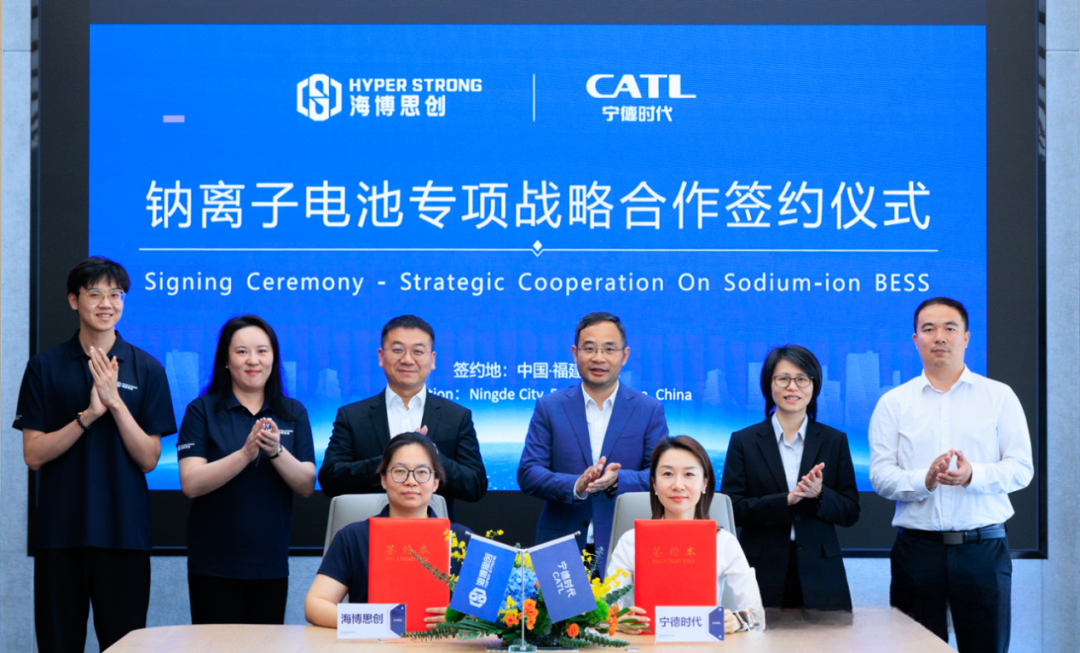
From Laboratory to Gold Devourer
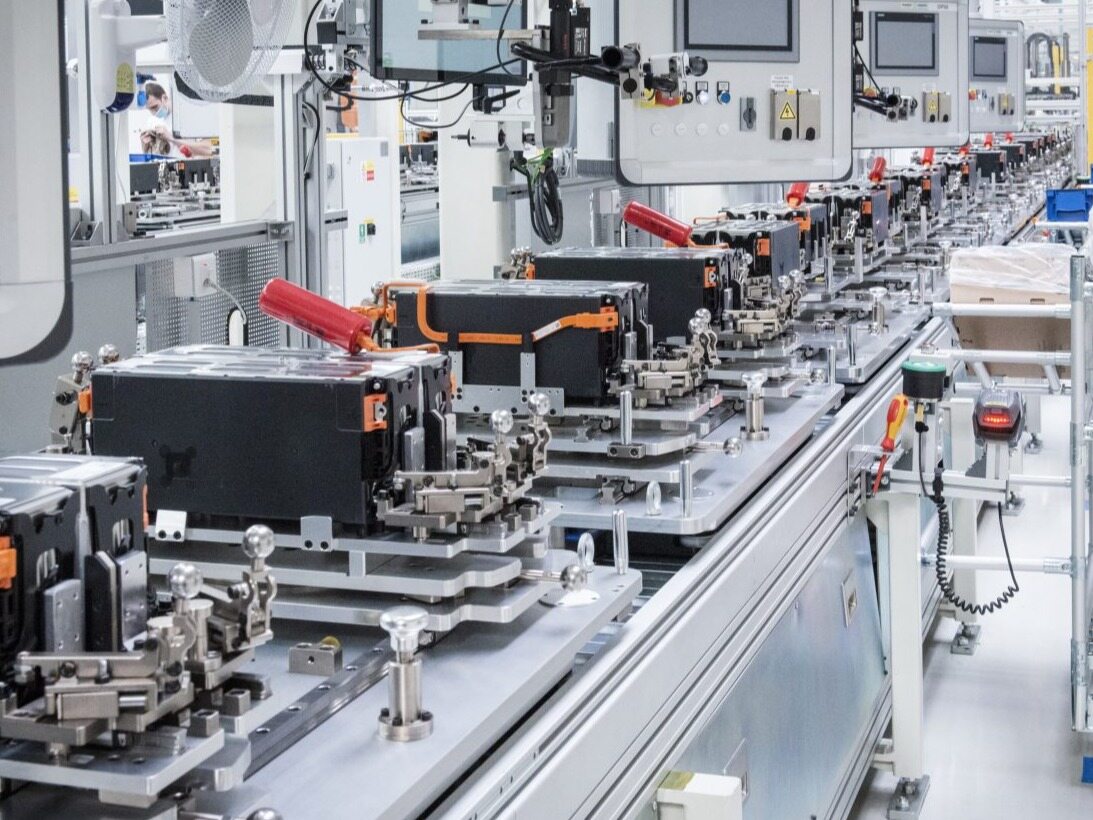
No one expected that the turning point would come so fiercely. Just 6 days ago, CATL announced at Super Tech Day that it had overcome four major challenges, including water control and hard carbon gas production; Six days later, the 60GWh order landed on HYPER STRONG. This is not a coincidence, but a seamless integration of technology and production capacity - when mass production is ready, orders are a natural step forward.
What's even more shocking is the volume comparison. According to the prediction of the High Tech Industry Research Institute, the global shipment of sodium batteries will be about 26.8GWh in 2026, and the average annual supply of this order will account for more than 70%. CATL has used an almost violent scale to crush and directly confirmed the industry's expectations: the starting line has been set, whether or not you can keep up is up to you.
Plan B for Resource Security
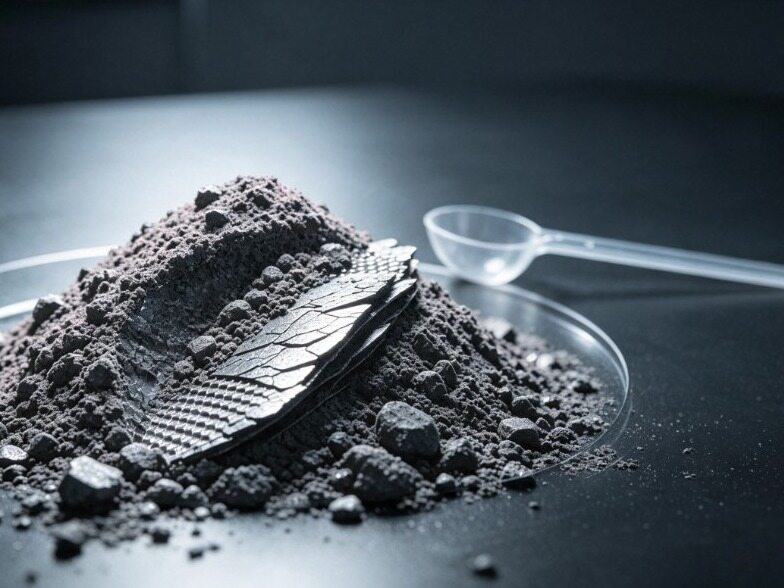
The underlying logic of this transaction goes far beyond commercial games. The crustal abundance of sodium is over 400 times that of lithium, and China is completely self-sufficient in sodium resources, while its dependence on lithium resources exceeds 70%. Against the backdrop of severe fluctuations in global lithium prices and intensified geopolitical competition, sodium batteries are not only a supplement to technological routes, but also a national answer to supply chain security.
CATL Marketing System Co President Zheng Yelai personally stepped forward, which shows its strategic weight. This is not only to find flank supplements in lithium battery blind spots such as extreme cold energy storage and northern scenic bases, but also to hold a trump card that is not choked outside of lithium resources.
The profit shackles under prosperity
However, behind the frenzy of orders, hidden worries remain.
Firstly, there is cost sensitivity. The current cost of sodium batteries is about 0.35-0.47 yuan/Wh, which is close to lithium iron phosphate, but this is based on the premise that lithium prices do not plummet. Once lithium carbonate falls back, the cost-effectiveness logic of sodium batteries will face severe questioning.
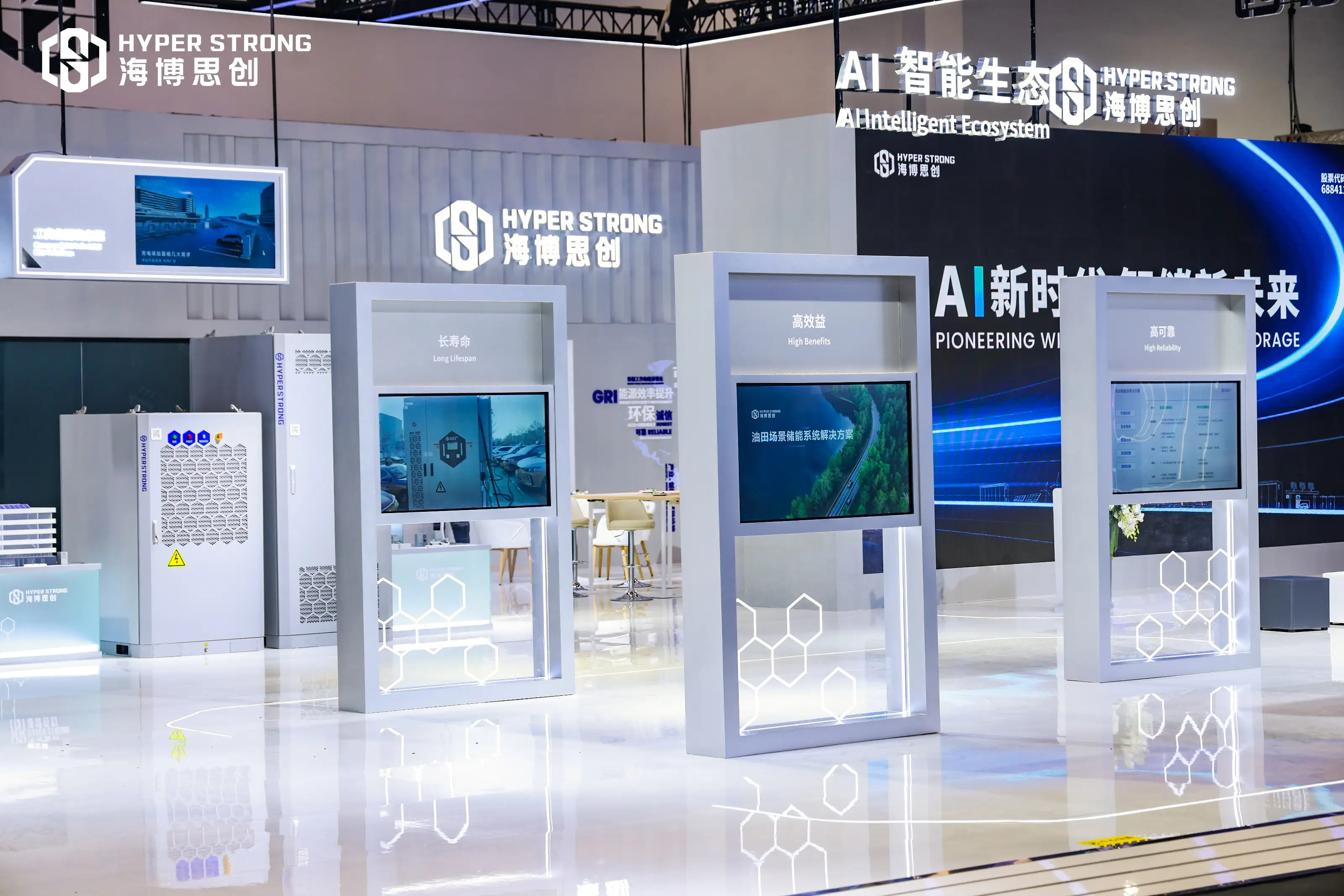
The more realistic interrogation lies in HYPER STRONG. As a system integrator, its essence is to buy battery cells and make systems. Deeply binding CATL has locked in high-quality goods for the next three years, but it has also fallen into a profit chain - the deeper the dependence on top suppliers, the weaker its bargaining power. This script has already been staged in the power battery industry. Keywords: New Energy, Battery, CATL
60GWh is a milestone and a touchstone. The road to sodium electricity is still long, and scale is only the first hurdle. The subsequent cost parity and standard implementation are more difficult to tackle than the order numbers. This is a business about patience, only time can give the answer.Editor/Cheng Liting
Comment

 Praise
 Collect
 Comment

 Share
Share


Write something~