 Search


- Thailand plans to invest trillions of Thai baht to build a southern railway land bridge, intending to replace the Strait of Malacca

Thai Deputy Prime Minister and Minister of Transport, Phipa Ratchaki Prakarn, announced that the government will accelerate a grand project costing 1 trillion Thai baht to build a railway land bridge in southern Thailand. This is not only an upgrade of infrastructure, but also a deep intervention in the global shipping landscape.

The project plans to build a 90 kilometer railway connecting the deep-water ports of Lalang and Chumphon provinces, directly linking the Pacific and Indian Oceans. Against the backdrop of the sudden increase in risks in the Strait of Hormuz caused by the Middle East conflict and the prominent strategic vulnerability of the Strait of Malacca, Thailand intends to leverage this "alternative shipping route" to grasp the key hub connecting the two oceans and transform geopolitical risks into national competitive advantages.
Efficiency dividend and legislative process
According to the plan, this land bridge will bring significant logistics changes. The average transportation time is shortened by 4 days and the cost is reduced by 15%, which is highly attractive for the global supply chain. At present, the Thai Cabinet is pushing for the approval of relevant draft bills aimed at granting the executing departments the legal power to initiate projects within the year. According to the schedule, the construction project will continue until 2039, and the official forecast predicts that the project is expected to achieve breakeven within 24 years. Behind this series of numbers is the determination of the Thai government to reshape its position as a regional logistics center, as well as a huge test of its financial operation and engineering management capabilities.
Huge costs and environmental concerns
However, the trillion baht budget has also sparked strong questioning. Opposition lawmakers have pointed out that the government's economic model is "unbelievable", especially after the official research report was released in August 2025, the cost-benefit analysis became even more controversial. Keywords: Southeast Asian news, road and bridge plans
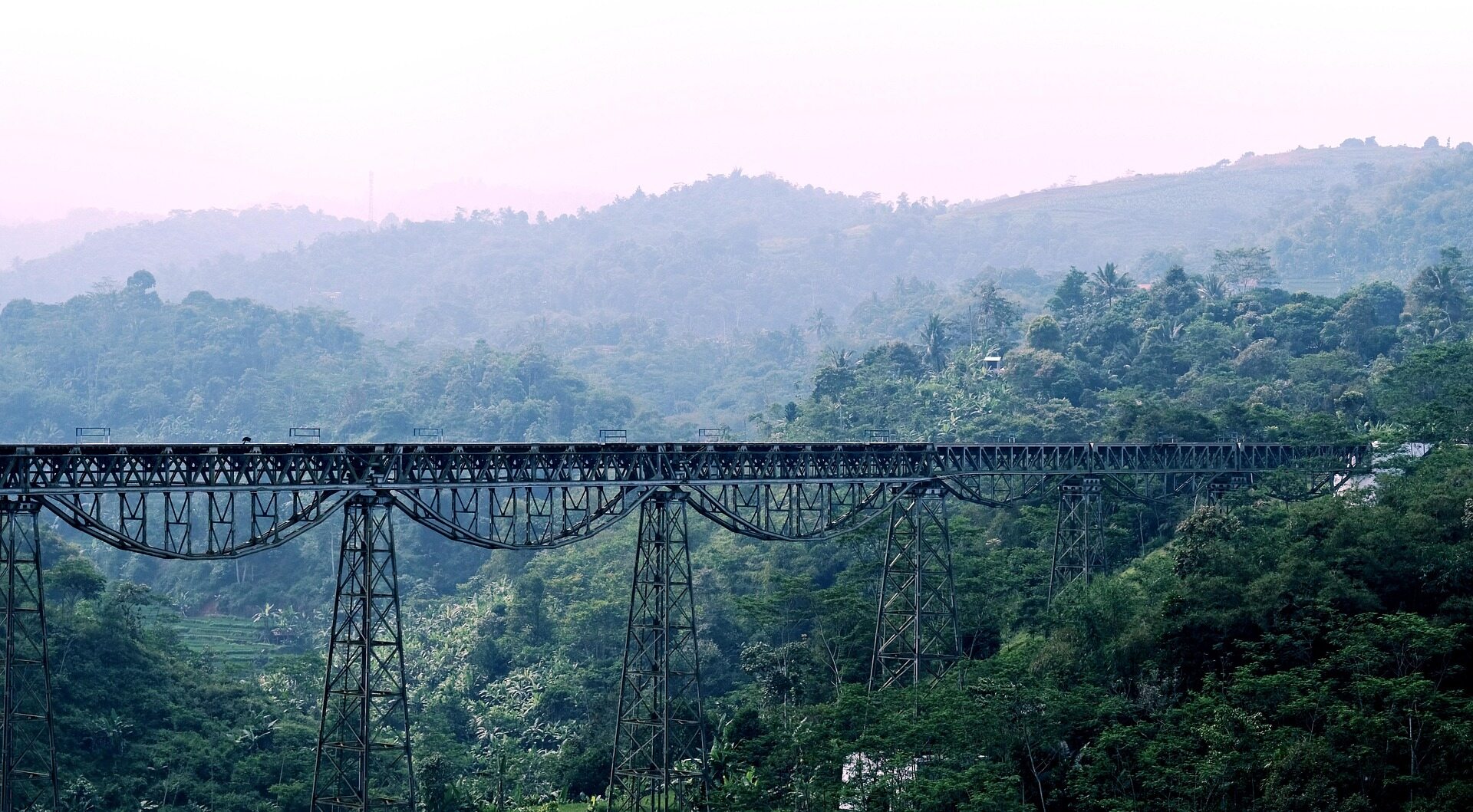
A more realistic obstacle comes from the environment and people's livelihoods: the project may result in an annual loss of approximately 1 billion Thai baht in fishing revenue, and the construction area is adjacent to six UNESCO World Heritage sites in southern Thailand, posing a risk of ecological damage and damaging the tourism industry. When strategic ambitions collide with environmental red lines and financial pressures, whether this bold gamble can truly be realized still requires time to provide an answer.Editor/Cheng Liting
Comment




 Praise
 Collect
 Comment

 Share
Share


Write something~