 Search


- Philippines Citicore and Indonesia Pertamina NRE sign $1.2 billion strategic agreement
- Jointly develop solar, wind, and carbon credit projects through equity cooperation and technology sharing
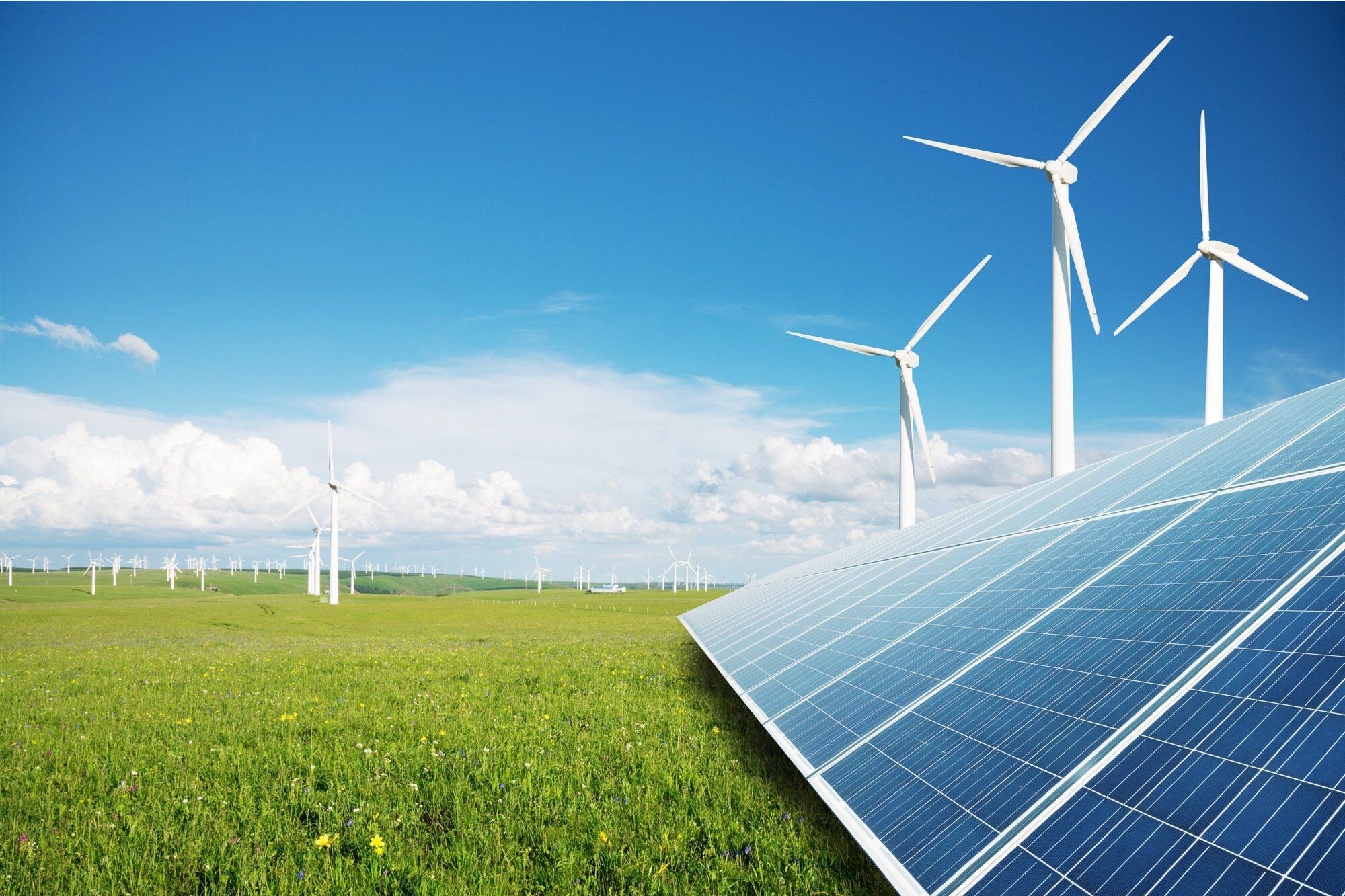
The story begins with a handshake by the Manila Bay. When Oliver Tan, CEO of Citicore Renewable Energy Corporation (CREC) in the Philippines, and John Anis, head of Pertamina NRE, a state-owned energy company in Indonesia, signed the cooperation document, the rippling ocean outside the window seemed to witness this collaboration - the once geographically separated energy map between the two countries was quietly connected by a "green bridge".
Against the backdrop of accelerated global energy transition, Southeast Asia has become a hot spot for international capital and technology competition. Faced with the growing demand for electricity and environmental pressures, cross-border cooperation has become the key to breaking through. Recently, CREC and Pertamina NRE reached a strategic investment agreement totaling $1.2 billion. According to the agreement, Pertamina NRE will subscribe to 20% of CREC's equity to jointly explore the renewable energy market in Indonesia and Southeast Asia through the deep integration of capital and technology.
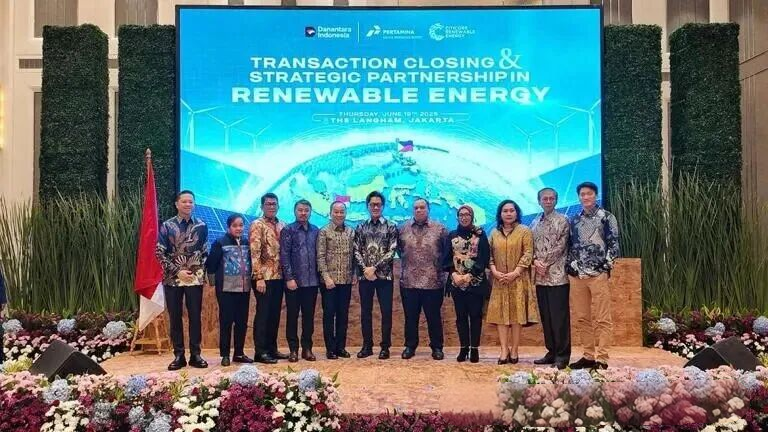
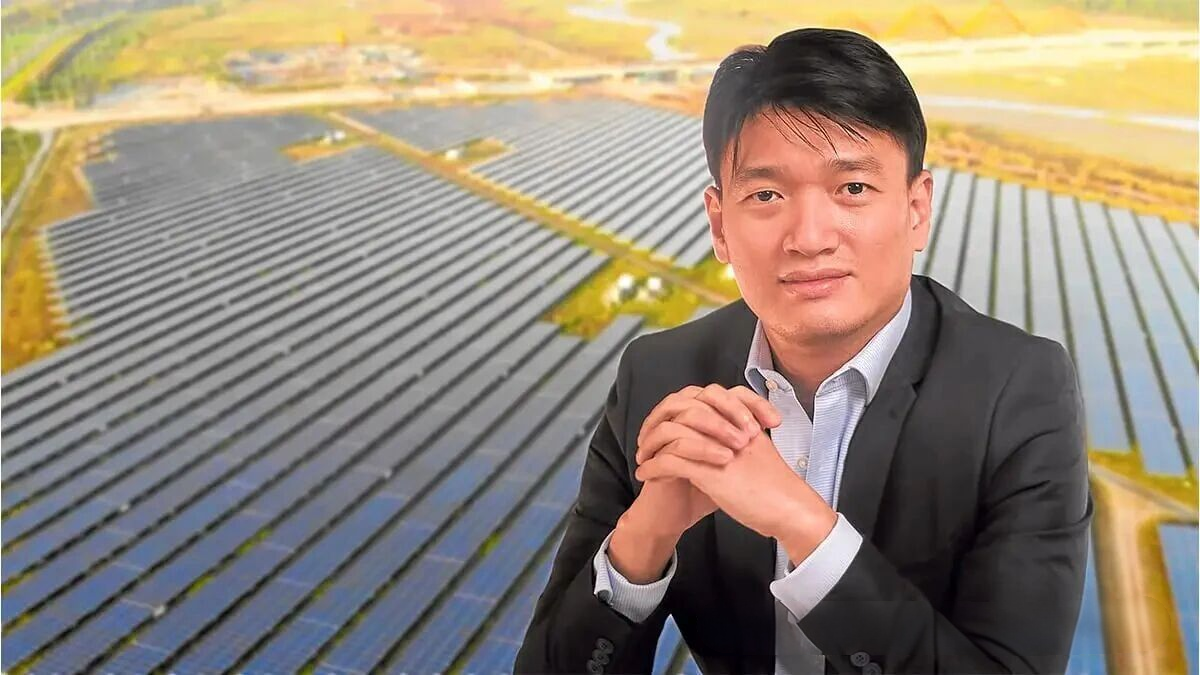
This is not just a business collaboration, but also a resonance of ideas, "Oliver Tan said at the signing ceremony. He believes that this collaboration will promote energy transformation from a new perspective and create responsive, collaborative, and efficient clean energy solutions for the two major potential markets of the Philippines and India.
Bi directional empowerment to explore green electricity in Qiandao
This cooperation is far from a simple capital injection. CREC leverages its project development and operation experience accumulated in the Philippines and Southeast Asia, combined with Pertamina NRE's strong resource control and market network in Indonesia, to form a pattern of "complementary capabilities and two-way empowerment".
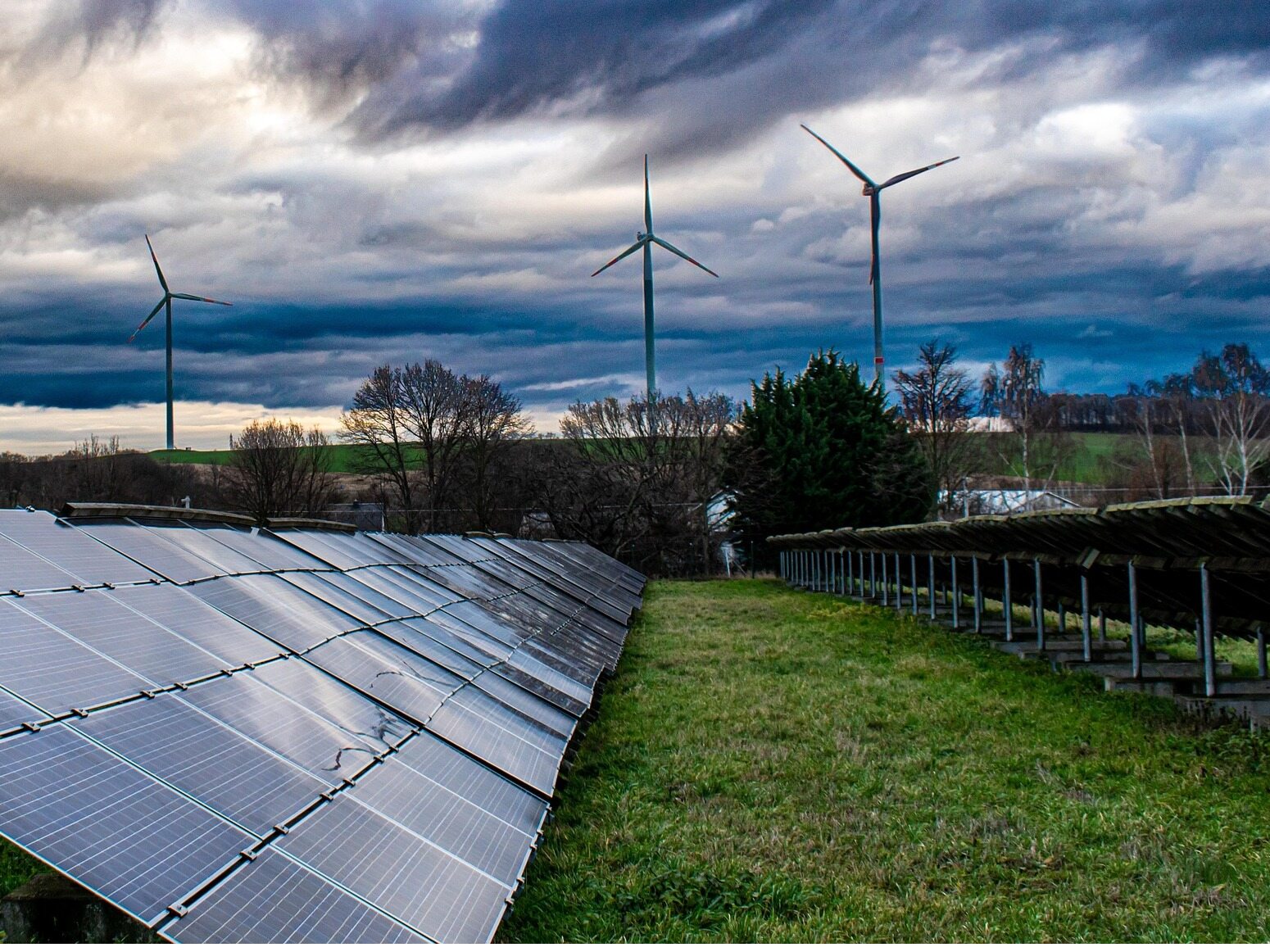
Both parties will focus on developing solar and wind power projects in Indonesia. In response to the geographical characteristics of Indonesia's "Thousand Islands Country", distributed photovoltaic and offshore wind power technologies will become the focus of exploration, aiming to provide stable electricity for numerous islands and gradually replace expensive and polluting diesel power generation. Industry data shows that Indonesia has enormous potential for renewable energy development, with solar energy alone expected to have a potential of over 200 gigawatts, but the current utilization rate is still less than 5%. At the same time, CREC's renewable energy project reserves in the Philippines have exceeded 2 gigawatts, and its mature experience will provide important reference for Indonesian projects.
Turning environmental benefits into real gold and silver
In addition to power development, the agreement also specifically includes collaborative innovation of carbon credit mechanisms. Under the framework of the Paris Agreement, Southeast Asian countries are actively exploring carbon market pathways. Both parties plan to develop the emission reduction benefits generated by clean energy projects into tradable carbon assets, creating additional revenue for the projects and helping to achieve regional carbon neutrality goals.
In addition, capacity building and knowledge sharing are also included in the cooperation blueprint. Pertamina NRE will support CREC's business development in the Philippines, and CREC will also assist in enhancing Pertamina NRE's technology and management capabilities in the renewable energy sector, forming a long-term technology feedback loop.
From the Two Country Alliance to the Southeast Asian Green Energy Network
This collaboration is just a starting point. Analysis indicates that as the project is implemented and the model matures, its experience may radiate to other Southeast Asian countries such as Vietnam and Thailand, promoting regional output of photovoltaic technology adapted to tropical climates and island microgrid solutions. At the same time, the expansion of project scale is expected to drive the integration of industrial chain links such as equipment manufacturing and operation and maintenance services, further reducing regional clean energy costs.
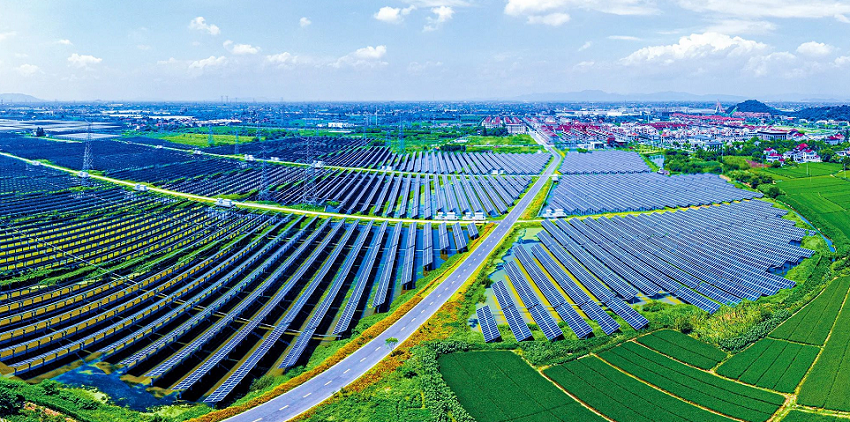
From a more macro perspective, successful practices at the enterprise level may also promote policy coordination. In the future, policy barriers between the Philippines and Indonesia in cross-border electricity trading and carbon market mutual recognition are expected to gradually break down, accelerating the formation of a Southeast Asian green energy synergy network.
We are leading Indonesia's energy transition, and CREC's professional experience will be an important catalyst for us. ”John Anis, CEO of Pertamina NRE, was confident when signing the contract. It can be foreseen that in the increasingly urgent context of climate change, this cross ocean "green handshake" not only opens a new window for energy cooperation between the two countries, but also paves a pragmatic and bright path for the entire Southeast Asia to move towards a low-carbon future.Editor/Yang Meiling
Comment




 Praise
 Collect
 Comment

 Share
Share


Write something~