 Search


- The installation volume of solar photovoltaic panels in a single project has exceeded 10000 pieces for the first time
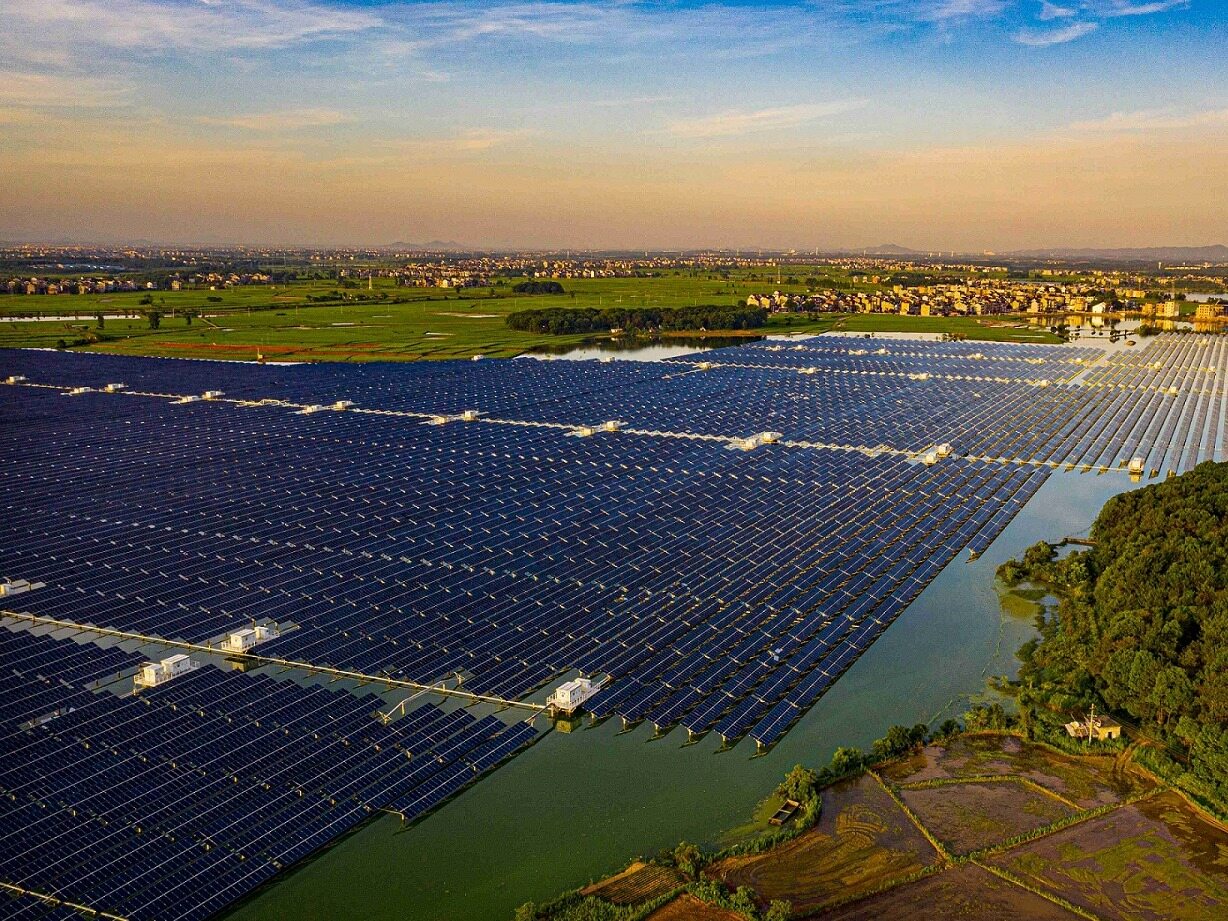
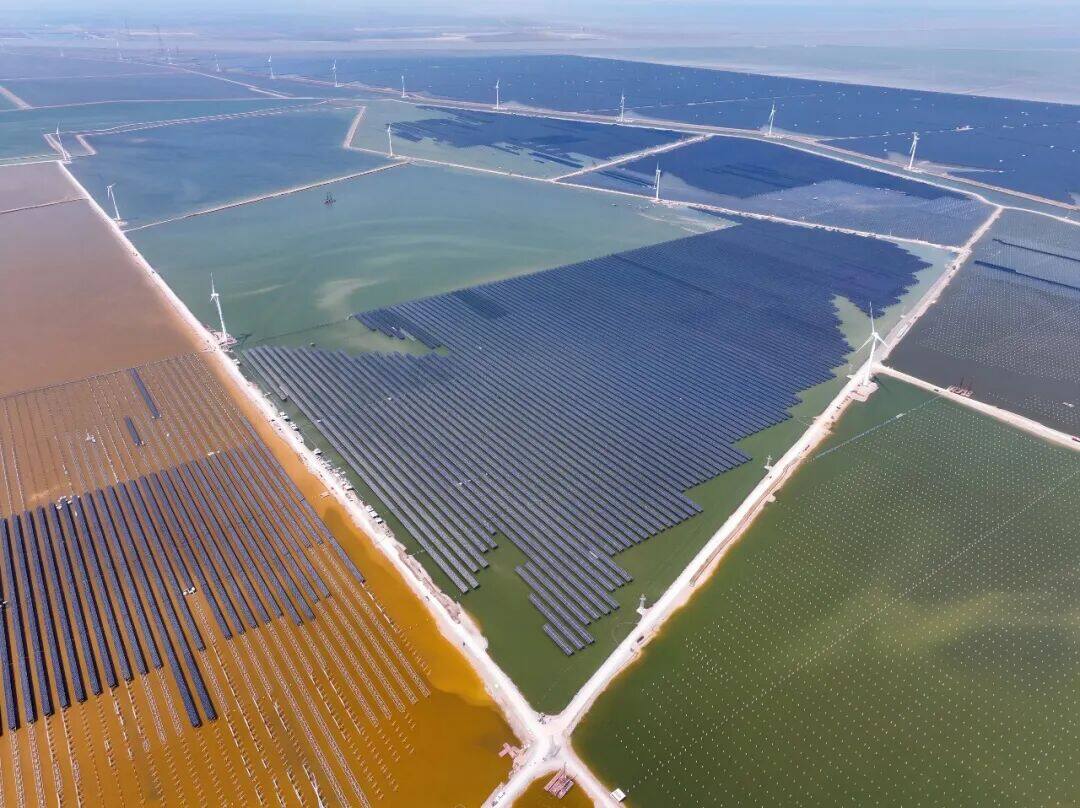
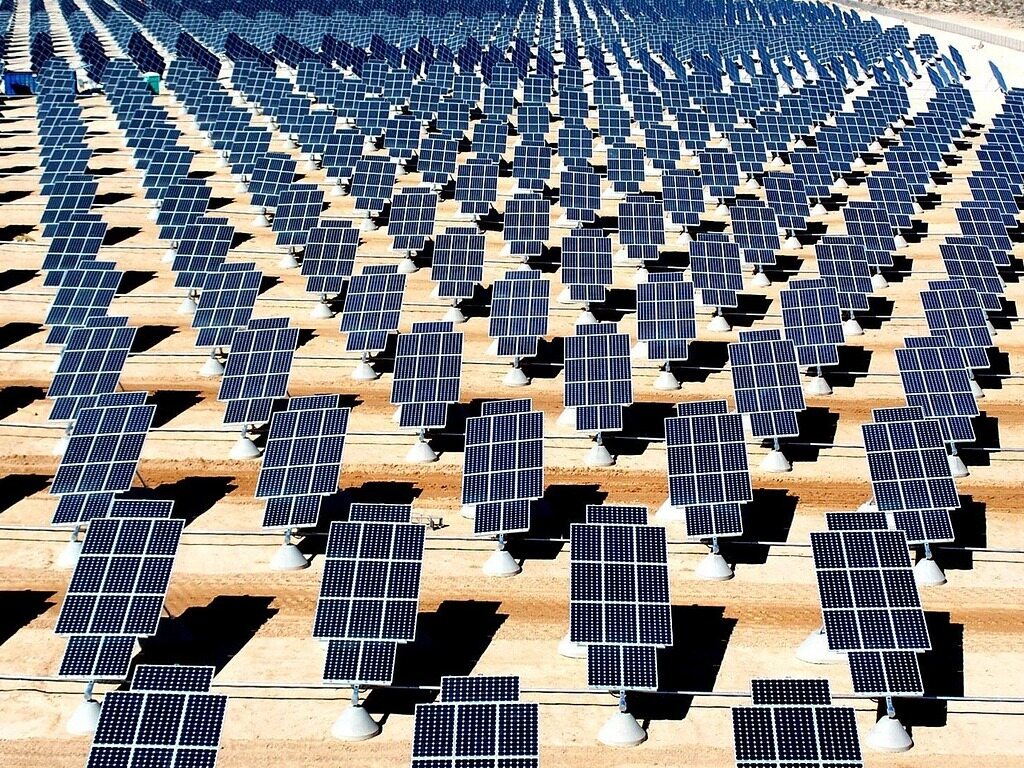
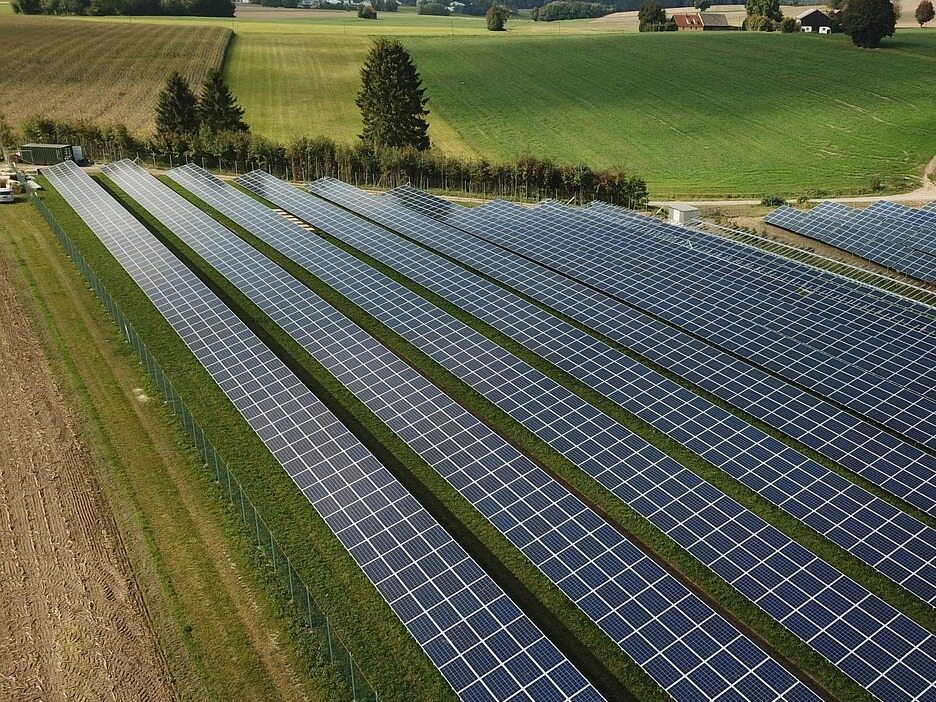
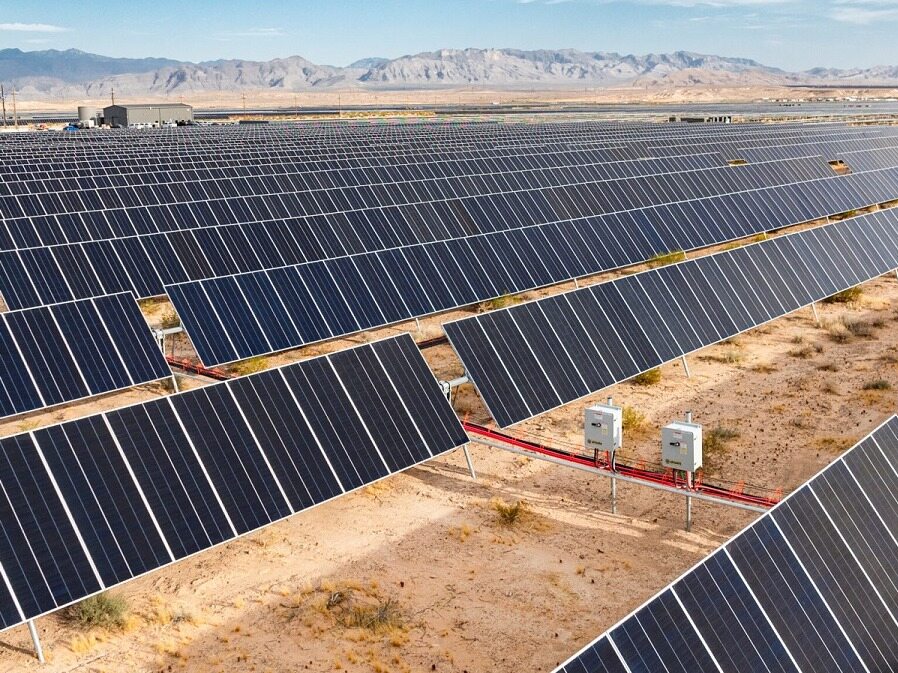
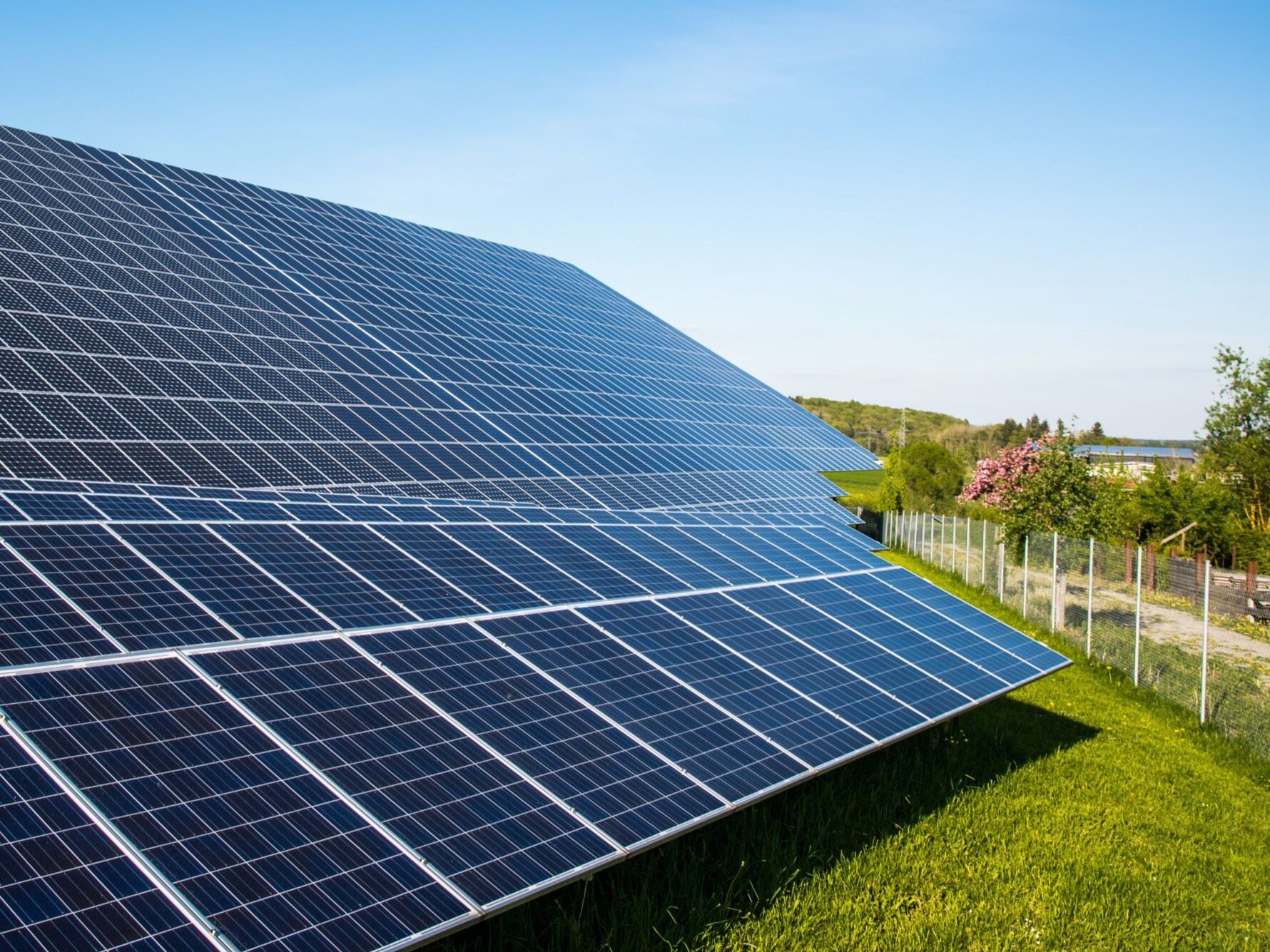
In the early morning, on the coastal mudflat, workers were working hard against the sea breeze, and photovoltaic panels were spread out orderly in the sun - this is Zhanhua District, Binzhou, Shandong Province, the largest site of the world's fish light complementary power generation project. As the May Day holiday approaches, the third phase of the project is sprinting forward with full force. The number of installed photovoltaic panels in a single day has exceeded 10000 for the first time, reaching 10391, with an installed capacity of about 7.48 megawatts, setting a new construction record since the start of construction.
Dual wheel drive of technology and management
In the face of construction challenges such as mudflat soft soil geology and salt fog environment, the project team works simultaneously from both technical and control aspects. By strengthening technical disclosure and quality supervision, innovating the use of drones to track progress through daily aerial photography, real-time analysis and correction, installation efficiency and stability have been ensured. In terms of material support, a dedicated person is stationed at the factory to coordinate the production and transportation of core equipment such as photovoltaic brackets and box transformers, providing solid support for the goal of exceeding 10000 in a single day.
Win win situation between water power generation and underwater aquaculture
The total planned capacity of the project is 2000 megawatts, covering an area of approximately 66000 acres, and innovatively adopting a composite utilization mode of "water power generation and underwater aquaculture". Under the photovoltaic panel, traditional aquaculture industry is carried out simultaneously, achieving the three-dimensional and intensive development of land resources. This model not only efficiently utilizes solar energy, but also promotes the deep integration of photovoltaic industry and traditional aquaculture in China's coastal areas.
Assist in regional energy transformation
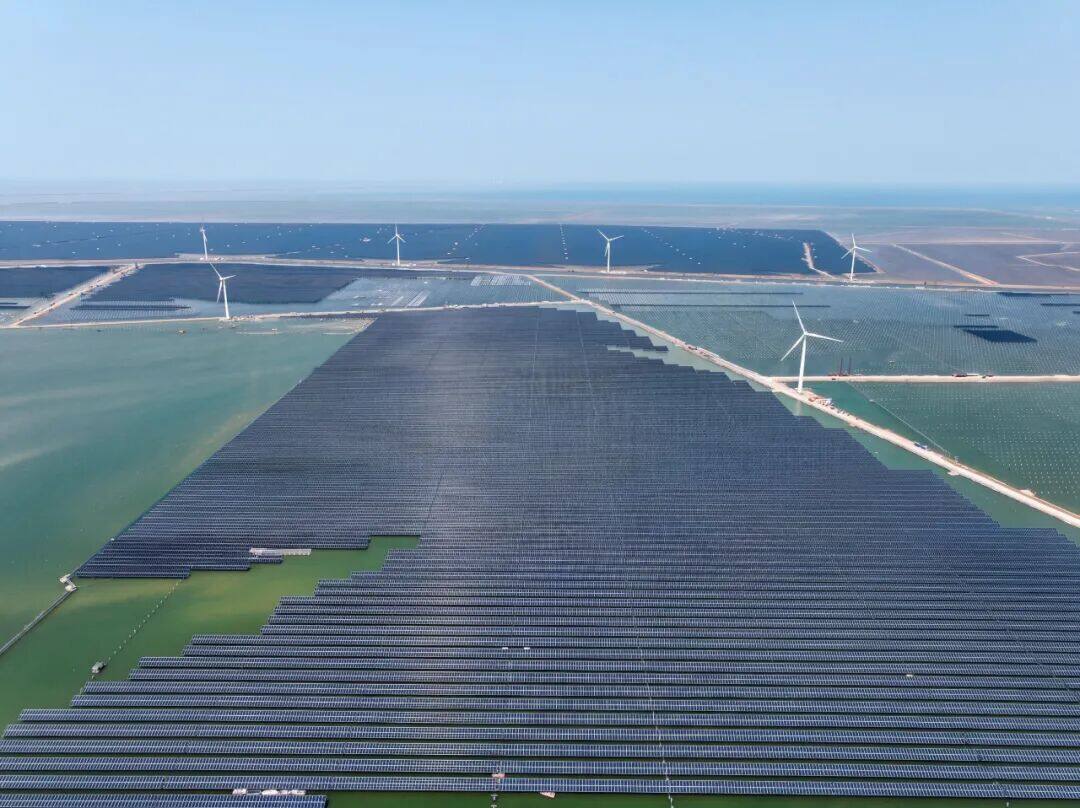
The project will be constructed in five phases, and currently the first and second phases have achieved 299 megawatts of grid connection. The third phase of the project covers the construction of a 203 MW photovoltaic zone and supporting booster stations. After completion, it is expected to provide approximately 3.39 billion kilowatt hours of clean electricity annually. As an important part of the integration base of landscape, wind and storage of saline alkali land in northern Shandong, the project will play a key role in optimizing Shandong's energy structure, reducing environmental pollution, and promoting the conversion of new and old kinetic energy.Editor/Yang Meiling
Comment

 Praise
 Collect
 Comment

 Share
Share


Write something~