 Search


- Indonesia launches 2026 PPP projects, focusing on three major areas: transportation, water, and energy
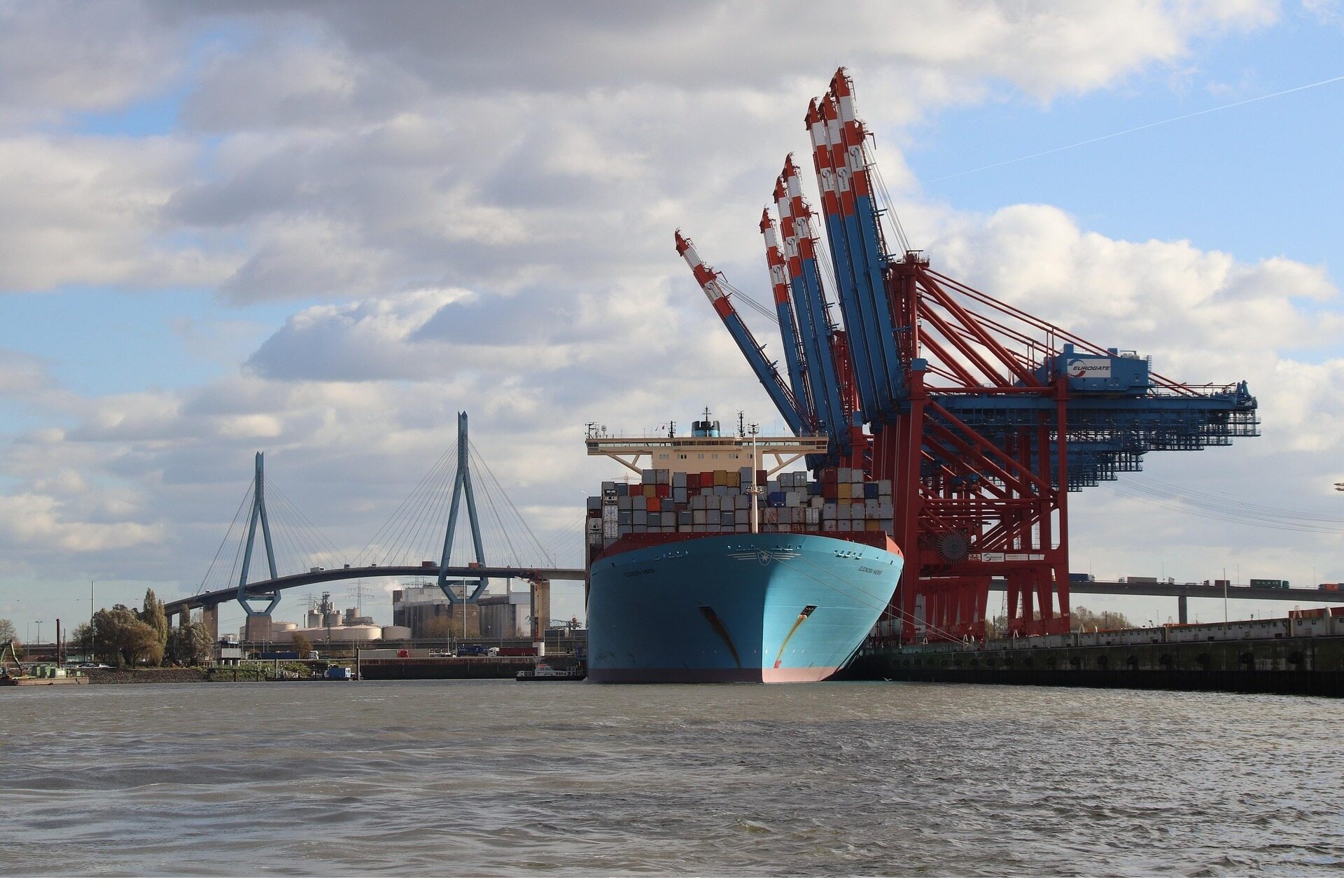
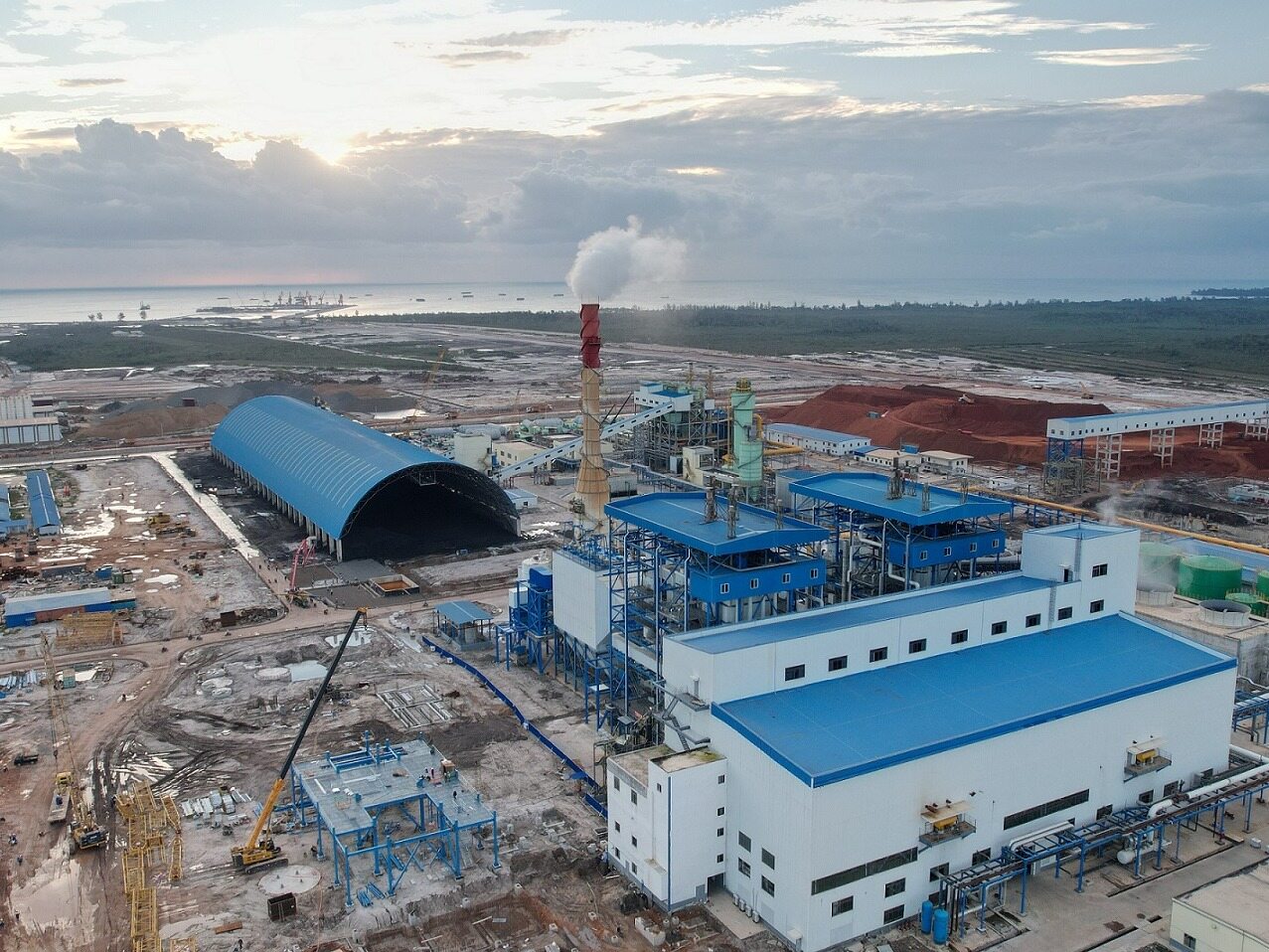
The Indonesian government has officially finalized the list of PPP infrastructure projects for 2026, with a total investment scale of over 178 billion yuan. The funds are highly concentrated in three major professional fields: transportation network, municipal water affairs, and clean energy. All projects are equipped with clear investment return mechanisms and bidding schedules, with an expected completion of bidding within the year and full construction starting in 2027, aiming to fill the huge funding gap in national infrastructure by introducing private capital.
19 highways connect the economic arteries
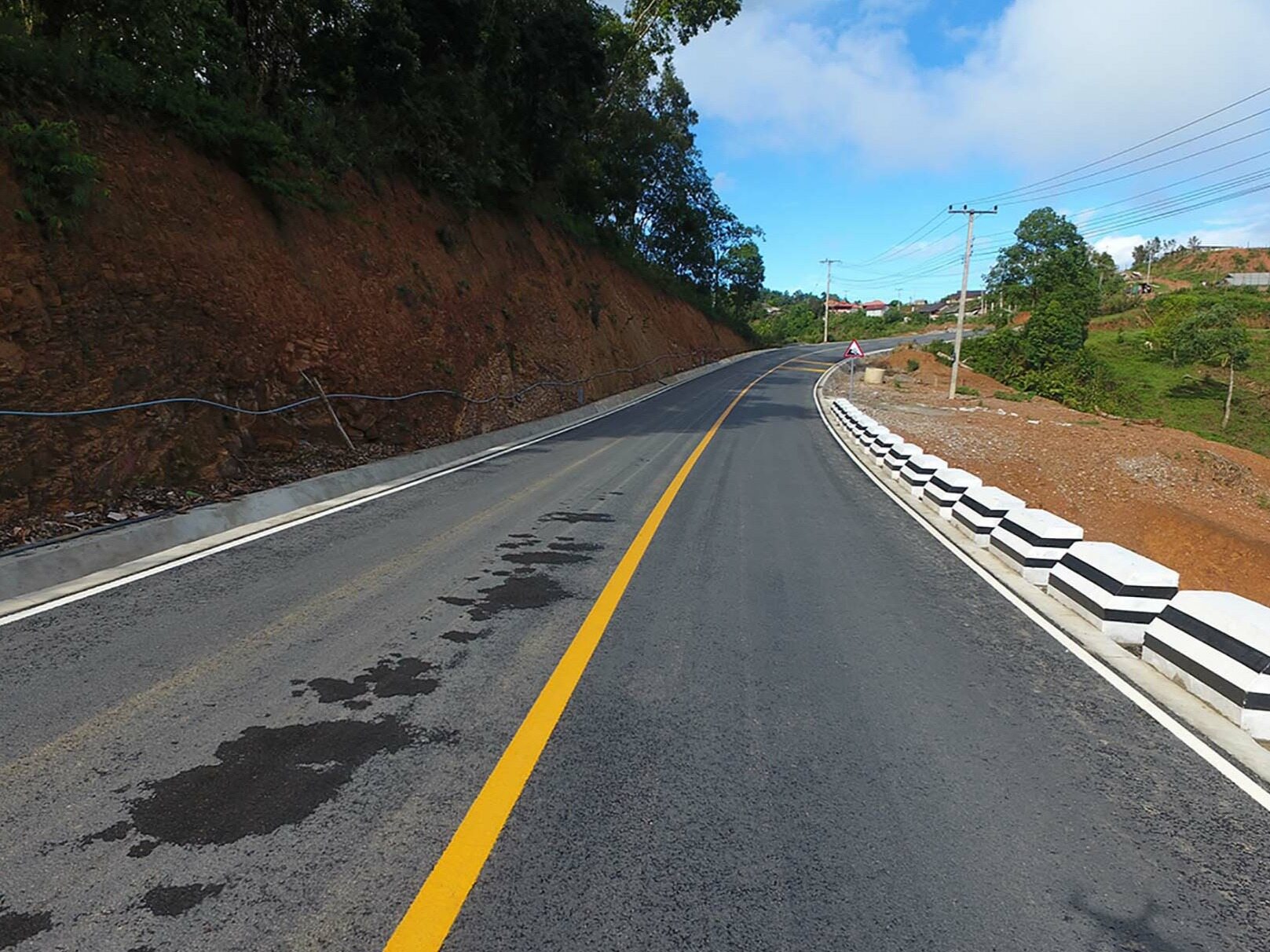
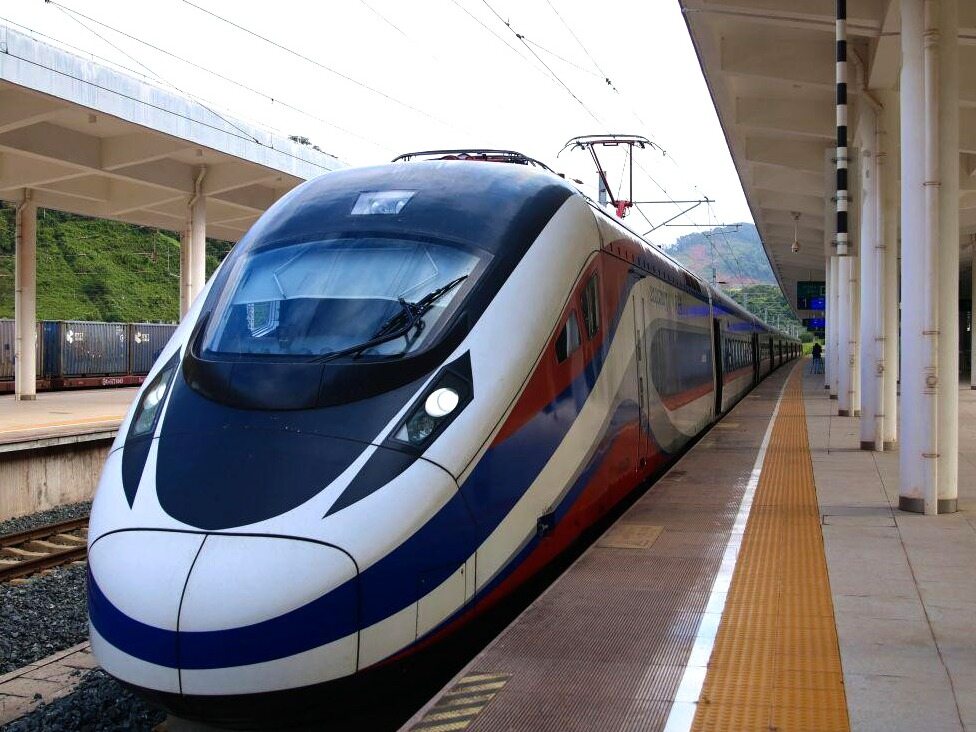
The transportation sector dominates with a total investment of approximately 177.4 billion yuan, accounting for over 99%. The 19 highway projects are divided into three categories for promotion: the government led Bali Gilimanuk Mengwi Line, East Java Tuban Gresik Line, and other 7 toll roads, with a franchise period of up to 50 years, aimed at improving tourism facilities; Seven hub roads proposed by the enterprise, including Jakarta Pluit Airport Expressway and West Java Patimban Port Extension, will focus on improving commuting and port logistics efficiency in the capital region; The five cross provincial roads designated by the government in Sumatra focus on regional economic balance and enjoy a two-tier government policy guarantee. In addition, the railway sector plans to introduce over 53 billion US dollars in private investment, and in 2026, the preliminary preparations for the Ya'an-Si'an high-speed railway will be launched as an extension of the Ya'an-Wa'an high-speed railway, with priority given to adopting the PPP model.
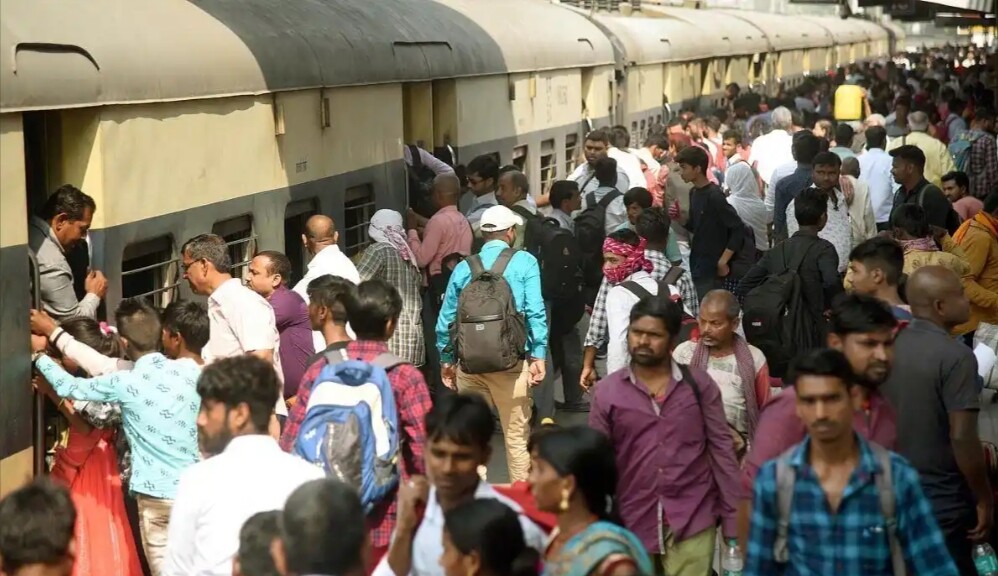
Covering the Capital Region and the New Capital
The total investment in the municipal water sector is 1.5 trillion Indonesian rupiahs. Although the scale is not as large as transportation, as a basic necessity for people's livelihood, it enjoys government payment as a guarantee, and the investment risk is extremely low. The core project includes the Jakarta Bogor Bugasi Djuanda water supply project, which covers a population of 30 million in the capital region; The Ayung regional water supply system serving the tourism economy of Bali is expected to be tendered in the second quarter of 2026; As well as the Balikpapan water supply system in East Kalimantan, which serves as a supporting facility for the new capital Nusantara, with a total investment of 3.8 trillion Indonesian rupiah, it enjoys special support from the central government and clear approval and return guarantees.
5 power stations open green track
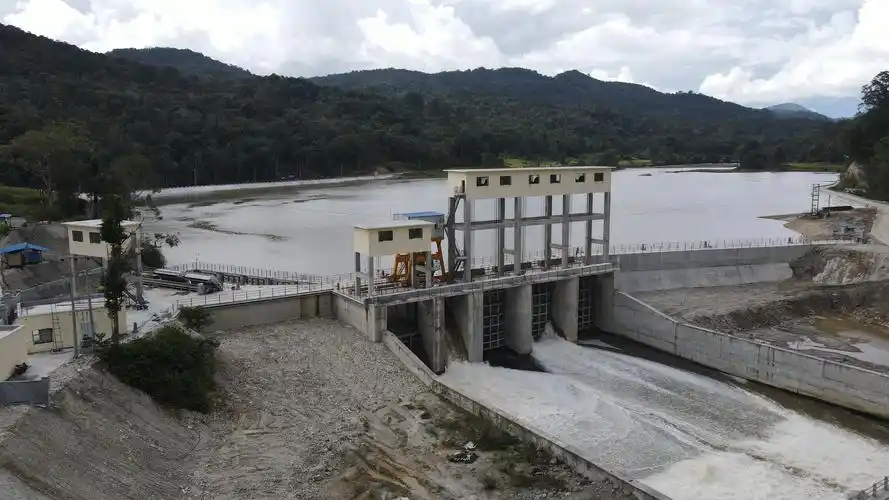
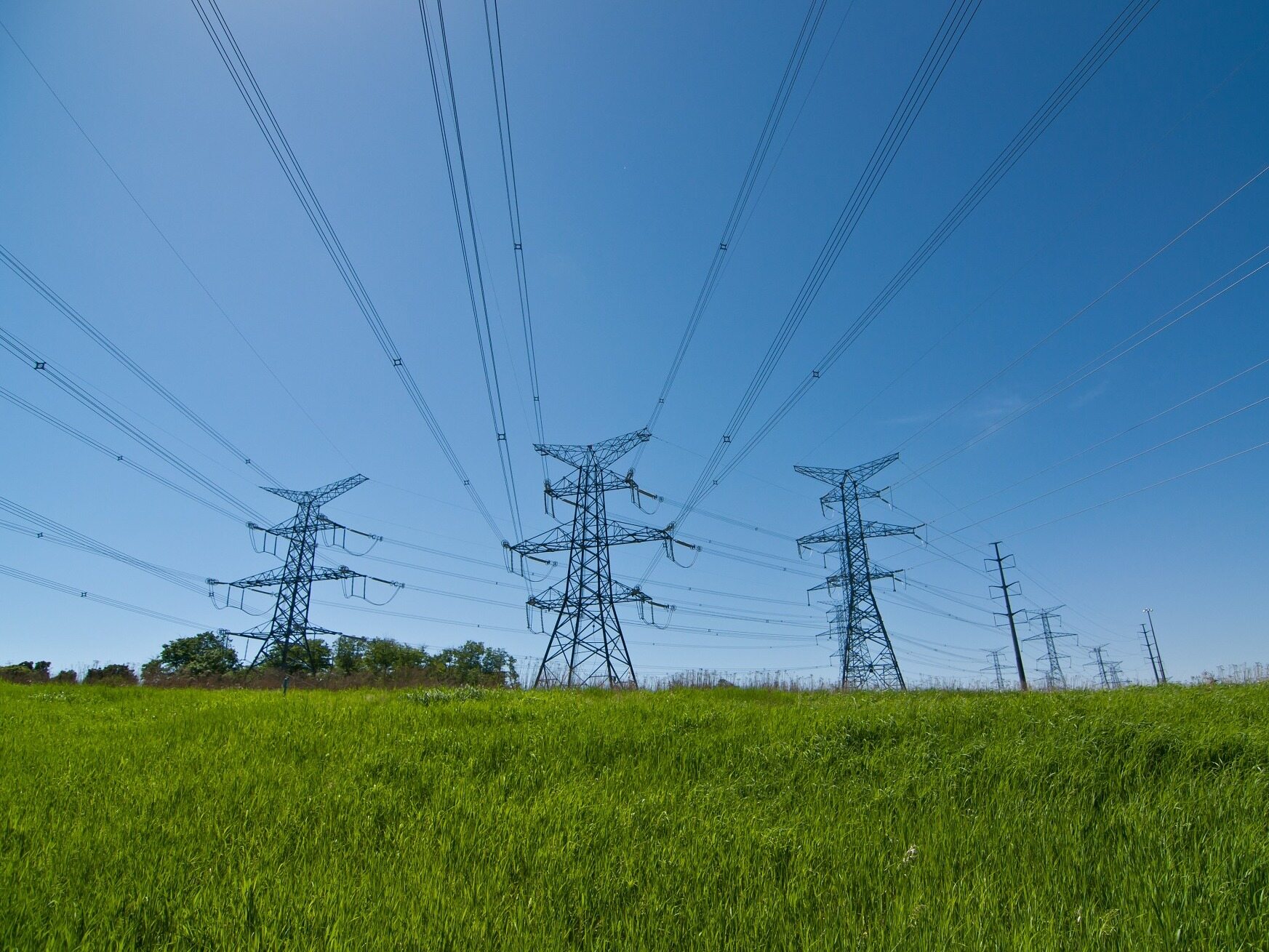
For the first time in the clean energy sector, a separate project has been launched with a total investment of 462.7 billion Indonesian rupiah for five micro hydropower stations, located in Java, Sulawesi, and Kalimantan Island. As a key focus of the national renewable energy plan, the project enjoys electricity price subsidies, with a moderate scale and clear technical barriers, providing an excellent opportunity for Chinese enterprises with experience in small and medium-sized hydropower to enter the Indonesian new energy market.
The national gambling game of garbage power generation and giant seawalls
In addition to the core project pool, Indonesia's sovereign wealth fund Danantara has released 33 waste to energy strategic projects for global bidding; The 700 kilometer massive seawall project on the north coast of Java, with a total investment of 80 billion US dollars, is considered a national level project to address the Jakarta sinking crisis. President Prabowo has personally invited international capital to participate, with a construction period of 20 years and PPP as the core promotion. Keywords: Southeast Asian news, Indonesia
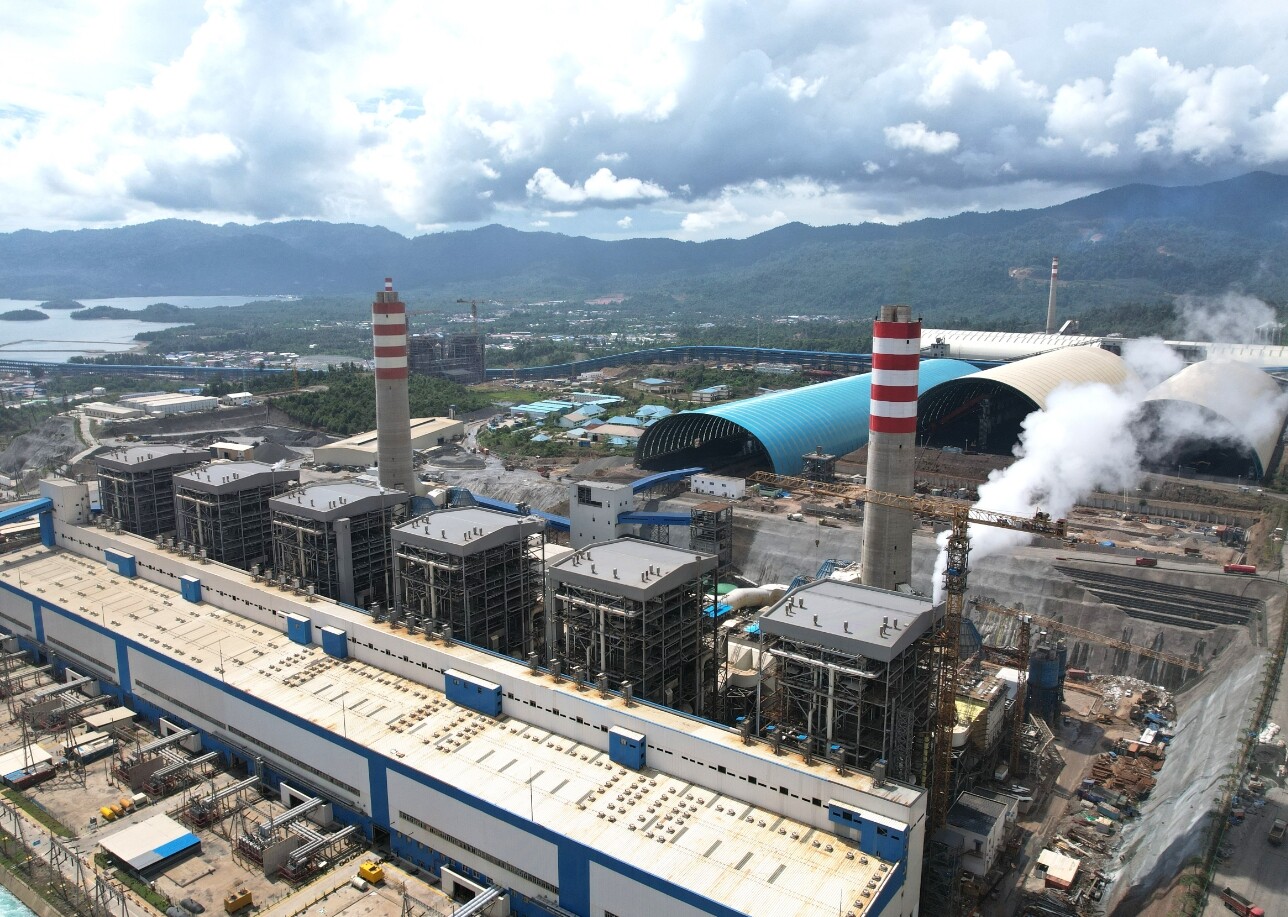
Indonesia's desperate bet on the PPP model is a breakthrough in infrastructure under financial pressure. Data shows that from 2025 to 2026, Indonesia needs to invest 4.2 trillion yuan in infrastructure, but the government's finances can only cover 40%. The remaining 2.5 trillion yuan gap must rely on social capital. The successful precedent of the Yawan high-speed railway proves that the PPP model can shorten the construction period by 20% and improve the capital efficiency by 30%. For Indonesia, which has a population of 280 million and extremely uneven regional development, this is not only a means of financing, but also the only path to break through the bottleneck of economic growth and achieve national strategic balanced development.Editor/Cheng Liting
Comment



 Praise
 Collect
 Comment

 Share
Share


Write something~