 Search


- In May 2026, Chinese companies will accelerate the layout of new energy and high-speed rail projects in North Africa

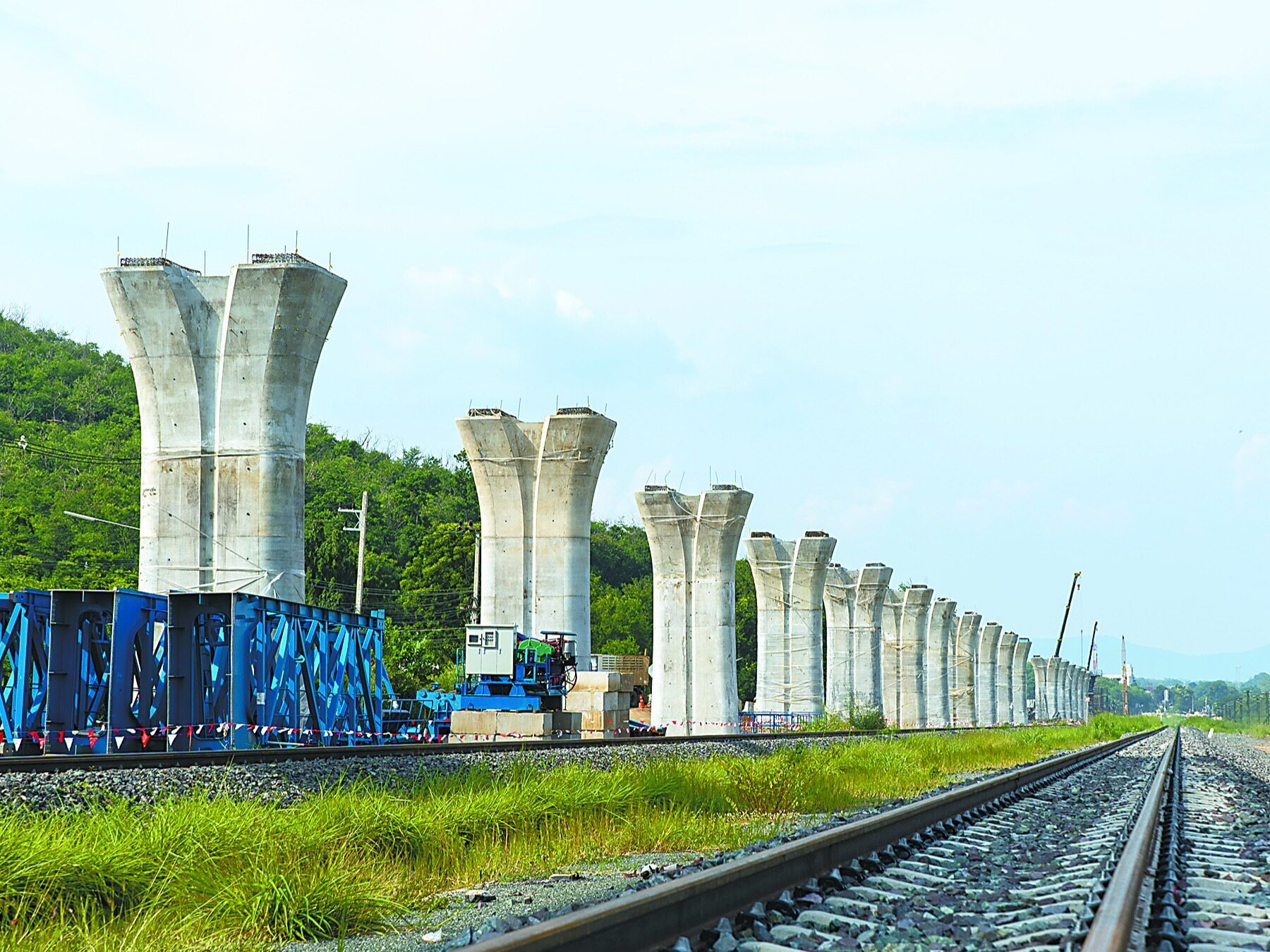
The 50000 square meter battery energy storage factory of Sunac Power is currently piling piles in the Middle Egypt Teda Industrial Park. A month ago, when Prime Minister Madbury personally attended the signing ceremony, he positioned this factory with an annual output of 10 gigawatt hours as a key pillar for the country's energy security transformation. At the same time, on the high-speed railway construction site south of Casablanca, Morocco, China Railway Construction's technical team is integrating domestic tunnel excavation experience into the Rabat formation. From the banks of the Nile River to the Atlantic coast, Chinese companies are redefining the industrial landscape of North Africa with factories, railways, and power stations.
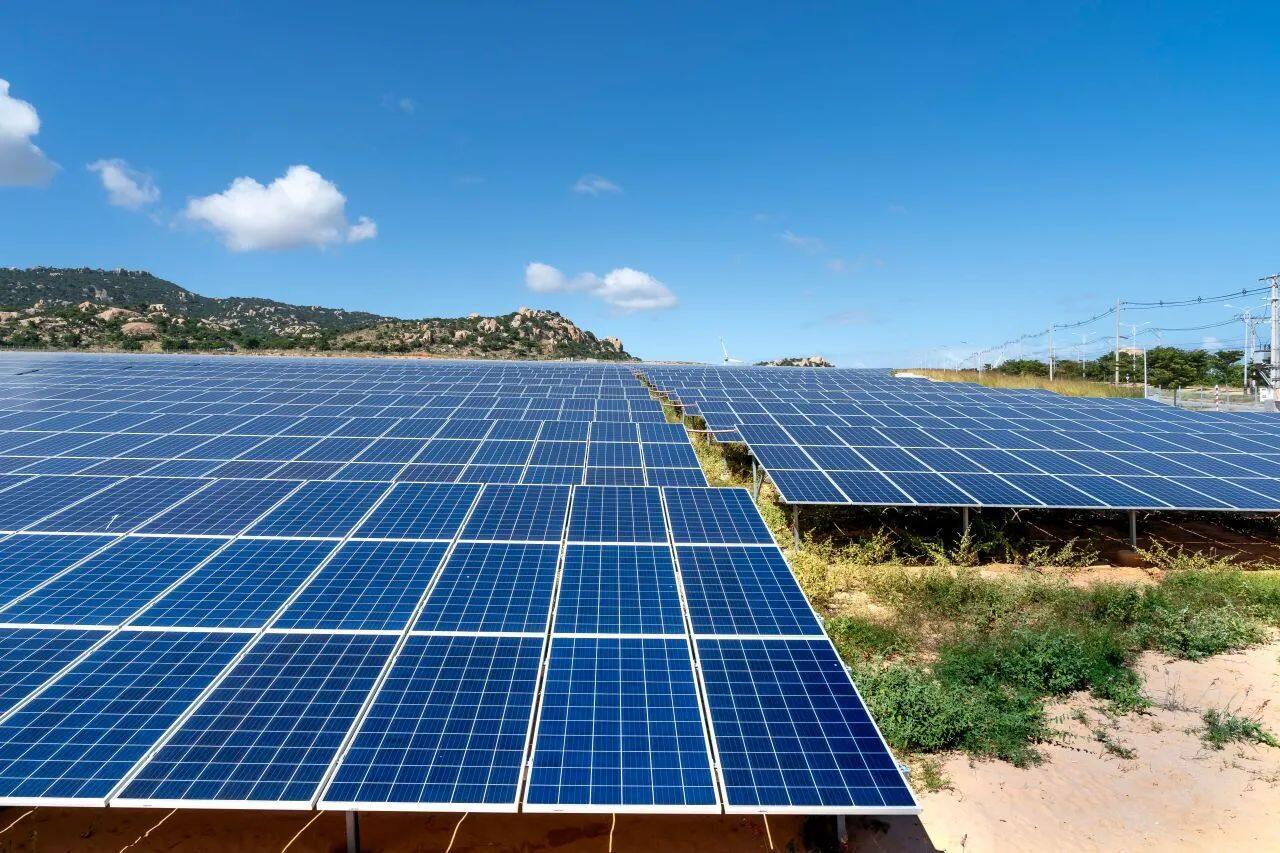
Egypt's photovoltaic storage factory has landed on the entire chain
Sunshine Power's 10 gigawatt hour energy storage plant is scheduled to start production in April 2027, while JA Solar is simultaneously planning the Artum solar complex, integrating 2 gigawatt batteries, 2 gigawatt modules, and 1 gigawatt hour energy storage capacity. The China Energy Alliance is implementing the Abidus Phase II integrated photovoltaic and energy storage power station under the EPC general contracting model, integrating 1000 MW of photovoltaic and 600 MWh of energy storage. It is currently the largest single photovoltaic and energy storage project in Africa. Since entering Egypt, China Energy Construction has signed contracts worth over 3 billion US dollars. In the first two months of 2026, the bilateral trade volume between China and Egypt reached 4.177 billion US dollars, a year-on-year increase of nearly 40%. Photovoltaic modules, energy storage systems, and industrial equipment have become the core engines of import growth.
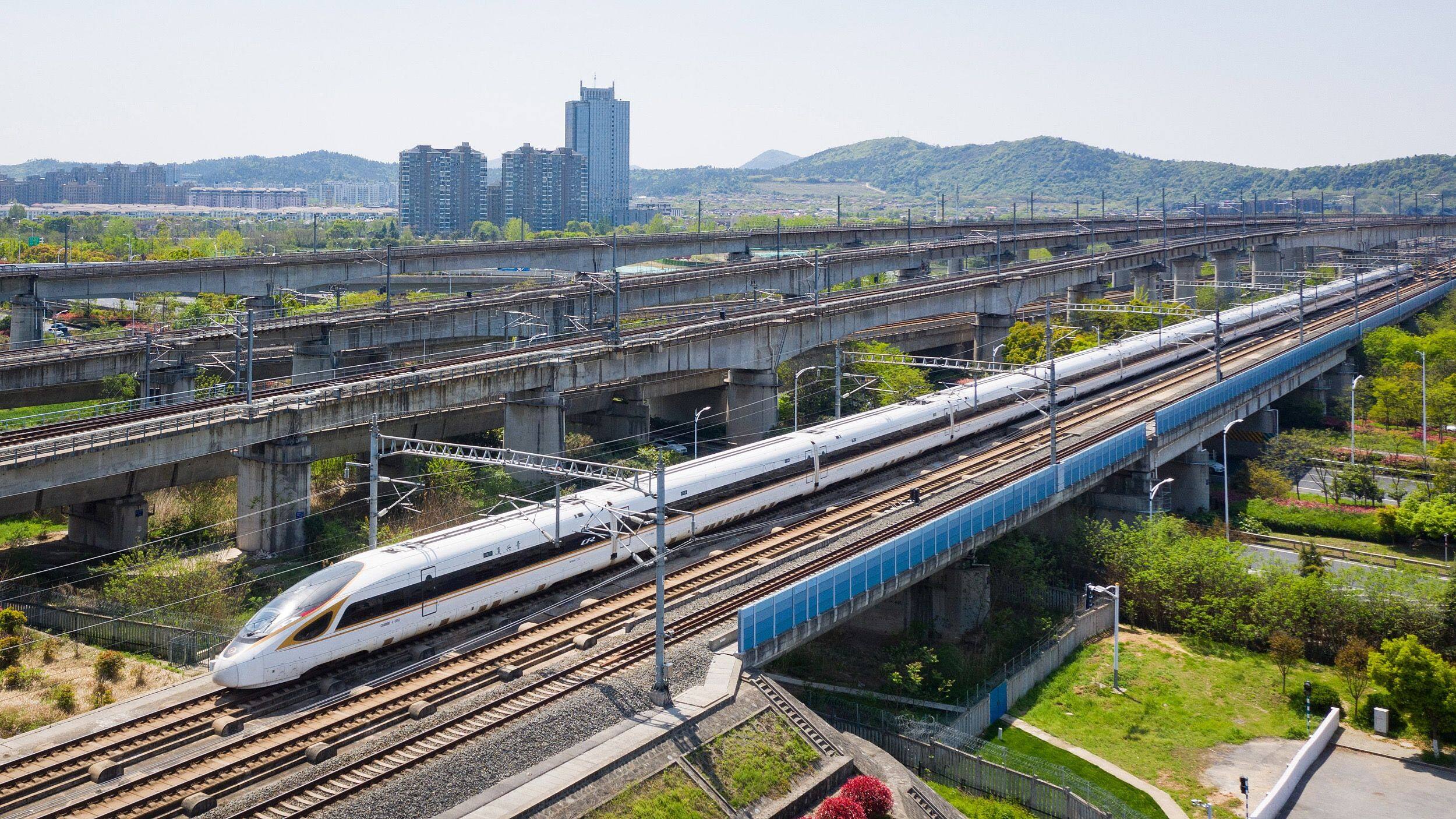
Morocco's high-speed rail corridor connects industrial belts
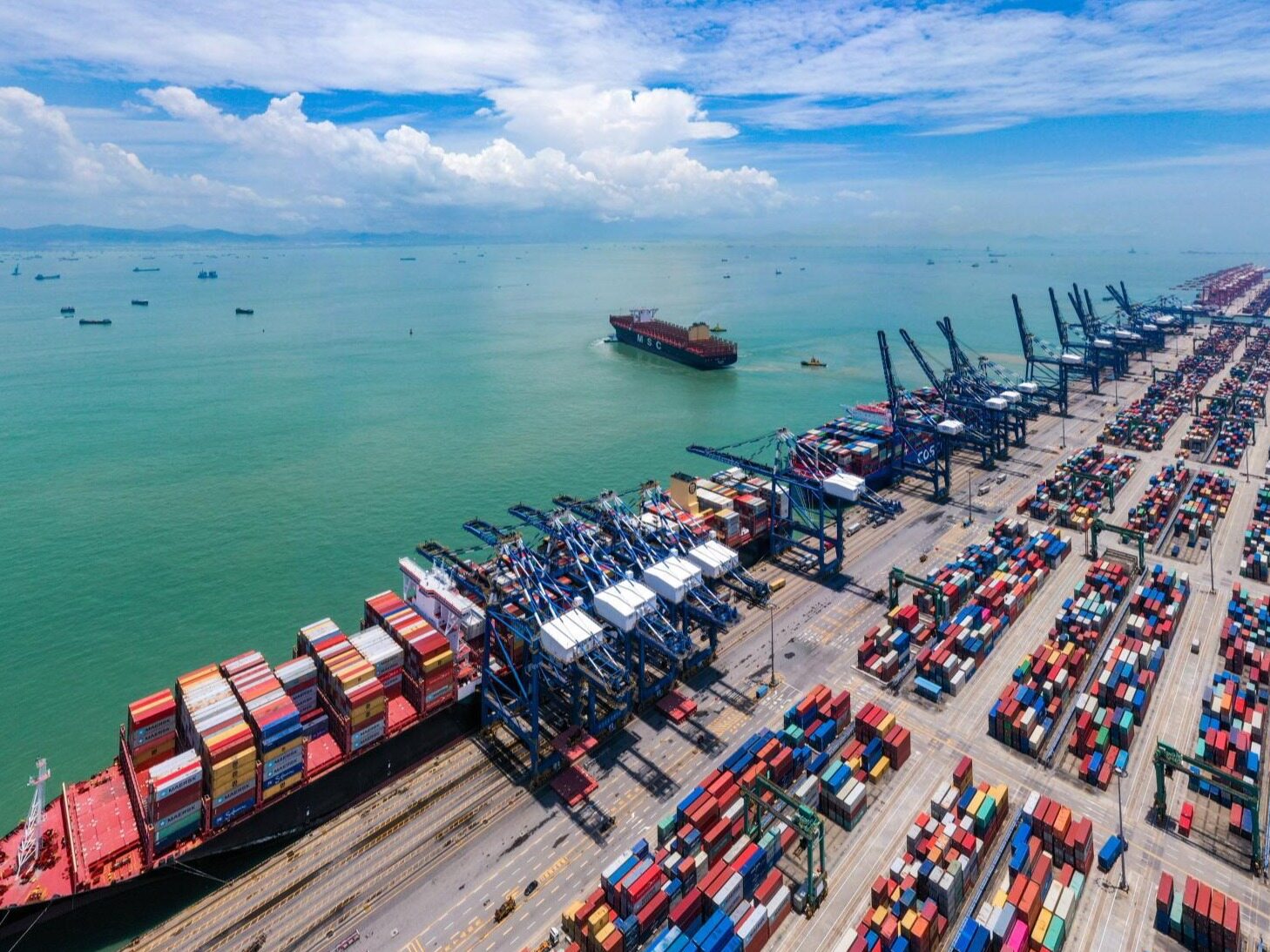
The second phase of the Moroccan high-speed railway project, with a total length of 430 kilometers and a designed speed of 350 kilometers per hour, is extending southward from Guenitra, passing through Rabat and Casablanca, and reaching Marrakesh directly. The goal is to open it before the 2030 World Cup. This route not only carries passenger transportation functions, but also connects science cities, industrial parks, automobile manufacturing clusters, and port freight hubs along the route into an economic corridor. During the same period, the bilateral trade volume between China and Morocco exceeded 1.02 billion US dollars, a year-on-year increase of nearly 80%. Automotive parts, precision machine tools, and industrial robots accounted for about 35% of China's exports to Morocco. Keywords: the Belt and Road News Network, China Africa Cooperation
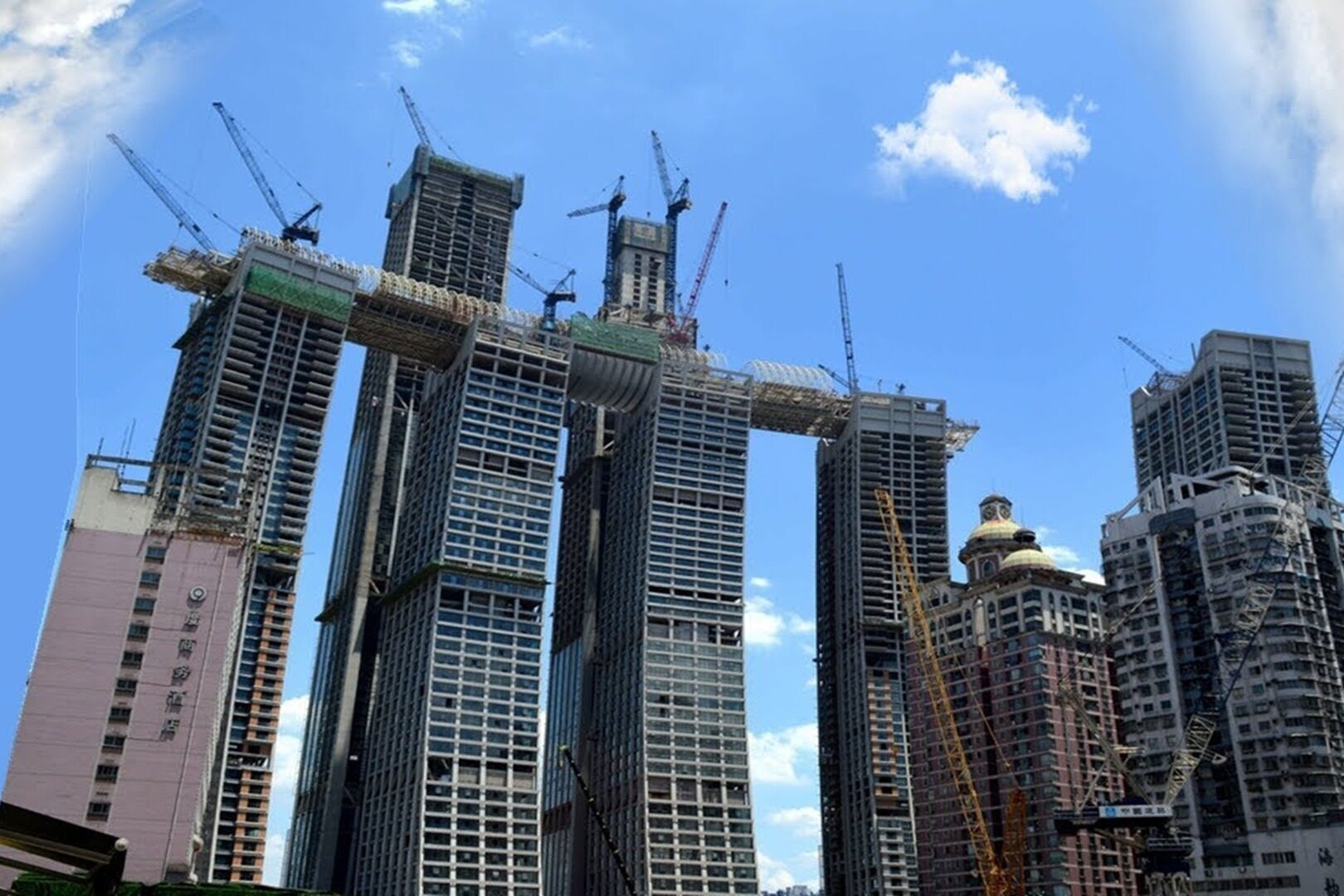
Hotels and consumer goods simultaneously release demand
Morocco has launched a record breaking hotel industry investment plan, adding about 25000 new rooms with a total investment of about $400 million, with 75% concentrated in core cities such as Casablanca and Marrakesh. Chinese brand passenger cars are accelerating their penetration in Morocco, with BYD's sales in February increasing by over 30% year-on-year and Chery's explosive growth exceeding three times. From photovoltaic factories to high-speed rail tracks, from hotel linens to new energy vehicles, China's industrial chain is interwoven with three paths: manufacturing landing, infrastructure output, and consumption penetration, embedded in the main line of North African economic reconstruction.Editor/Gao Xue
Comment


 Praise
 Collect
 Comment

 Share
Share


Write something~